North America

Cuba 2007

The four days spent in Havana were a true delight, both culturally and historically. Apart from the usual walk on Havana streets and admiring Cuban music and dancers, vintage cars, rum and food, I tried to immerse myself in the Revolution climate. Cuba is definitely a jewel among other Caribbean countries, linking the turbulent times in modern history.
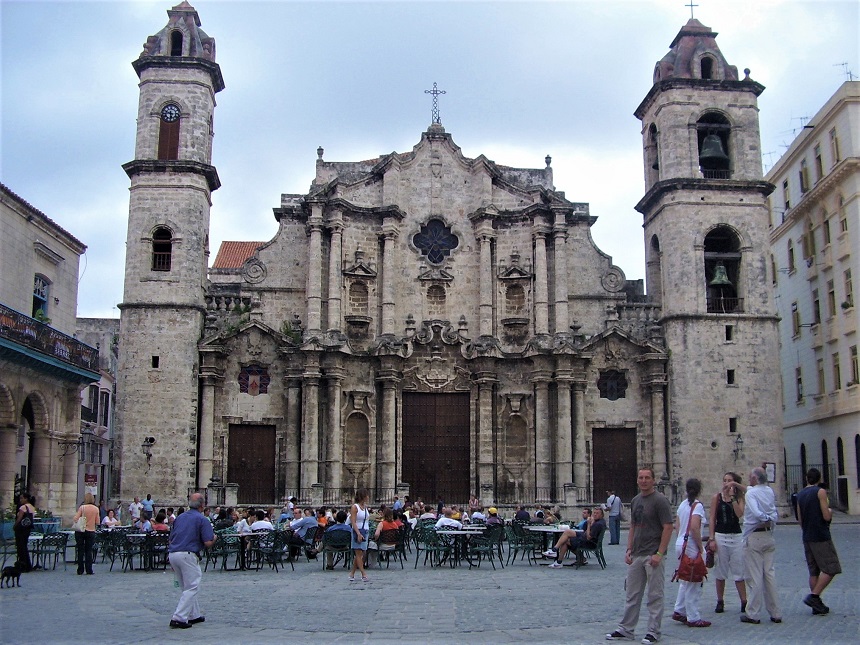
The city of Havana was founded by the Spanish in the 16th century and due to its strategic location, it served as a springboard for the Spanish conquest of the Americas, becoming a stopping point for treasure-laden Spanish galleons returning to Spain.
When you add, folk music and dance, it should be anyone’s must visit list.
The museum is based in the former palace of the late dictator Fulgencio Batista, leader of Cuba in the final years before Fidel Castro’s rise to power. The presidential palace housed Cuba’s leaders from the 1920s until 1959. Castro’s idea was to turn this building into a museum of the revolution and therefore change the course of Cuban history forever. The place contains detailed exhibits depicting the events leading up to Fidel Castro taking control of Cuba. There were historic photos, models of battles, period firearms, tanks, etc. so the true Cuban history fanatic would find something for themselves.
We could admire a life-size wax statue of Che Guevara and Camilo Cienfuegos and a huge revolutionary mural on the second floor, among other things. Attached to the museum was a fully enclosed in glass, the most famous boat in Cuban history, the Granma, on which, in November 1956, Fidel Castro sailed from exile in Mexico to Cuba, accompanied by Che Guevara and 82 soldiers of the revolution. Other historic artefacts include military vehicles and weaponry from the failed U.S.-sponsored Bay of Pigs invasion, a U-2 spy plane shot down during the Cuban missile crisis, and items from Cuba’s nineteenth-century wars of independence.
Not to be missed the Castillo de la Real Fuerza (the Castle of the Royal Force), one of the main attractions in Old Havana. The castle was built in 1555 by Spanish authorities to defend Havana from invasion from pirates or a rival European power. It now houses a pottery museum, a café, and a small gift shop. It is the main architectural feature of the UNESCO World Heritage site of Old Havana Cuba and remains a poignant reminder of Cuba’s rich history. After the Cuban Revolution, it served as government offices and a museum of arms before being converted into a museum of Cuban ceramics.
West of Old Havana is the famous Plaza de la Revolucion. The site of Fidel Castro’s major speeches as president, delivered before crowds of, at times, up to a million citizens. The square is surrounded by the city’s most-imposing architecture such as the towering monument to José Martí, leader of Cuban independence.
The Ministry of Inferior building depicts the iconic sculpture of Che Guevara, a popular photo spot. The place was not overcrowded so I quickly spotted a miserable looking elderly sitting on the folded chair. He was not basking or selling anything. The idea of having a picture taken with him sound appealing. He was reluctant but eventually agreed. We exchanged pleasantries and as a small token of my gratitude I handed in 5 pesos to him. To my surprise he strongly opposed and shook his head indicating impending trouble that the gesture of mine would potentially cause to him. I thought nothing of it and walked away. It did not long before the police car appeared and he was escorted to the nearby police post. What resulted from this encounter was him having been arrested for unsolicited or untaxed revenue, the couch driver explained to me. The embarrassment and shame I felt stuck with me for the rest of the touring day.
Crowds of tourists and locals gather on the steps leading to the House. Inside there is a colossal bronze statue, the largest indoor statue in the world representing Pallas Athena. Behind bronze doors whose panels picture scenes from Cuba’s history, lies a huge gallery called the Hall of Lost Steps.
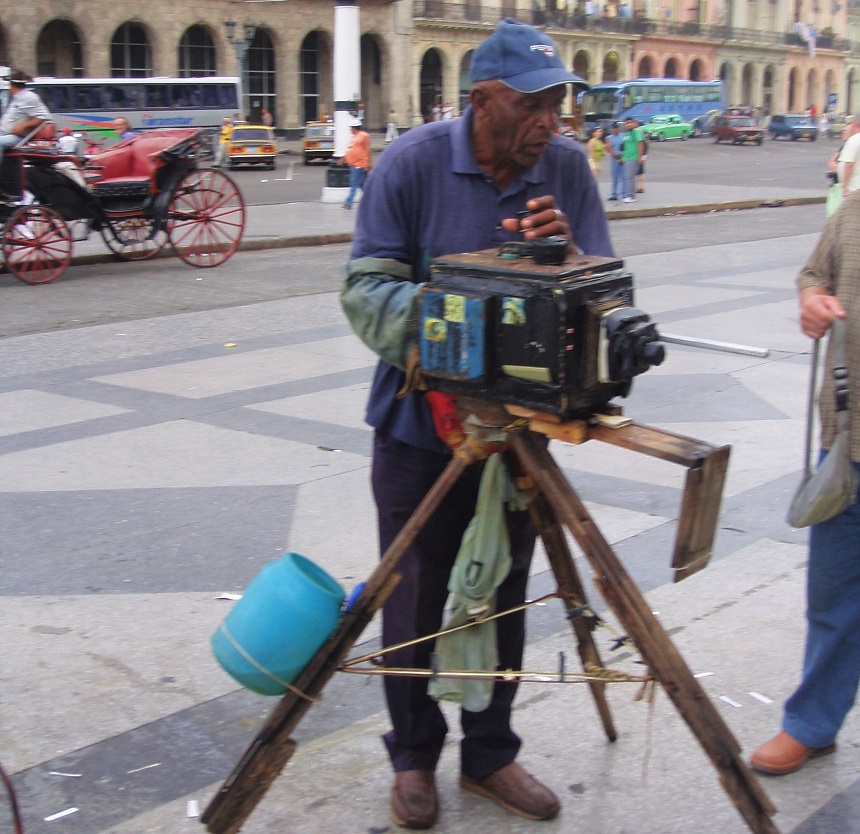
Outside the edifice the photographer offered to take photos with the old fashioned camera dating back to 1920.
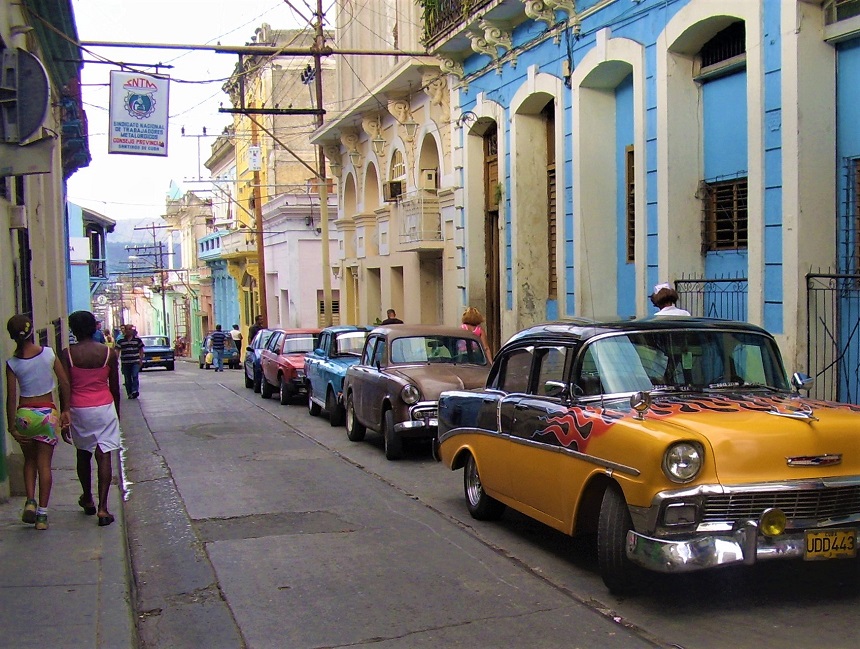
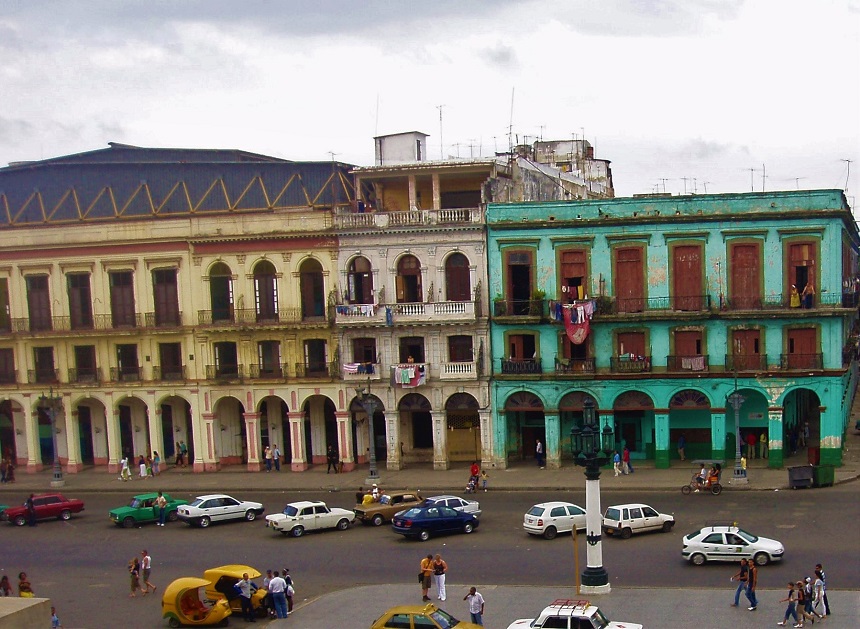
Iconic views of Havana streets with its vintage yellow cabs and majestic architecture.
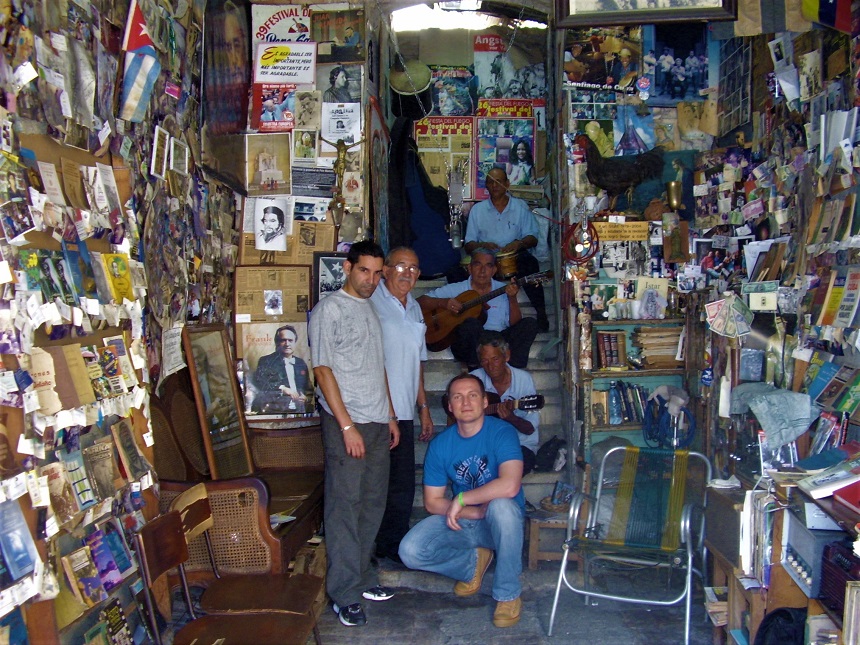
I little venture into the suburbs led me to this place. Politically influenced small bookstore where locals meet to discuss current affairs.
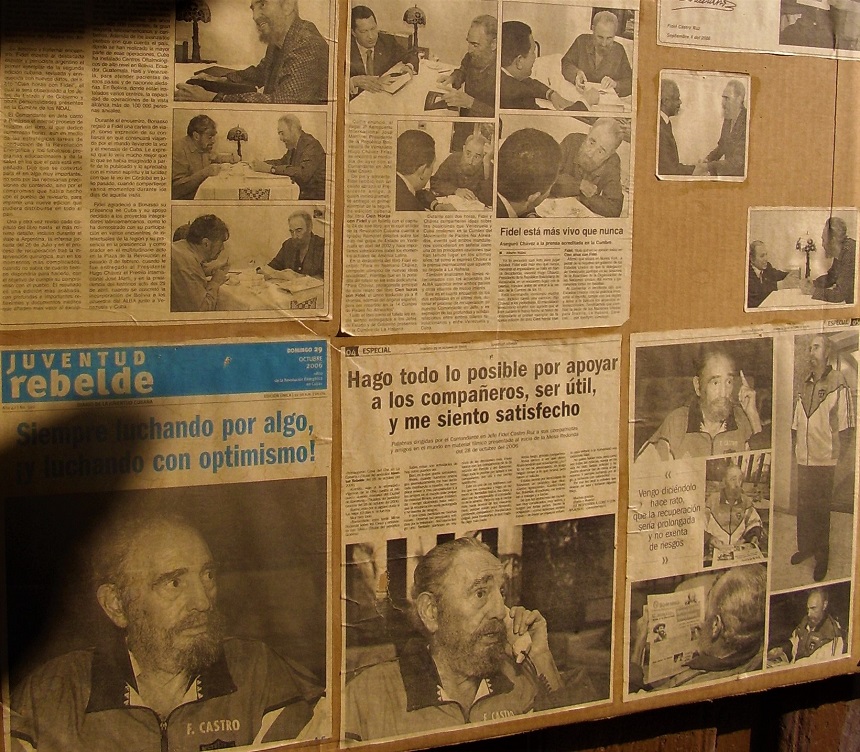
One of the many paper printed displays of affection or/and criticism towards late Cuban leader.
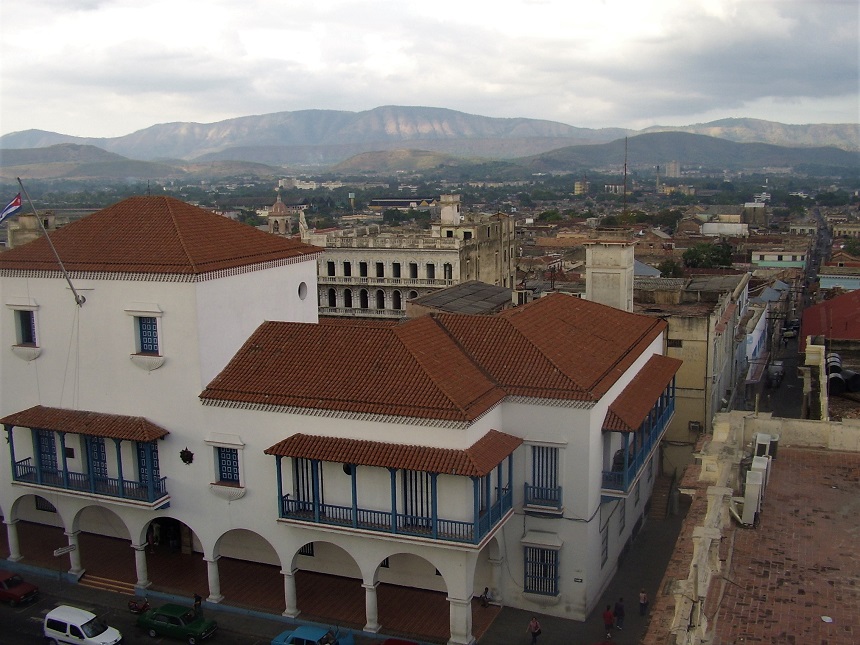
I embarked of an adventure to Santiago de Cuba with high level of excitement and inquisitiveness. The Heroic City offered a great dose of history about Cuban Revolution. That was definitely my cup of tea although I could have murdered a glass Cuban rum any time of the day. I opted for a bus rather than helicopter. I figured 4 hour ride through dilapidated roads, passing by true villages and eventually being pulled over by the local police was an added perks to the trip.
Santiago de Cuba is the second-largest city in Cuba and the capital city of Santiago de Cuba Province. It lies in the southeastern area of the island, some 870 km (540 mi) southeast of the Cuban capital of Havana.
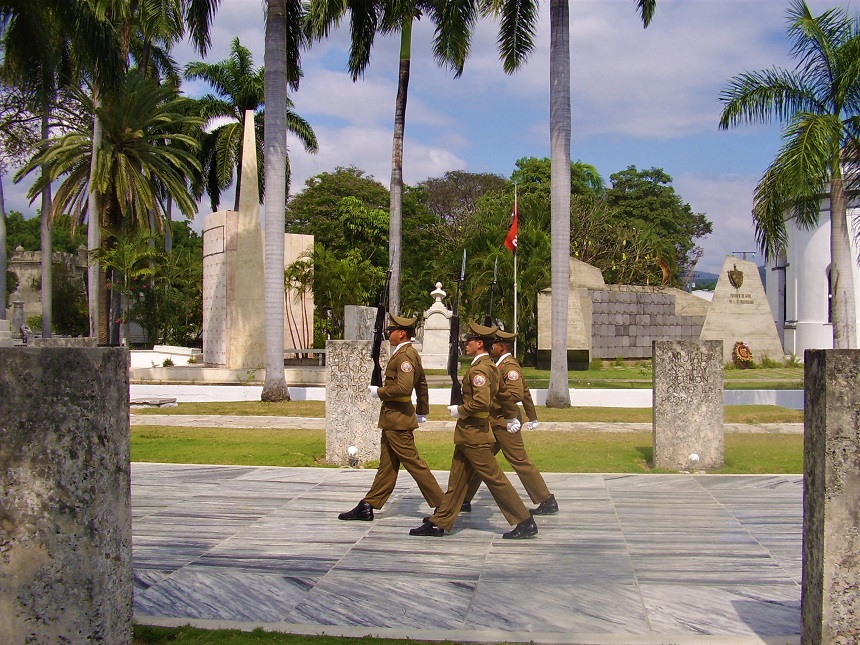
I was driven around the city in a well organised fashion. I cannot recall the sequence of places but remember the marvellous Castillo del Morro, impressive Cementerio Santa Ifigenia with changing guards, Jose Marti Memorial and Emilio Bacardi Graveyard. I could not fail to ignore the Revolution Plaza and the Caspedes Park.
The visit to the graveyard has brought us closer with the history of Cuba. The cemetery was the third one founded in the country and inaugurated in 1868. It is a homage to many martyrs of the last 150 years of revolutionary wars. Besides the cultural and historical values, admiring its art was attractive enough for us in the journey through the Cuban eastside. Neoclassicism, Art Deco and Eclecticism all met in one place together with subtle images of angels and madonas often associated with sadness, pain, compassion and death.
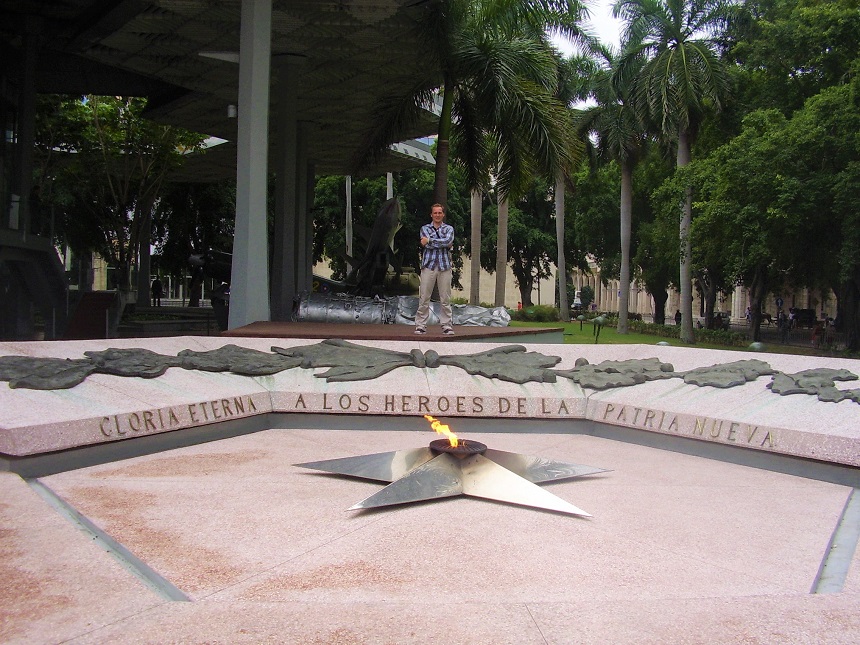
The Mausoleum of the Cuban National Hero Jose Marti is 23 meter in height and made of concrete and quarry marble. In front of the monument there was this everlasting flame, as tribute to the fallen heroes of this country. The changing guards was a remarkable experience of its own right. The marvellous designs of Carlos Manuel de Cespedes´s grave and Don Emilio Bacardi´s tomb, the founder of the oldest museum in Cuba and the famous producer of the Cuban rum added to the importance of this place. There is also the mausoleum of the Martyrs of San Juan de Wilson that pays tribute to the 481 Spaniards killed in an action during the war between Spain and the United States in 1898 to defend Cuba´s sovereignty,
Not too far away from Revolution Plaza there is Moncada Barracks. It was a military barracks, named after General Guillermón Moncada, a hero of the War of Independence. On July 26, 1953, the barracks was the site of an armed attack by a small group of revolutionaries led by Fidel Castro. This armed attack is widely accepted as the beginning of the Cuban Revolution. The bullets holes in the front wall are still visible to commemorate this event. The Moncada assault was the first armed action of the Cuban Revolution, which would end in victory in 1959. After the victory of the revolution El Cuartel Moncada was transformed into a school city that it took the name of School “Ciudad Escolar 26 de Julio”.
Santiago De Cuba is not all about Revolution, though. Beautiful Cathedral and Caspedes Park offer a bit of soul searching and tranquillity in this once war torn city. Santiago de Compostela Cathedral is the alleged burial place of Saint James the Great, one of the apostles of Jesus Christ. It has historically been a place of pilgrimage on the Way of St. James, since the Early Middle Ages. The cathedral is a Romanesque structure with later Gothic and Baroque addition
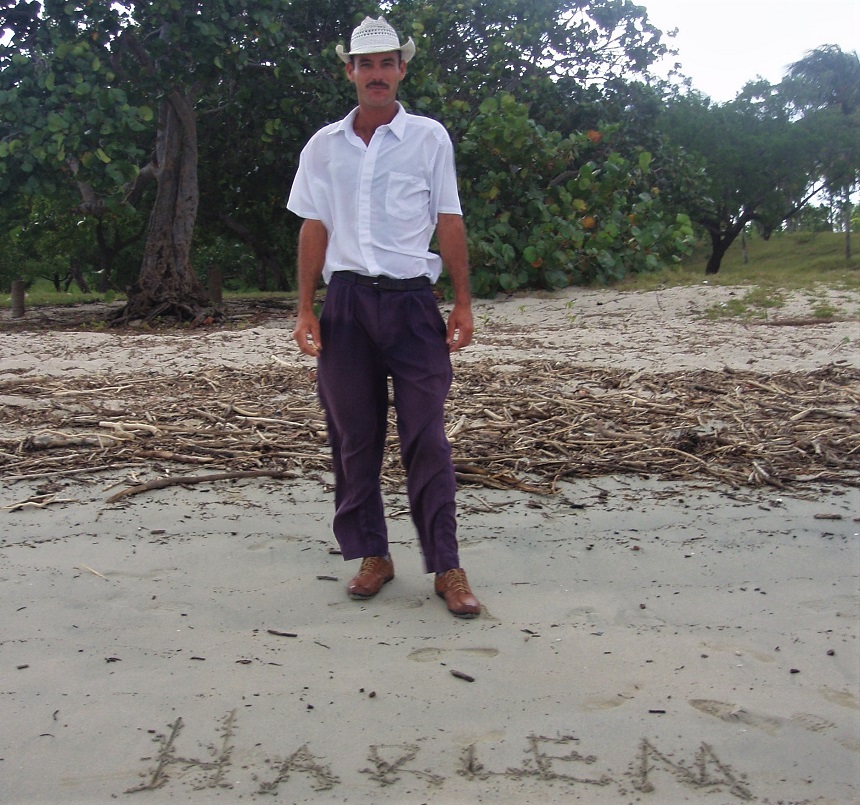
. I met this local whose name displayed the undisputed recognition most men’s dream – Harlem. This portly guy truly were a jewel during my exploration of the Cuban shores. He offered to take me to the cotton plantation and abandoned rum factory. I could not have been more grateful for his assistance. A generous tip was highly appropriate.
The area once saw the arrival of Christopher Columbus expedition in 1492. First expedition of this Italian explorer who had set sail in pursuit of discovering America. The claim eventually went to other Italian explorer, cartographer and navigator, Amerigo Vesppuci. How much true is in it, one has to decide for themselves.
It was founded as San Isidoro de Holguín in 1545, and it is named after its founder Captain García Holguín, a Spanish military officer. Prior to 1976, Holguín was located in the province of Oriente.
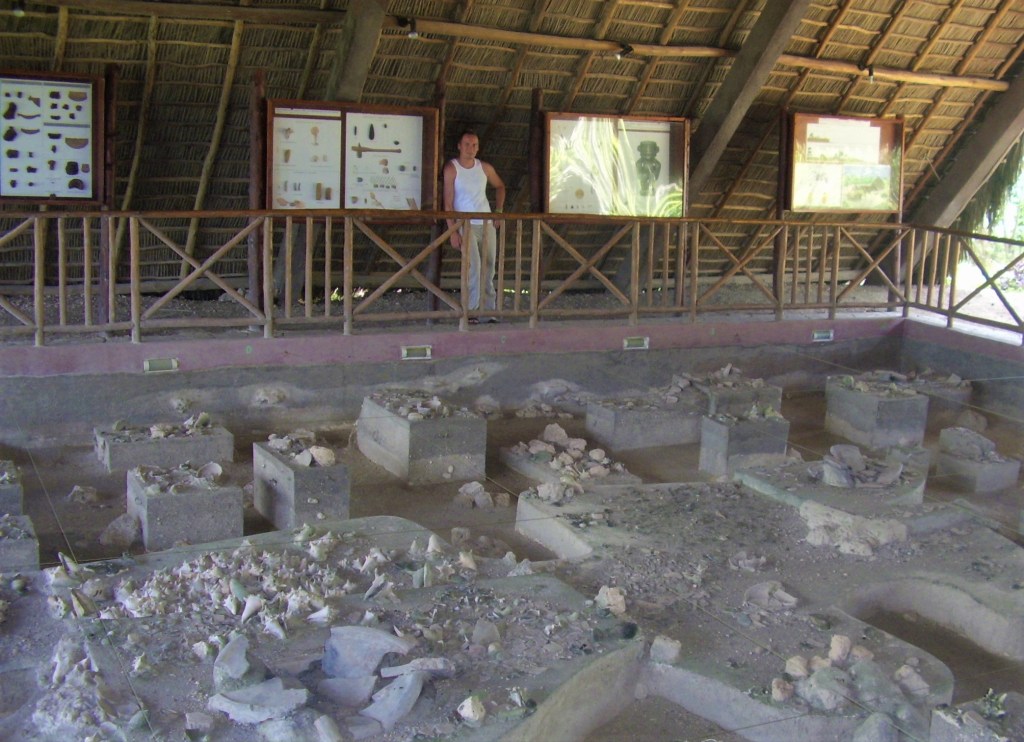
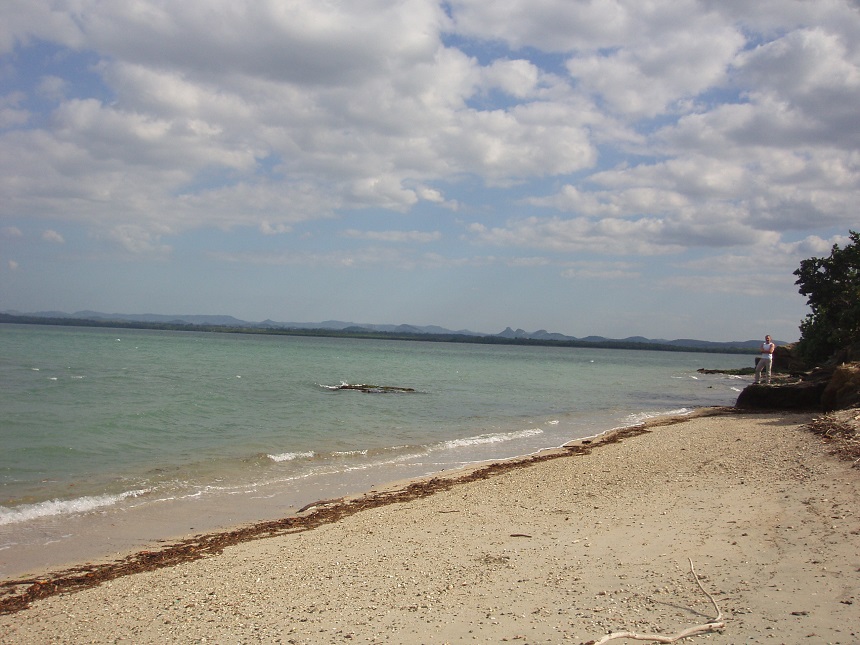
We drove up the Yaguajay Hill, through rough muddy roads. A large brook flowed there. We had a natural vantage point, from where we had an extensive view of the nearby Atlantic coastline. The first archaeologists explored this area in the 1930’s and discovered impressive evidences that indisputably established abundant aboriginal presence in the area. We could see the unearthed burial ground, with nearly two hundred burials, including a Caucasian along with domestic objects used to fish, hunt and cook stored and displayed. The place still vibrates with life.
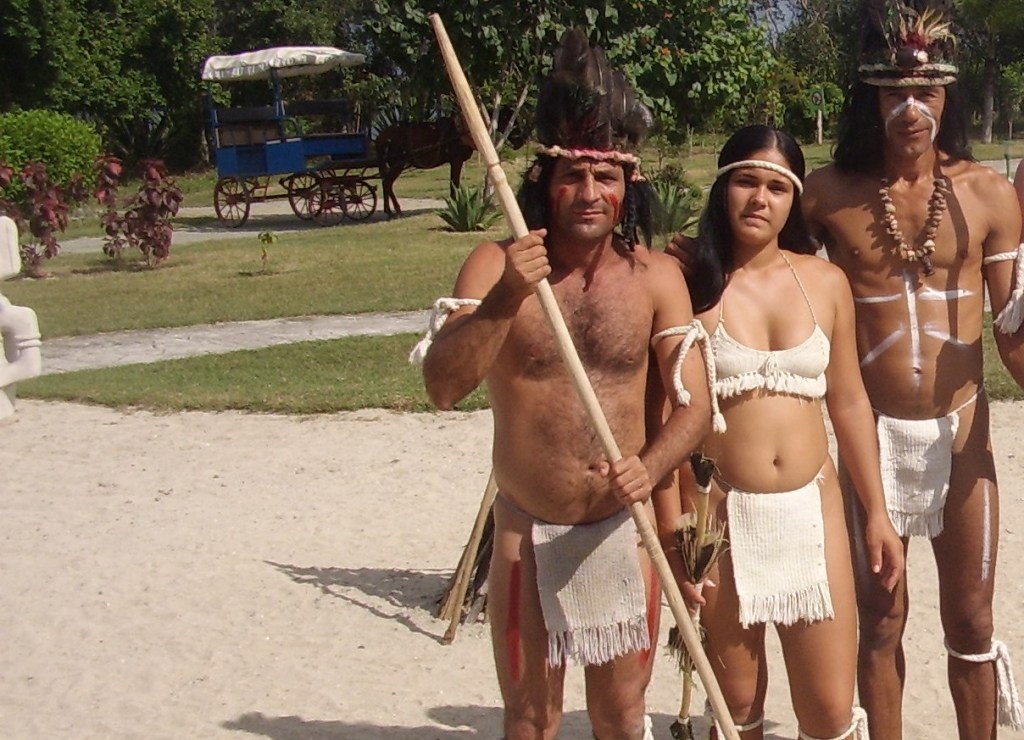
There is also Taino village preserved in its natural scale, with 38 human sculptures and a fairly accomplished setting of their caneyes (huts roofed with palm leaves), tools, kitchens, utensils and farmlands. Garments and beads recreate the atmosphere of a normal day in an Arawak household. The human sculptures show in detail face profiles and cranial malformations which showed the speed at which people had aged. We were also entertained by tribal dancers chaired by a lovely lady whose name I failed to remember.

Leave a comment