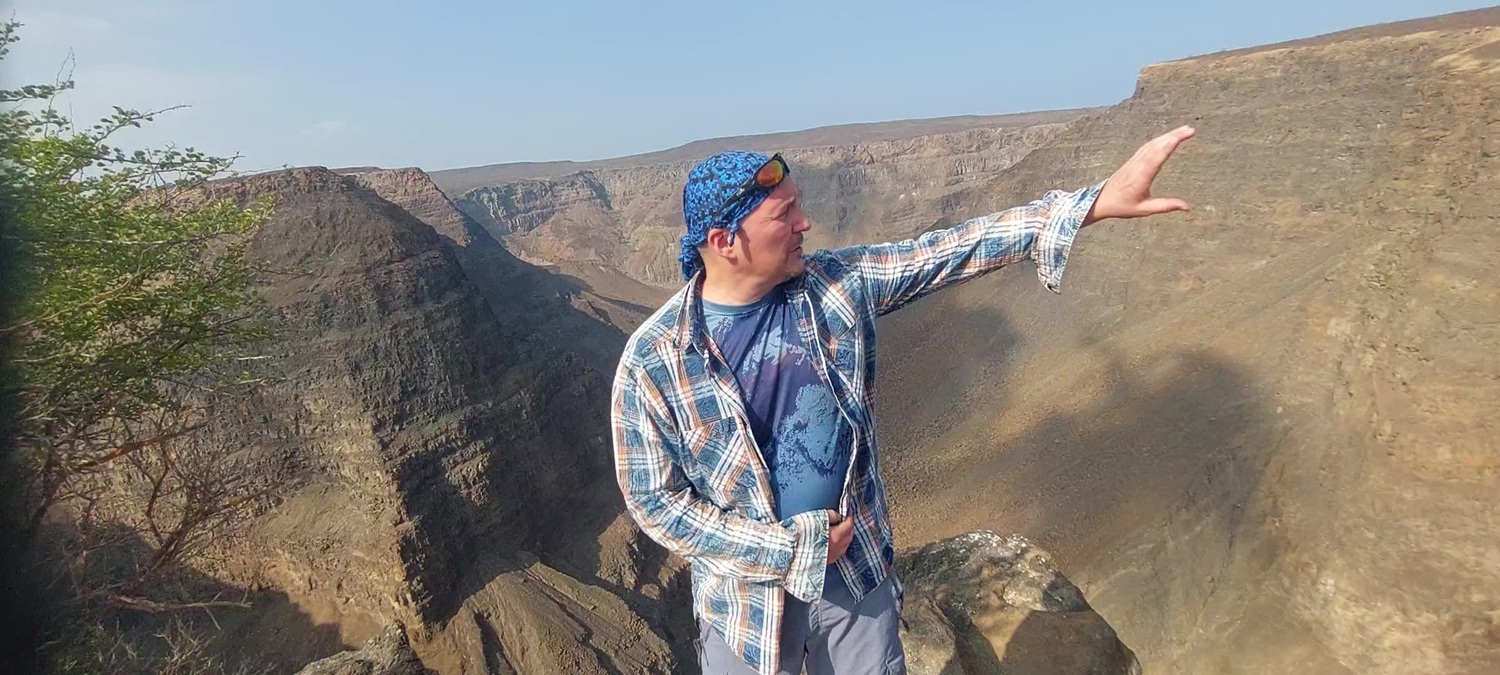
HOBART
Hobart Harbour, located in the heart of Tasmania’s capital city, has a rich history dating back to the early 19th century. The harbour has been an important place for the Palawa Aboriginal people for thousands of years, with evidence of shell middens and other cultural sites. Hobart Harbour played a significant role in the transportation of convicts to Tasmania, with many convict ships arriving in the harbour during the 19th century.
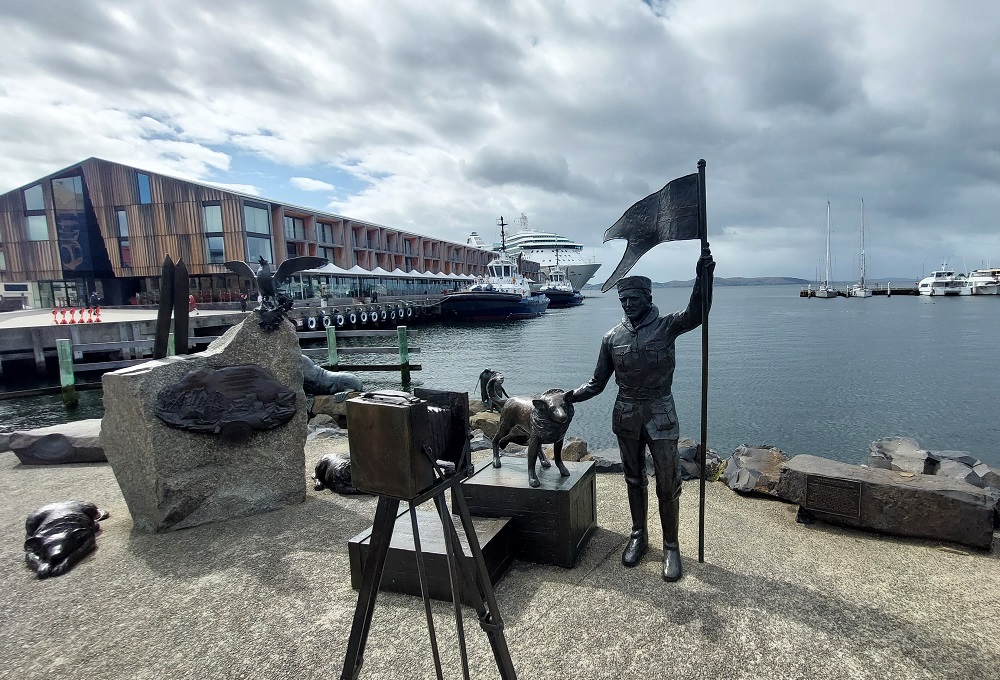
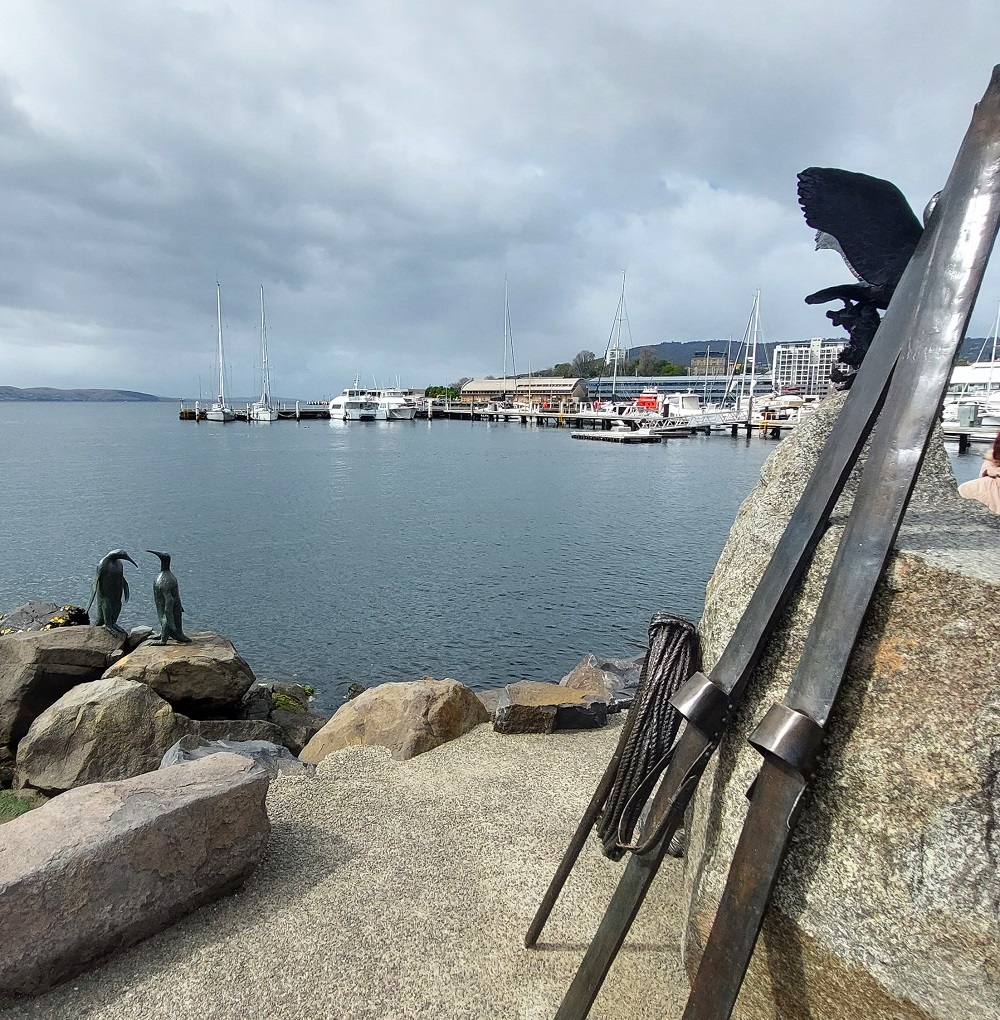
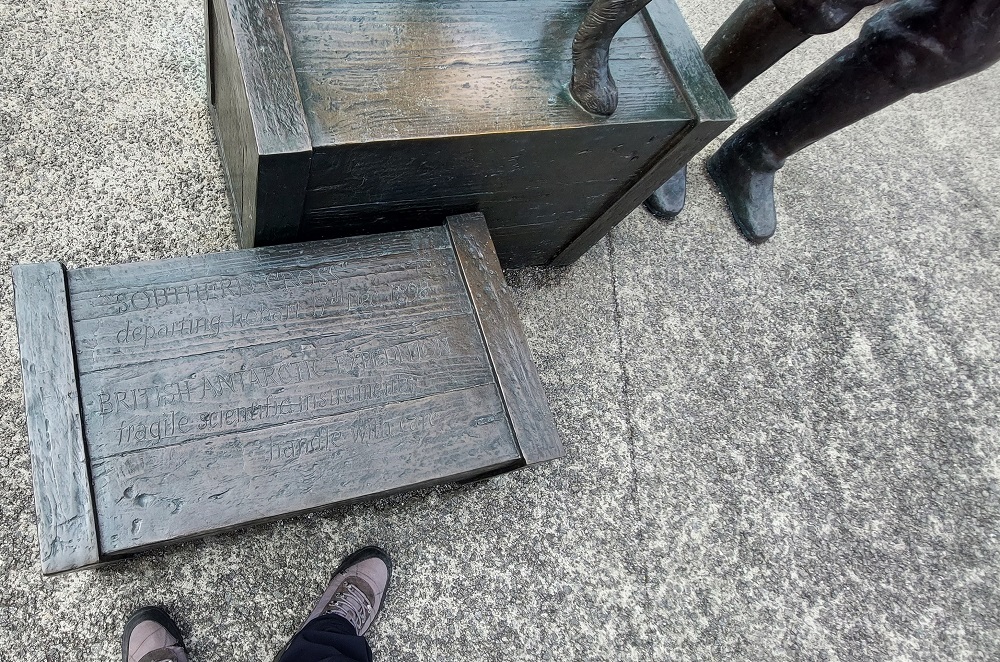
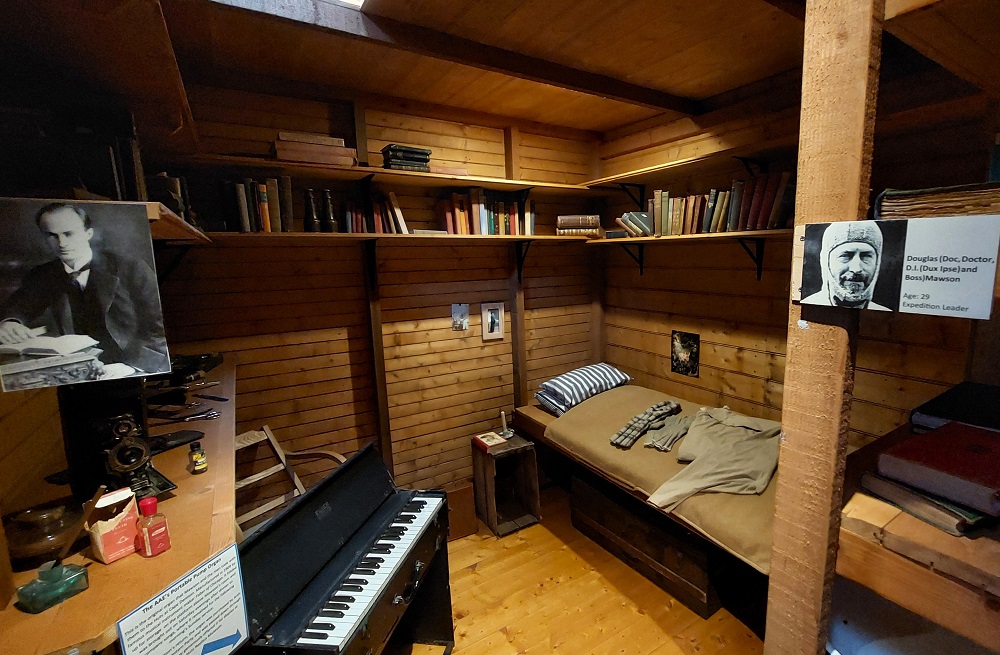
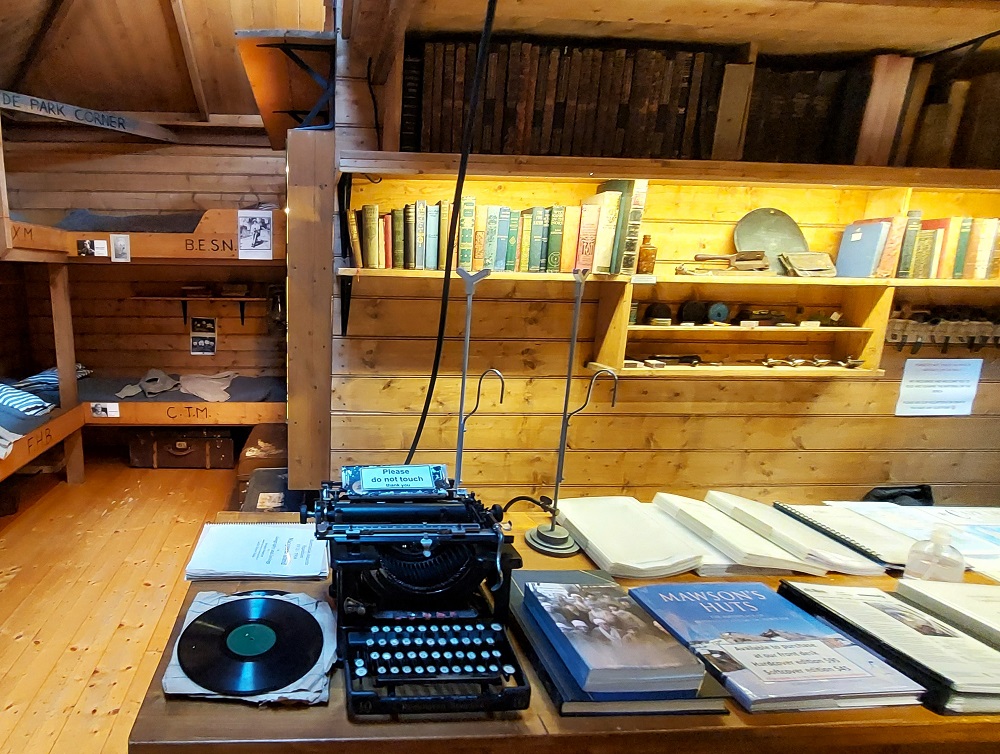
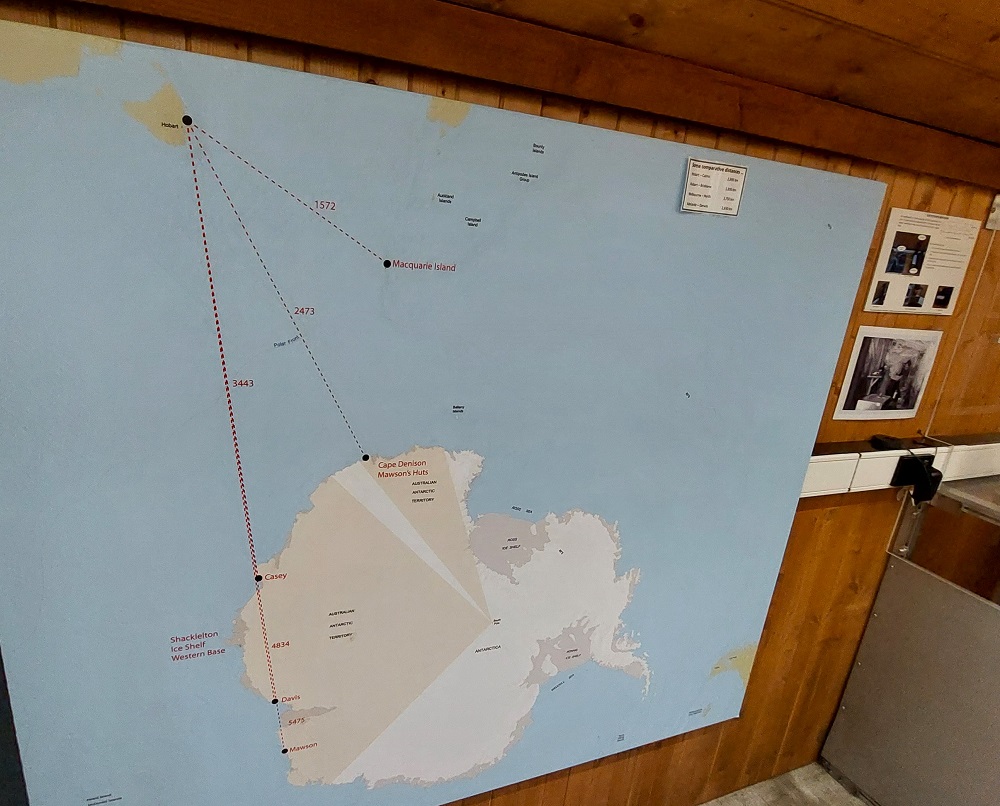
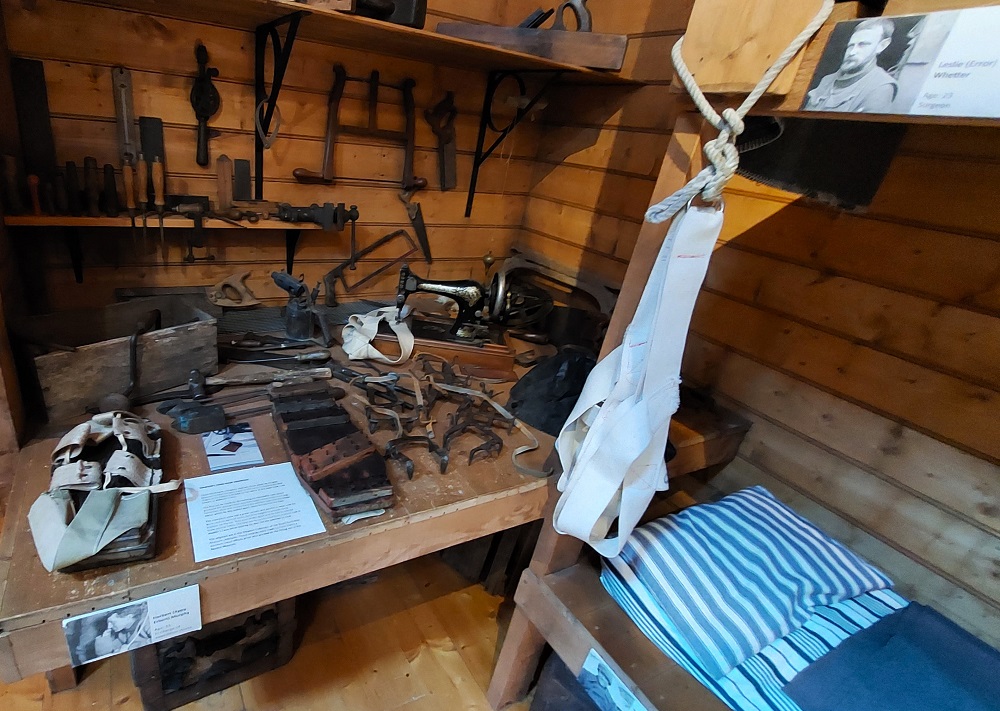
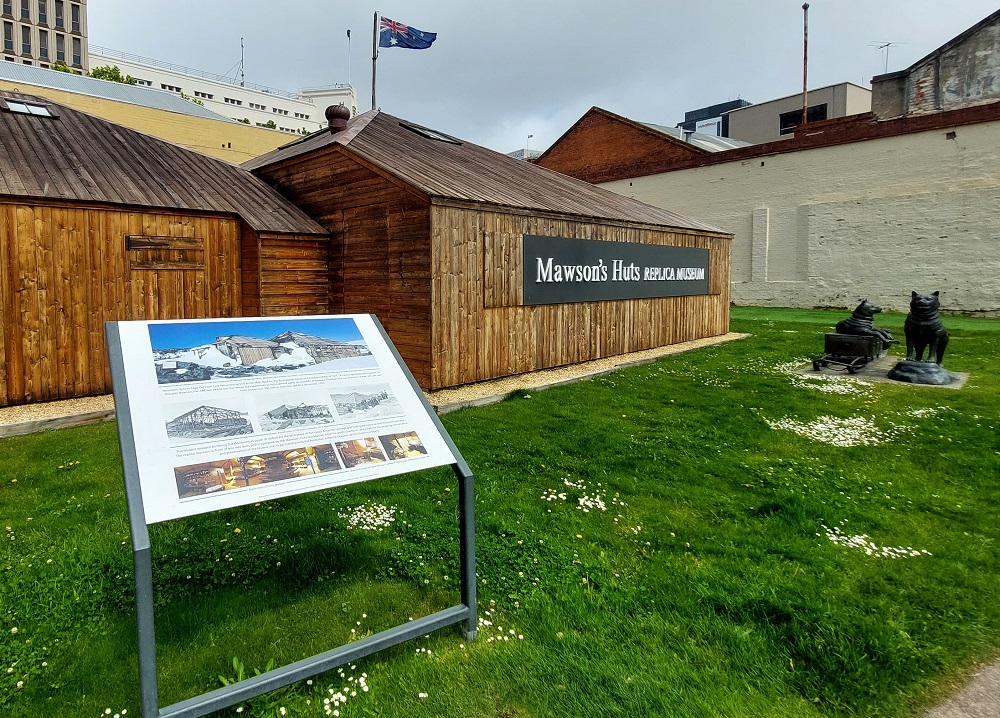
The Mawson’s Huts Replica Museum in Hobart, Tasmania, is a faithful recreation of the historic huts used by Sir Douglas Mawson’s Australasian Antarctic Expedition (AAE) team in 1911-1914. Located on the waterfront, near Constitution Dock, the replica museum showcases the ingenuity and resilience of the 18 men who braved the extreme conditions of Antarctica.
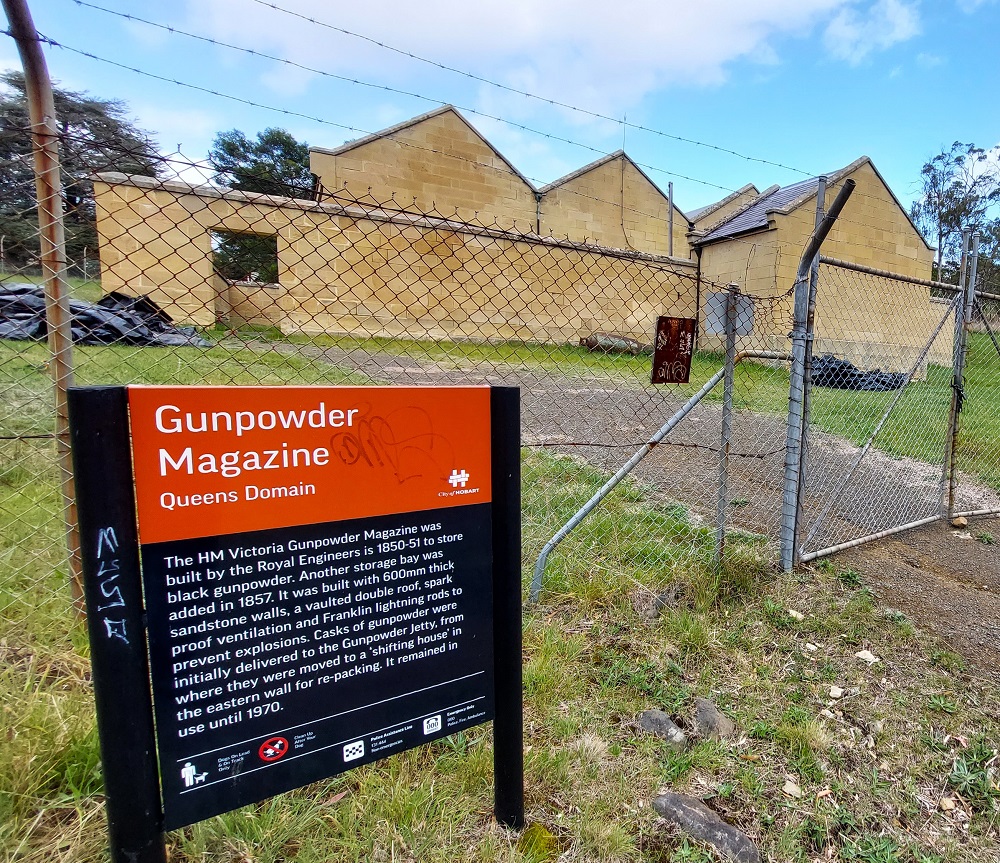
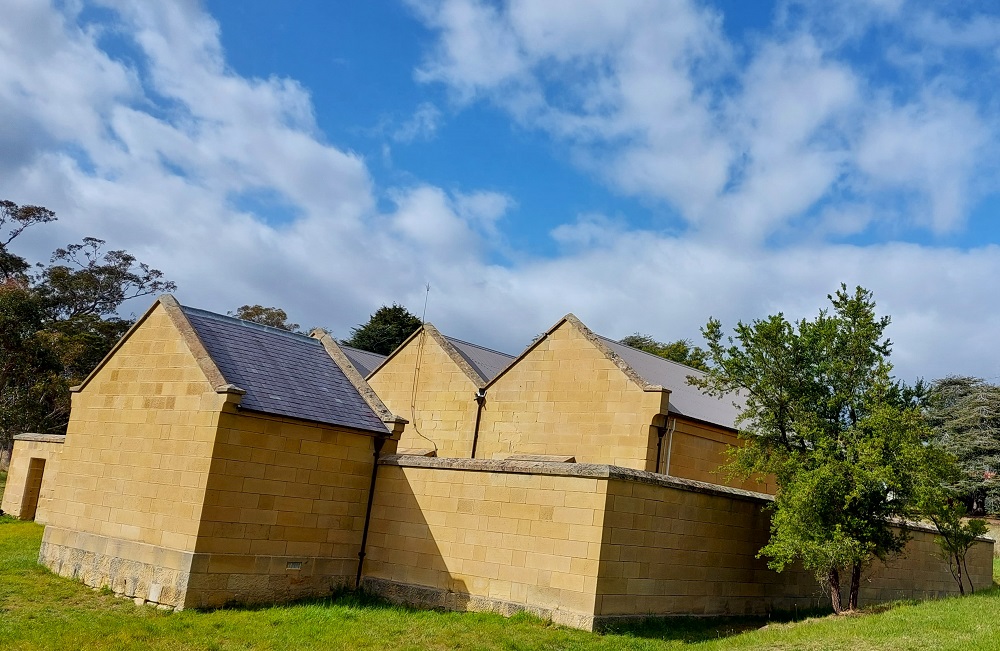
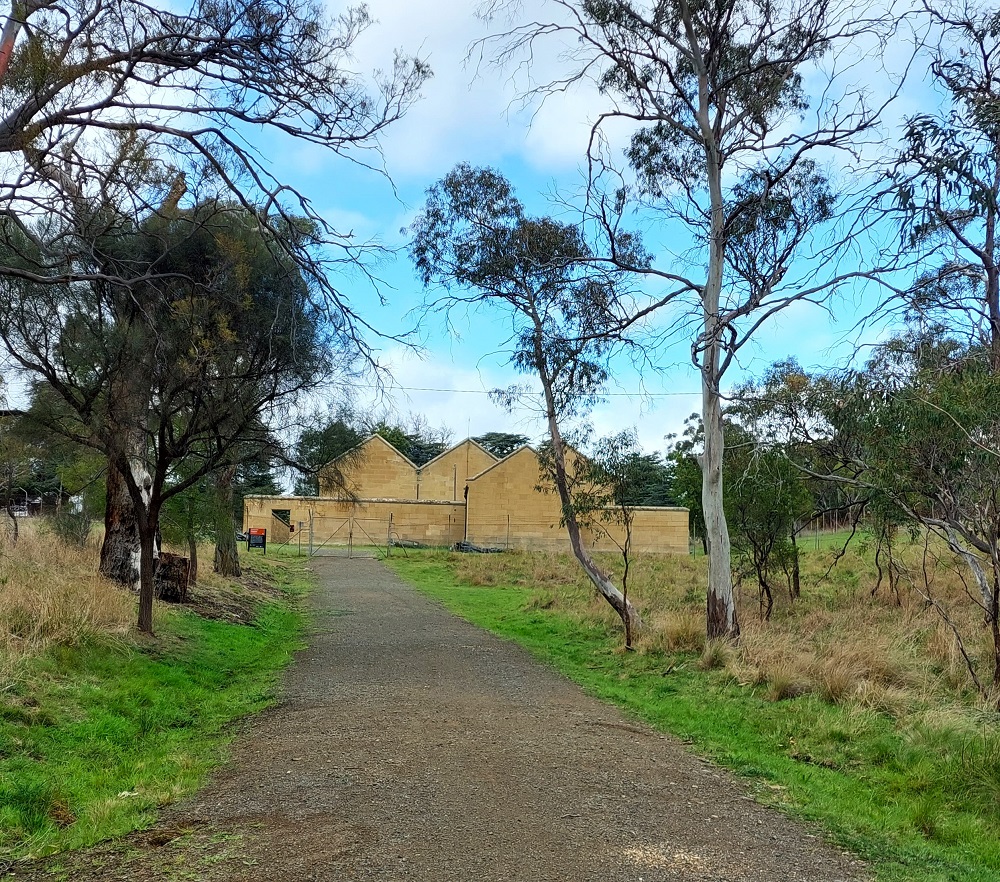
The Queen Victoria Gunpowder Magazine, located in the Queen’s Domain, Tasmania, has a rich history dating back to 1851. Built in 1850-51 by the Royal Engineers as a secure storage facility for gunpowder, with an additional bay added in 1857. erved as Hobart’s main gunpowder storage facility until 1970, storing up to 2000 barrels of black powder for military and quarrying purposes.
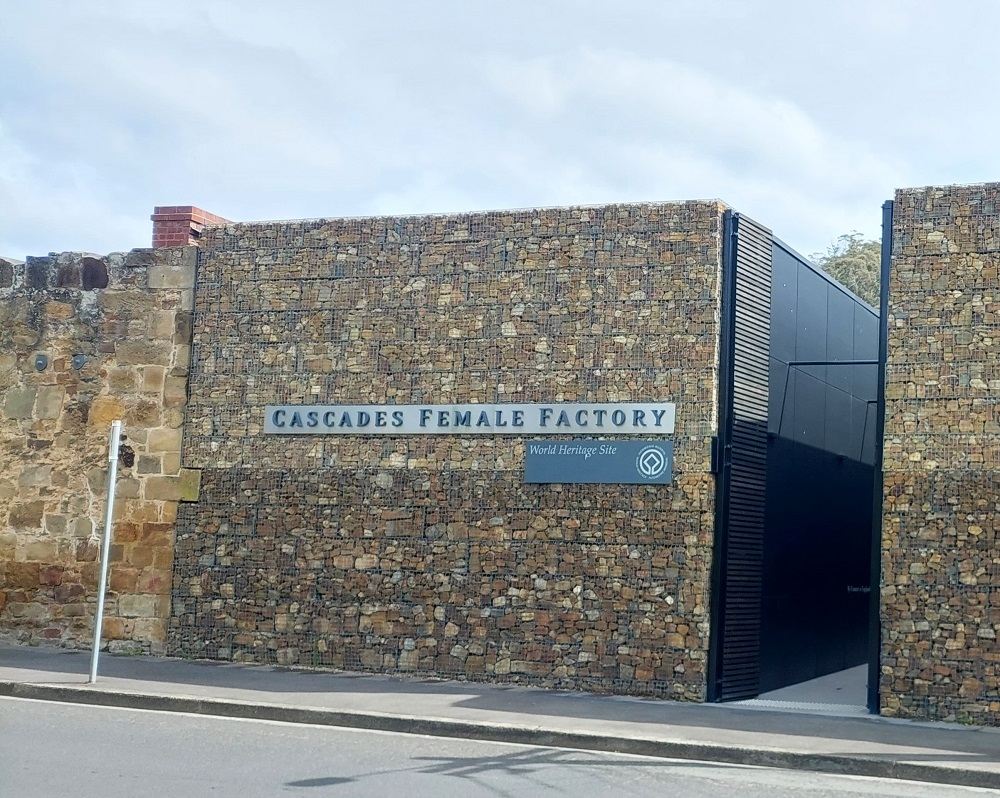
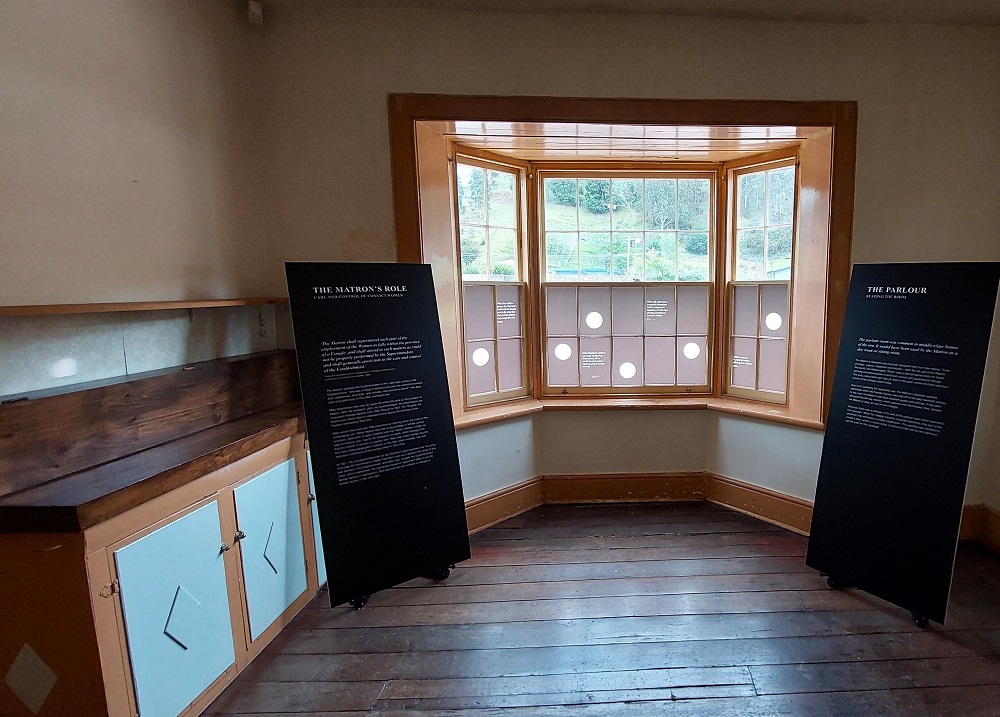
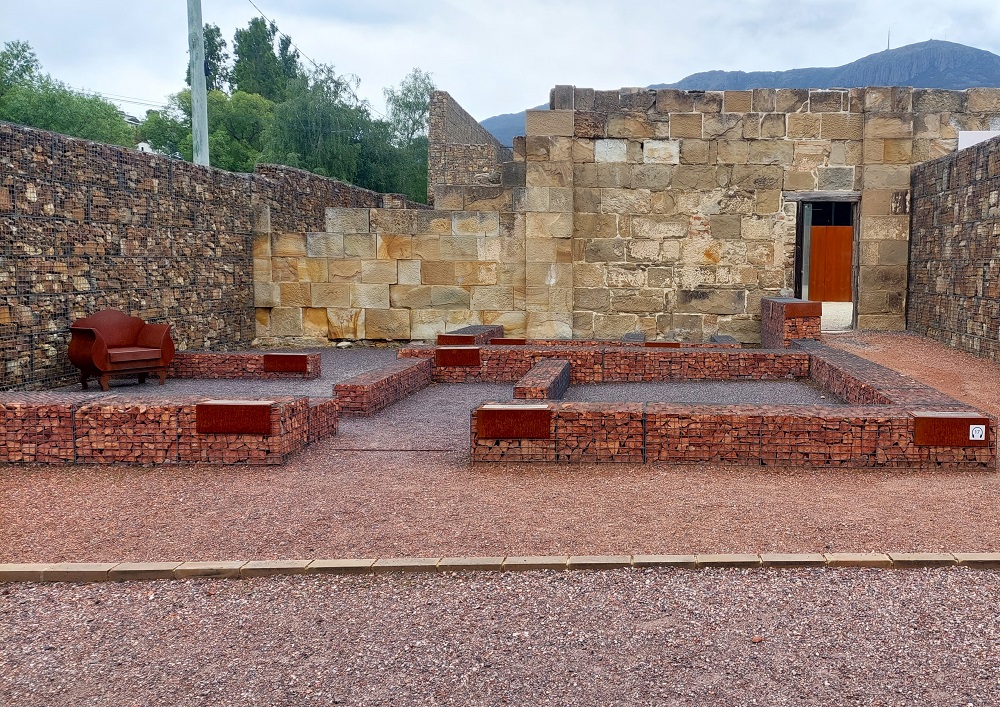
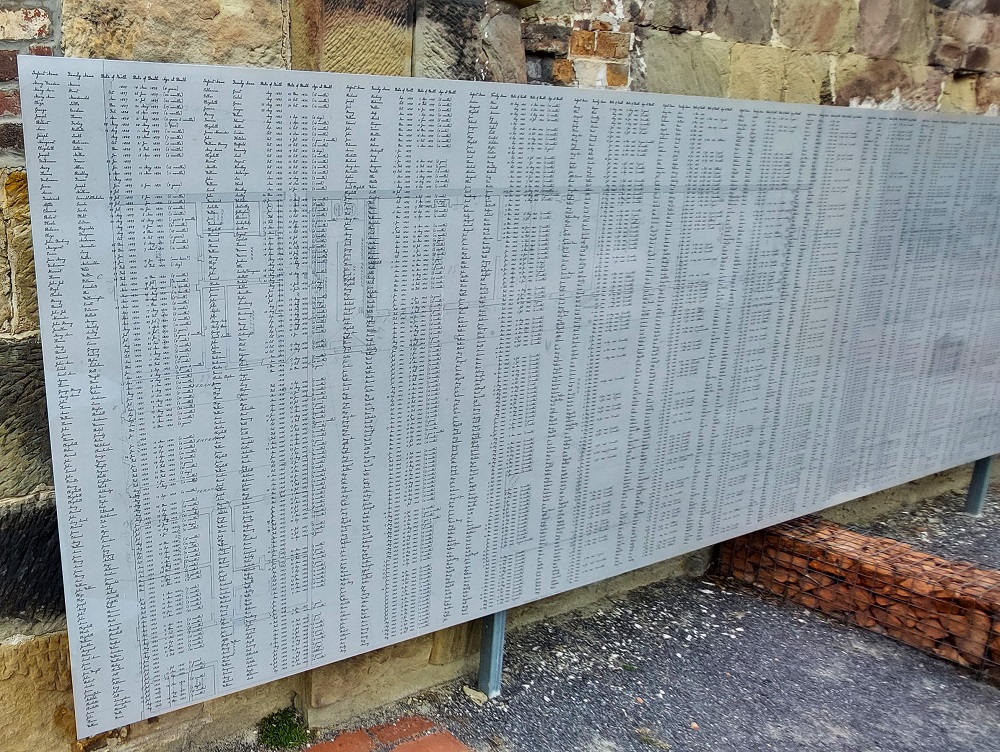
The Cascades Female Factory in Tasmania is a historic site that operated as a workhouse for female convicts from 1828 to 1856. Governor George Arthur purchased the site in 1827 and established the factory to house female convicts, aiming to remove them from negative influences in Hobart and protect society from perceived immorality. The factory held up to 700 female convicts and their children, although it was often overcrowded, with reports of holding over 1,200 women and children at its peak.
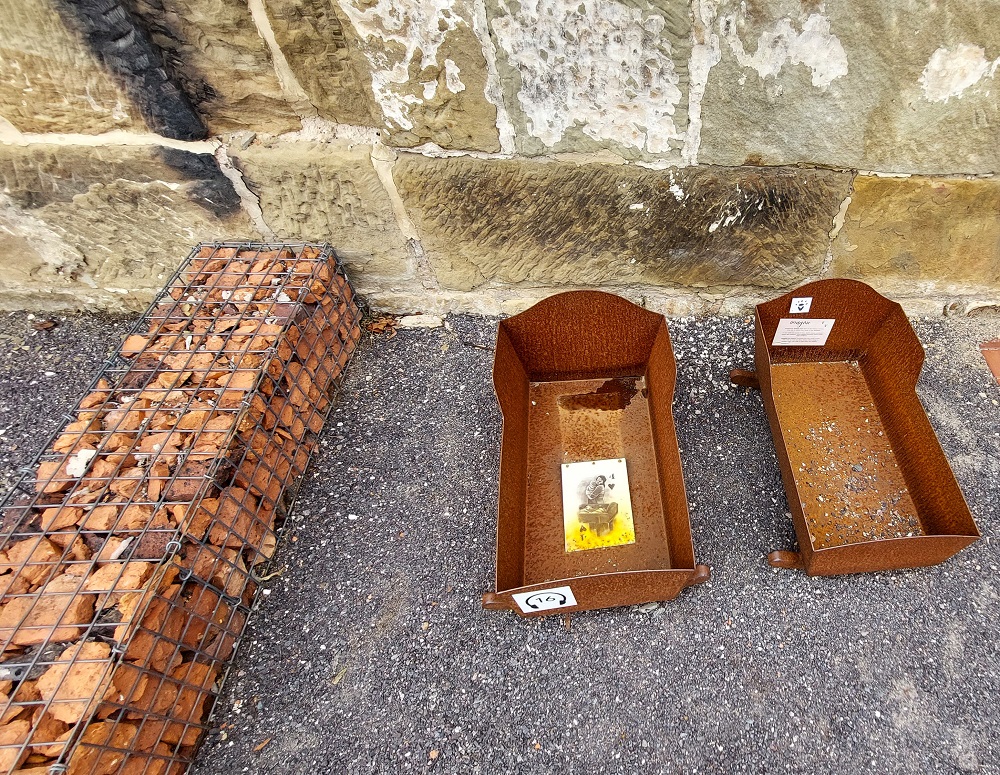
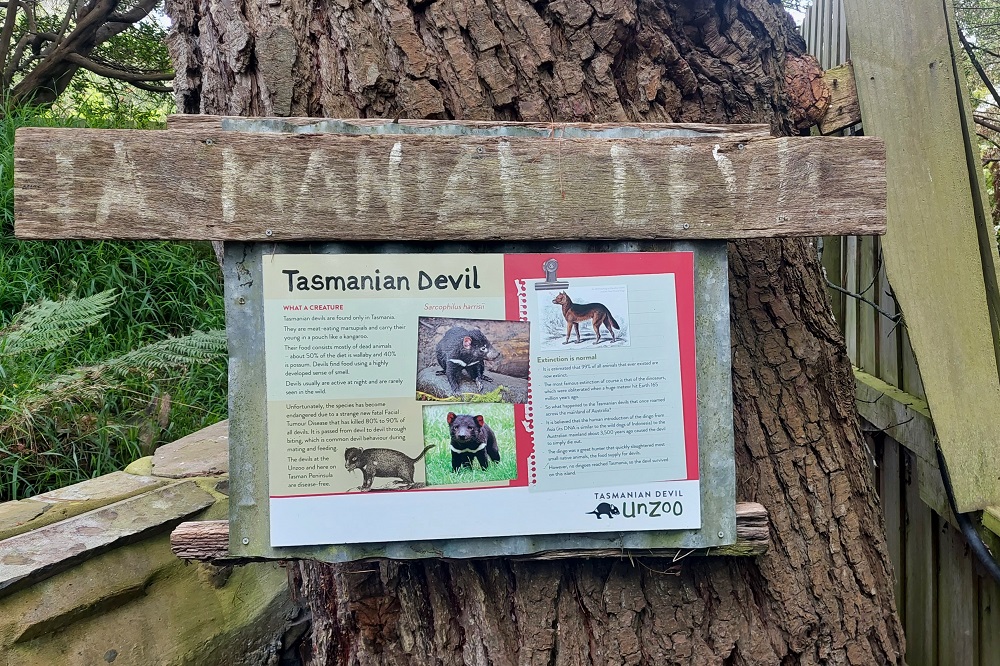
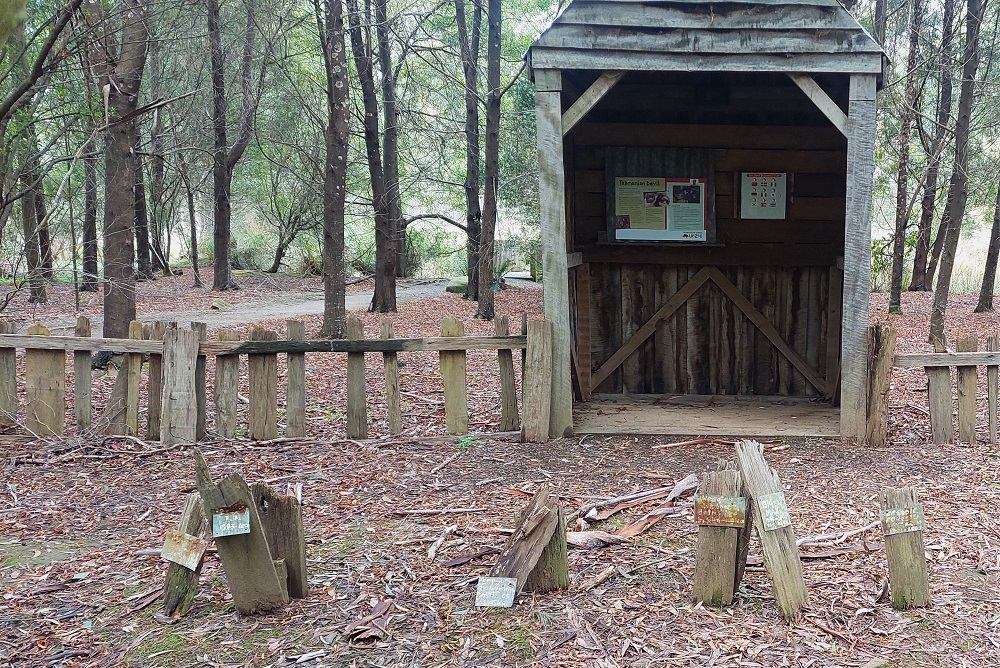
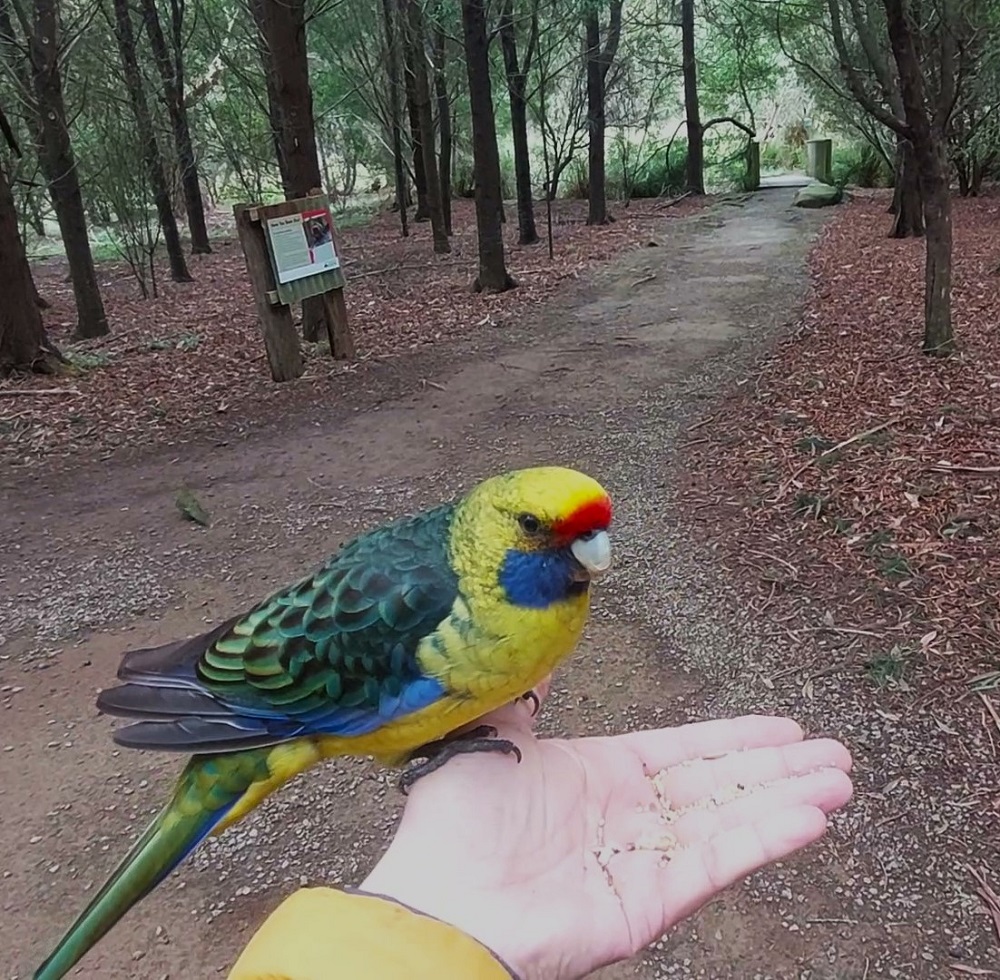
The Tasmanian Devil Unzoo is a unique wildlife experience located in Taranna, Tasmania, about an hour’s drive from Hobart. This innovative “unzoo” showcases native Tasmanian animals in a natural setting without cages or barriers, promoting conservation and education. Encounter Tasmanian devils, Forester kangaroos, red-necked wallabies, eastern quolls, and various bird species like Cape Barren geese, rosellas, and honeyeaters.
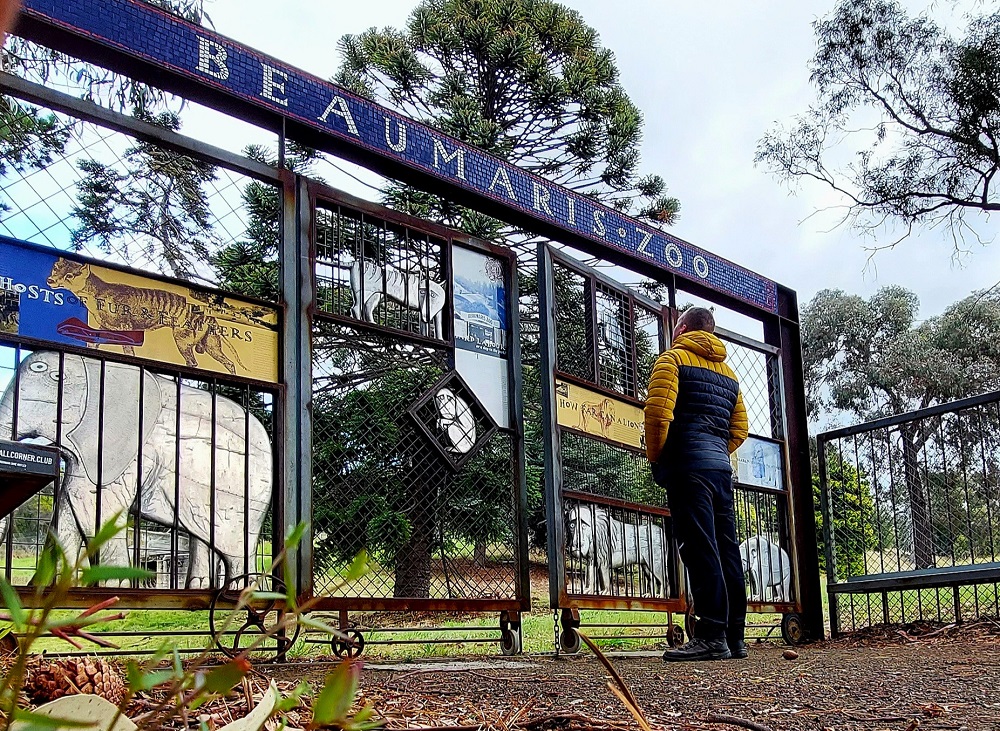
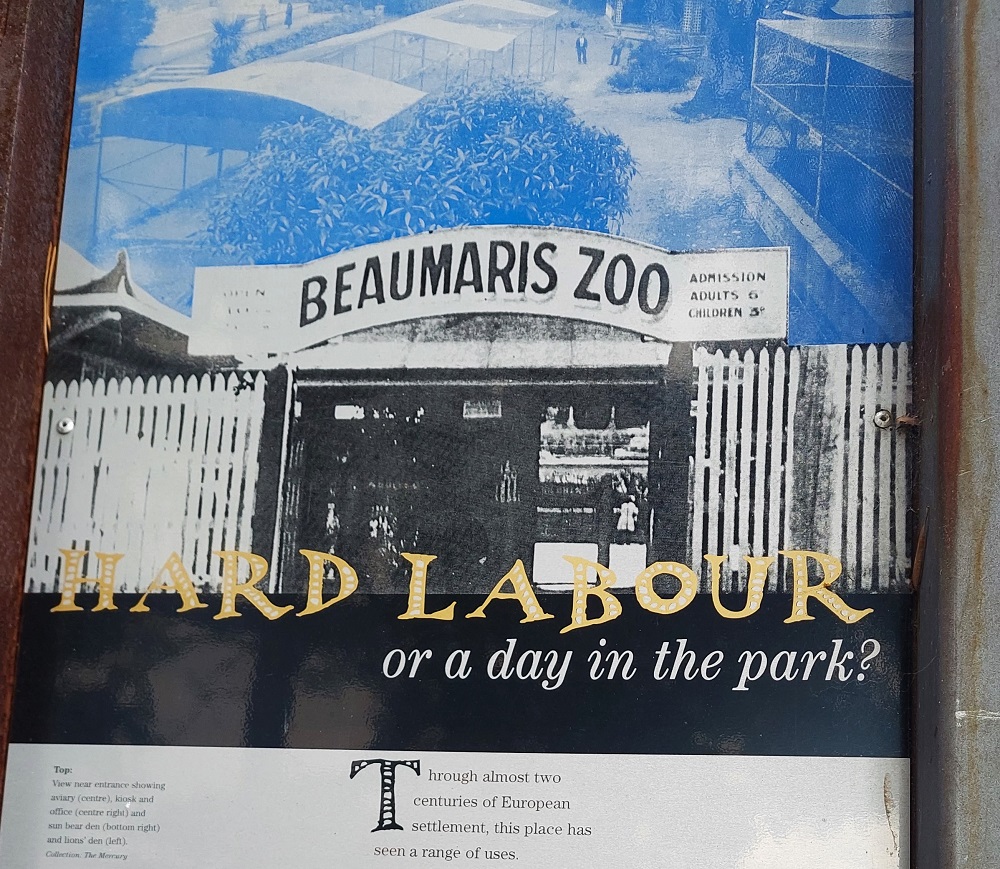
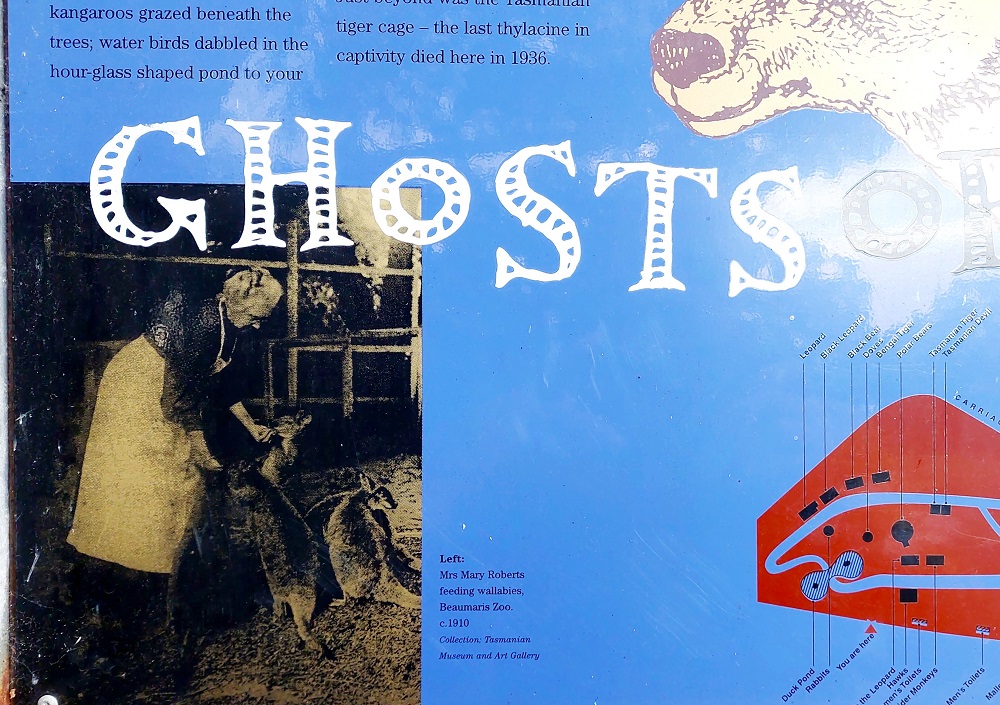
Beaumaris Zoo, also known as Hobart Zoo, has a rich history dating back to 1895. Beaumaris Zoo is most famous for being home to the last known living thylacine (Tasmanian tiger), which died in 1936 due to suspected neglect. A colorful gate installed in 2000 commemorates the zoo’s history and features sculptures of thylacines.
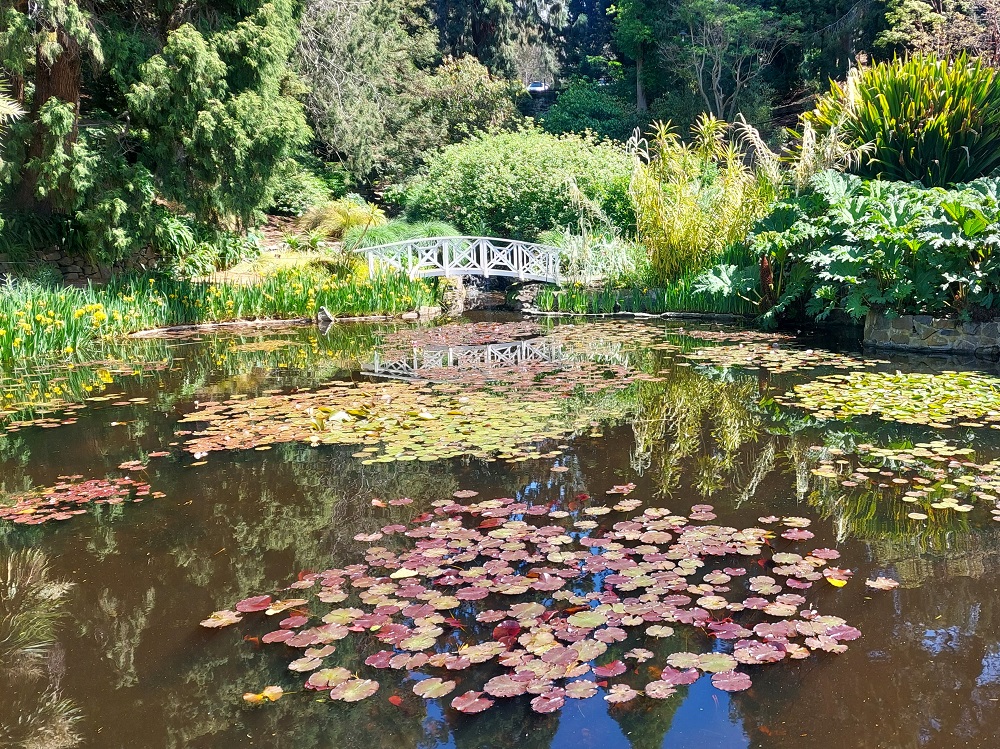
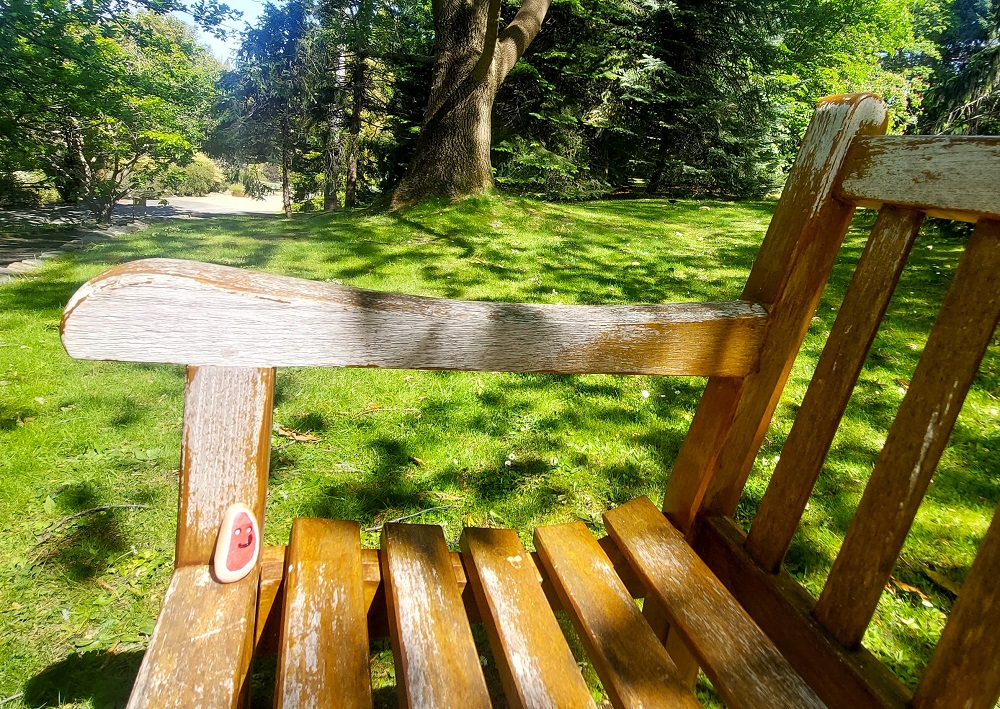
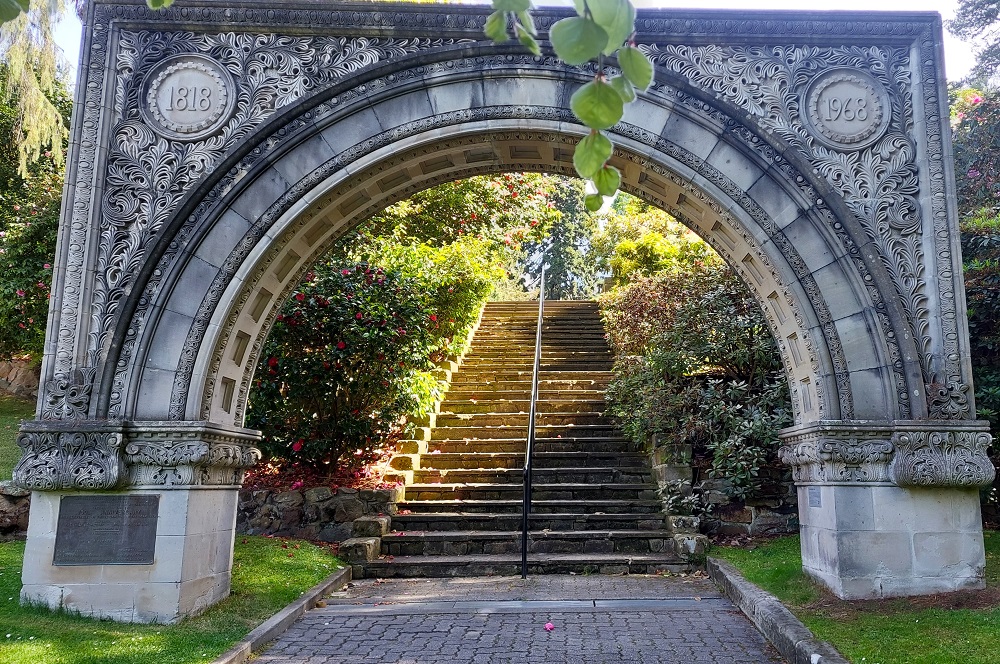
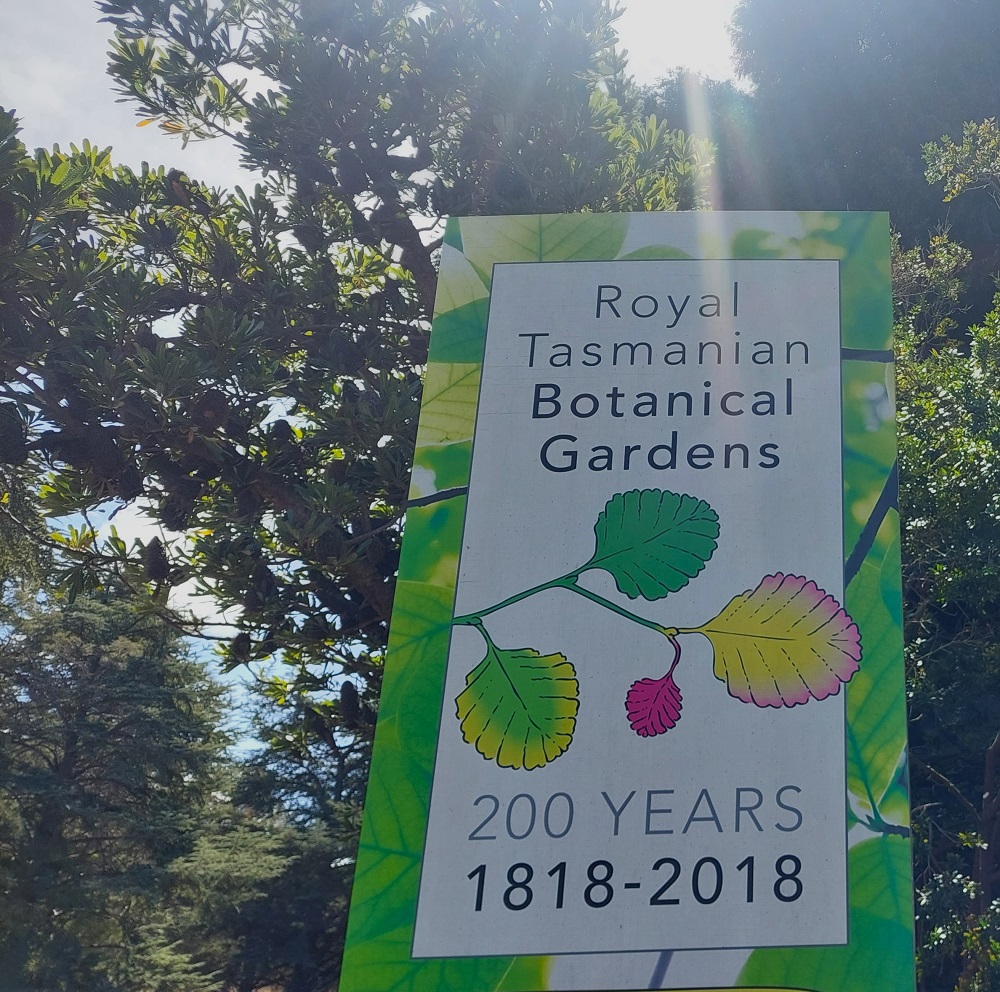
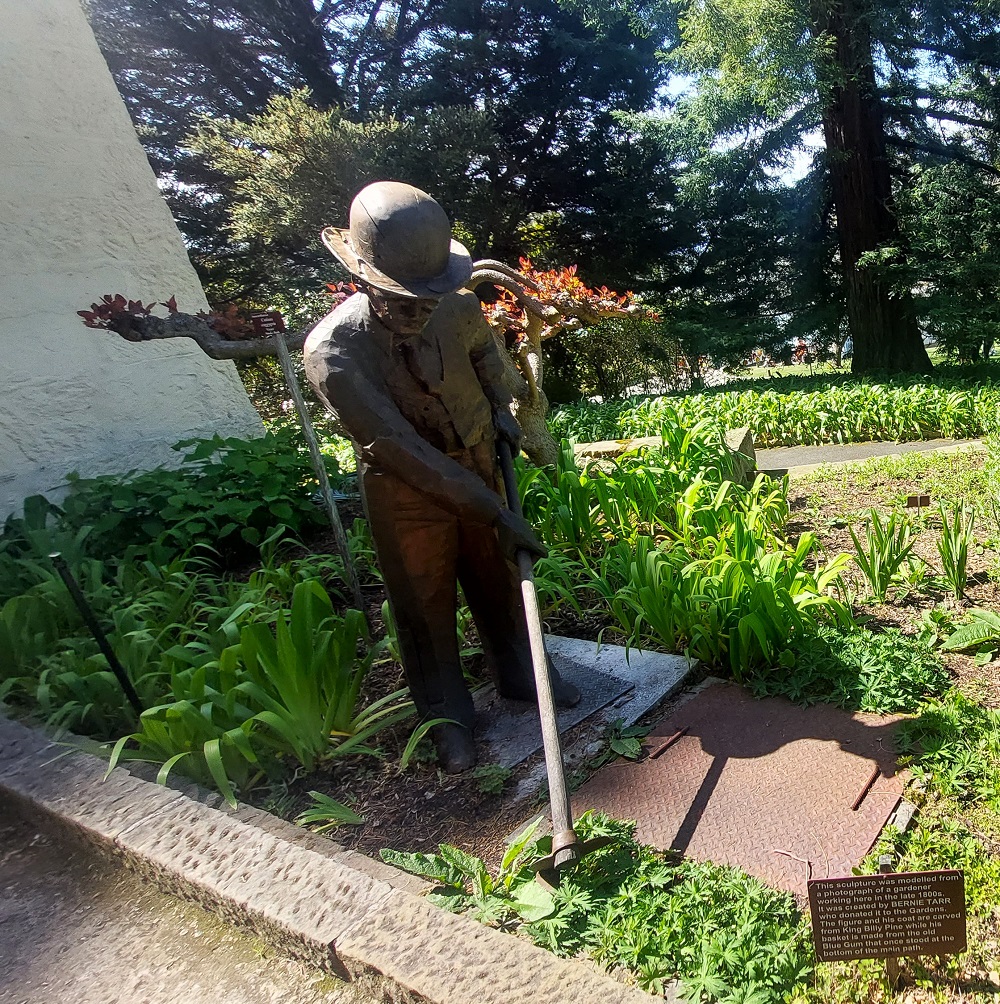
The Royal Tasmanian Botanical Gardens is a 14-hectare botanical garden located in Hobart, Tasmania,
within the Queen’s Domain. Established in 1818, it’s the second-oldest botanical garden in Australia.
PORT ARTHUR
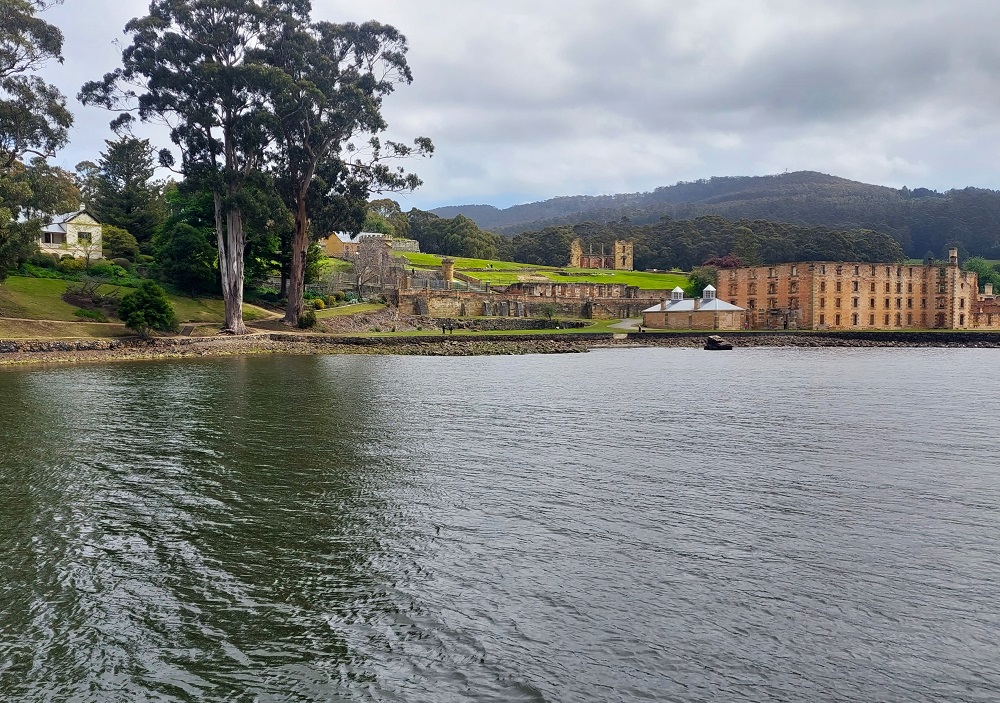
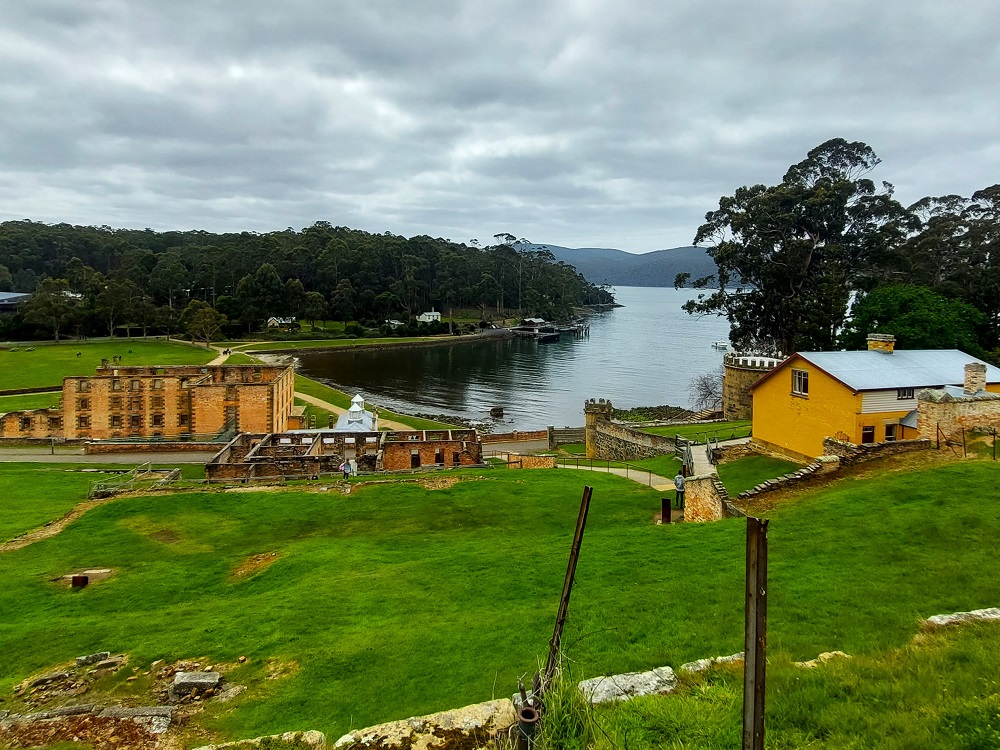
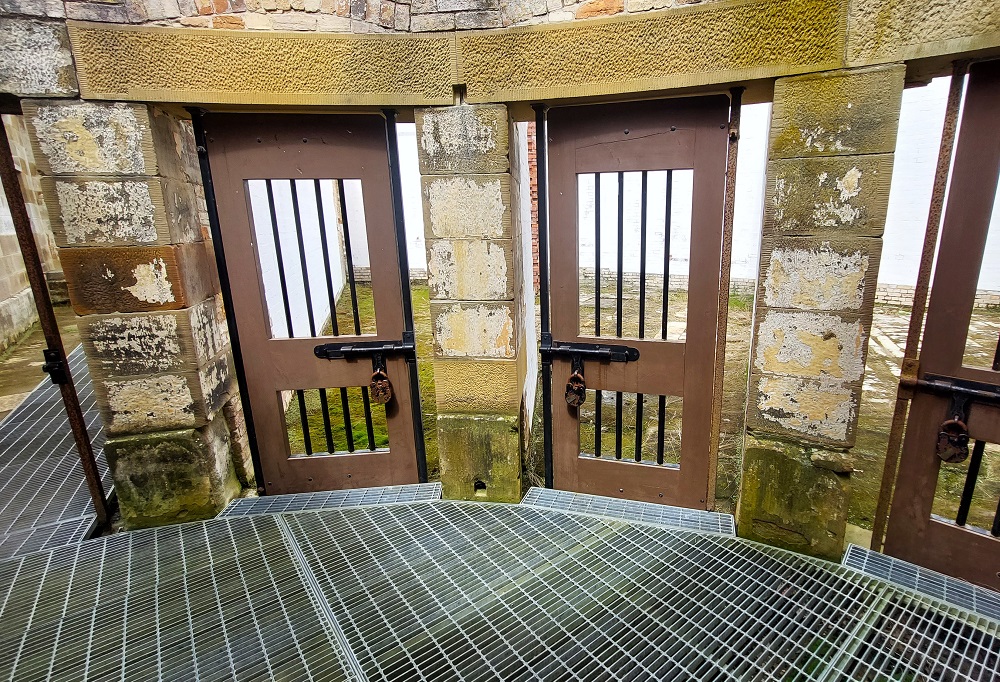
The Port Arthur Historic Site, located on the Tasman Peninsula in Tasmania, is a window into Australia’s convict history. Established in 1830, the site was a key location for convicts in Tasmania, with its isolation and harsh conditions making it an ideal place for secondary punishment. The site was named after Sir George Arthur, the Lieutenant Governor of Van Diemen’s Land (now Tasmania), who played a significant role in shaping the convict system.
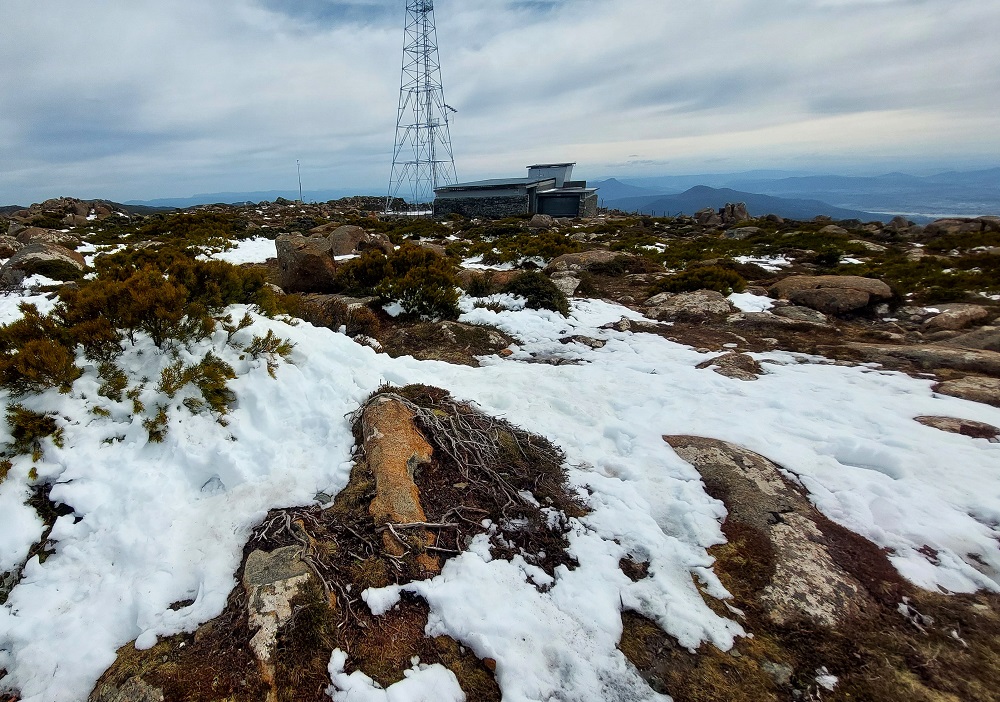
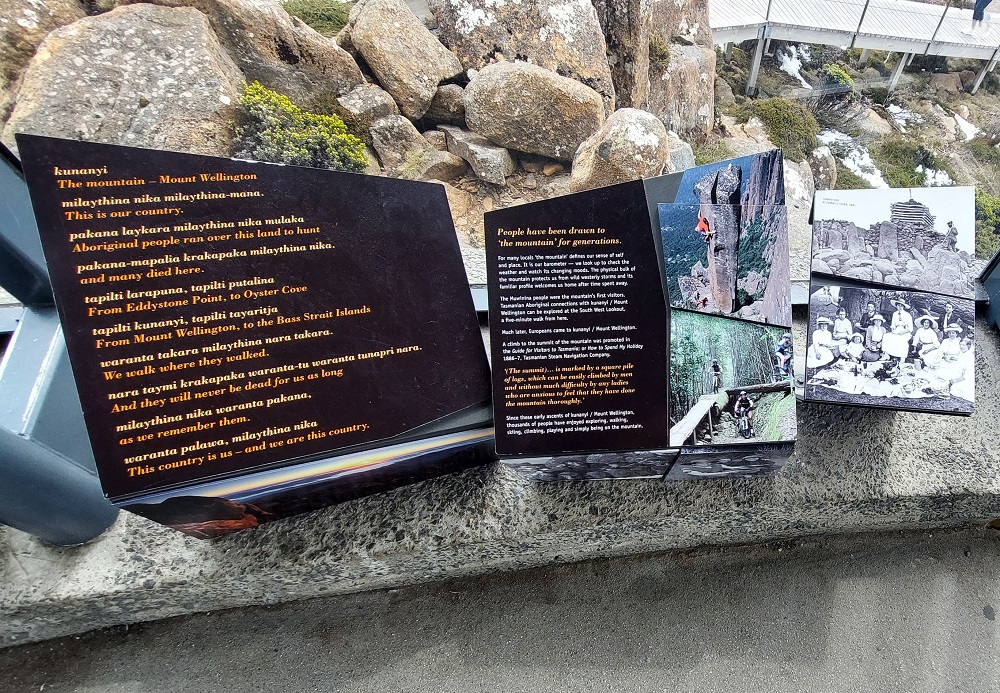
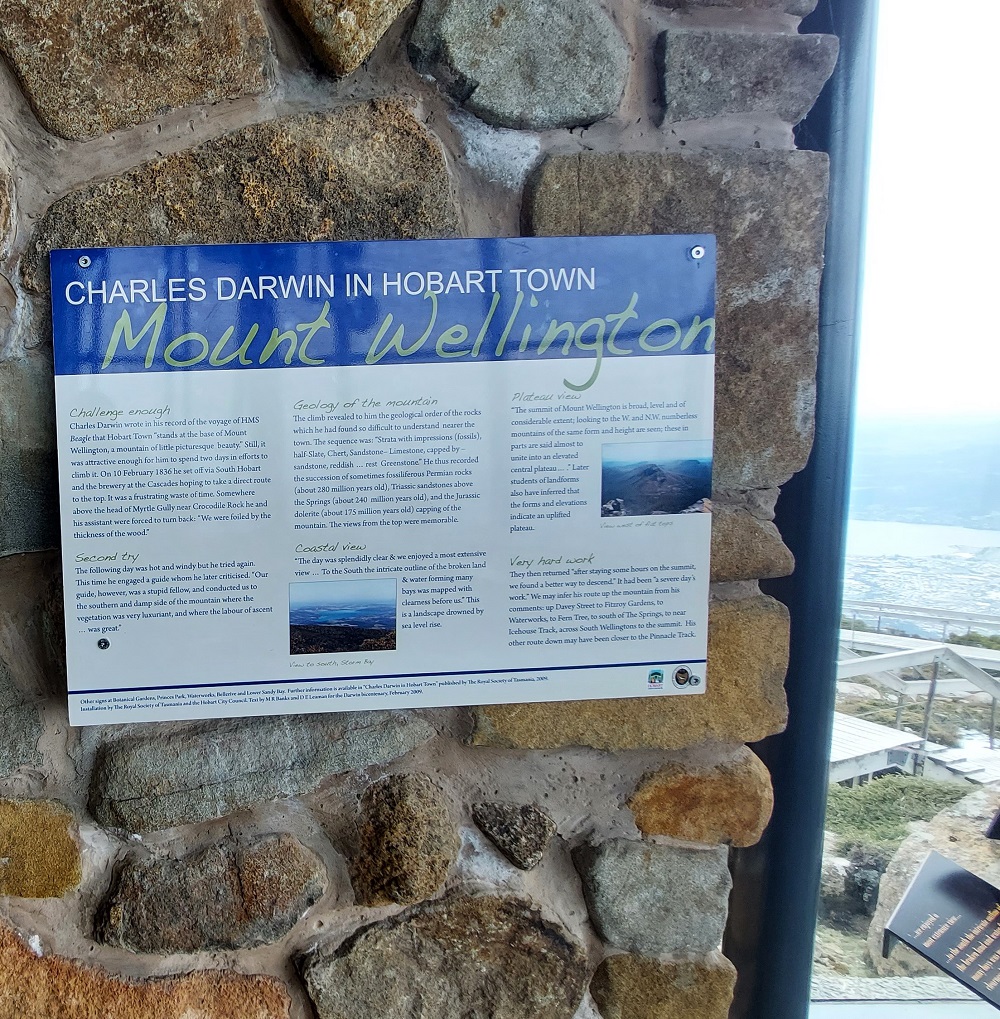
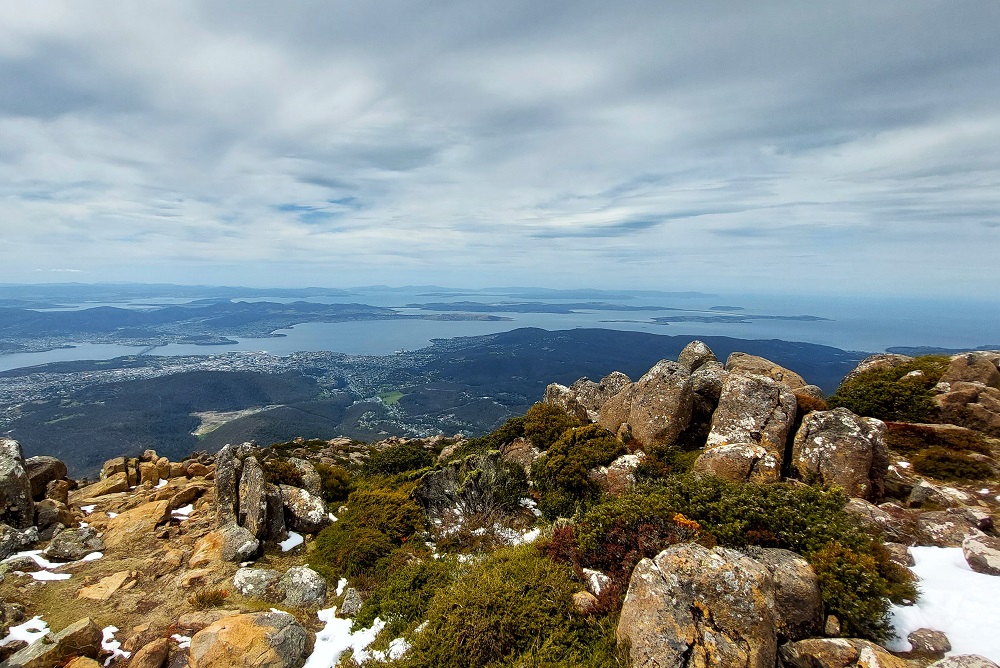
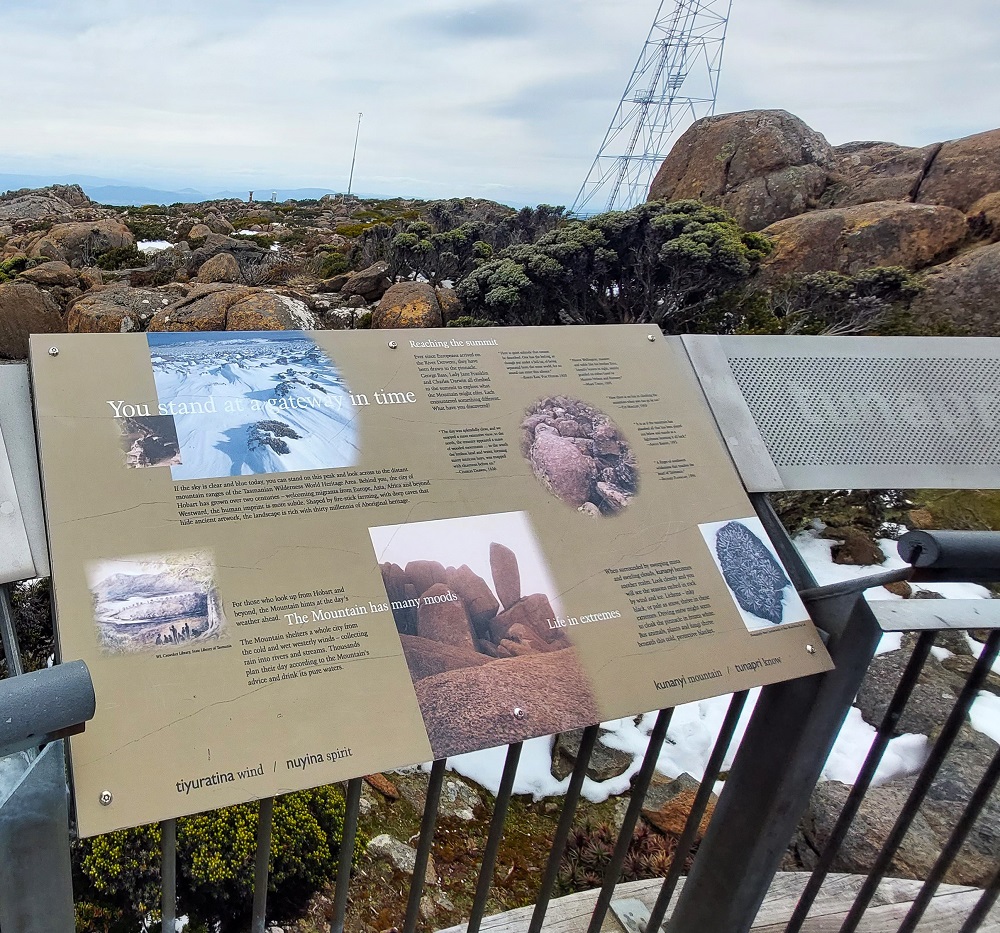
Mount Wellington, also known as kunanyi (pronounced koo-nah-nee), is a prominent mountain located near Hobart, Tasmania. The mountain has a dual name, reflecting both its European and Aboriginal heritage. The name “kunanyi” comes from the Mouheneener language, meaning “multiple peaks”. The mountain holds significant cultural and spiritual importance for the Palawa Aboriginal people.
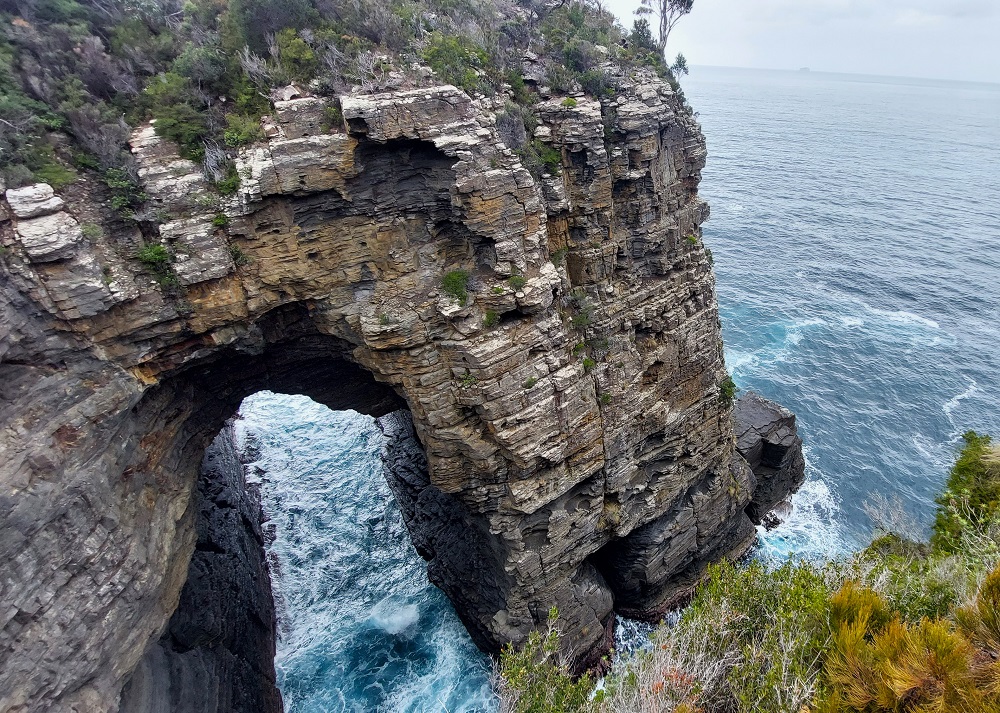
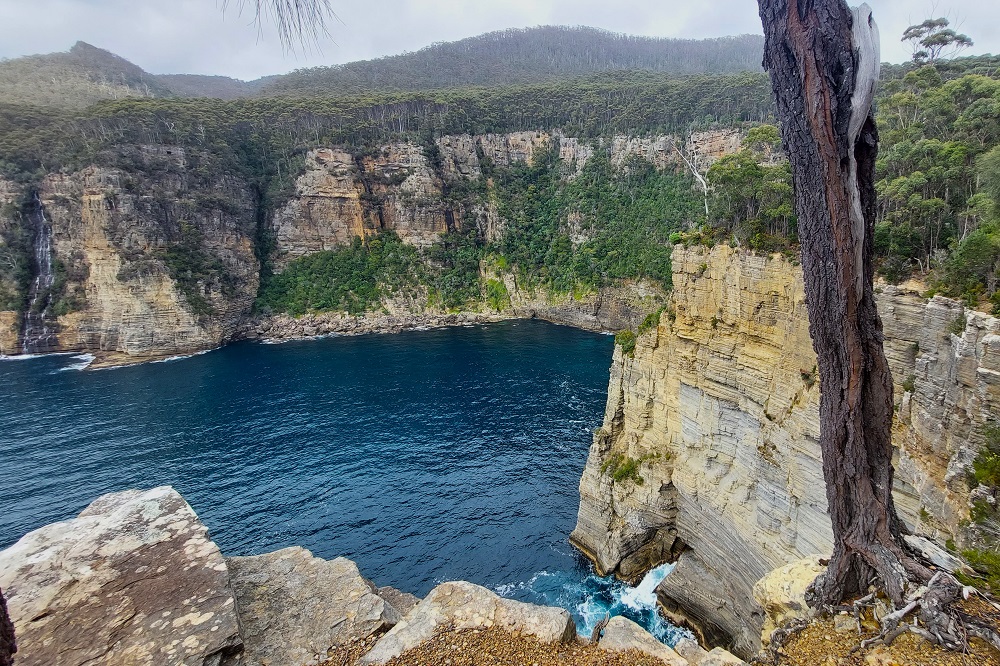
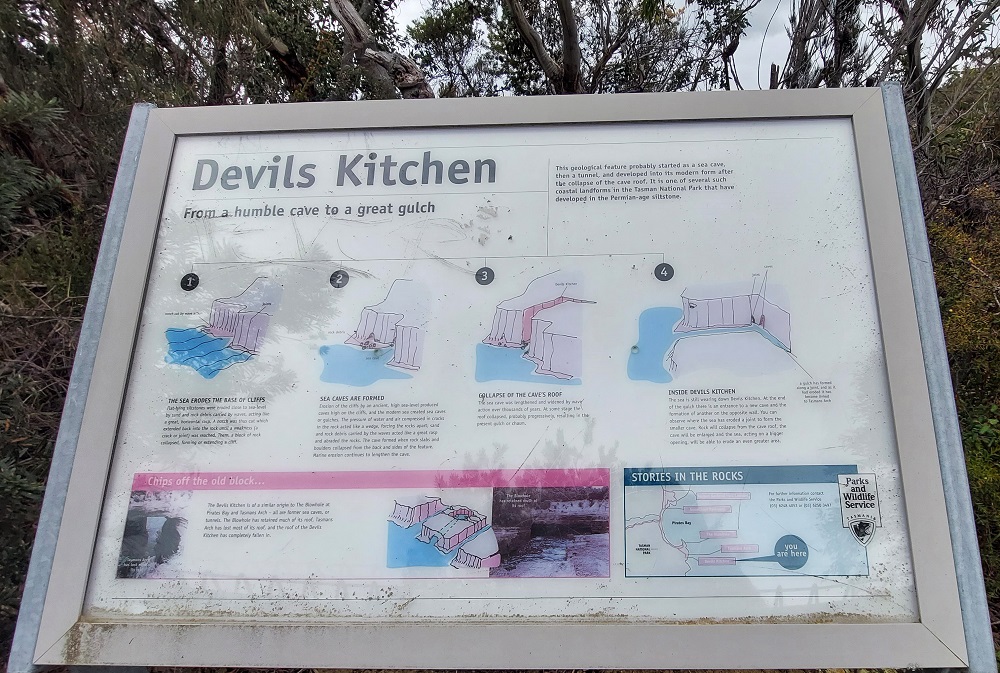
Devil’s Kitchen is a deep trench carved out by the crashing waves of the Tasman Sea, formed from millions of years of erosion. It started as a small cave that gradually eroded into a narrow, tall gap with steep cliffs. There are two theories about how Devil’s Kitchen got its name. One theory suggests it’s due to the high number of sharks in the area that preyed on sea lions and seals, while the other theory claims pirates abandoned bodies there that were eaten by Tasmanian devils.
 Frog on the border