Burlington was the starting point of my 2003 trip. There is a bus station connecting other major cities, such as Boston, my first leg of the trip. It is also a beautiful spot by Lake Champlain. Further north is the Canadian border. I used to hang out with work colleagues from the Ski Family Resort- Smugglers Notch in Jeffersonville, a Fantastic experience with amazing people. We had an 8seat van at our disposal and free evenings. We would organize weekend escapades to local markets, festivals, concerts, etc. The Resort was surrounded by forests, hills, brooks, lakes. Some celebrities owned cottages there, including the late Christopher “Superman” Reeve. In winter it becomes a popular destination for ski and snowboard fanatics. Vermont is a U.S. state in the New England region, bordering Massachusetts to the south and the Canadian province of Quebec to the north. Montpellier is the capital.
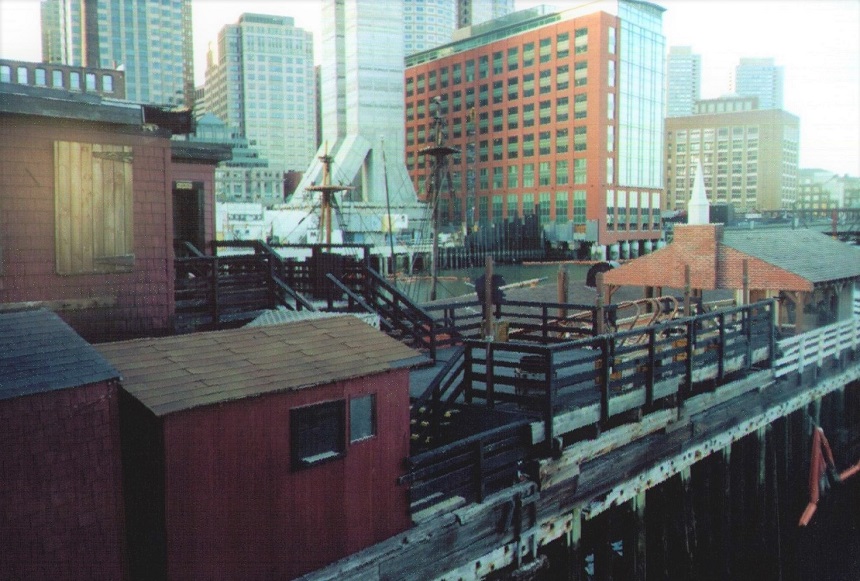
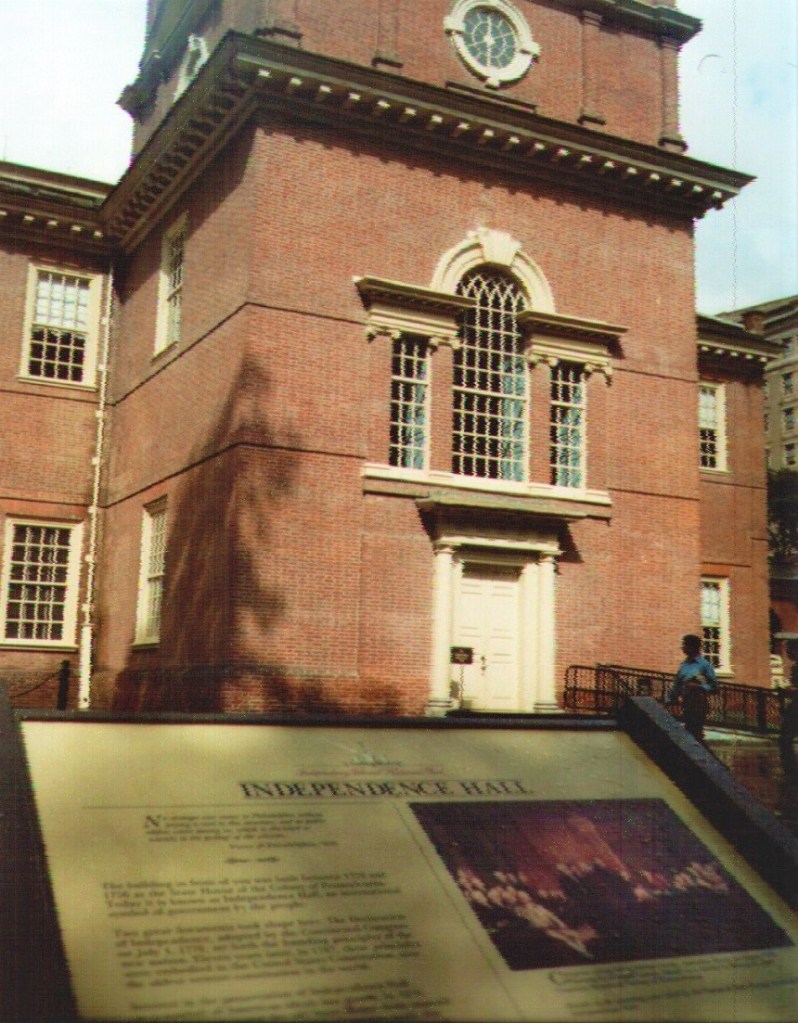
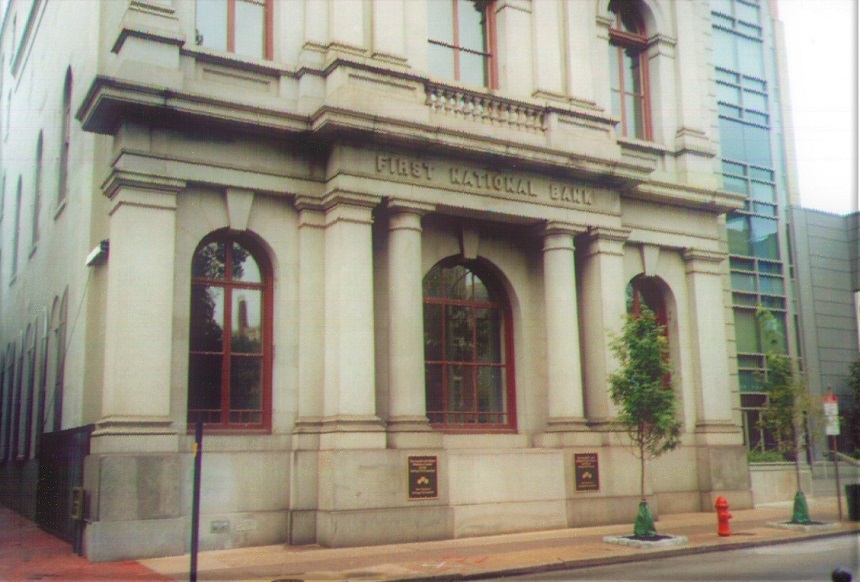
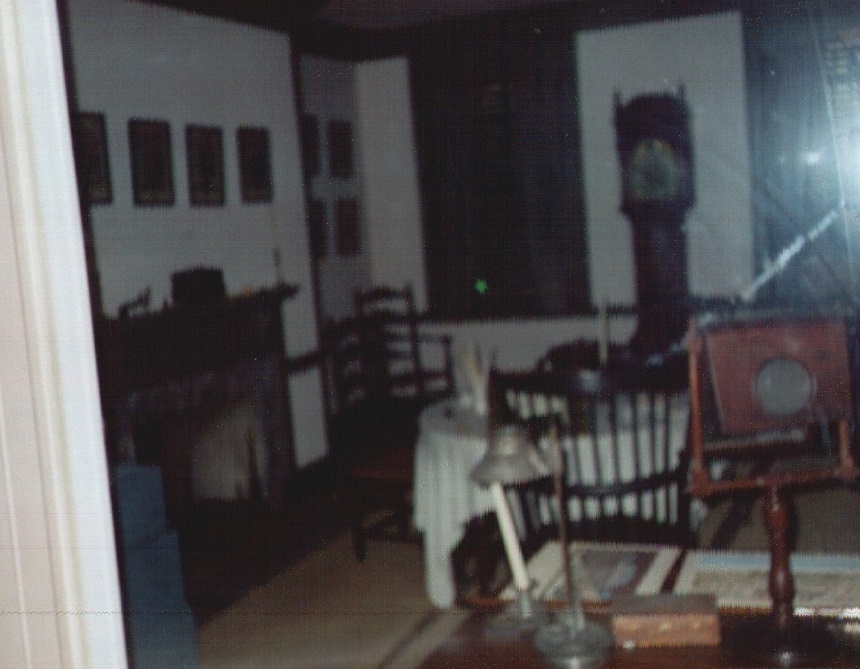
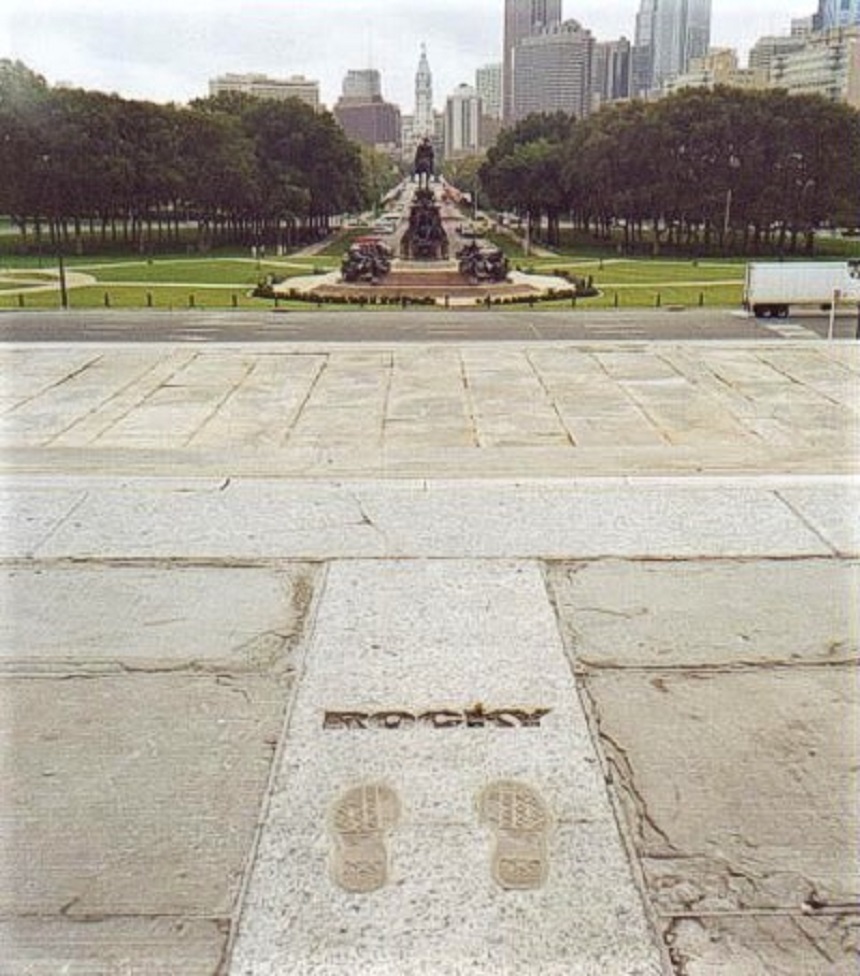
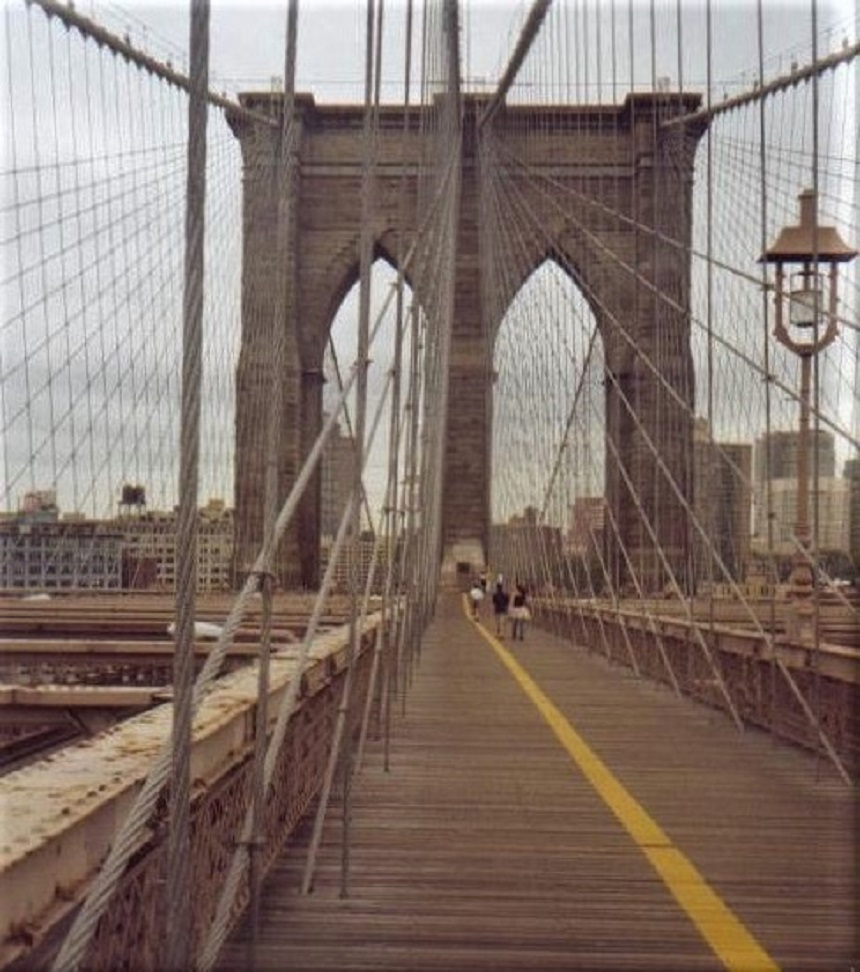
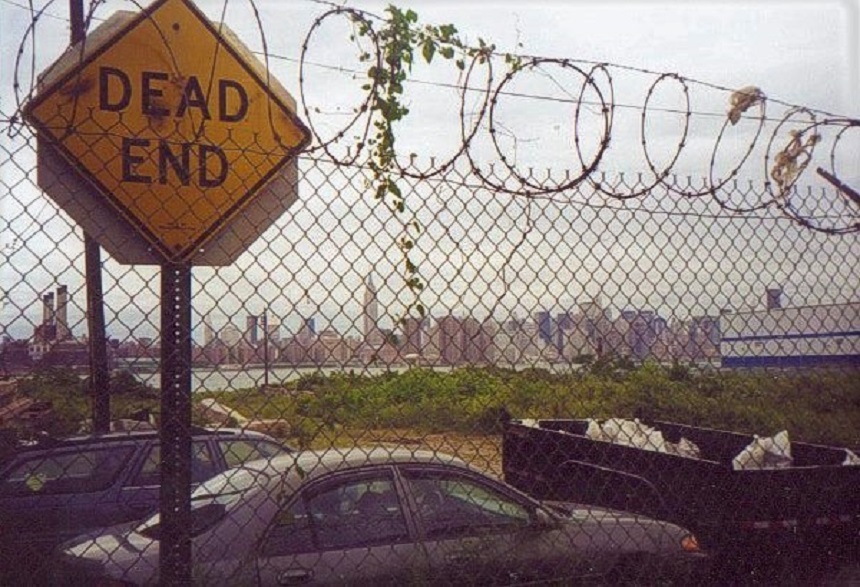
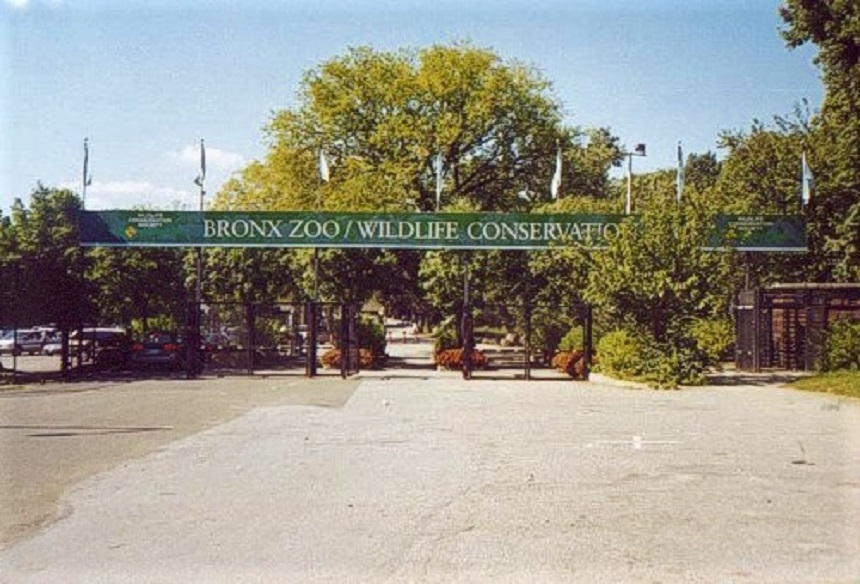
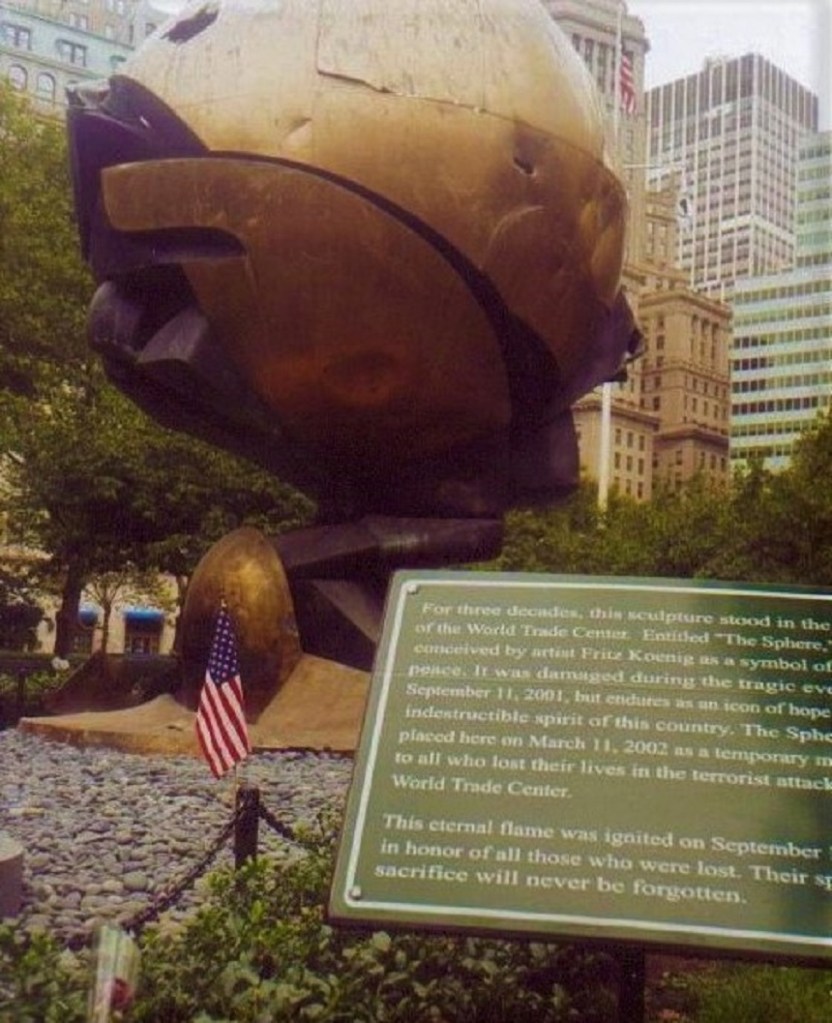
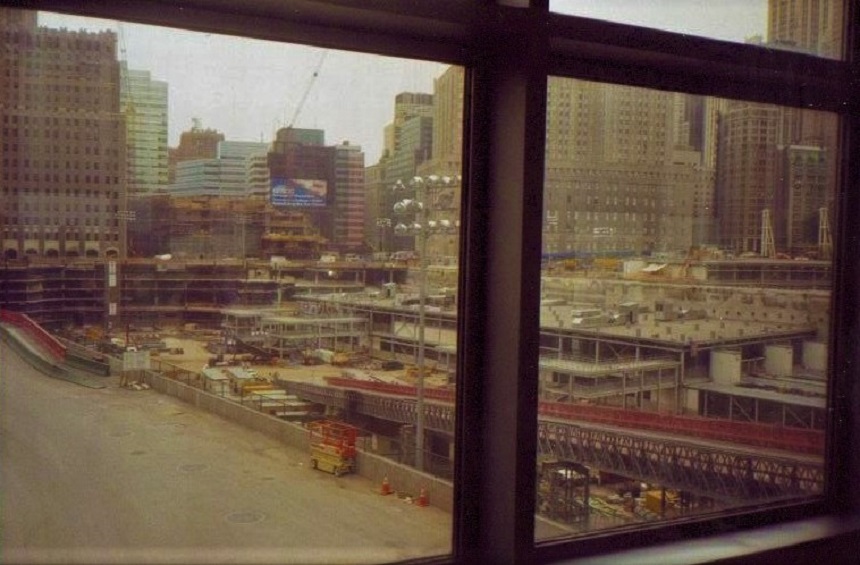
Let’s start from Boston, Massachusetts. The year was 2003 and I had just graduated from university, with a degree in Business English/German. Although I finished Business Language College at the University of Silesia it felt that I had not actually possessed a flair for business. Each lecture or exam in economics and accounting came with a certain level of difficulty. This was due to many factors but the most important was the fascination with the Anglo-Saxon countries and colonial America, not to mention traveling which opened my eyes to world affairs. It is worth noting that the impact on me made a trip to the U.S. in 1999 that has only strengthened my belief that I should have rather studied History or Political Science. It had strengthened not only my convictions but my dean at the University who allowed me to write the final assignment significantly deviating from business-related issues. Eventually, I defended my degree by writing an essay on famous words that made a long-lasting impact on people. The title was “American Presidents’ Speeches – How the words shape the world. I was overjoyed that I could write on a subject that had fascinated me for years. As a fresh graduate, I was determined to share my excitement and newly acquired knowledge with my American friends. I remember how I pestered them with endless and tiresome questions about which President, in their opinion, has had a bigger impact on the fate of their country. How inappropriate, one would think. Tedious and boring questions in the middle of the holidays. What arrogance on my part. Well, in the end, they gave me the nickname Political Junkie or something along this line.But back to my trip to Boston. Many probably associate the Tea Party Incident, oh sorry, probably not too many, but you know how it is like if you are obsessed with sharing one’s own point of view. Anyway, I found myself in a harbor, surrounded by old ships, and mentally tried to teleport myself to December 16th, 1773, when the Boston Tea Party, also referred to by John Adams as “the Destruction of the Tea in Boston. The incident had seen 342 chests of tea belonging to the British East India Company thrown from ships into Boston Harbour by American patriots disguised as Mohawk Indians. The Americans were protesting both a tax on tea (taxation without representation) and the perceived monopoly of the East India Company.I spent two days in town gathering folks’ presumed accounts of events and shooing plenty of photos of the ships from all possible angles. As I mentioned, I agree that there have been several other important places to visit and fun to be had, but at times, it was not my priority. Boston is one of the oldest cities in the United States, founded on the Shawmut Peninsula in 1630 by Puritan settlers from England. It was the scene of several key events of the American Revolution, such as the Boston Massacre, the Boston Tea Party, the Battle of Bunker Hill, and the Siege of Boston.Philadelphia, though a small city, has its major share in the American struggle for independence. Many important documents have been created there. The Declaration of Independence (1776) and the Constitution of the United States (1787) were both signed in this building in Philadelphia. “We hold these Truths to be self-evident, that all men are created equal…” While Independence Hall resonates these words, nearby there is an old cracked Bell proclaiming liberty. A fine piece of US history I would add.The tour included First National Bank chartered in 1863. It was the first national bank created under the Civil War banking reforms beginning to define the modern U.S. banking system and the first commercial bank to issue a federal banknote. The bank operated independently until 1955 when it was merged into the Bank of North America and Trust Company.Benjamin Franklin Declaration House. Originally built in 1775 by Philadelphia bricklayer Jacob Graff, Jr. (therefore it is also referred to as Graff House), the place where Thomas Jefferson, a 33-year-old delegate from Virginia to the Continental Congress, rented the two second-floor rooms. There he drafted the Declaration of Independence. The first floor contains exhibits and a short film on the drafting of the Declaration. On the second floor, the bedroom and parlor that Jefferson occupied have been recreated and contain period furnishings. Also included are reproductions of Jefferson’s swivel chair and the lap desk he used when he wrote the Declaration.My rendezvous with Philly has yet to come to an end. I had 10 hours to immerse myself in the history of certain structures. The Eastern State Penitentiary offered just that. And more. Opened in 1829 as part of a controversial movement to change the inmates’ behavior through “confinement in solitude with labor,” Eastern State Penitentiary soon became one of the most expensive and most copied prisons in the United States. 300 prisons worldwide are estimated to have been based on the Penitentiary’s wagon wheel, or radial floor structure. Some of the most notorious criminals were held behind the bars of this innovative prison. Bank robber Willie Sutton and “Scare face” Al Capone. 142 years of service, Eastern State Penitentiary was abandoned in 1971 and is now left with crumbling cell blocks and empty guard towers. The Eastern State Penitentiary has also become a location in a few big movie productions. The 1995 “Twelve Monkeys” movie with Bruce Willis used it as the setting for a mental hospital. The 2000 “Animal Factory” movie, directed by Steve Buscemi portrayed a dilapidated prison relying heavily on Eastern State Penitentiary. Also, parts of Eastern State Penitentiary were used for the filming of the 2008 “Transformers: Revenge of the Fallen” movie.Speaking of the movies, who has not heard about the Rocky saga? It took its beginning in Philadelphia and developed into a very lucrative franchise. The “Rocky” movie has inspired millions of young people and earned 225 million dollars in the global box office, becoming the highest-grossing film in 1976, and winning three Oscars, including Best Picture. The scene where Rocky is running up the steps of the Museum of Arts has since become iconic, resulting in erecting a statue of Rocky in 1982. At the top of the museum, there are the famous Rocky Steps. Definitely, Philadelphia offers much more than that. I wish I could have afforded more time to this lovely city.With the baggage of knowledge and pictures on my camera, I figured it was time to head north. Always been interested in the Mt. Rushmore National Memorial, a huge mountain sculpture of four U.S. Presidents, located near Keystone, in the Black Hills of South Dakota. Well, I had had to do with visiting Minneapolis only. I realized that time was of the essence and would not be able to explore the north in 4 days. I did a quick tour around the town, had a Whooper, and got back to the bus station. I am heading back to New York. I hopped on the bus ready to drift away when I realized my luggage, containing a little treasure I had accumulated during my travel, had been misplaced. I panicked. With less than an ounce of hope, I began a wide search through the bus terminals, toilets, cleaners’ room, and eventually driver’s staff room. A pale face and shaking hands, trembling voice did the trick. A big guy sitting on the chair and munching crisps pointed at the pile of rucksacks and bags. Mine was also there. 10 minutes later I was sitting on the bus heading to the Big Apple.I had just three days to sink in NY life. I do not remember where I was staying this time. I bet it was something cheap and close to the Manhattan area. I was getting around on foot most of the time in order to embrace the NY architecture. I was strolling down Avenue after Avenue, starting from Central Park down to Lower Manhattan. I reached Brooklyn Bridge. I had to decide whether or not I should move forward to Brooklyn borough. I had everything I needed – a map, a camera, bucks, and inquisitiveness.The famous Brooklyn Bridge was built between 1869 and 1883 to connect Manhattan with New York’s most populous borough, Brooklyn. The bridge is one of the most famous and magnificent landmarks in the City and ranks as one of the greatest engineering feats of the 19th century. The bridge stretches for a length of about 1.8 km. The span between the large towers measures 486 meters. There is an elevated pedestrian path enabling a safe crossing without being exposed to the traffic that rushes past a level below. A great view of the bridge’s towers and downtown Manhattan’s skyline. I have always been fascinated with bridge engineering for centuries Getting up close and personal with this majestic piece of engineering feat was I true delight and highlight of the day.Once crossed the bridge I think I just carried on walking through the borough until I reached some construction site, kind of no-go area – DEAD END. I found a reasonably priced restaurant in the town center.The next day I chose the opposite direction. I went to the Bronx borough to find a bit of tranquillity and nature in the New York Botanic Garden and the Bronx Zoo. It is the world’s largest metropolitan zoo, with around 6000 animals representing about 650 species from all over the world.What a change to all those structures, monuments, and statues. Did I say statues? Statue of Liberty was a must. Although I did not go up the Crown I took a ferry around the island. The last day was focused on the Ground Zero site and St Patrick Cathedral. What a change to all those structures, monuments, and statues. Did I say statues? Statue of Liberty was a must. Although I did not go up the Crown I took a ferry around the island. The last day was focused on the Ground Zero site and St Patrick Cathedral. When I was visiting NY in 2003, the area was still under construction. It was the biggest building site I ever saw. Apparently, the phrase Ground Zero was being applied to the World Trade Center site within hours after the towers fell. The collapse of the towers spread dust across New York City and left hundreds of thousands of tons of debris at the site. The New York City Fire Department divided the disaster site into four sectors to organize the clean-up and search for possible survivors and for human remains.They had completed it in May 2002. It has been over a decade so the site looks unrecognizable now. The National September 11 Memorial and Museum commemorates the victims of the 9/11 attacks. That was my last day in New York and it was time to pack.






 Frog on the border