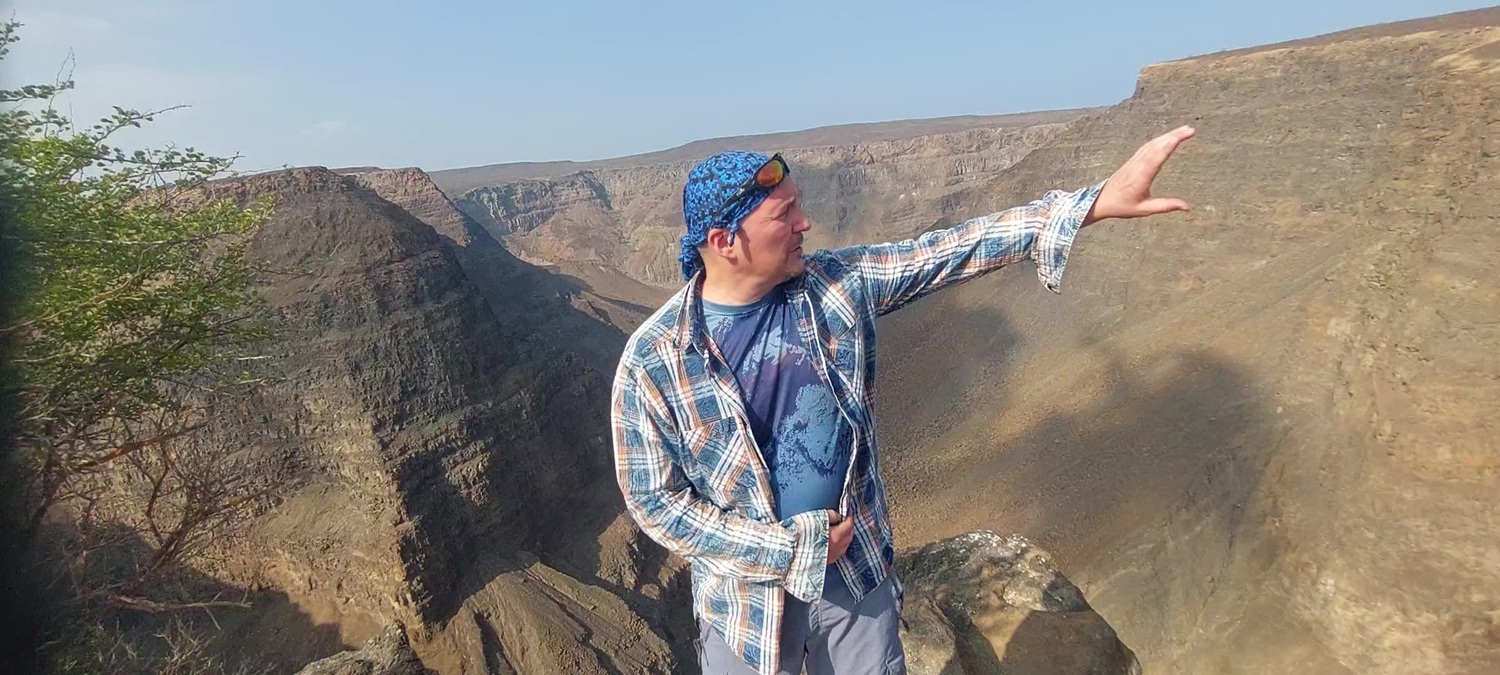
Let’s cover the altitude sickness now. As a survivor, I try to give some real experienced advice to those who might be at risk. Remember that AS does not favour the fittest and strongest. It does not discriminate against the weakest, fattest, slowest. During my journey, I have seen young people being sick at the beginning of the trek, vomiting, shivering, but ultimately making it to the Everest Base Camp and back, in a good shape, I have seen middle-aged chubby ladies huffing and puffing halfway, sweating their socks off only to be one of the first ones to reach the Everest Base Camp. Also, I witnessed the rescue mission where two overzealous hikers underestimated the seriousness of consequences when you ignore the first symptoms. It is truly a tough decision when you almost there, after all the effort to put in organising the trip to the Himalayas. I had 500 m left to ascent but your body says NO. There are no medications, no remedies to eliminate the negative, life-threatening effects of Altitude Sickness. These two trekkers made to the Everest Base Camp eventually, yes, but they were so deprived of oxygen that they passed out and had to be airlifted down to the nearest safest point. The oxygen deprivation to your body can prove fatal after days, weeks. You could finish your trip to Nepal happy jolly, return to your safe home, and collapse on the sofa. It has happened and it will happen again. Such is human nature. The decision to descent immediately after you experience the first serious symptoms is not an easy one, but it pales in comparison to the decision mountain climbers have to make 500 m before reaching the summit of let’s say Lhotse, Annapurna, K2, Everest. Well, I made my decision and that save my life and enabled me to climb a few more mountains somewhere else.
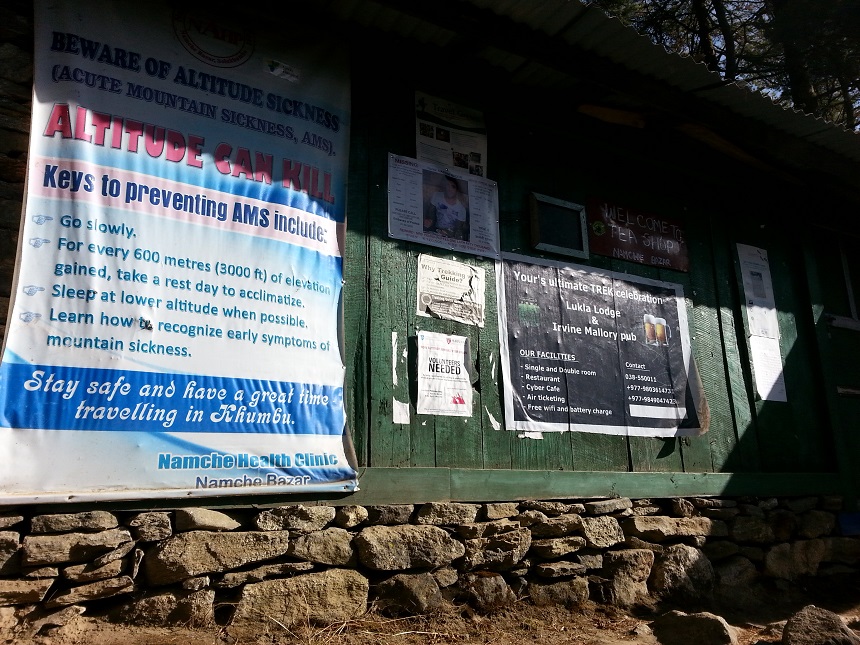
What actually is Altitude Sickness? Here is some info:
Altitude sickness, also called acute mountain sickness (AMS), can become a medical emergency if ignored. Age, sex or physical fitness have no bearing on your likelihood of getting altitude sickness. Symptoms of altitude sickness usually develop between 6 and 24 hours after reaching altitudes more than 3,000 m (9,842 feet) above sea level. Symptoms are similar to those of a bad hangover. They include a headache, nausea and vomiting, dizziness, tiredness, loss of appetite, shortness of breath. The symptoms are usually worse at night. The best way to prevent altitude sickness is to travel to altitudes above 3,000 m slowly. It usually takes a few days for the body to get used to a change in altitude.
You can continue going up with care once you feel fully recovered. If you don’t feel any better after 24 hours, you should go down by at least 500m (about 1,600 feet). Don’t attempt to climb again until your symptoms have completely disappeared. After 2-3 days, your body should have adjusted to the altitude and your symptoms should disappear.
What if I ignored it?
If the symptoms of altitude sickness are ignored, they can lead to life-threatening conditions affecting the brain or lungs. High altitude cerebral edema (HACE) is the swelling of the brain caused by a lack of oxygen. A person with HACE often doesn’t realise they’re ill and may insist they’re all right and want to be left alone. HACE can develop quickly over a few hours. It can be fatal if it’s not treated immediately. Dexamethasone is a steroid medication that reduces swelling of the brain. If you can’t go down immediately, dexamethasone can help relieve symptoms until it’s safe to do so. You should go to hospital as soon as possible for follow-up treatment. High altitude pulmonary edema (HAPE) is a build-up of fluid in the lungs. The symptoms of HAPE can start to appear a few days after arrival at high altitude. It can be fatal if it’s not treated immediately.
My case

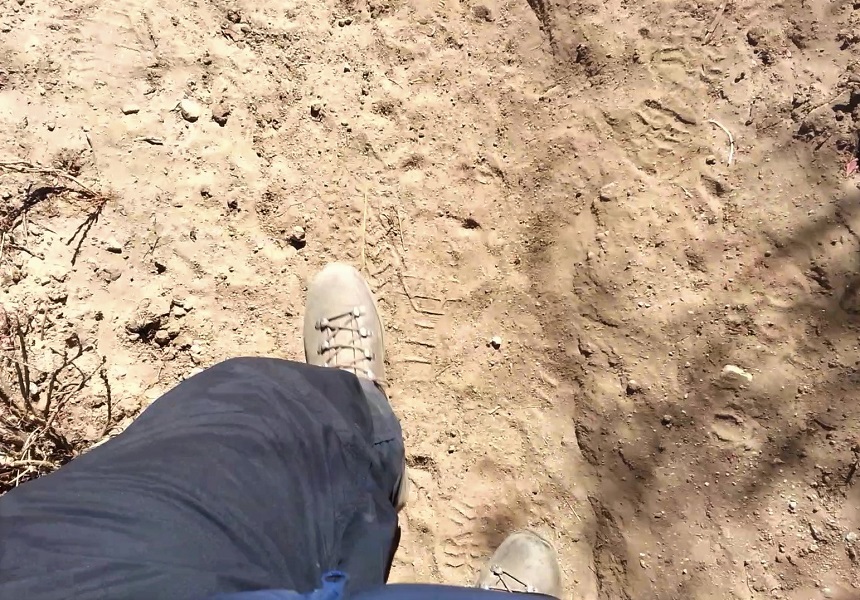
What I was saying here: “It looks like an unsuccessful attempt. Altitude Sickness eventually got me. Now it is time to descent.
That night I had suffered from diarrhea, headache, dizziness, vomiting, and a massive pain to my chest with every grasp of air a desperately tried to take. It was a scary night as I knew that the only remedy in this situation was to descent. It was dead of night and the guide next door reassured me it was always worse during night hours. Let’s wait till early morning, he advised. He got me some pills. I don’t remember the name, of brown color they were.
The next morning, I felt slightly better only to be able to think straight and decide on descending to the nearest climbing center, at least 600m below. By this time, the pain in my lungs was excruciating, every breathe I took was so precious, it counted and fully appreciated. By the way, my insurance covered helicopter rescue but I opted to climb down on my own.

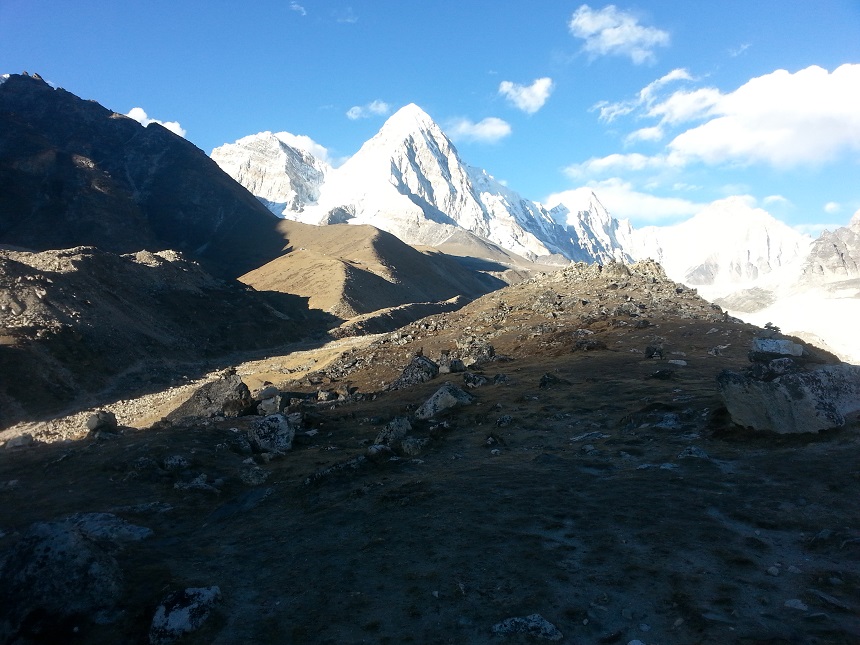
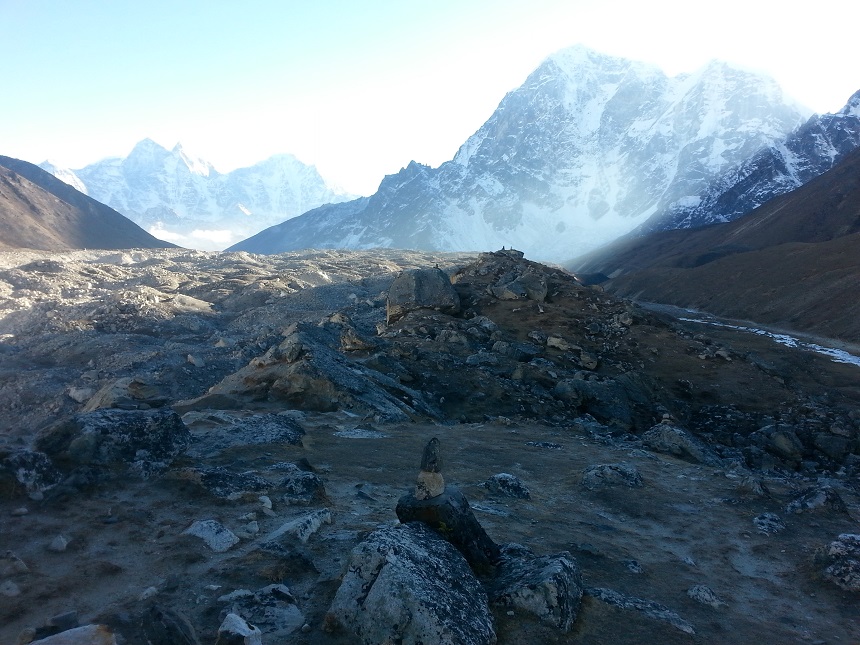
What I do remember was the piercing and freezing cold temperature on top of this hill. I felt like my lungs were empty and I was standing in the vacuum space with nothing to breathe in
 Frog on the border
Very interesting to read your story and your personal experience with Altitude sickness and of course good to know that you got better before getting really bad.
Although I love mountains and I have been climbing and hiking for years, I have never been in such altitude in order to see how your body reacts.
Thanks for sharing your personal experience.
LikeLiked by 1 person
It is a tough choice, sometimes, when you had already hiked all the way up and you had just 500 m left but your body tells you to return, quickly.
LikeLike
Of course is a tough choice, but we need to “listen” to our bodies and with reason to take the best decision.
Obviously, I do not mean that we have to quit our efforts with the first difficulty we face, but I am sure you understand what I mean.
LikeLiked by 1 person
You are right, and we also need to use our common sense and be able to calculate the risk which may be hard for some hikers who are too desperate to reach the top, regardless of the consequences. The mountains are always there. We can return another time, better prepared and equipped.
LikeLike