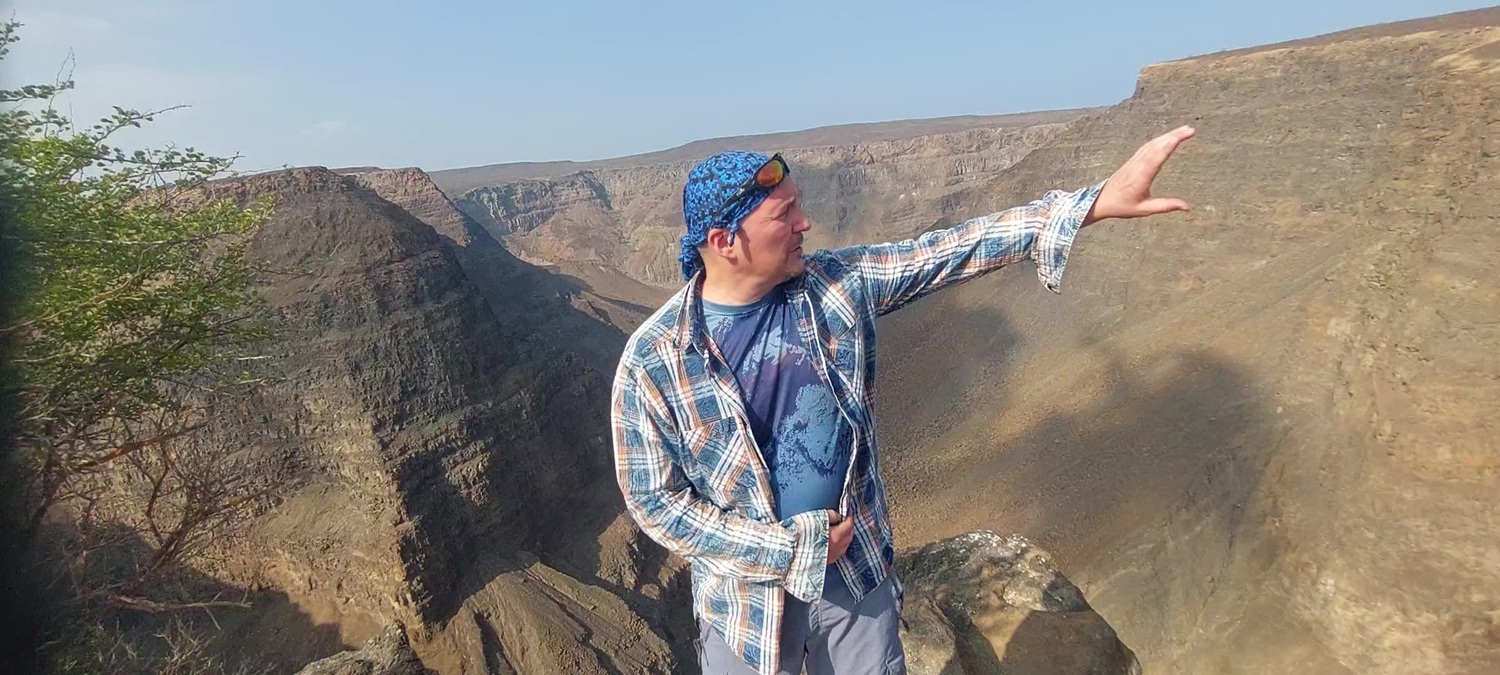
Hushan or Tiger Mountain Great Wall, (Chinese: 虎山 hǔ shān /hoo-shan/) begins fifteen km northeast of Dandong, close to the North Korea – China border. It was built by the Ming Dynasty (1368-1644) in a strategic spot overlooking the Yalu River, an important natural land barrier.
Its fortifications were built in 1469, and it was called the Border Wall in ancient times as the purpose of it was to prevent invasion by the Mongol army and Jurchen tribes to the North and to protect the eastern border from the Japanese or Korean invasion from the South.
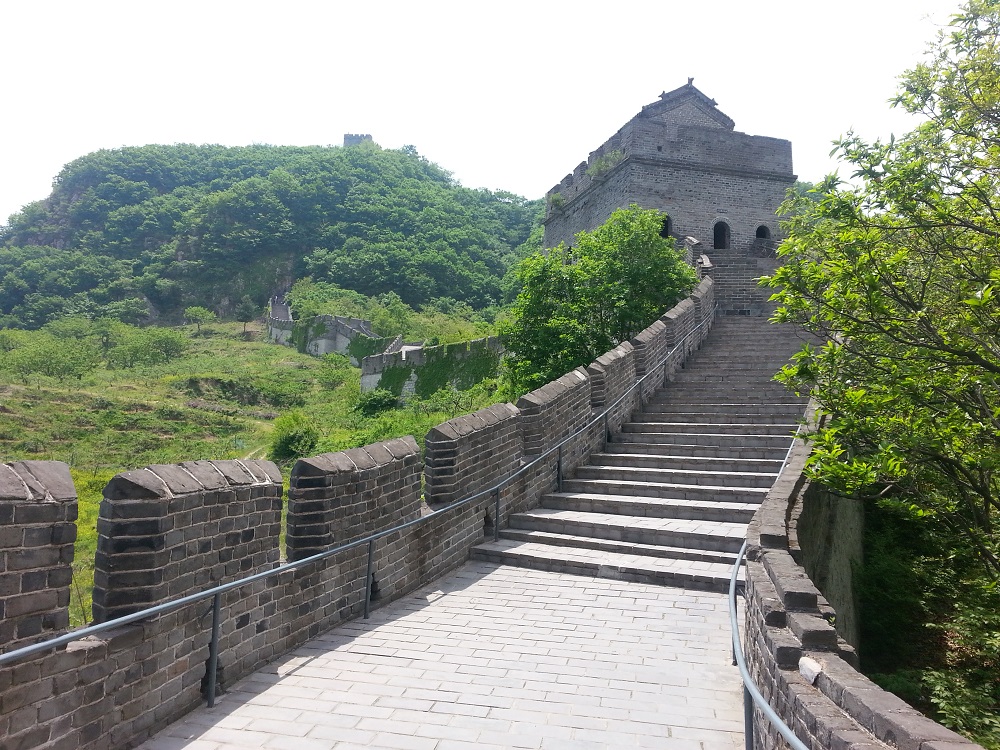
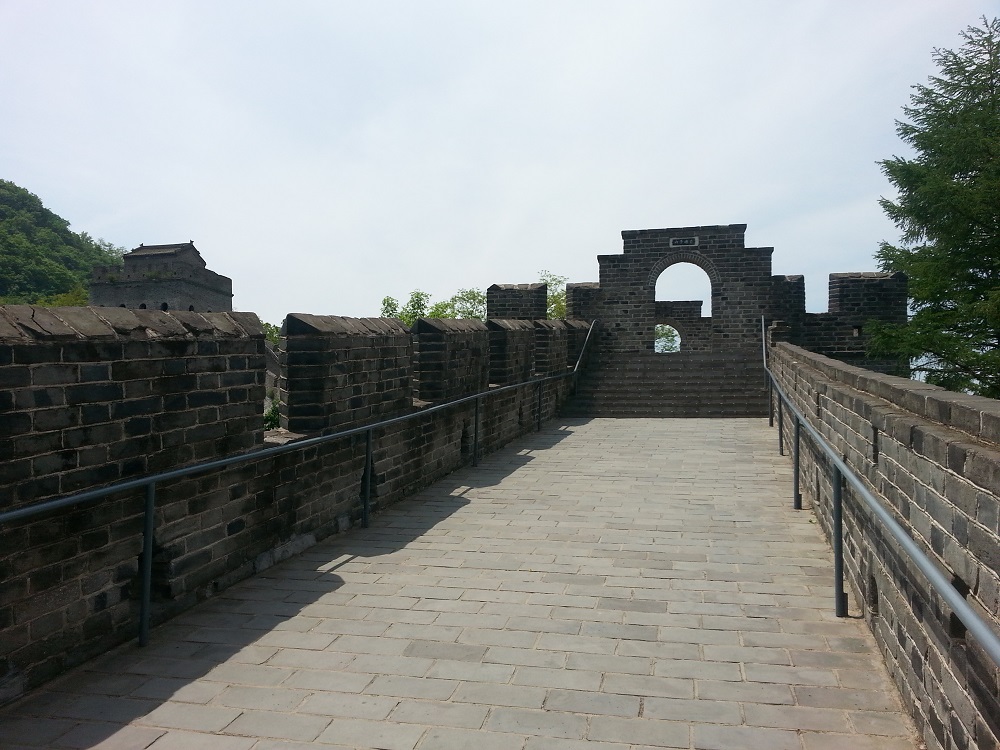
The wall was named for its location at the south foot of the Hushan (Tiger Mountain), in a small village named Hushan in Kuaidian County, Liaoning Province.
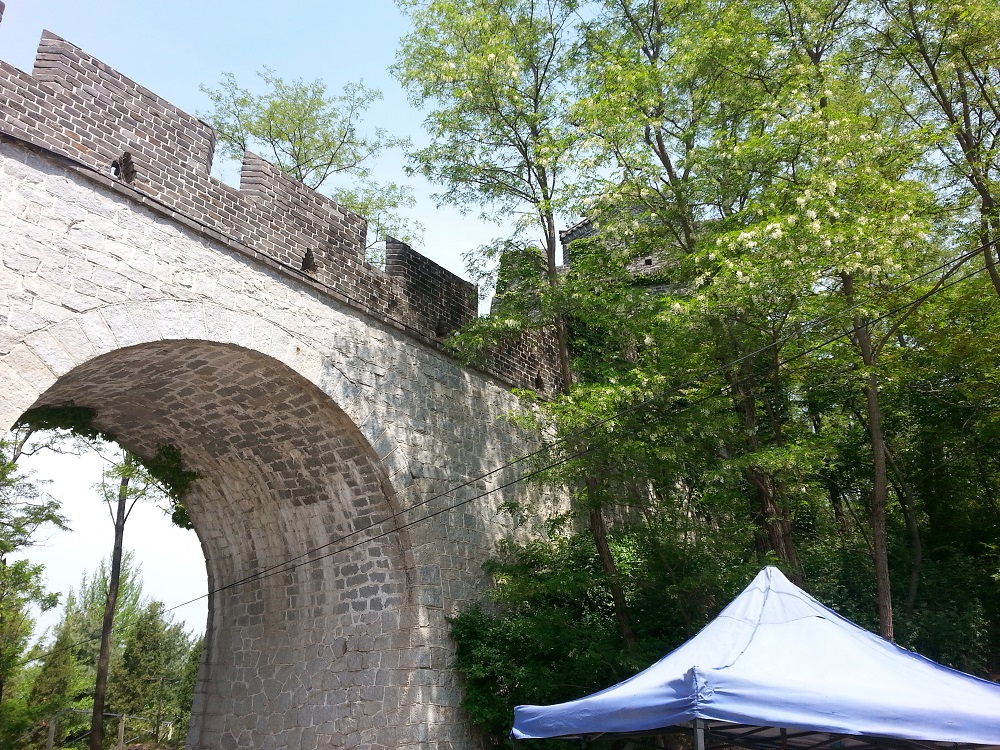
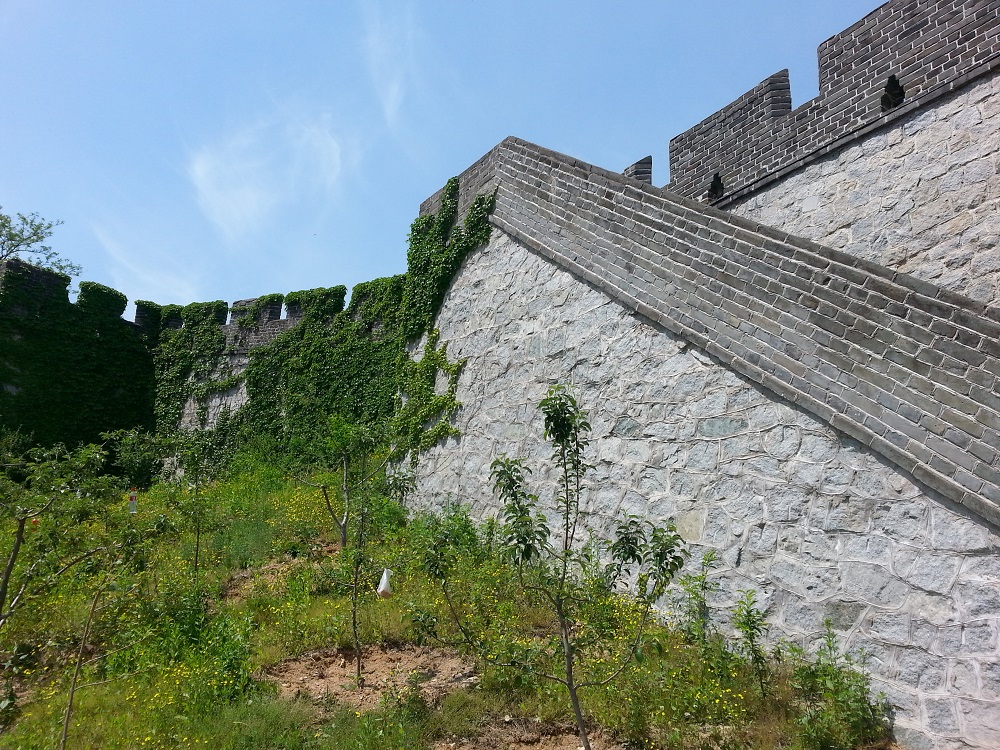

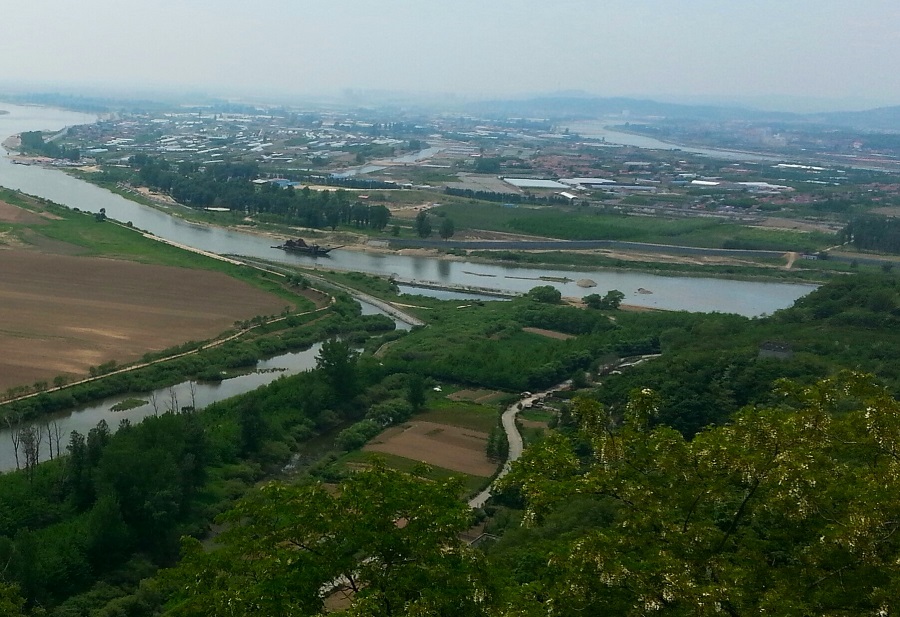
Hushan Mountain is a mountain overlooking the flat plain of the Yalu River and North Korea. This extreme eastern section of the wall was once connected with the Shanhaiguan Pass Great Wall section and the Jiumenkou Great Wall section. It adjoins the roaring Yalu River on the south and faces Yizhou Ancient City in North Korea across the river.

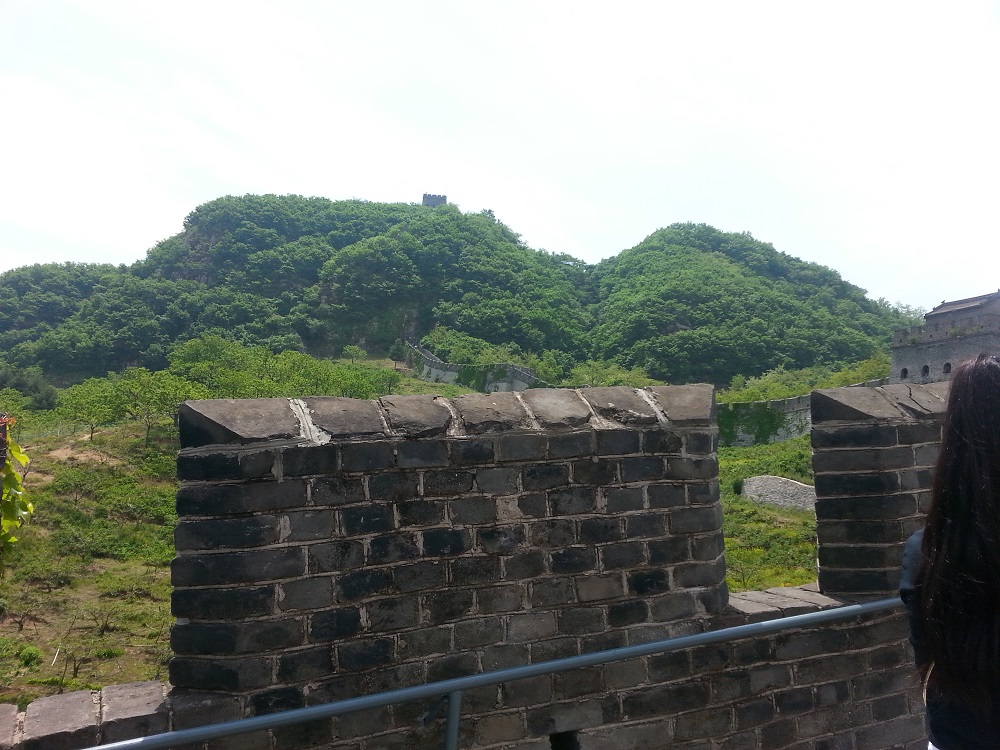
Great Wall of China – Jiankou section I have traversed.
Jiankou is about 50 miles/80 km north of Beijing which is a two-hour drive in the mountainous area. The Great Wall at Jiankou stretches over 12 miles/20km long from Huanghuacheng to Mutianyu.

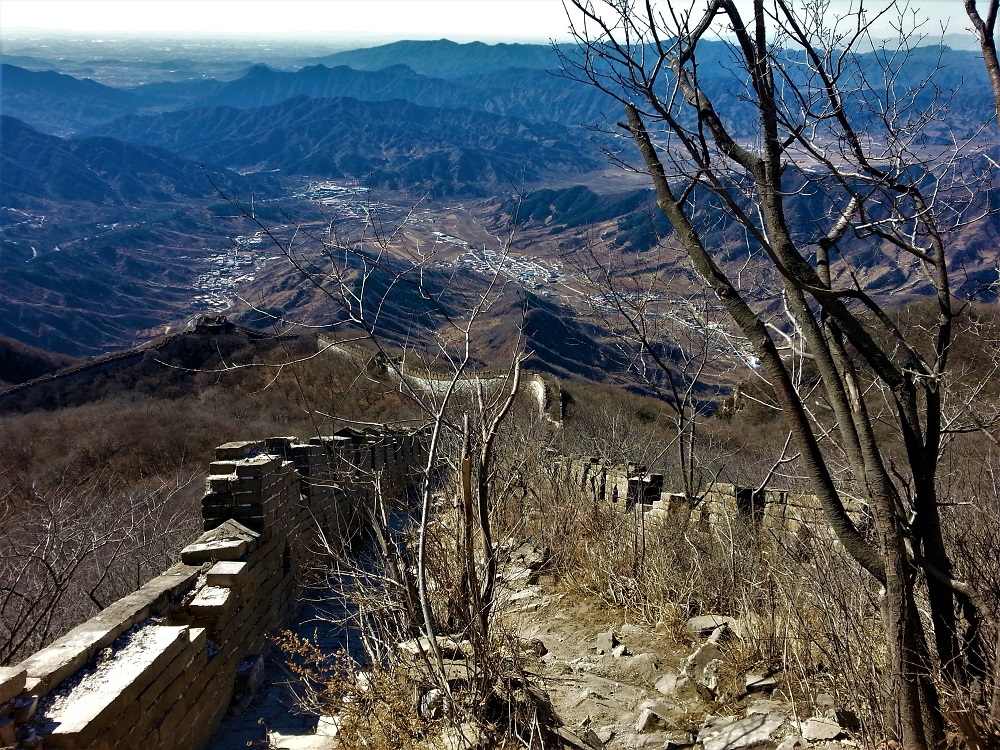

It is believed that this part of the wall was built by the Ming Dynasty in 1368 and General Qi Jiguang was responsible for the restoration of this section. Also, Qi Jiguang (1528–1588) was said to have been a famous hero for protecting the Chinese coast from Japanese pirates.


The Great Wall at Jiankou section pretty much remains unchanged with its original appearance. The terrain is rugged, unsafe, uniquely made of large white rocks, and has not seen proper repairs since the Qing conquest of China in 1644. Jiankou is higher and steeper than the adjacent Mutianyu section, and more curving and varied than the Simatai section.
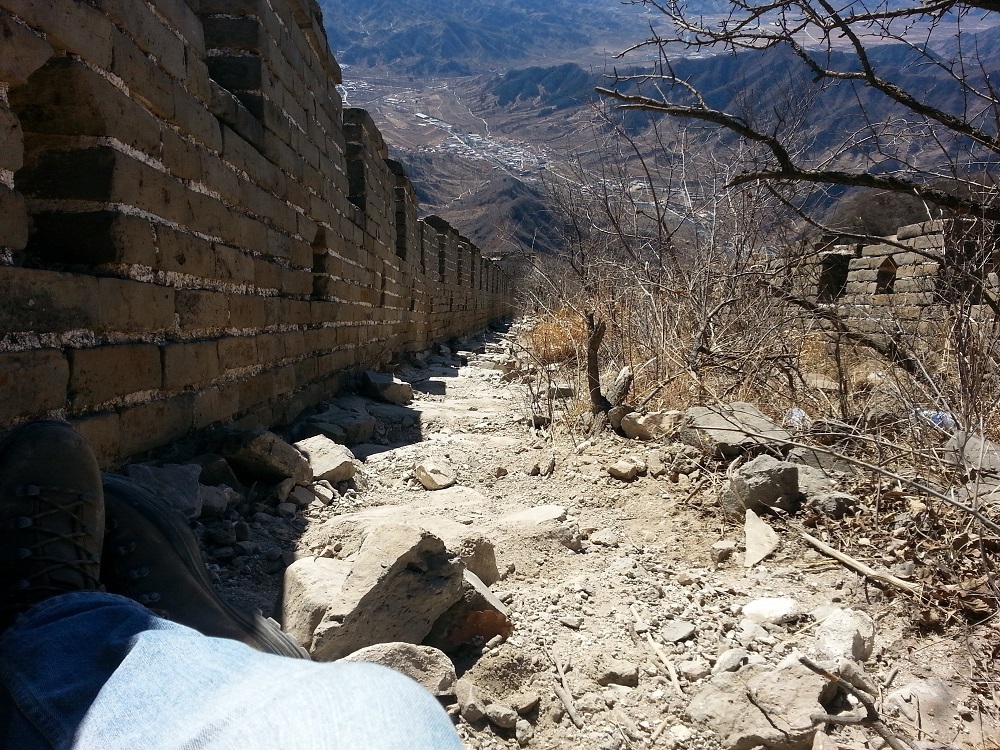
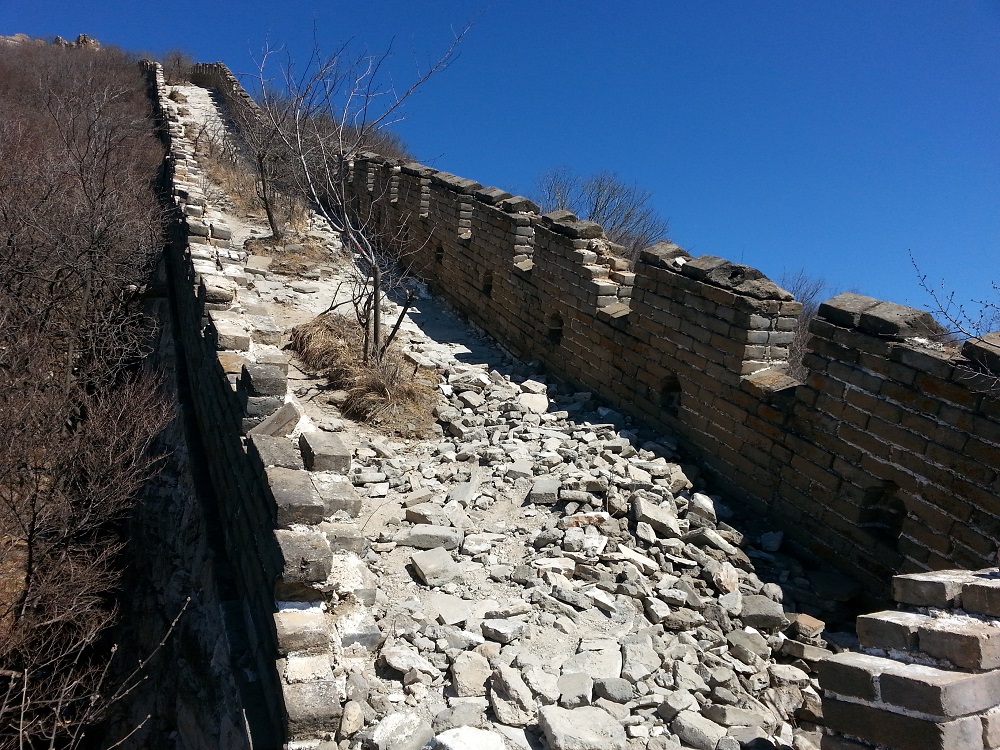
The Eagles Fly Facing Upward part is the highest section of Jiankou, and called that because when an eagle flies there, it can only do so facing upwards before reaching the top of the tower.


Mission Accomplished! Once you have reached the highest part of the trek You can reward yourself with local beer and small a souvenir from mobile vendors.

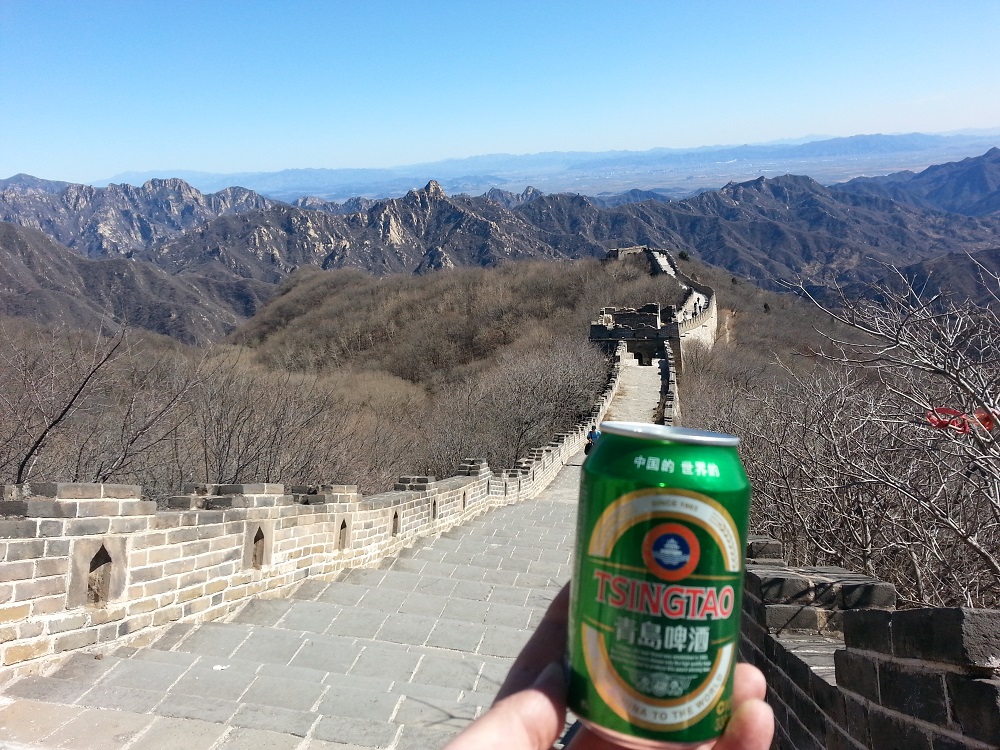
Jiankou’, is translated as ‘Arrow Nock’ in English, for the shape of the collapsed ridge opening is reminiscent of an arrow nock. The Jiankou section has never been restored since its construction, with some sections having fallen into disrepair. This, along with its location along a mountain ridge bordered by jagged cliffs and steep drop-offs, makes this section potentially dangerous to climb, while at the same time a place for experienced hikers and photographers.
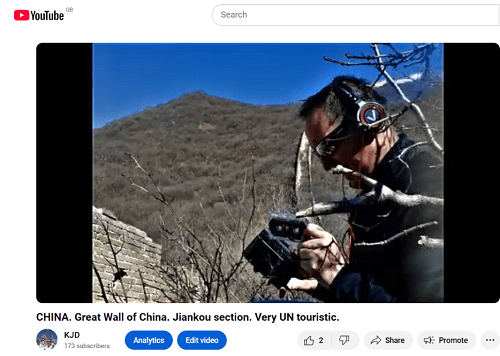
Video footage of my trek may give you a more real feeling of the experience 🙂 – Jiankou
 Frog on the border