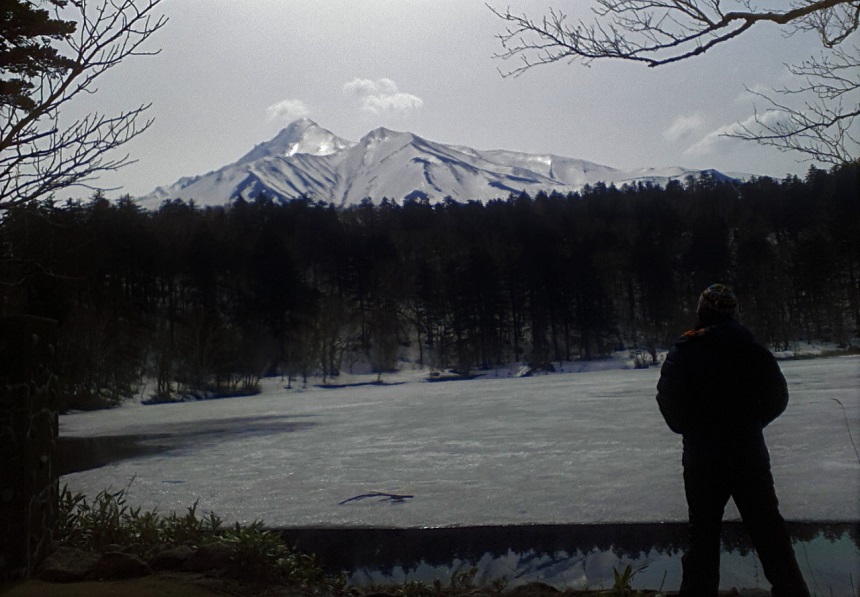
Rishiri Mountain rises proudly out of the Sea of Japan to a height of 1,721m. The hike can be challenging as it involves some very steep parts on its two trails. Partway up the mountain from the dock, there is a campsite, and just below the summit, there is an unmanned shelter. There is also a small shrine at the summit. On clear days, you can see Hokkaido Island, Rebun Island, and even Sakhalin Island in Russia.
Climbing a volcano in winter is a feat that requires skill, determination, and a healthy dose of humility. For those who dare to venture into the snowy landscapes of Japan’s Rishiri Island, the rewards can be breathtaking – but so can the risks. My own experience hiking up Rishiri’s volcano in April, when the snow still lay thick on the ground, was a harrowing reminder of the importance of preparation, caution, and knowing when to retreat.
The Ascent
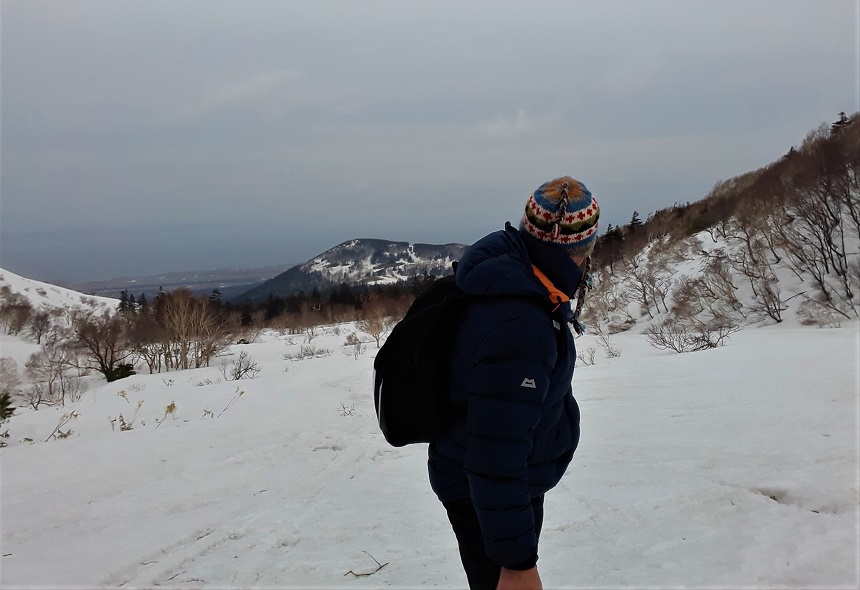
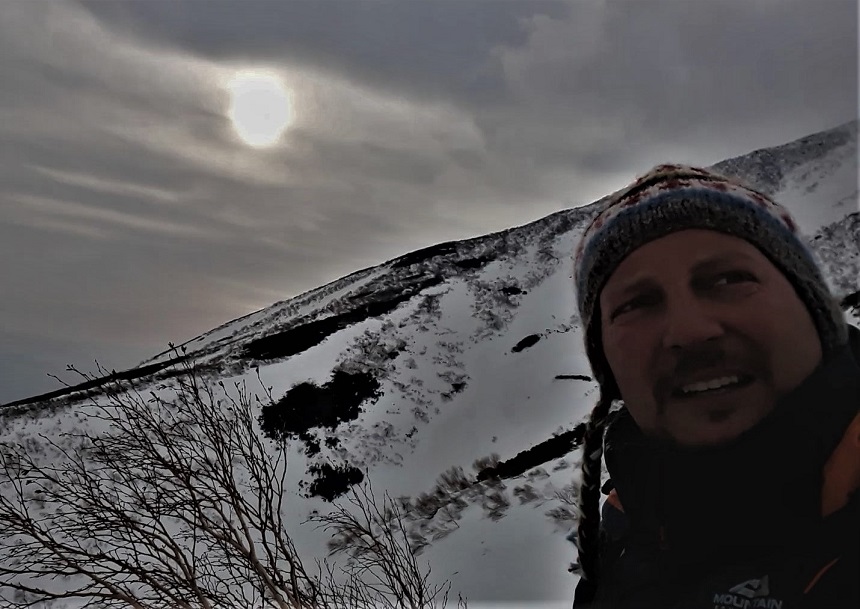
As I climbed higher, the snow grew deeper, and the route became increasingly challenging to follow. Steep hills loomed ahead, their icy surfaces glinting in the pale sunlight. Despite the difficulties, I pressed on, driven by a determination to reach the summit. But the mountain had other plans.
A Perilous Misstep
At one point, I lost track of the route and stumbled into a hidden hollow, my feet becoming tangled in the frozen branches of small trees. It took all my energy to pull myself out, but in the process, I lost my crampons – a crucial piece of equipment for traversing icy terrain. With no option but to continue without them, I assessed my situation and made the wise decision to turn back, rather than risking further danger by pushing on to the summit.
The Descent
The journey back down was a logistical challenge, requiring careful planning and precise execution. The steep, icy slope stretched out before me, with nary a handhold in sight. My eyes fixed on a single small tree halfway down, and I devised a plan to slide down and hopefully catch it, using it as a temporary anchor to steady myself before continuing on. It was a nerve-wracking maneuver, but one that ultimately paid off.
A Lesson Learned
As I made my way back down the mountain, my muscles shaking with exhaustion and adrenaline, I couldn’t help but feel a sense of gratitude for having made it through the ordeal unscathed. It was a sobering reminder of the power of nature and the importance of respecting the mountain environment. Climbing a volcano in winter is not for the faint of heart, and it’s essential to approach such adventures with caution, preparation, and a healthy dose of humility.
Winter Volcano Climbing: A Challenge for the Experienced
For those who are experienced in winter mountaineering, climbing a volcano like Rishiri’s can be a thrilling adventure. The snow-covered landscapes offer breathtaking views, and the challenge of navigating icy terrain can be a rewarding test of skill and endurance. However, it’s crucial to approach such adventures with caution, assessing the risks and taking necessary precautions to ensure a safe and successful climb.
Conclusion
My experience on Rishiri’s volcano was a harrowing reminder of the importance of respecting the natural environment and knowing when to retreat. While the desire to reach the summit can be strong, it’s essential to prioritize safety and caution, especially in challenging winter conditions. By doing so, we can enjoy the beauty and thrill of winter mountaineering while minimizing the risks.


 Frog on the border