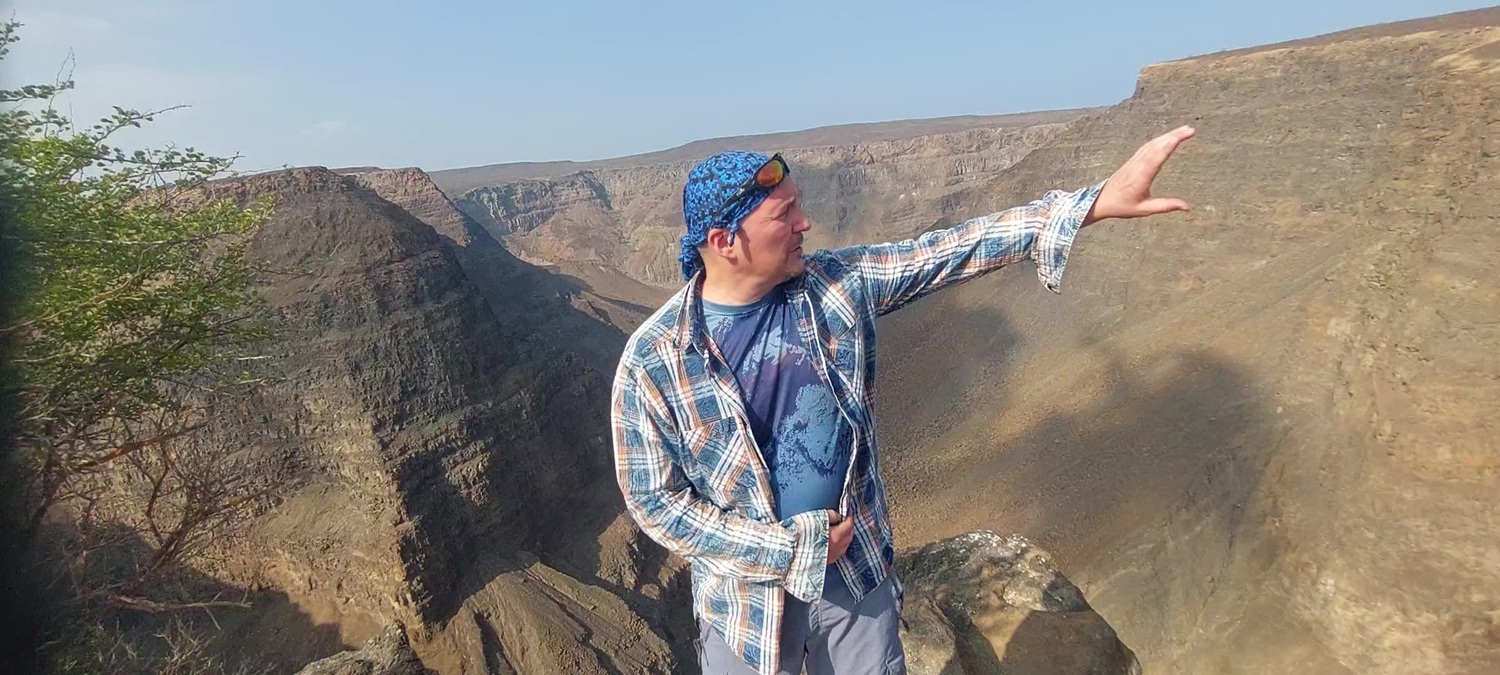
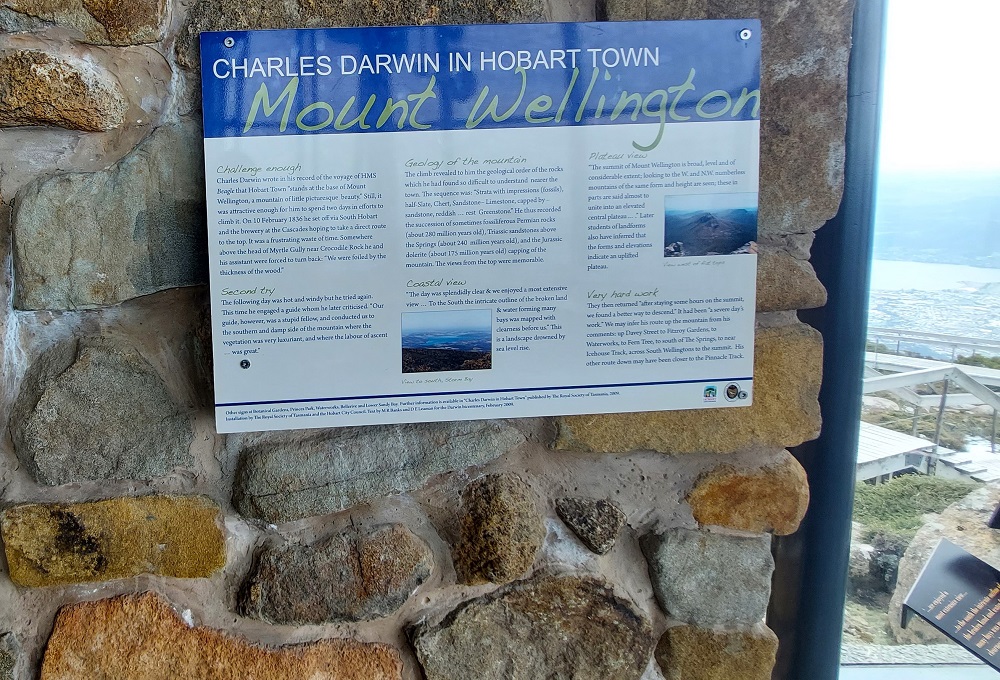
Mount Wellington in Tasmania, Australia is a result of millions of years of geological activity. The mountain was created by volcanic activity around 135 million years ago. The landscape includes woodlands, forests, waterfalls, rainforest, dry eucalypt woodland, open sandy flats, and alpine moor. It lies directly behind Hobart at a height of 1270 meters and was formed during the Permian, Triassic, and Jurassic ages. During early exploration, the mountain was called Table Hill, Montagne du Plateau, Skiddaw, Mount Collins, and Table Mountain after its similarity to Table Mountain, Cape of Good Hope. Between 1822 and 1824 it was renamed Mount Wellington after the Duke of Wellington. George Bass was the first white man to climb the Mountain, in 1798.

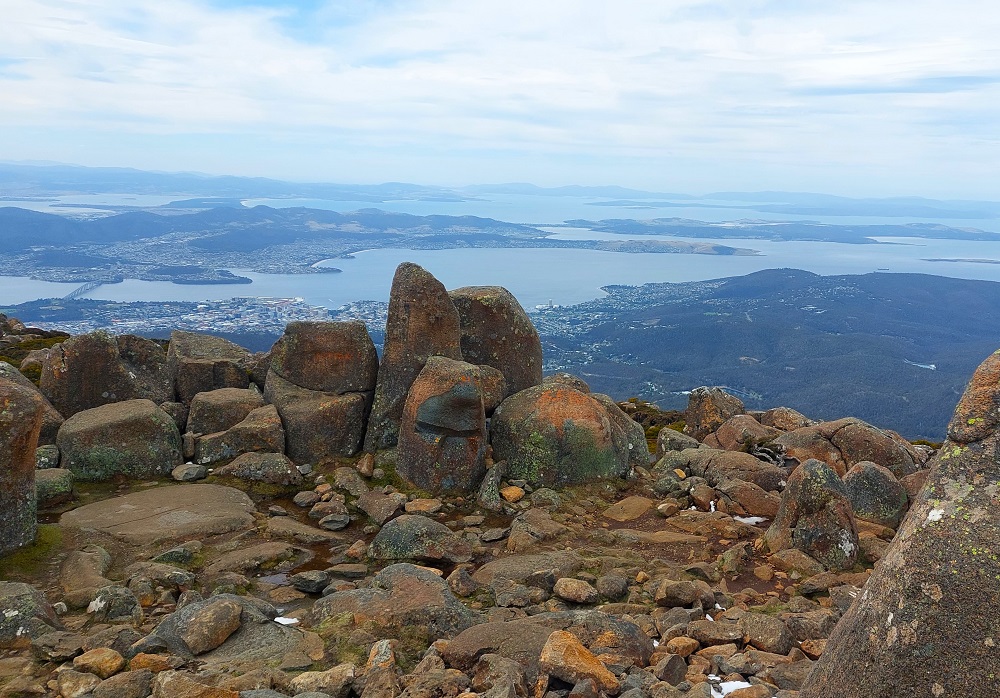
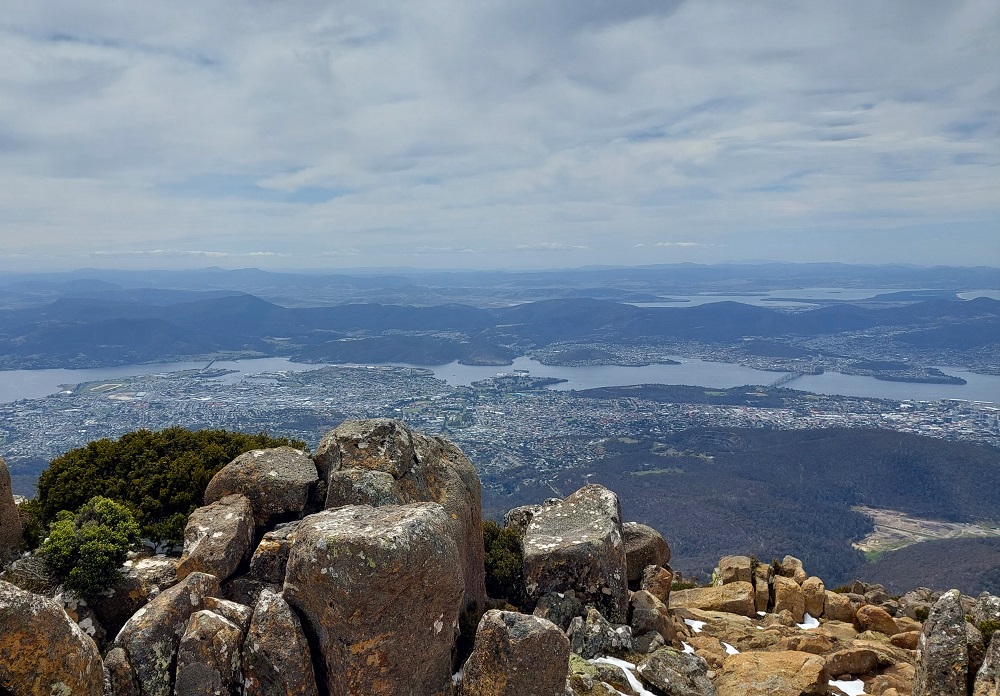

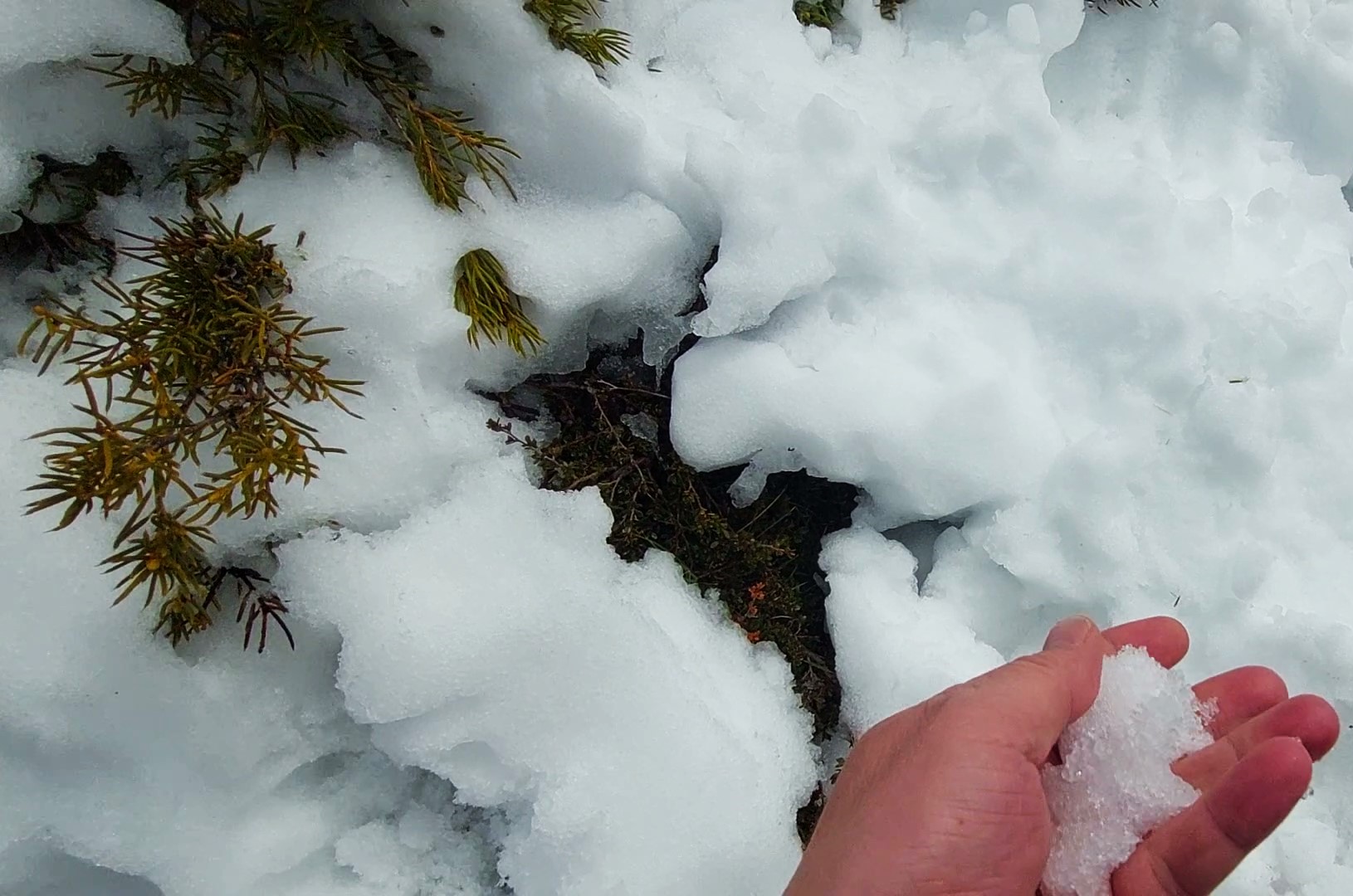
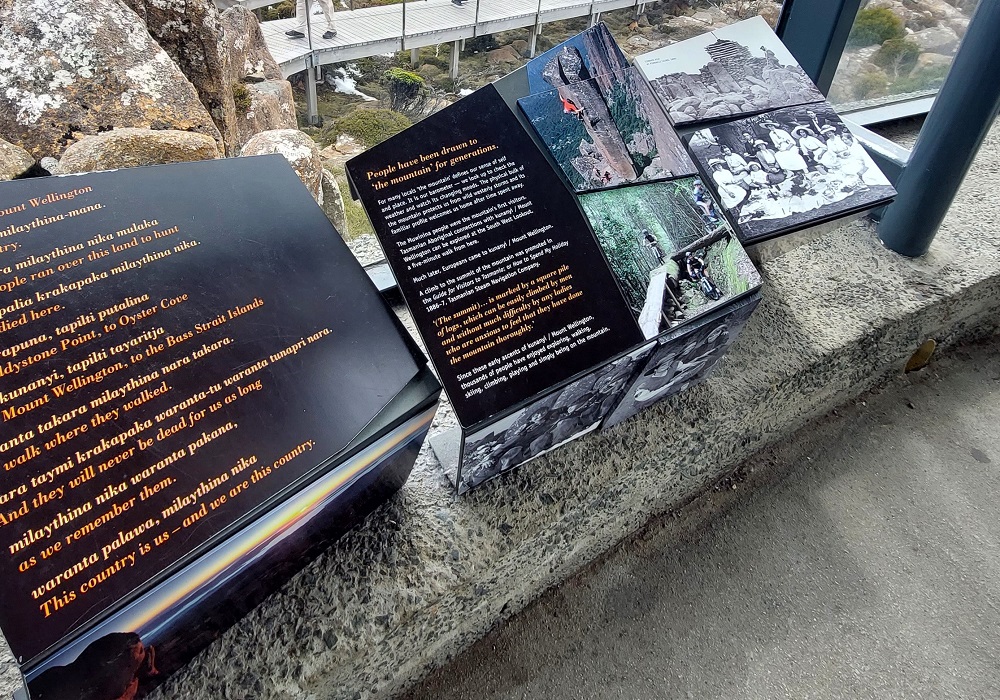
Mt Wellington is also named – Kunanyi in the Indigenous Tasmanian language of Palawa kani. The summit of Kunanyi/Mount Wellington has a well-appreciated Pinnacle Observation Shelter for the days when the weather is particularly challenging at the summit. The mountain is often snow-capped and is well known to experience biting cold winds that sweep across the mountain range. The mountain truly shows how diverse Tasmania can be with changes to flora within a few hundred meters ranging from temperate rain forest to tundra. Check out how snowy and windy it was – here.

Indigenous Australians have lived at Boondall Wetlands for a long time and continue to have links with this land. The wetlands contained campsites and ceremonial grounds where food, fiber, medicines, and other resources were gathered. The Catholic Church acquired 12 square km of Nudgee lands in 1863. They cut timber, grew small crops, and grazed cattle there.
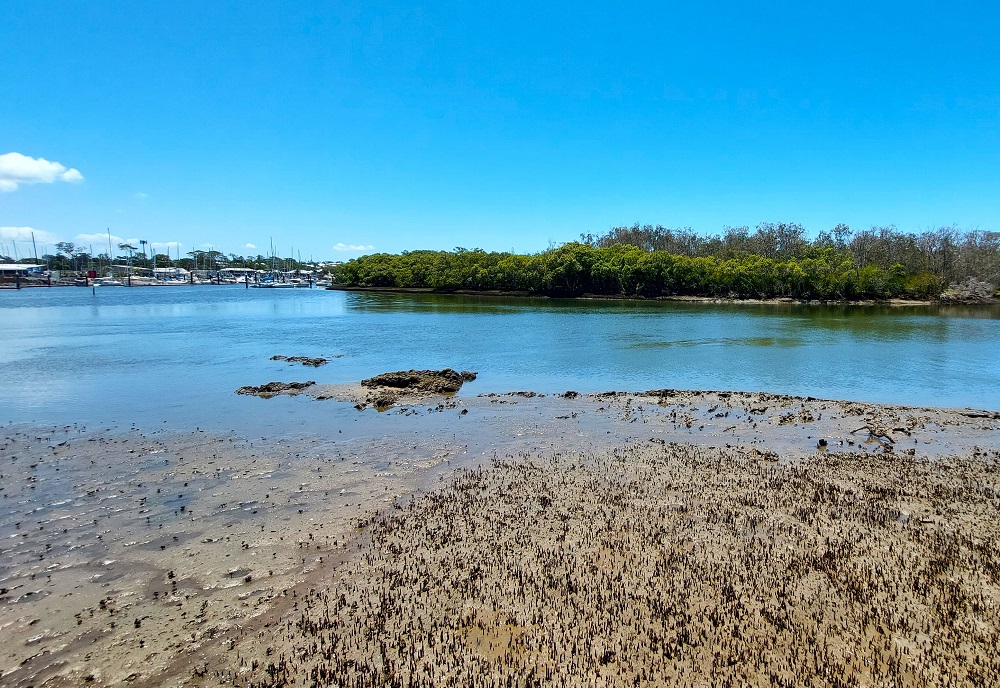
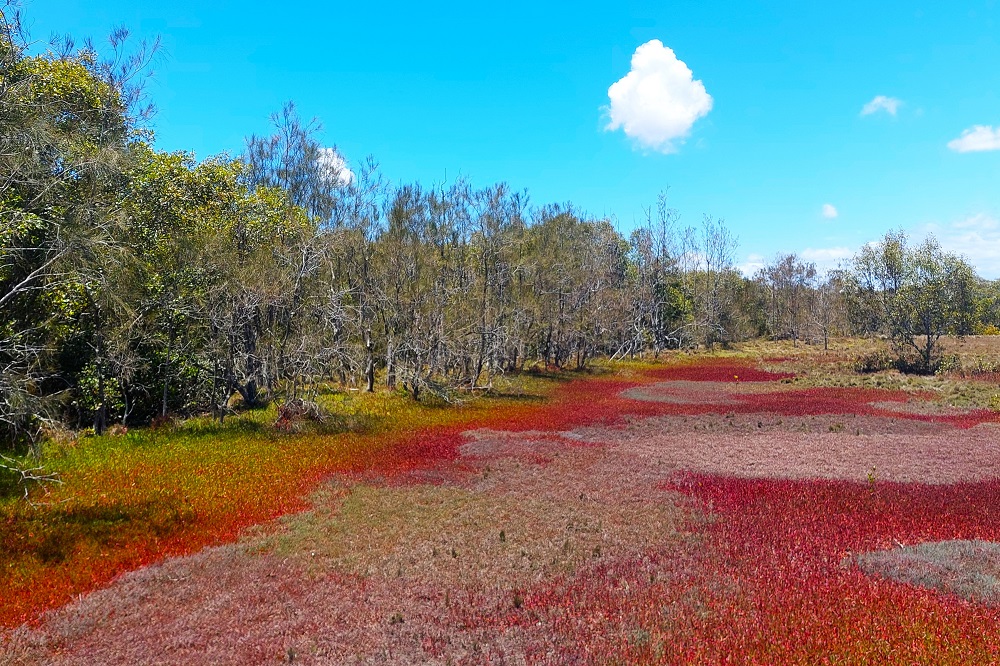
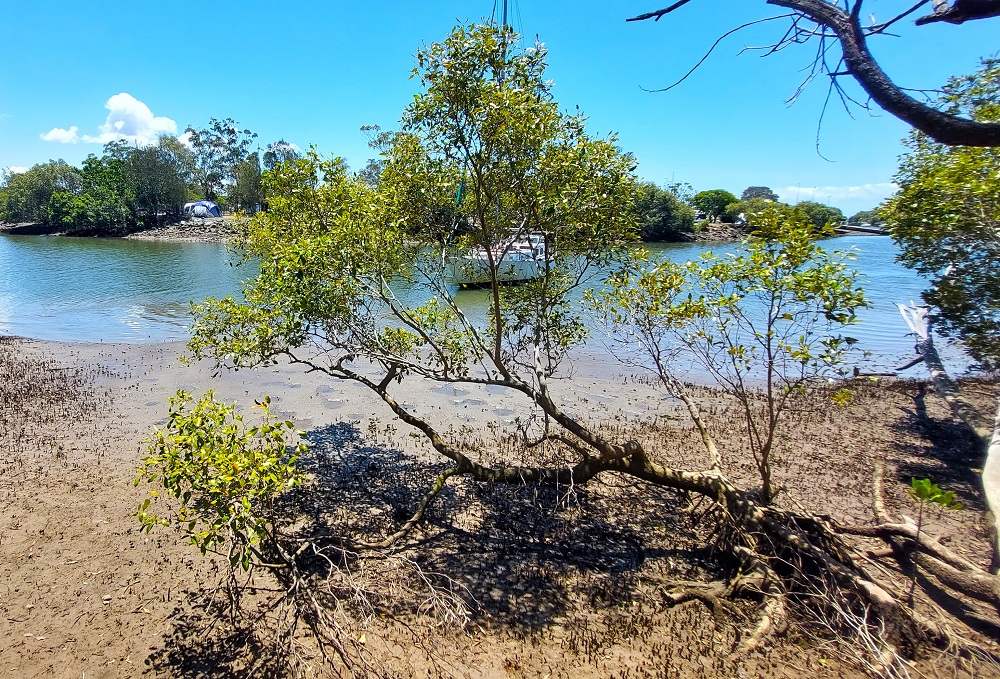
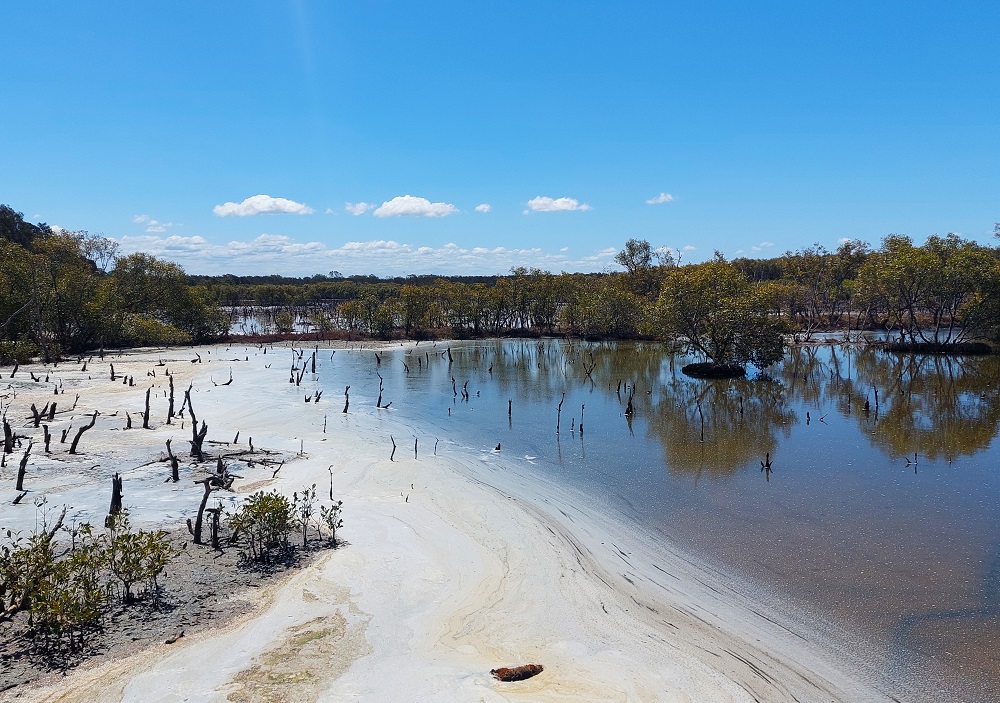
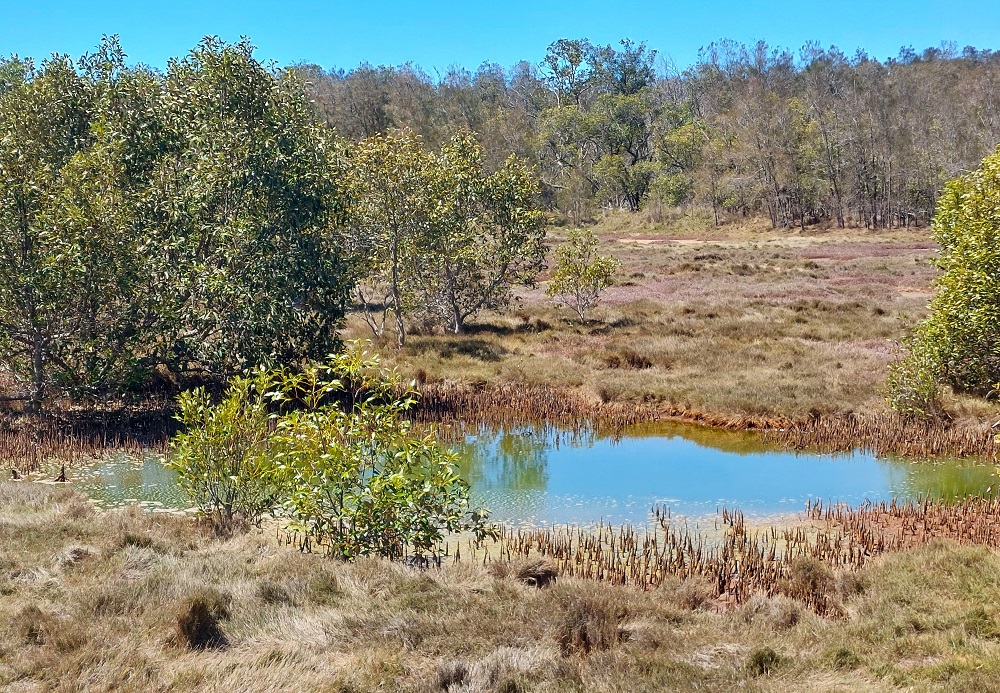
Boondall Wetlands Reserve is made up of a variety of coastal habitats, including tidal flats, mangroves, salt marshes, melaleuca wetlands, grasslands, open forests, eucalyptus and melaleuca woodlands, casuarina forests. The Boondall Wetlands are home to a diverse range of wildlife, including invertebrates, fish, reptiles, amphibians, mammals, and more than 190 species of birds.
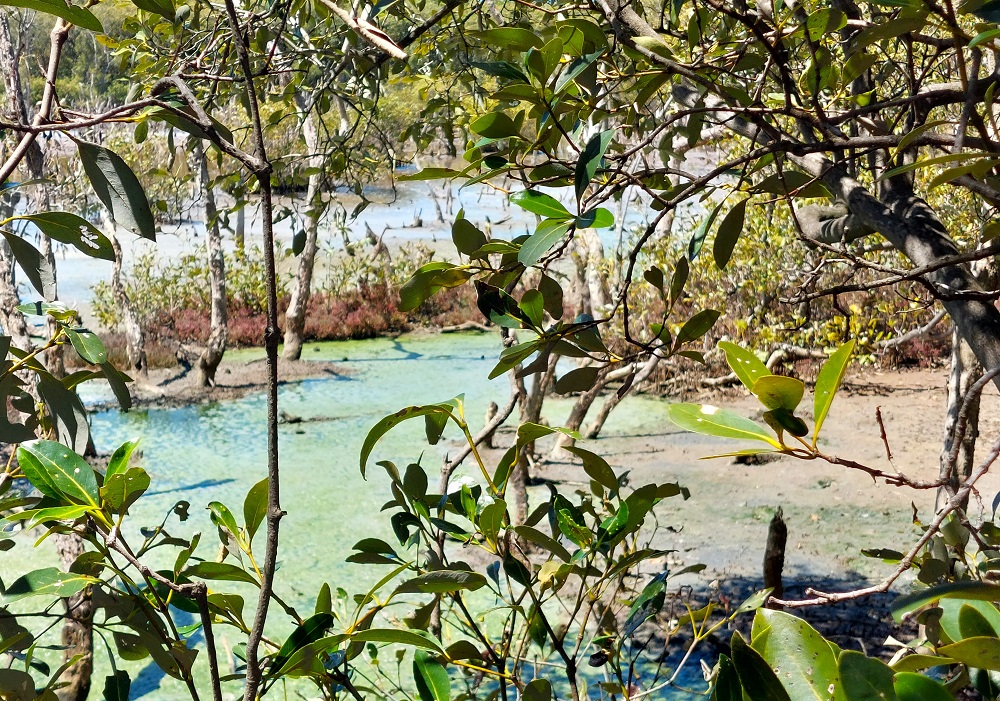
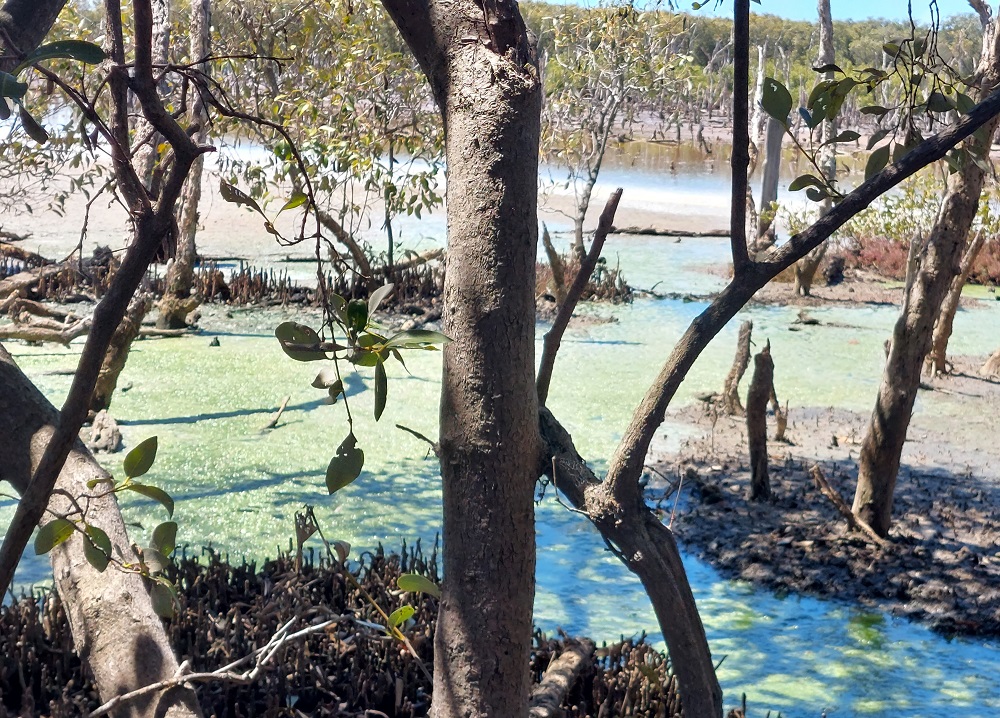
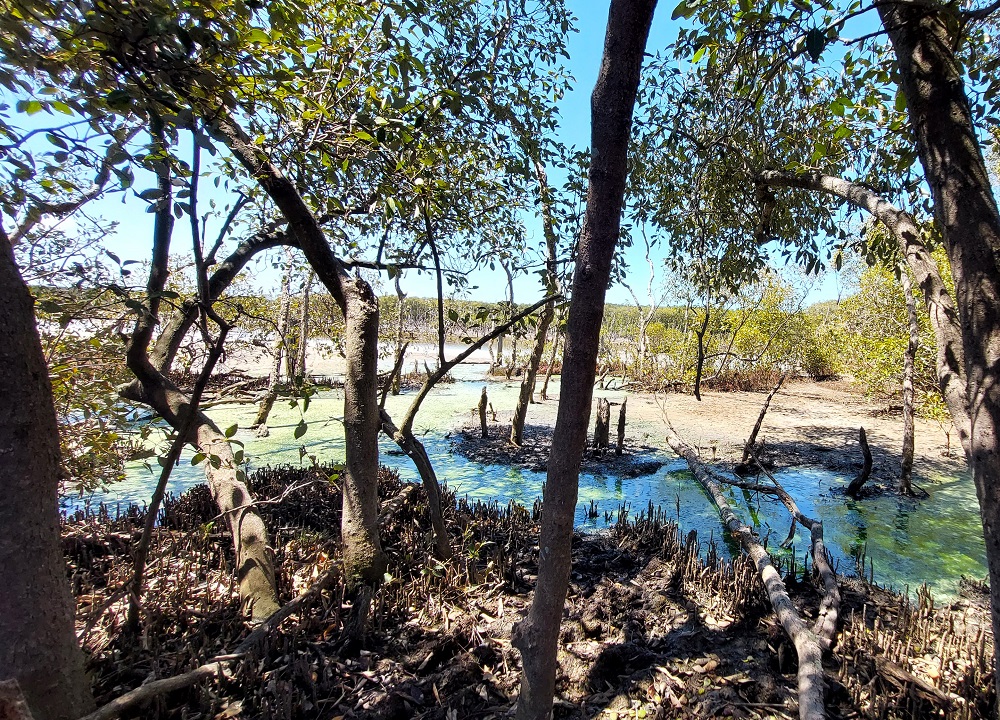
The wetlands are also globally important for migratory shorebirds, which breed in Arctic regions during the northern summer months. Wetlands perform important functions such as helping to reduce erosion, improving water quality through filtration, and providing vital habitat and food sources for wildlife.
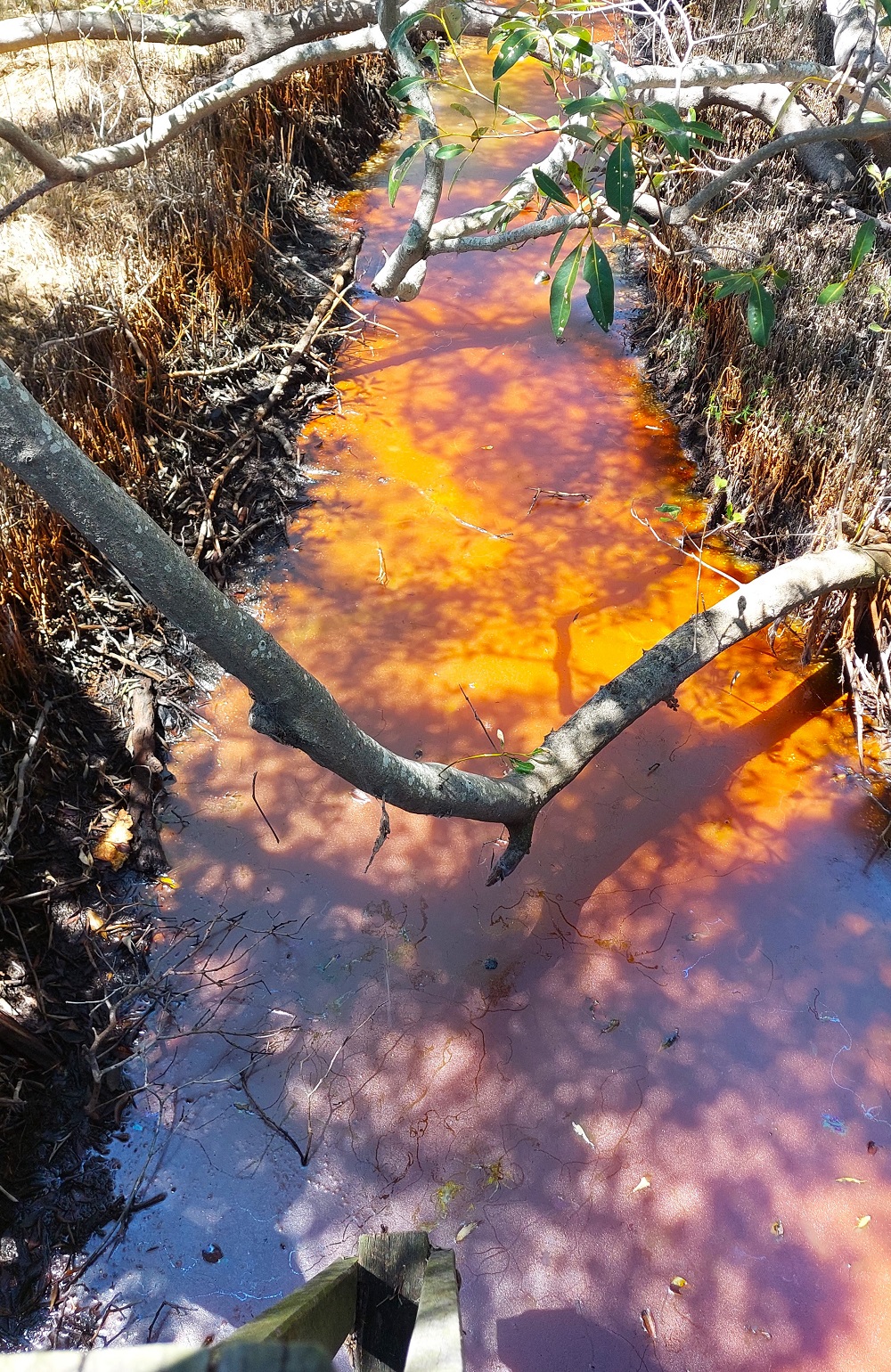
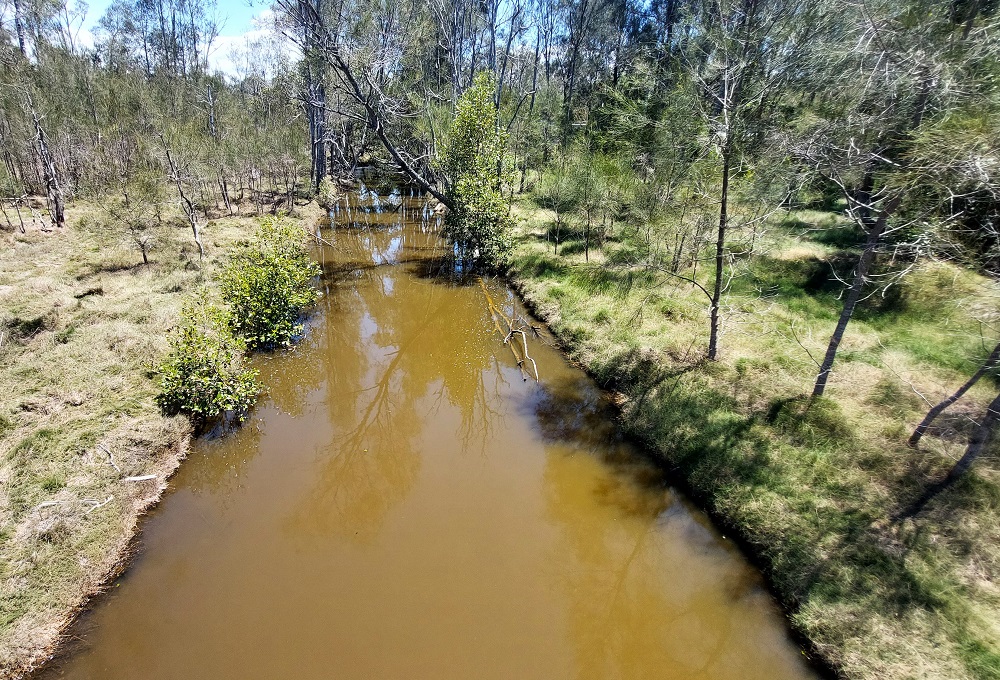
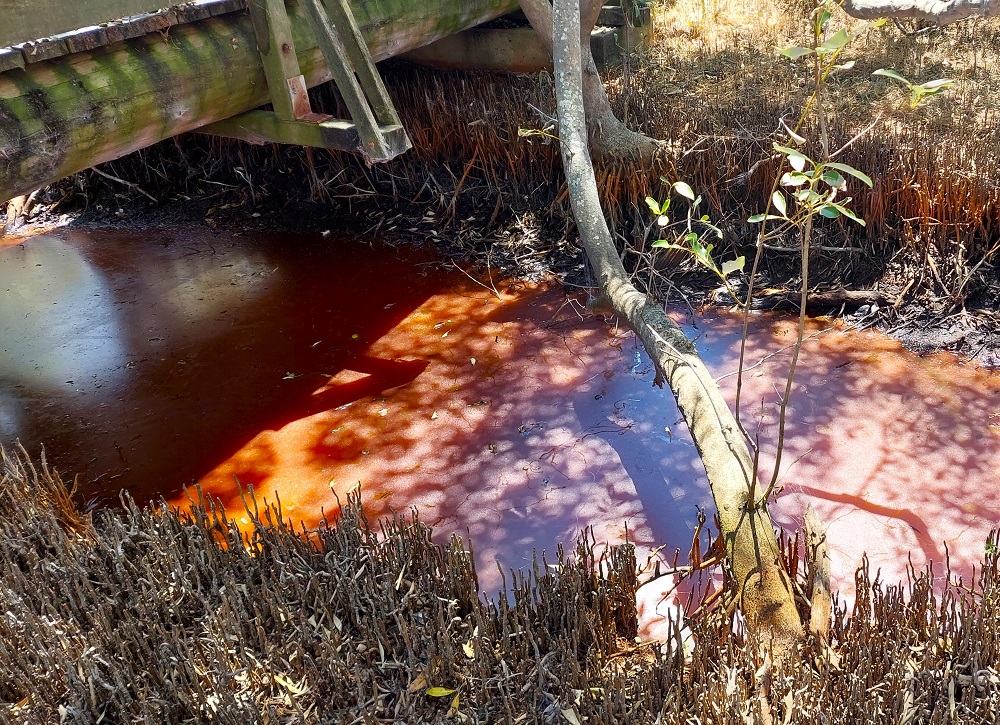
Video footage from my visit you will find here.
 Frog on the border