The Heavitree Gap Police Station
This station in Alice Springs has a significant connection to the history of Aboriginal and European contact in the region. The Heavitree Gap, also known as Ntaripe in the Arrernte language, is a sacred site for the Arrernte people. In Aboriginal mythology, it’s linked to other major sites in the area and is considered home to mythological life forces. In pre-European times, only certain men were permitted to visit the area.
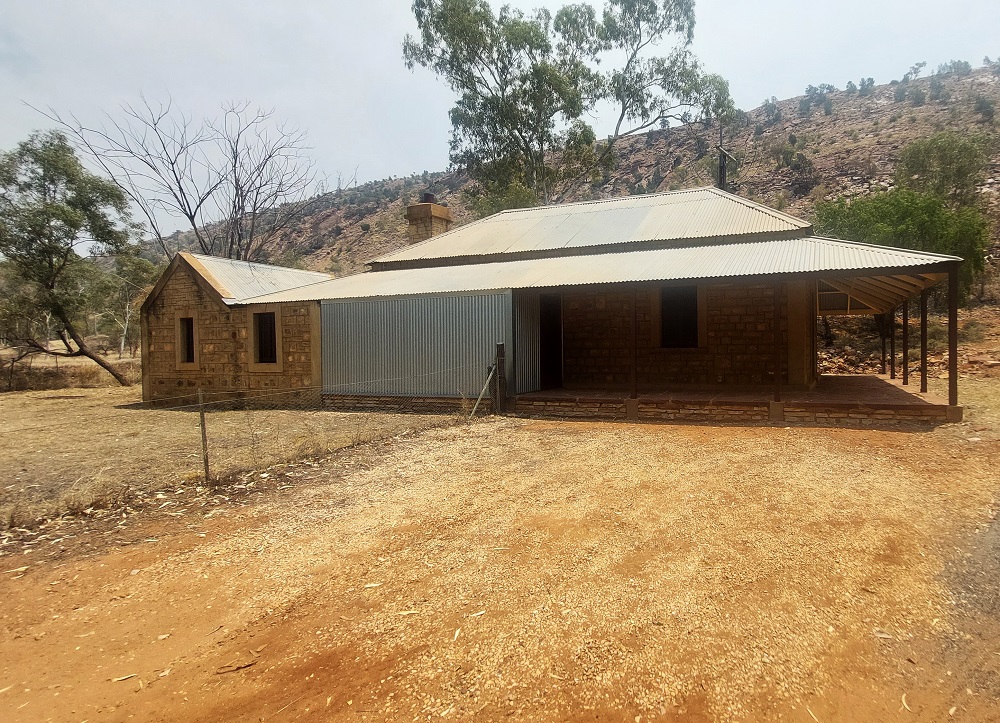
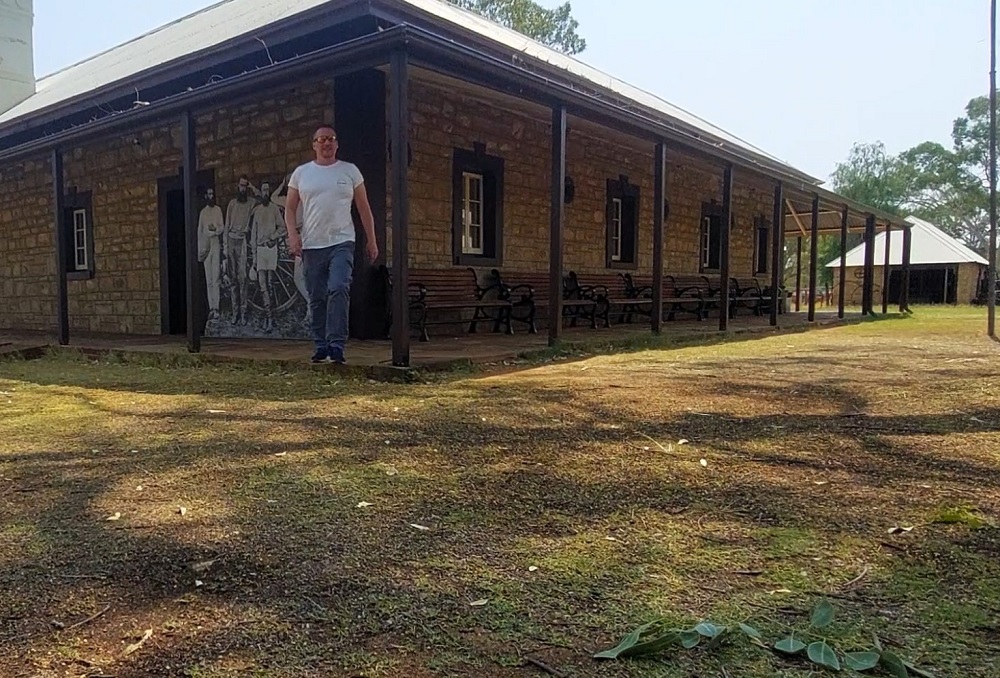
The Heavitree Gap Police Station was the first permanent police base in Central Australia, established in 1886. It was a significant contributor to European settlement in the area and early contact between Aboriginal and European people. The original police station was made up of a tent for stores and bough wurleys. A thatched log hut was added in 1887, and an old hut from the Telegraph Station was used for living quarters in 1888. However, flooding from the Todd River, railway construction, and Telstra cabling have destroyed all traces of these early buildings.
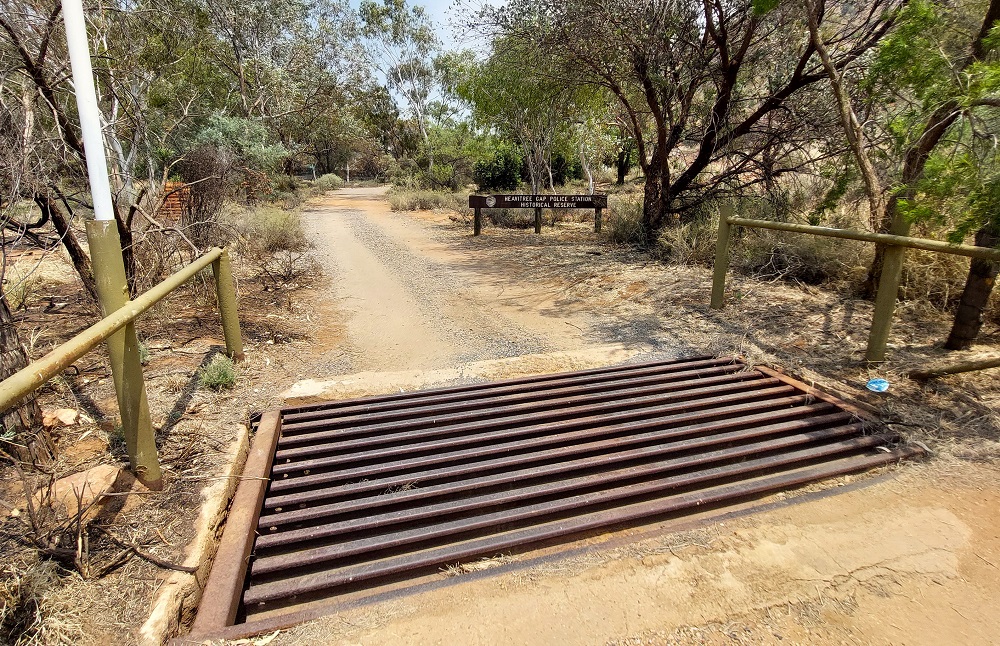


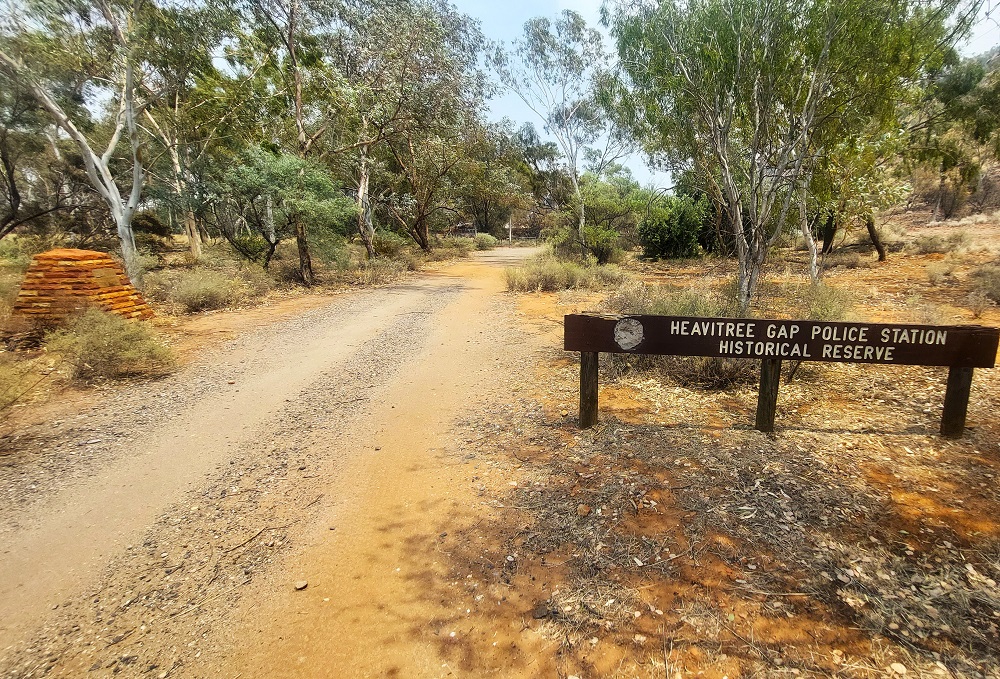
When constructed in 1889, the two-roomed thatched dwelling became an important point for a gradual change in living conditions for all concerned which was eventually abandoned as it did not meet those requirements. In 1904 it became the first official gaol, prison, and house of correction in central Australia until it was closed in 1909. The place got into complete ruins throughout the years after that. It was restored as a historic building in 1971. The Heavitree Gap Police Station is now part of the Heavitree Gap Historical Reserve, which is listed on the Northern Territory Heritage Register.
Here you can watch my visit.



Telegraph Station Historical Reserve
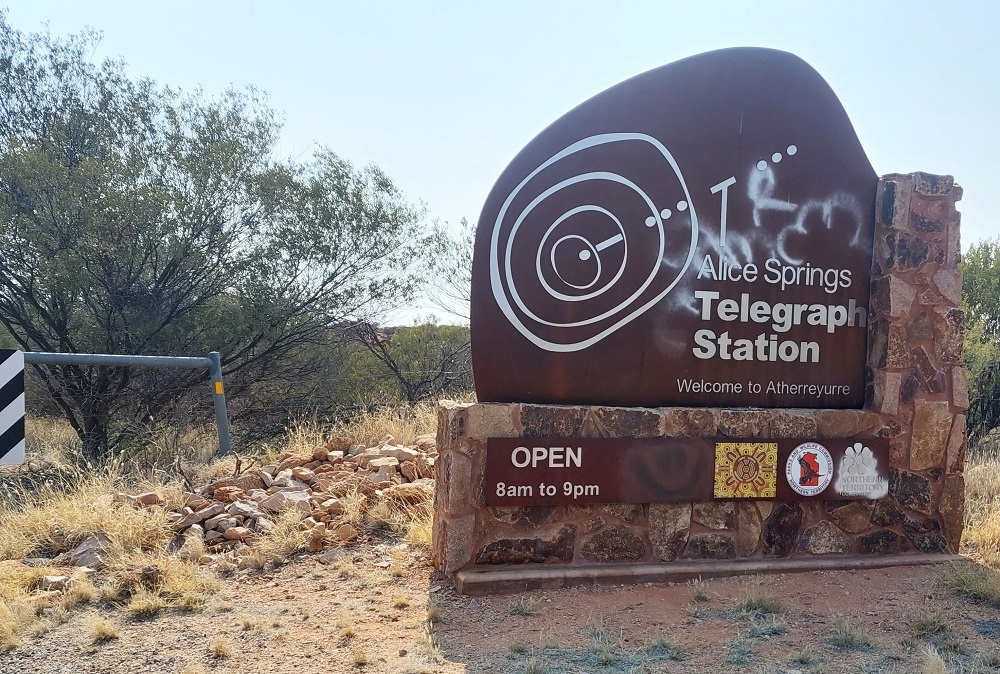
The Alice Springs Telegraph Station Historical Reserve is regarded as the original site of the first European settlement in Alice Springs. It was established in 1872 to receive and pass on messages between Adelaide and Darwin. Of the twelve stations along the Overland Telegraph Line, this one is the best preserved.
Construction of the Telegraph Station began in November 1871.
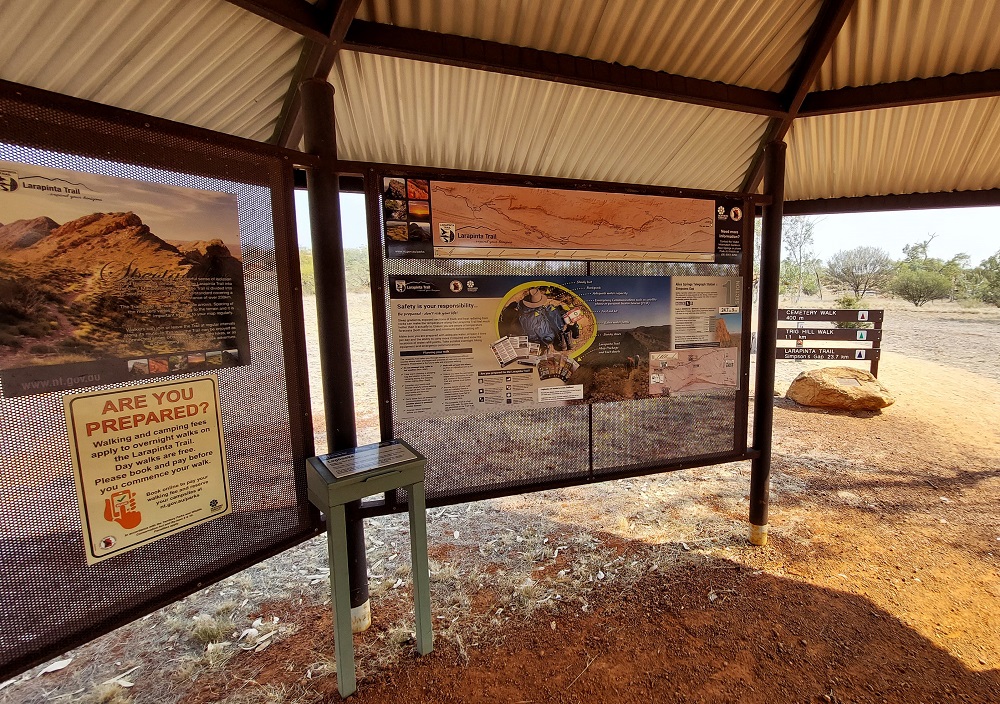
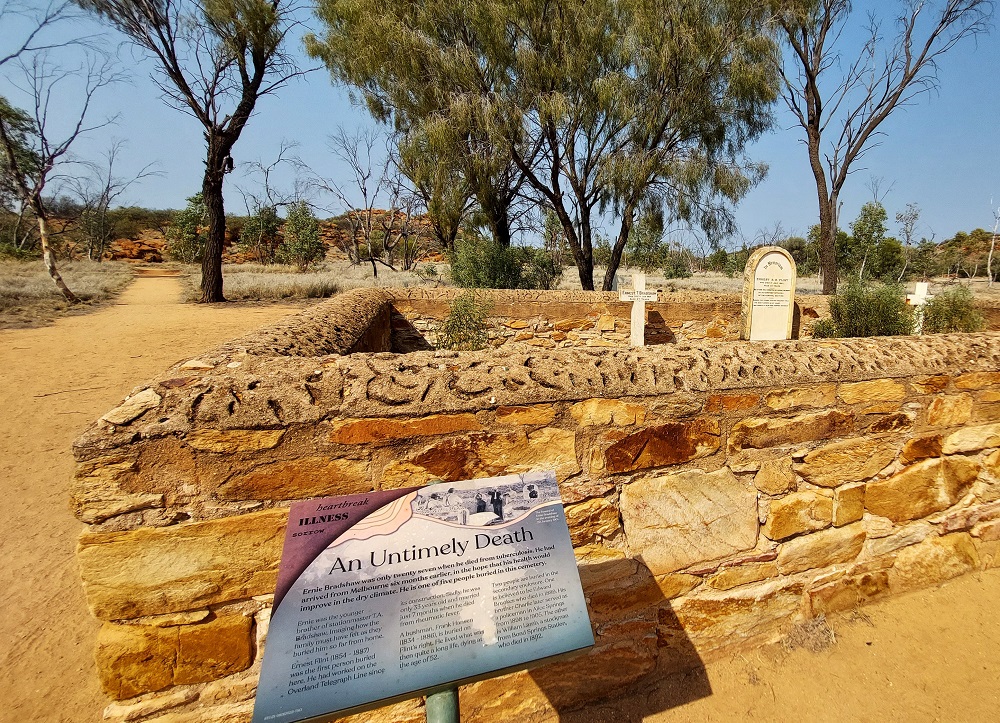
After 60 years of operation, the Telegraph Station buildings served as a school and bungalows for Aboriginal children. It was also used by the Army during World War two. Nearby there is Old Telegraph Station Cemetery where five people were buried, Ernie Bradshaw being one of them.
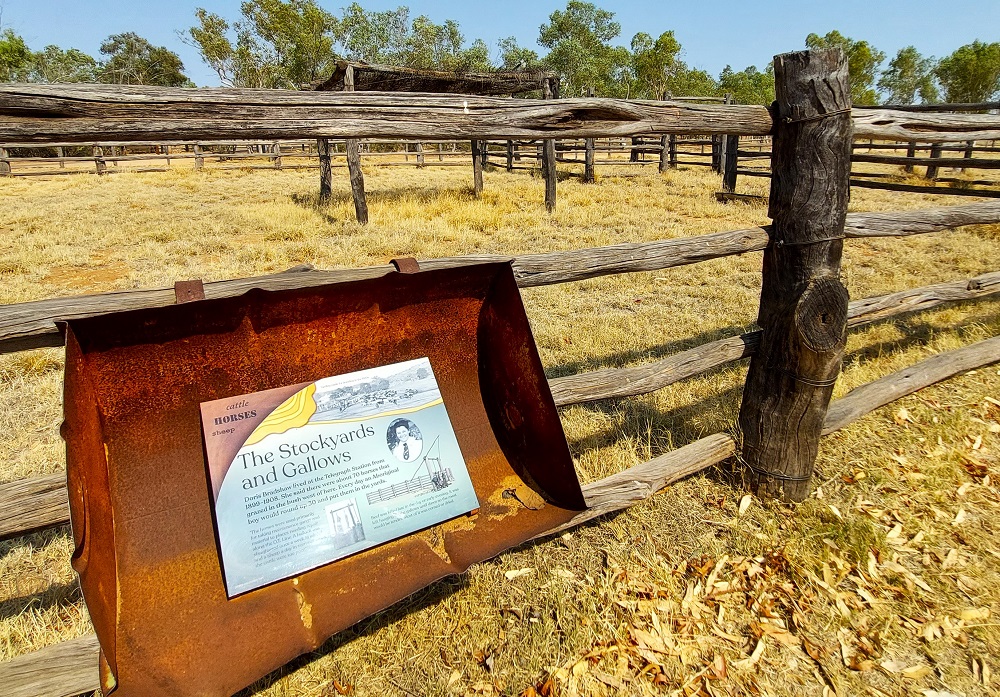
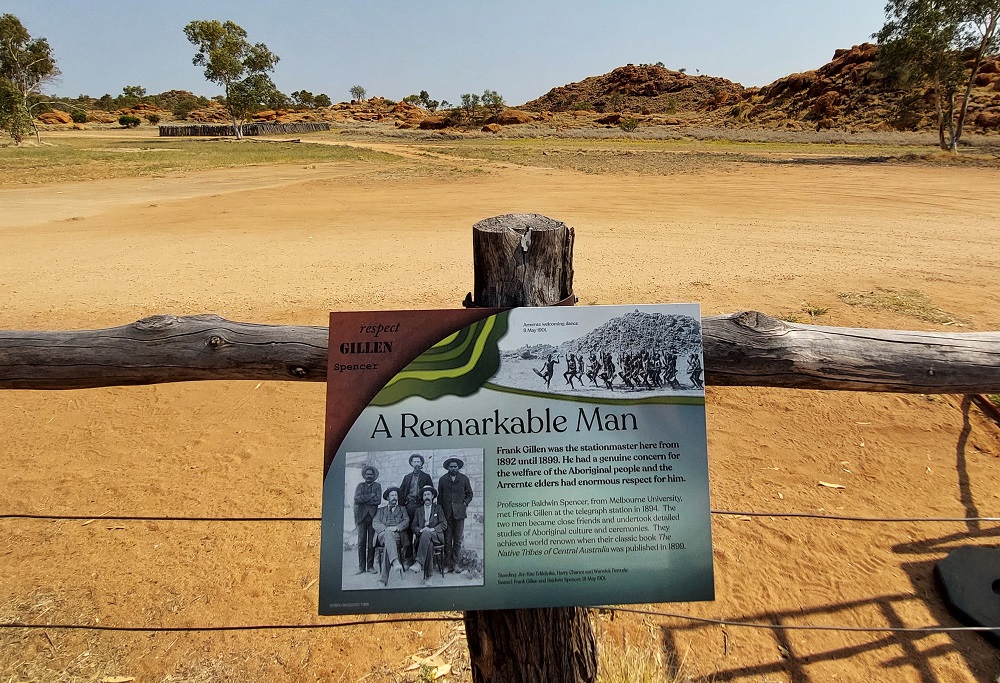

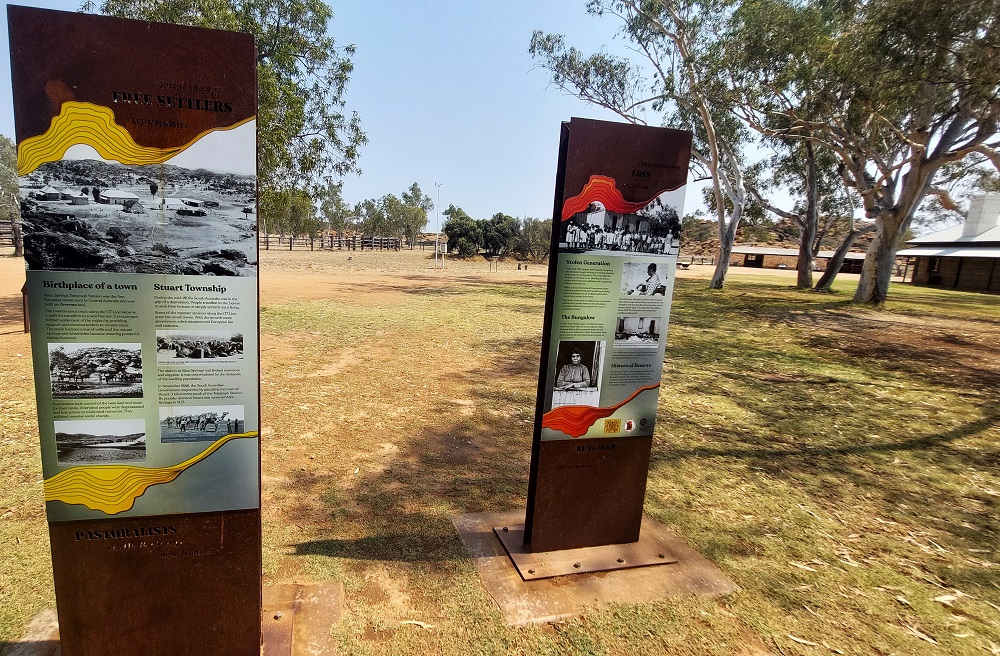
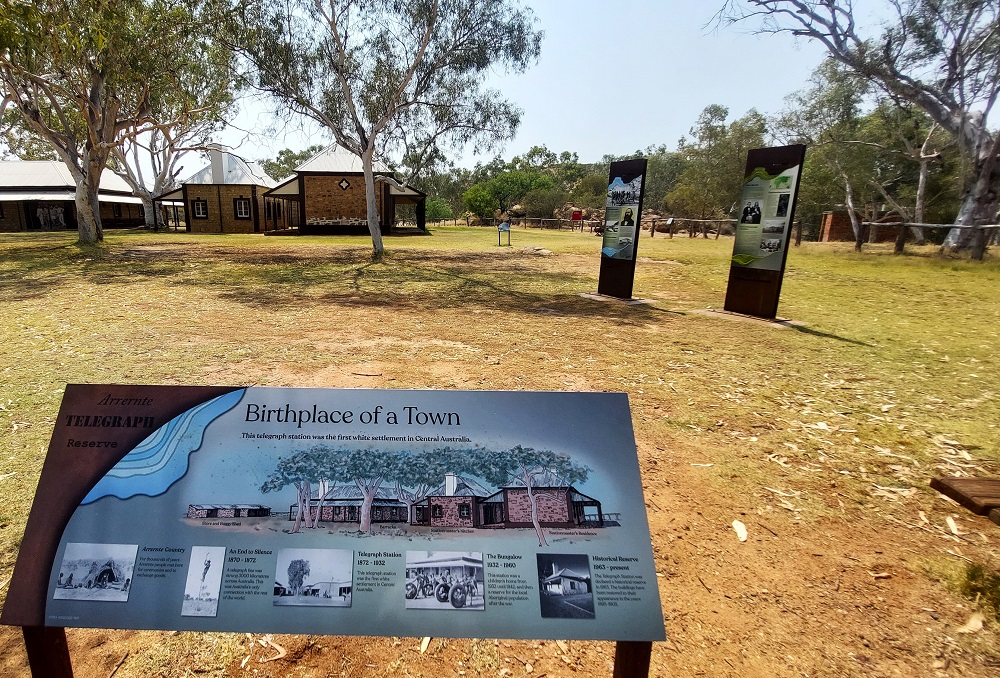
Rooms displaying apparatus, devices, and everyday used equipment that served the true purpose of the station.
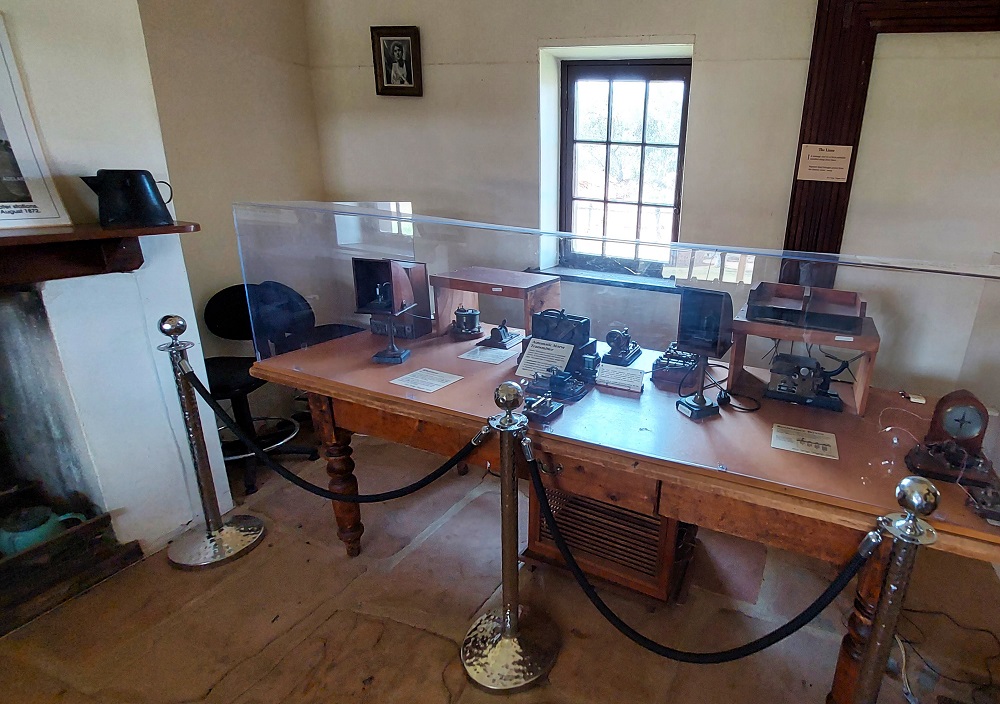
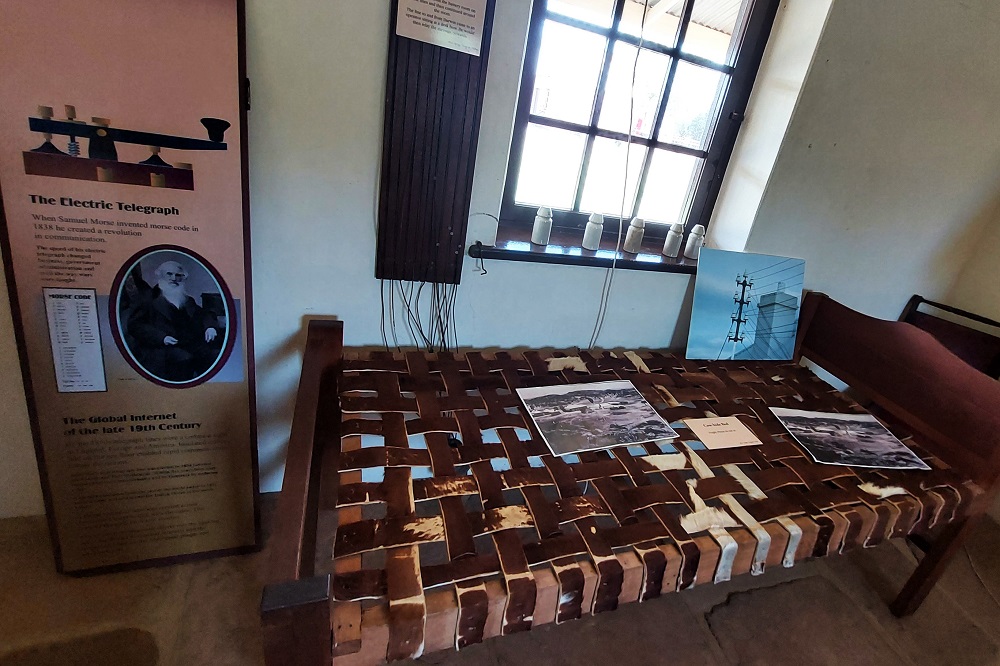

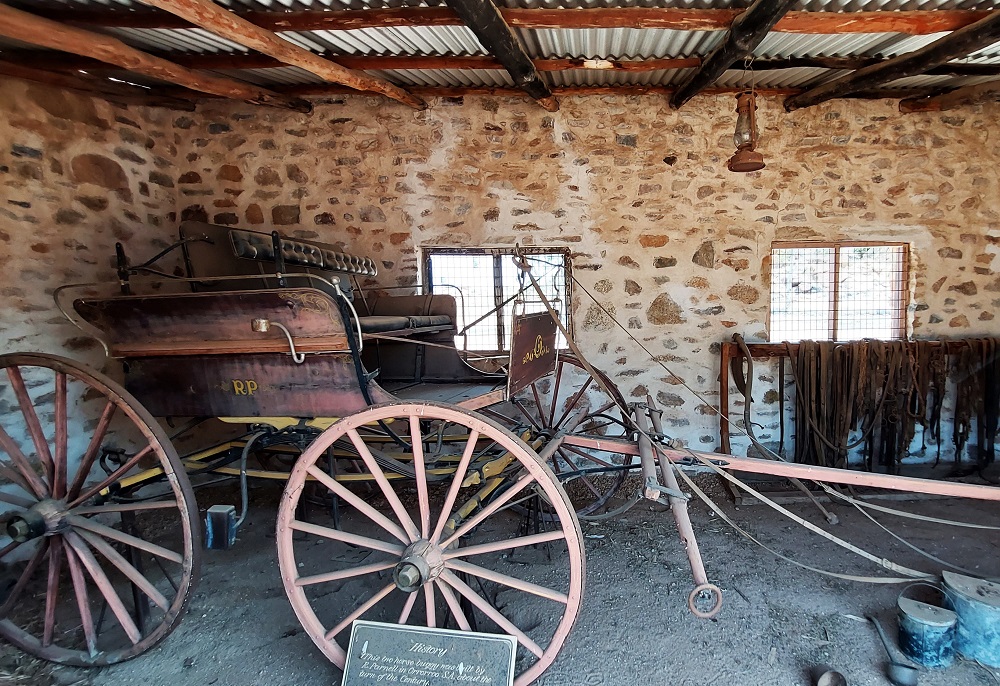
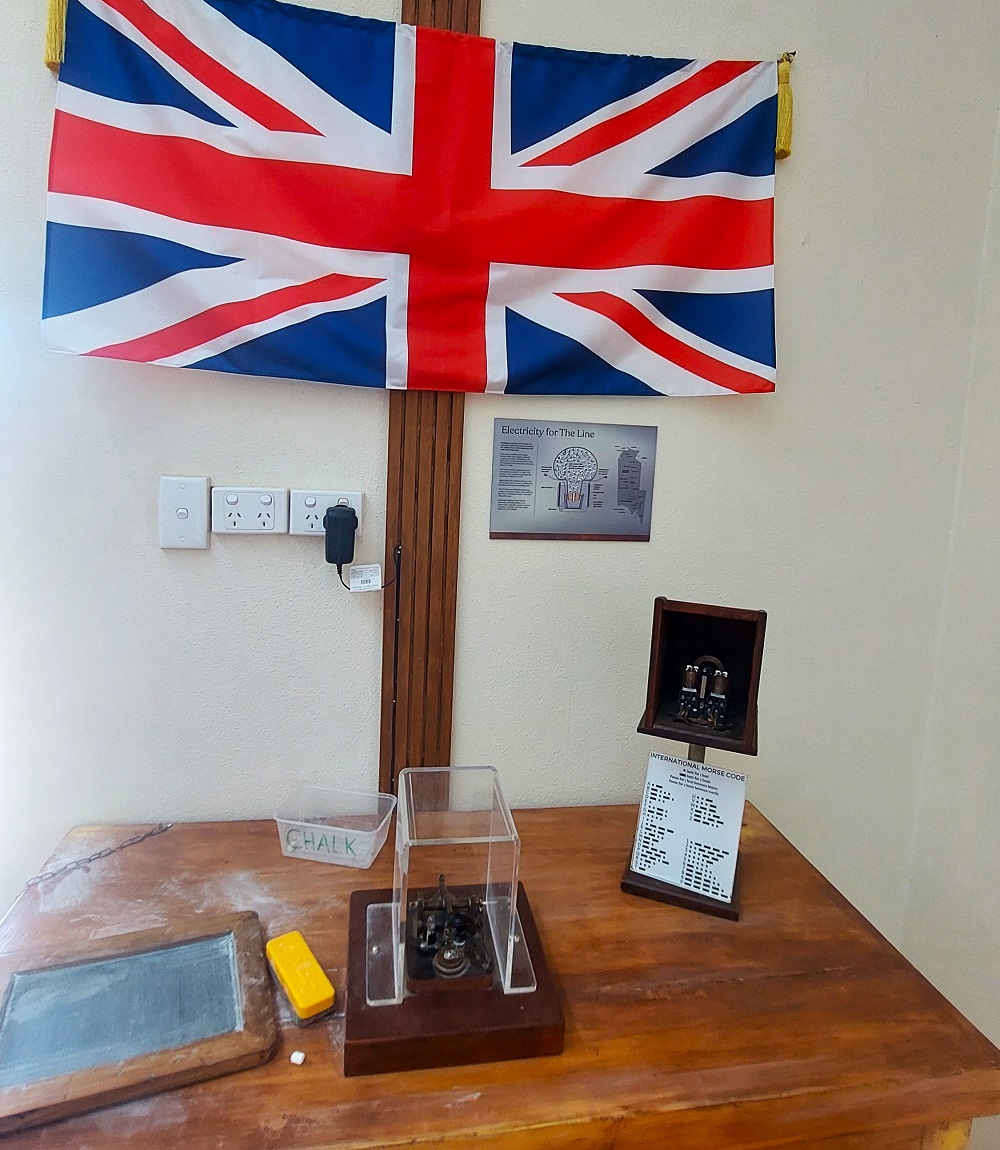
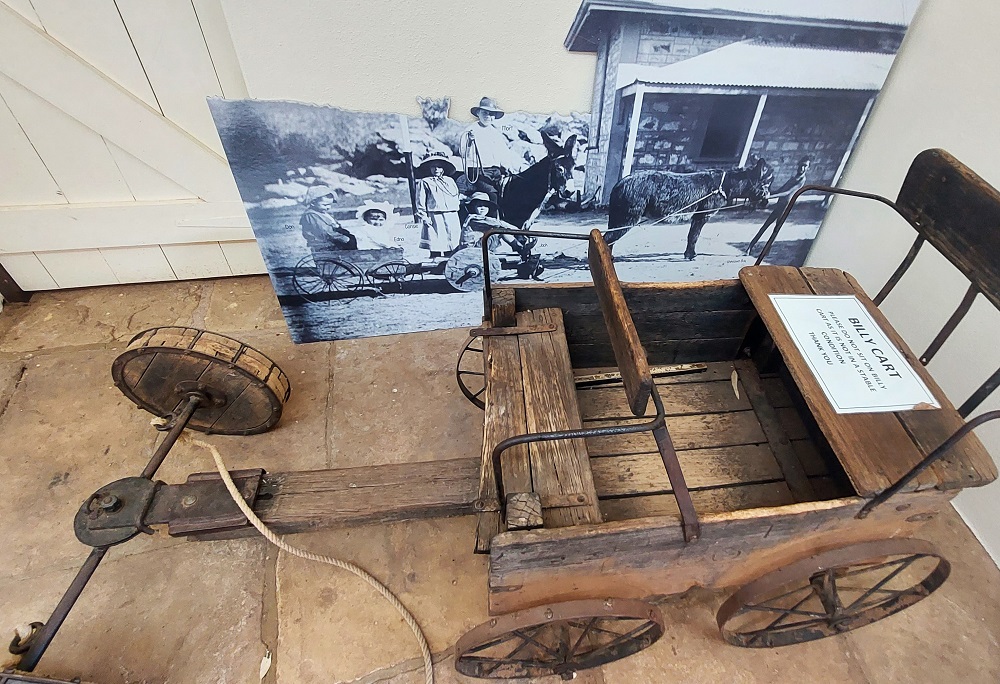
Operating originally as a Telegraph Station and Post Office using Morse code, and still a registered and operational Post Office. You can purchase postage stamps and post your letter at the Trail Station Cafe. All mail posted in the original red Postbox on site is stamped with the unique Telegraph Station Commemorative Franking Stamp. Please watch the video tour from my visit.


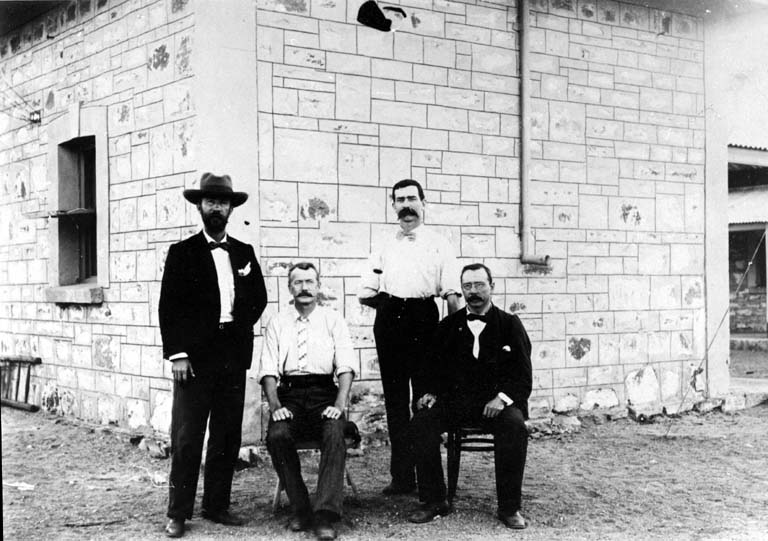
The Telegraph Station in its early stages – 1905.

 Frog on the border