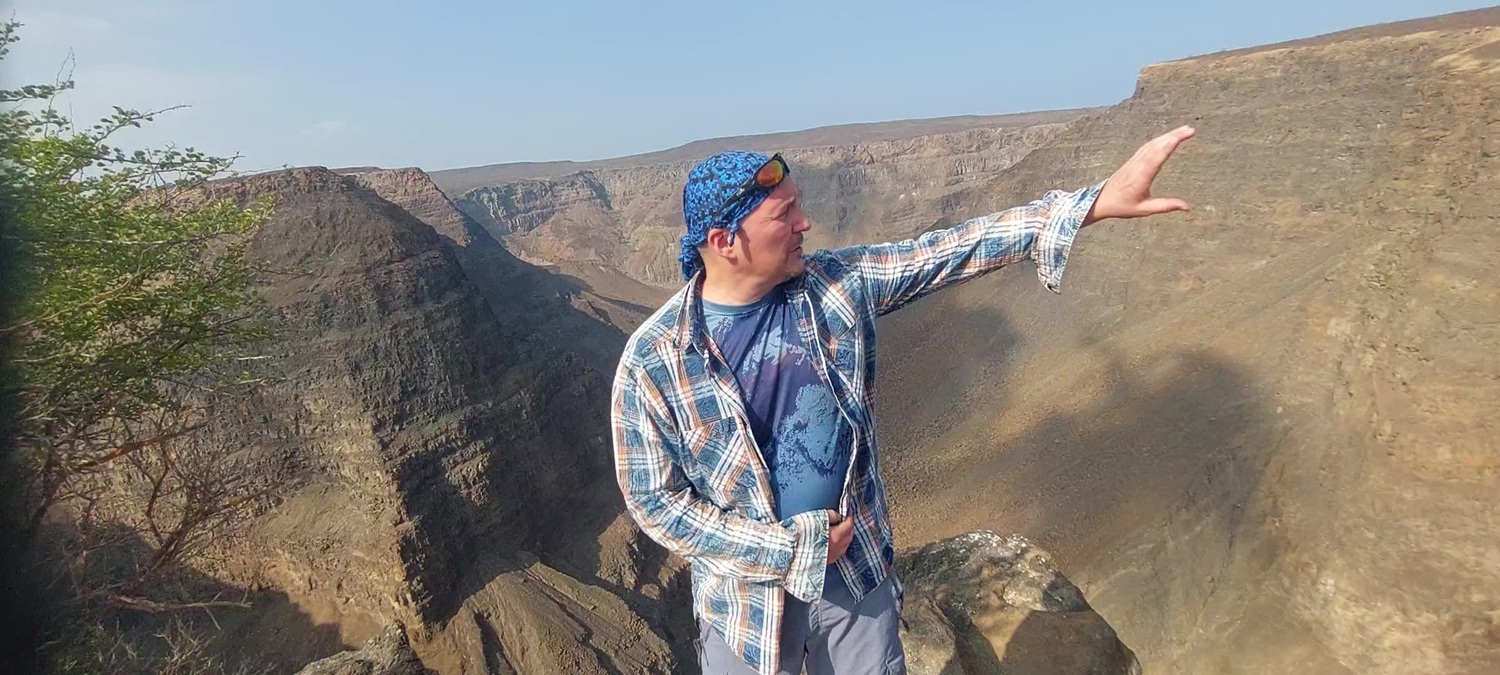
Berbera, located in northwestern Somalia, on the Gulf of Aden, is under the jurisdiction of the Republic of Somaliland, a self-declared independent state. The town was first invaded by the Portuguese in 1518, then by the Egyptians in 1875, and by the British in 1884. It served as the capital of British Somaliland until 1941.
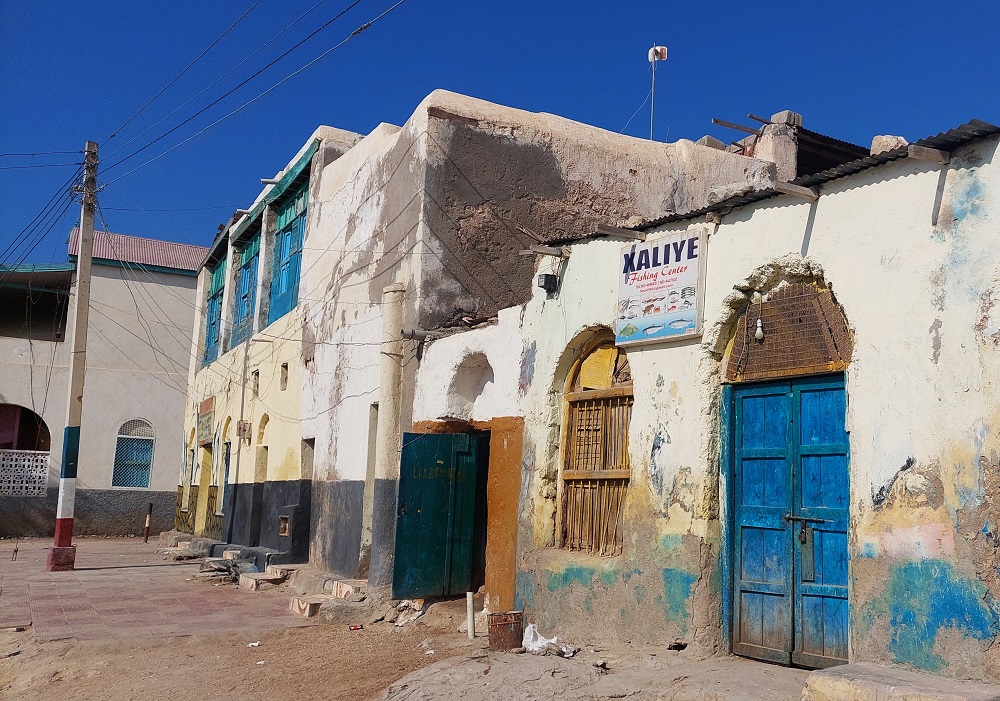
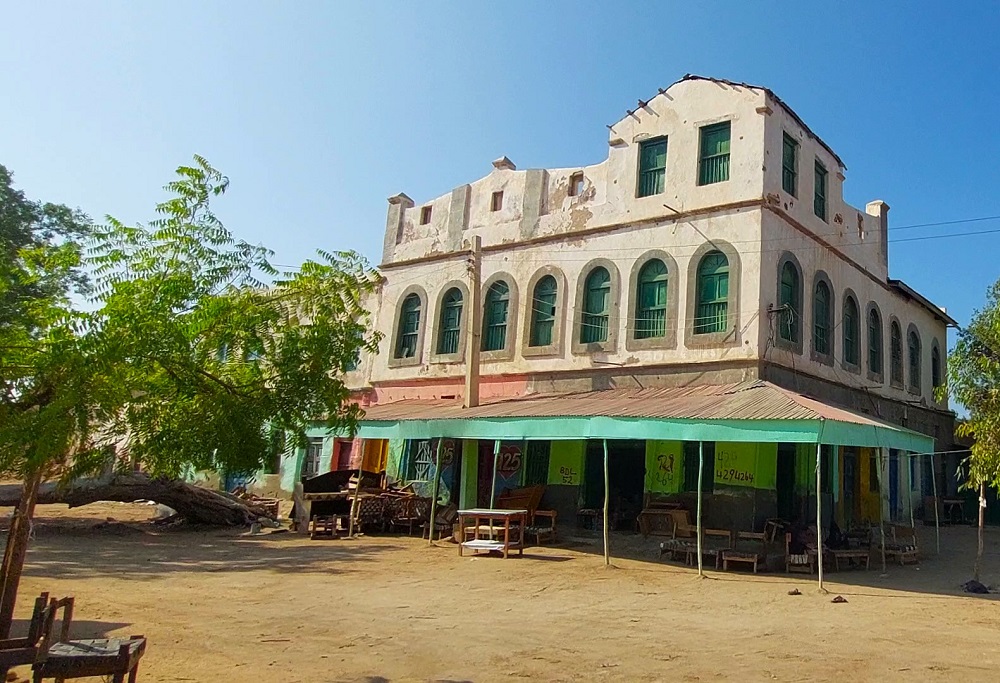
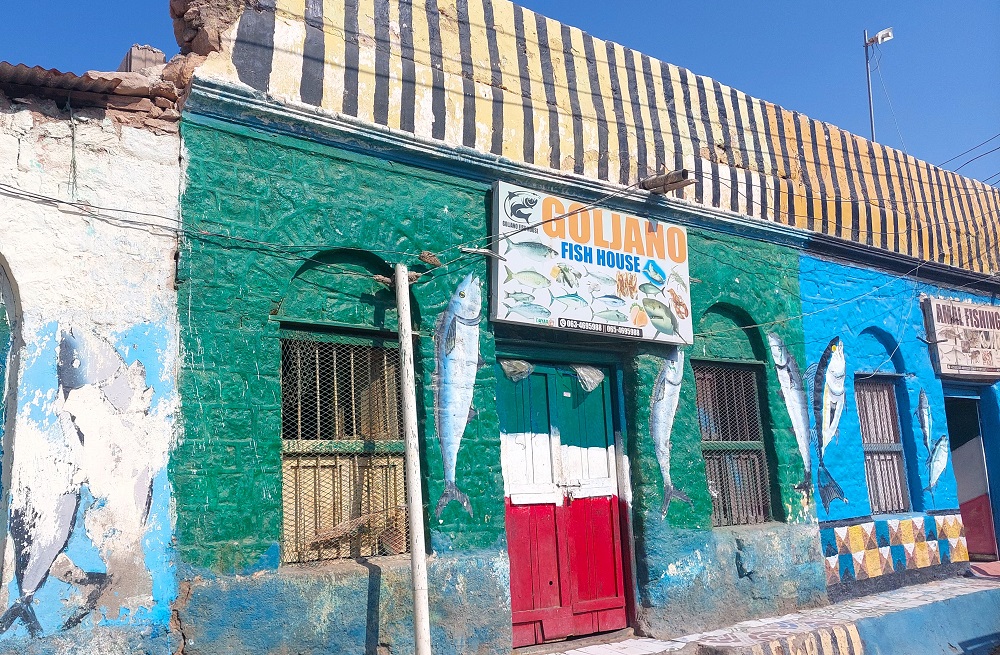
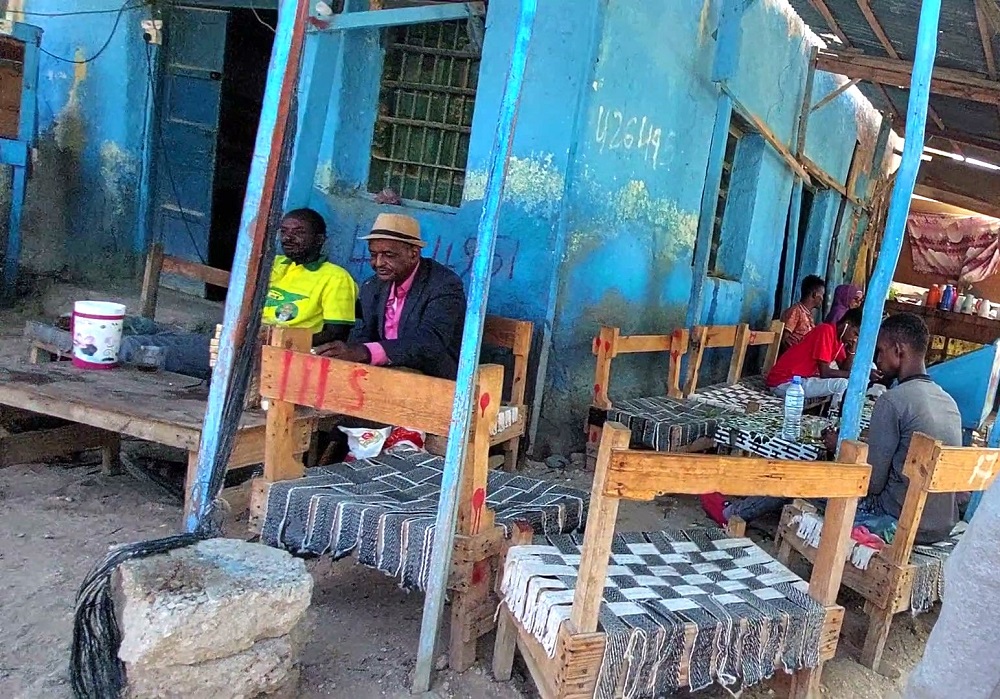
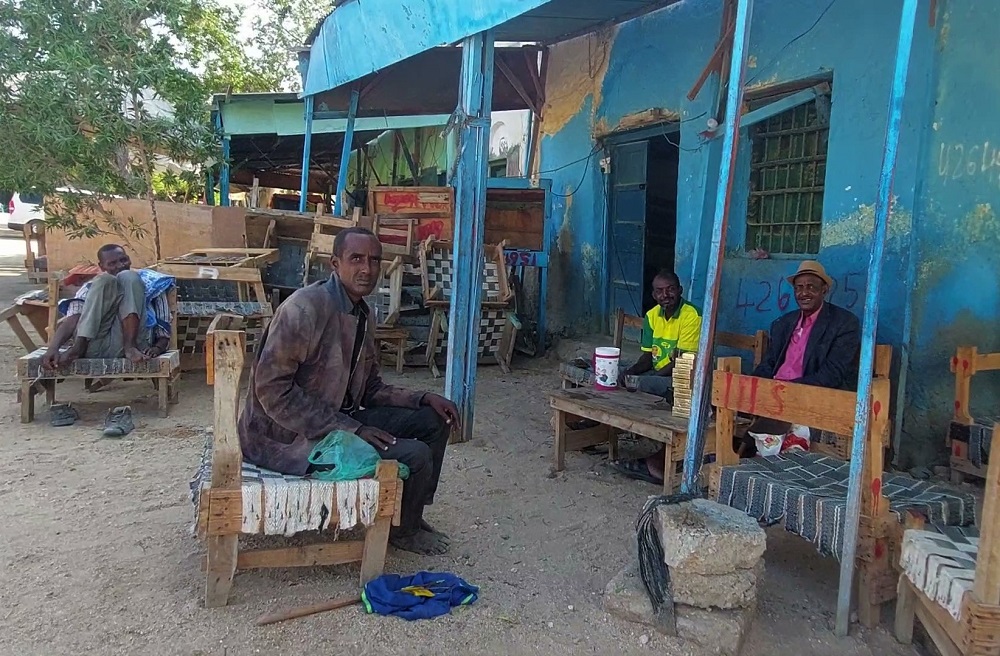
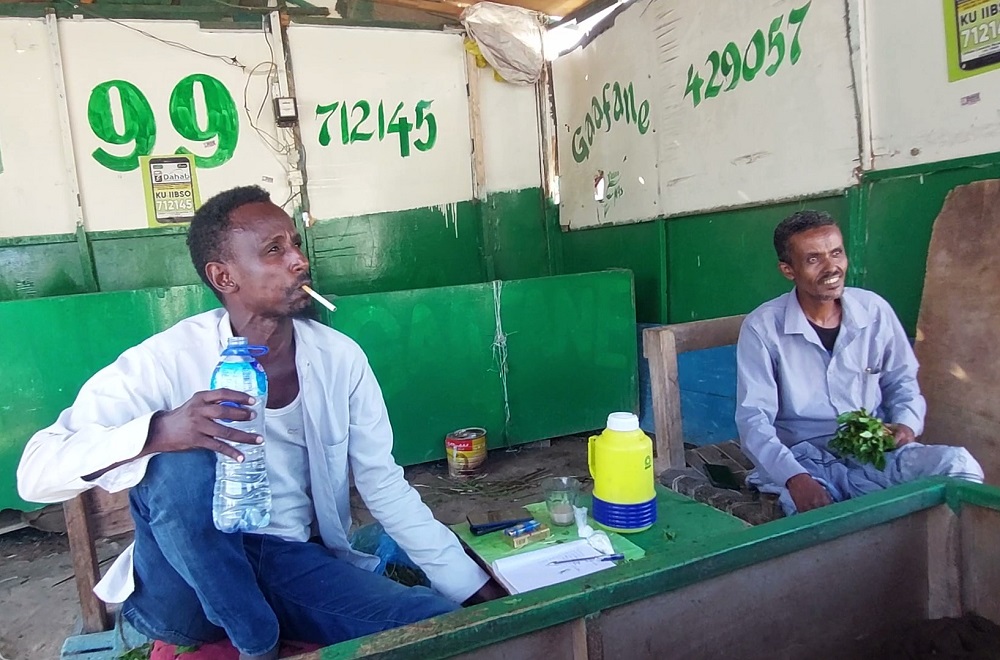
The majority group of people that represent Berbera is Issa Muse, a sub-clan of the Habr Awal taking much control over this area since 1991. Habr Je’lo and Habr Yunis groups are also present in Berbera. Chatting with locals was quite an experience, we touched the current affairs such as the war in Ukraine, elections, and social and marital life in Somalia. You may find my video footage interesting here.
LAAS GEEL CAVE PAINTINGS
The discovery almost shook the archeological community. Estimated to be between 9000 and 3000 years old, going back to the Neolithic era. Unique in its iconographic style, preservation, and dating, but not a UNESCO World Heritage Site, as the state of Somaliland is not recognized by the international authorities.
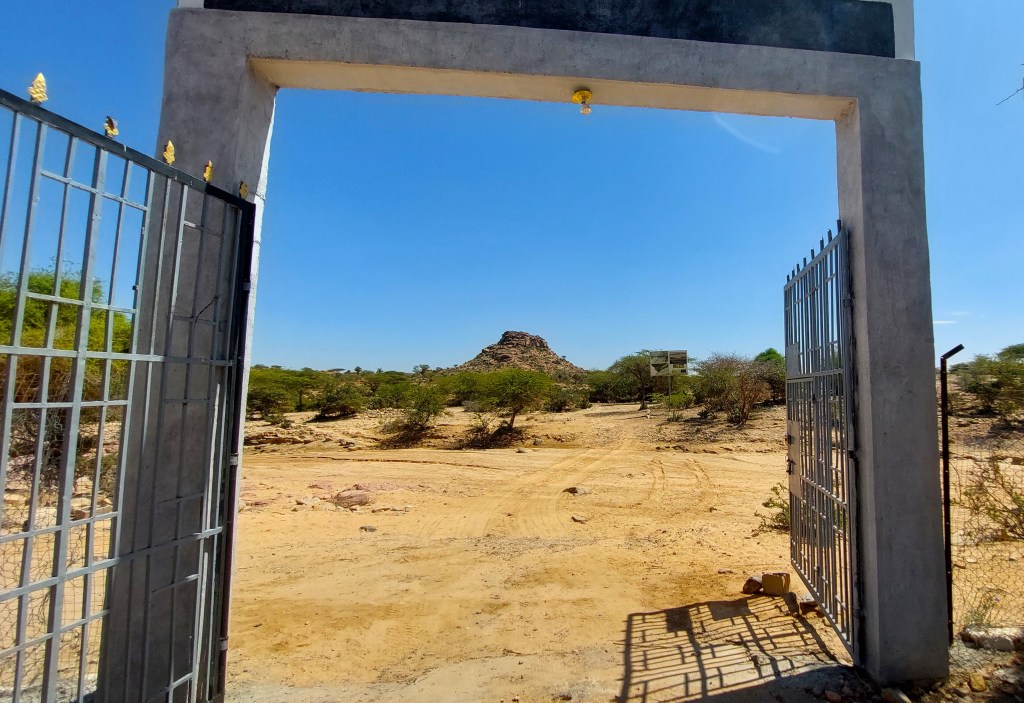
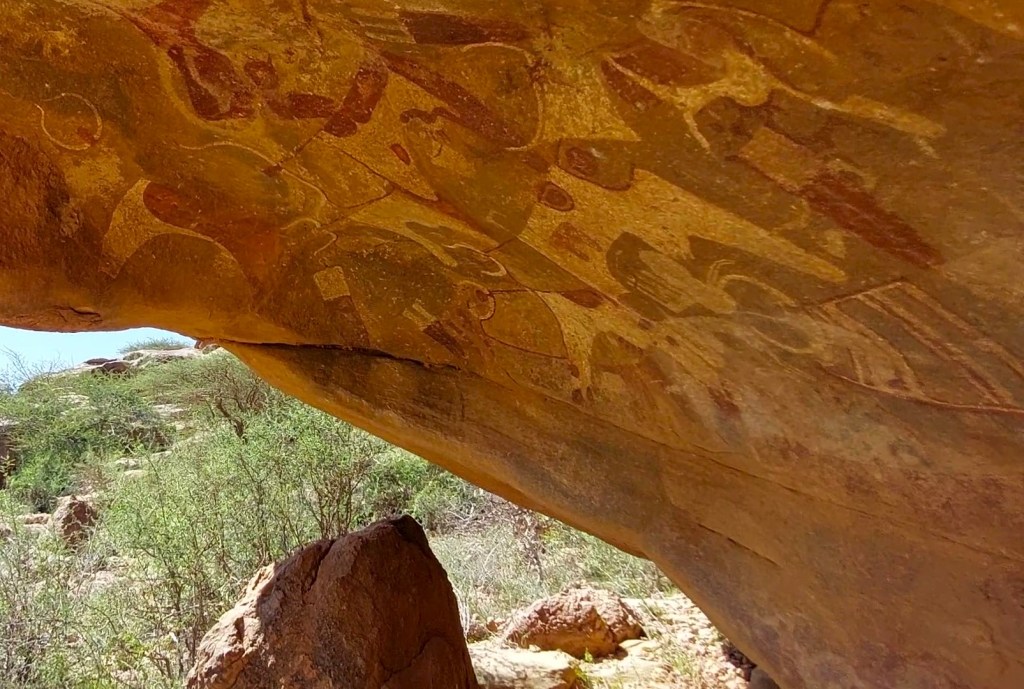

The site has been known to locals for centuries but it was only in 2002 that it came to international attention and archeological recognition when discovered by a French team led by Xavier Gutherz. The name of the site (“the camel’s well” in Somali) refers to the availability of water near the surface of river valleys. This amazing visit is captured on video here.
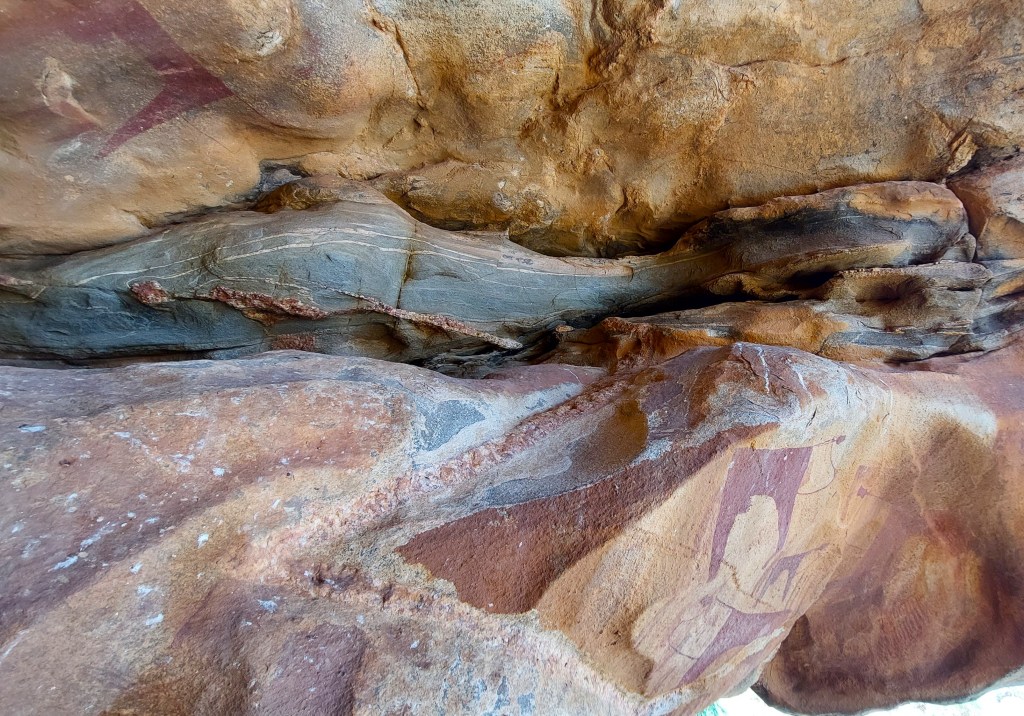

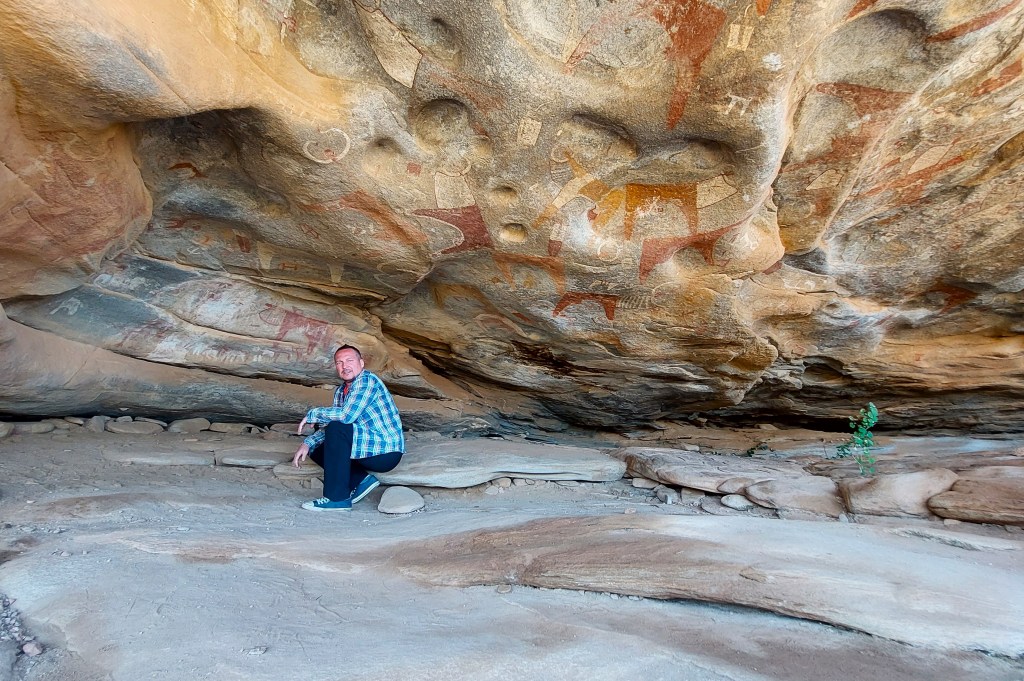
If estimates from the archeologists are correct (4-3 millennia BC), this site may be the oldest evidence of cattle domestication in the Horn of Africa and the oldest known rock art site in this region.
 Frog on the border