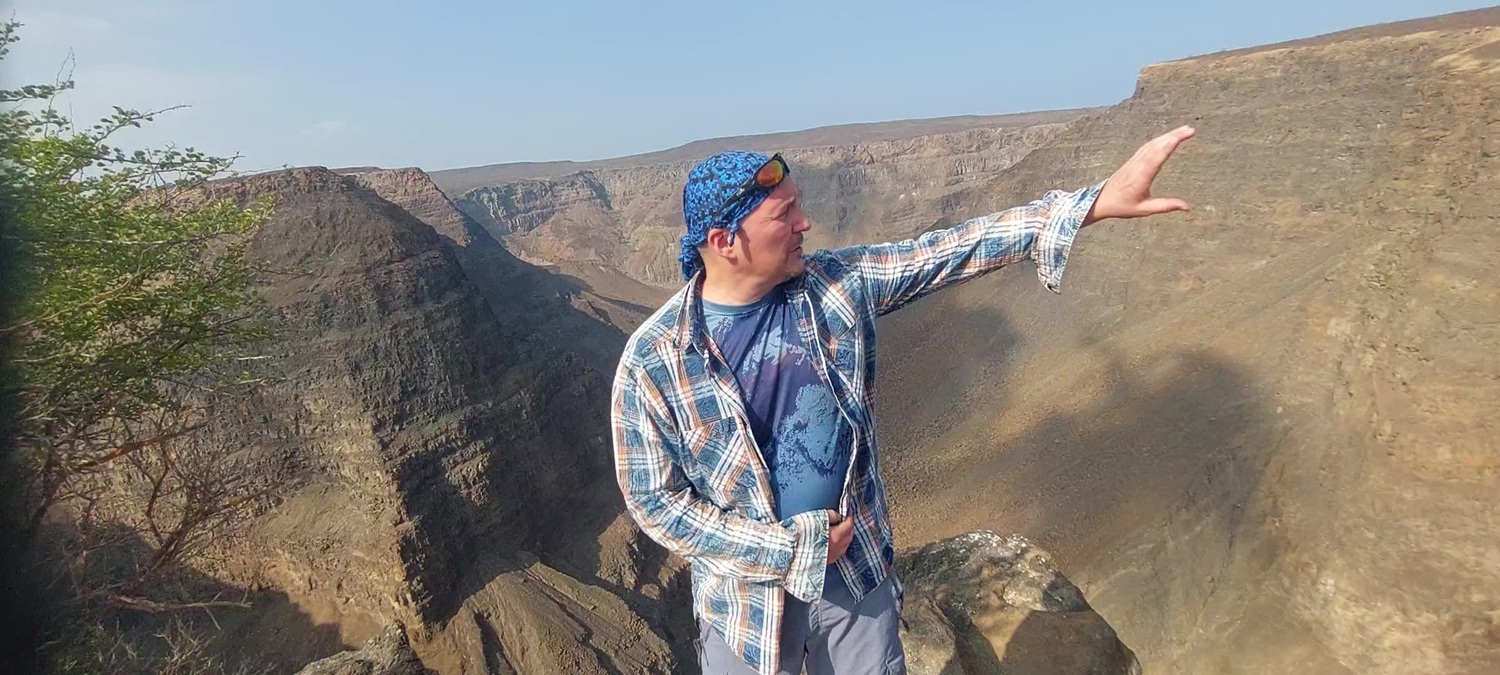
Two-thirds of Djibouti’s population of one million live in the capital Djibouti, the rest are mainly nomads making a living through herding. These are predominately Afar who live in the arid north of the country and the Afar region of Ethiopia, and Issa nomads from Somalia. The two largest ethnic groups native to Djibouti are the Somalis (60%) and the Afar (35%). The remaining 5% of Djibouti’s population primarily consists of Yemeni Arabs, Ethiopians, and Europeans (French and Italians).

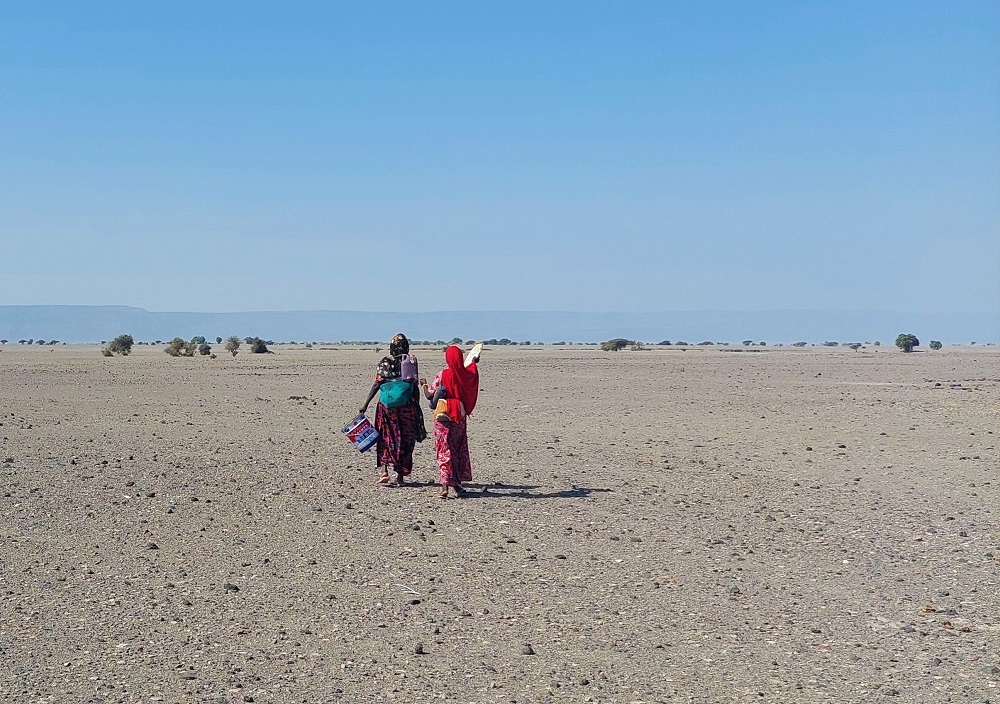
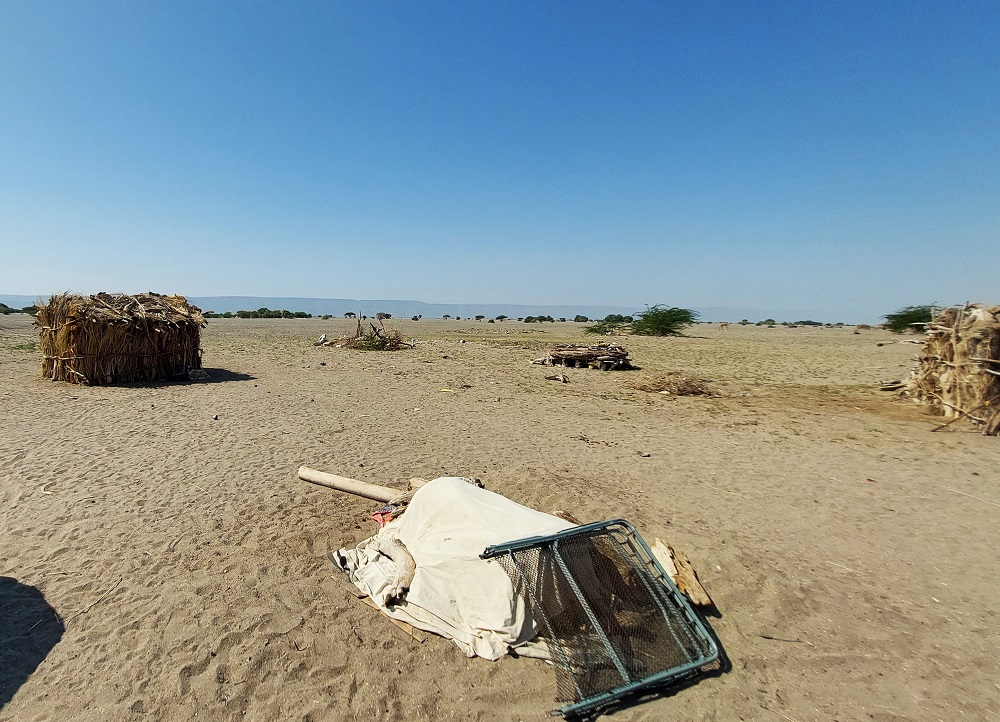
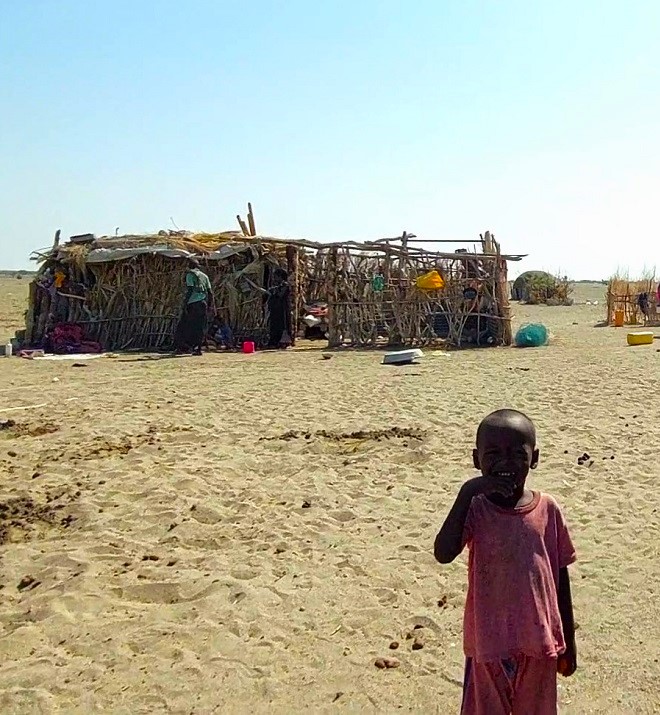
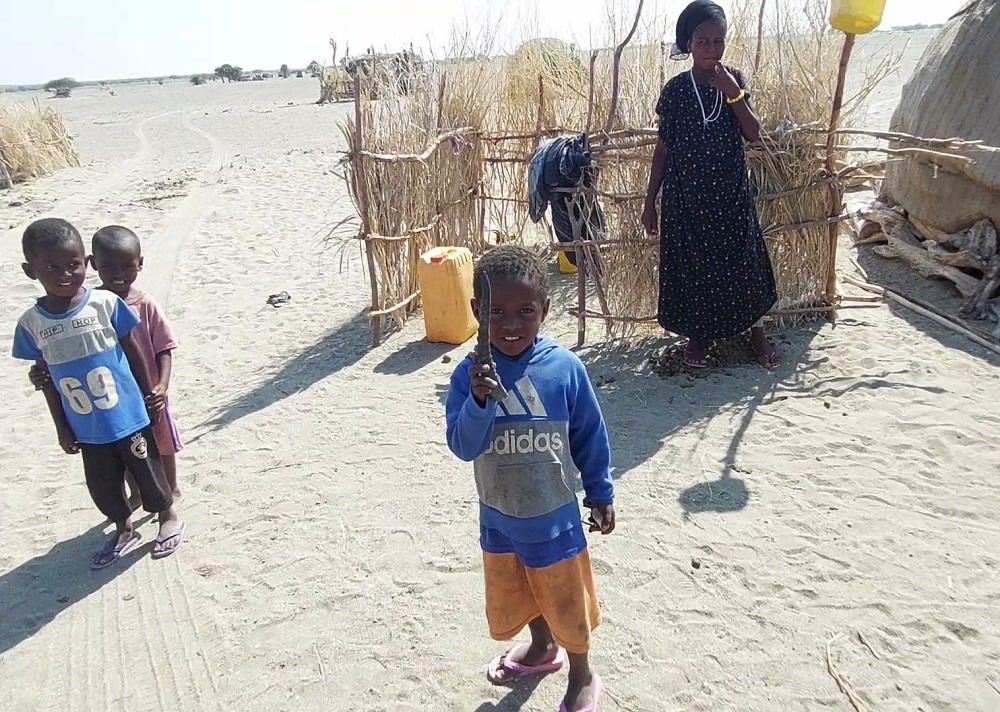
These nomads normally live in portable huts made from branches covered in woven mats that can be transported on the back of camels when it is time to move to another spot. Between 130 to 170 thousands of people live as nomads in Djibouti. Many of the nomad families are inaccessible and there have been reports of nomads fighting nomads to secure food supplies provided by outside forms of help.
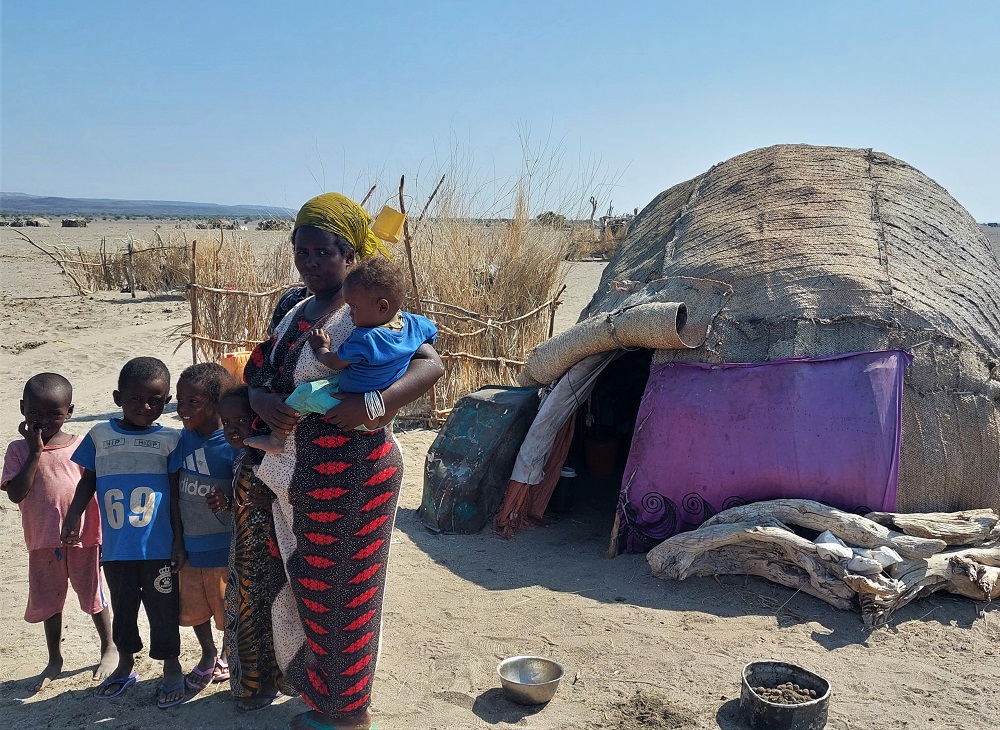
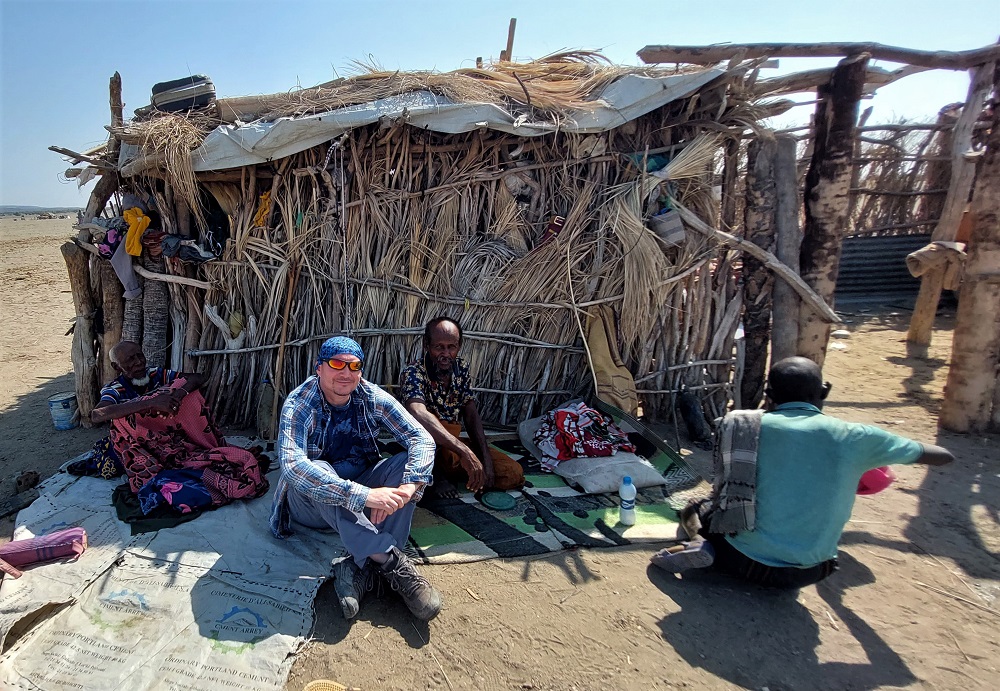
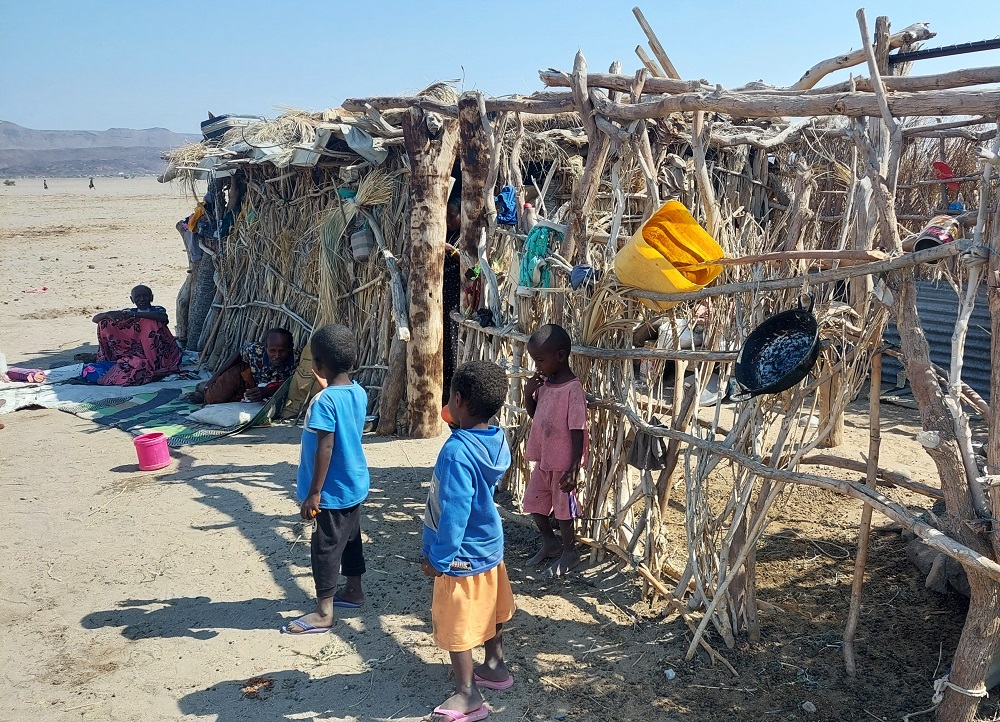
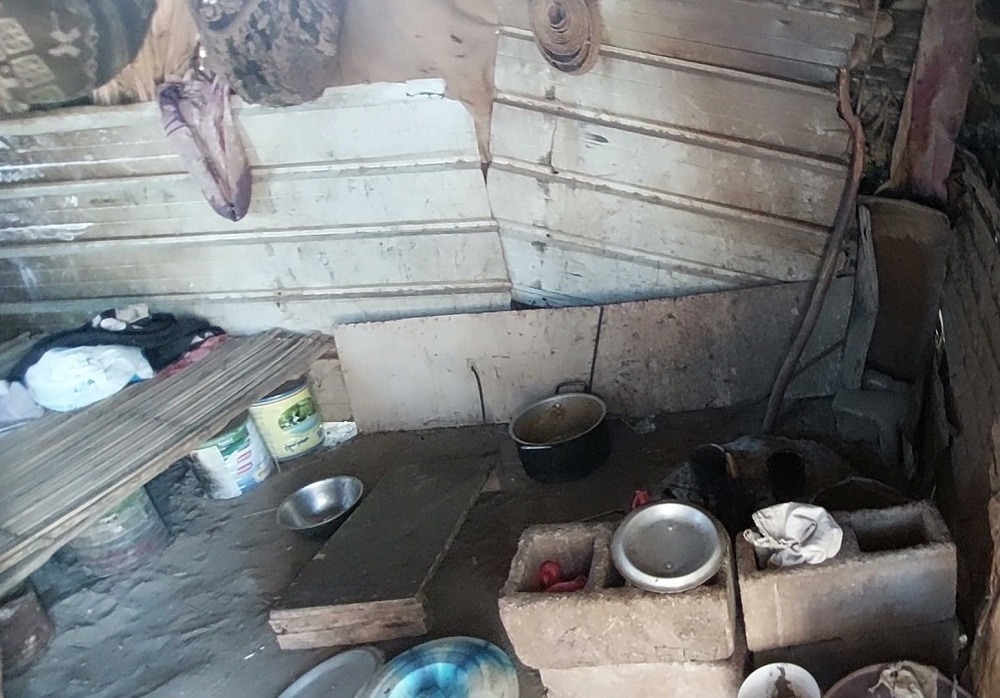
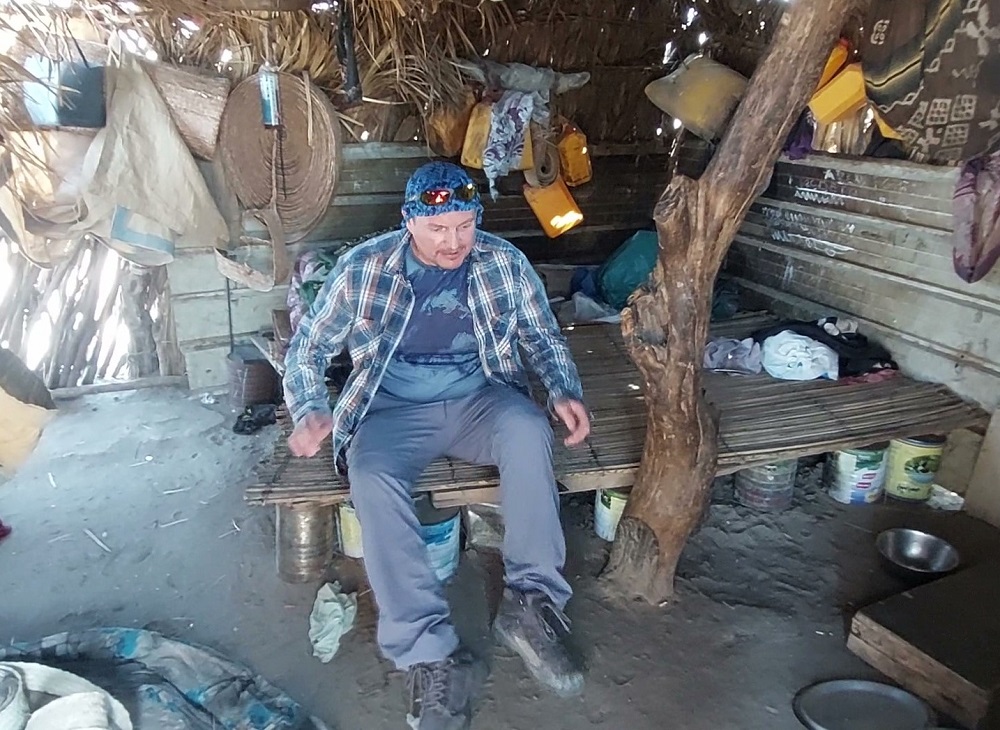
Basic commodities such as metal kettles, pots, and wooden beds usually are what you find in those small huts.

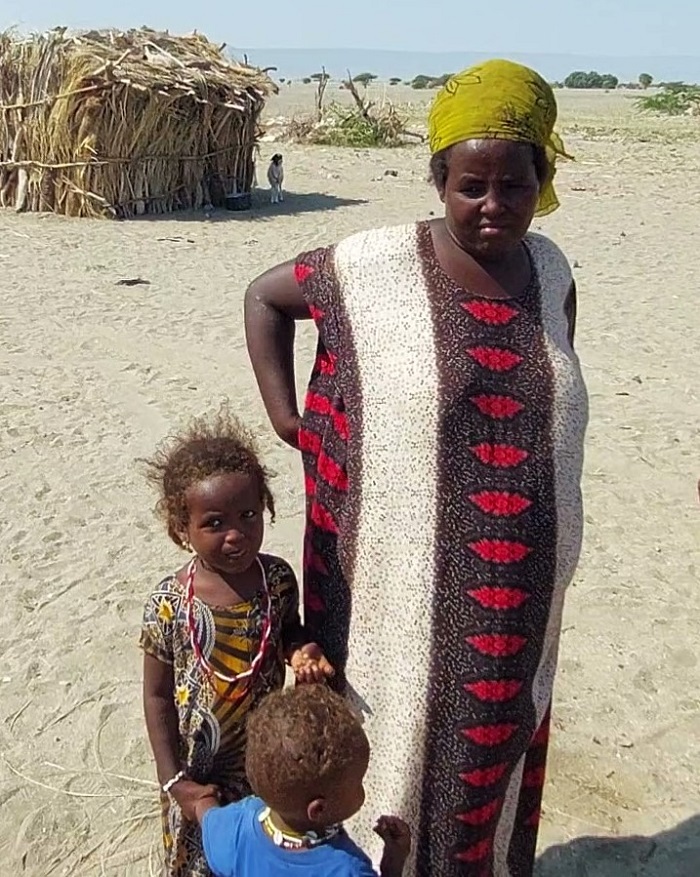
Nomads and other people in Djibouti wear traditional clothing, such as the tobe, a loosely wrapped white cotton robe, and the Dirac, a long, light dress. Married women often wear a head scarf called a hash and a shawl called a garbasaar. Men typically wear the macaws, a sarong-like garment.
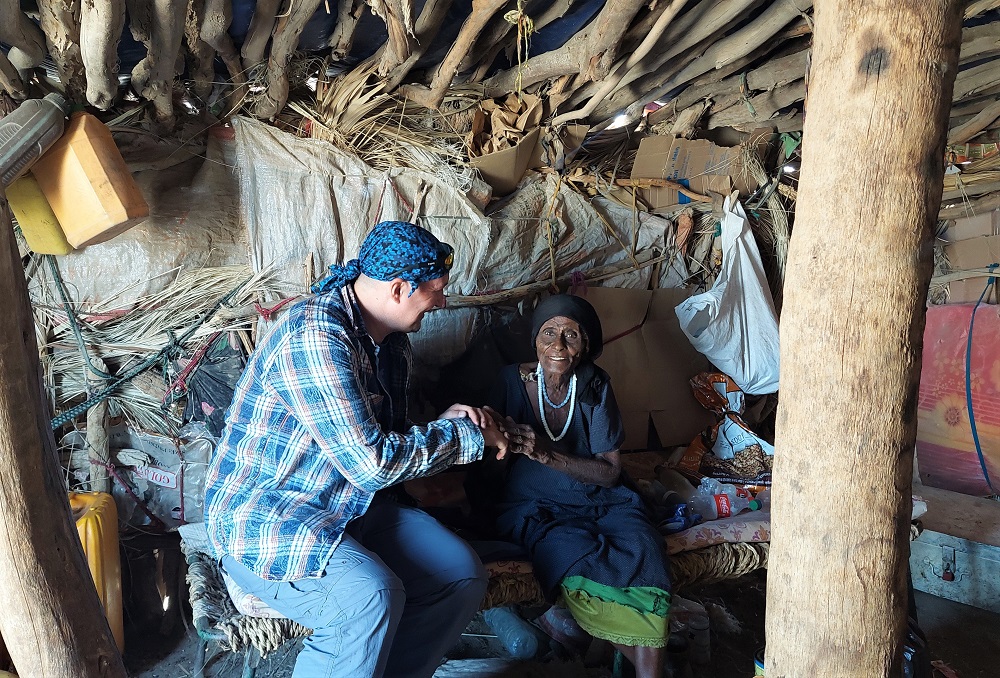
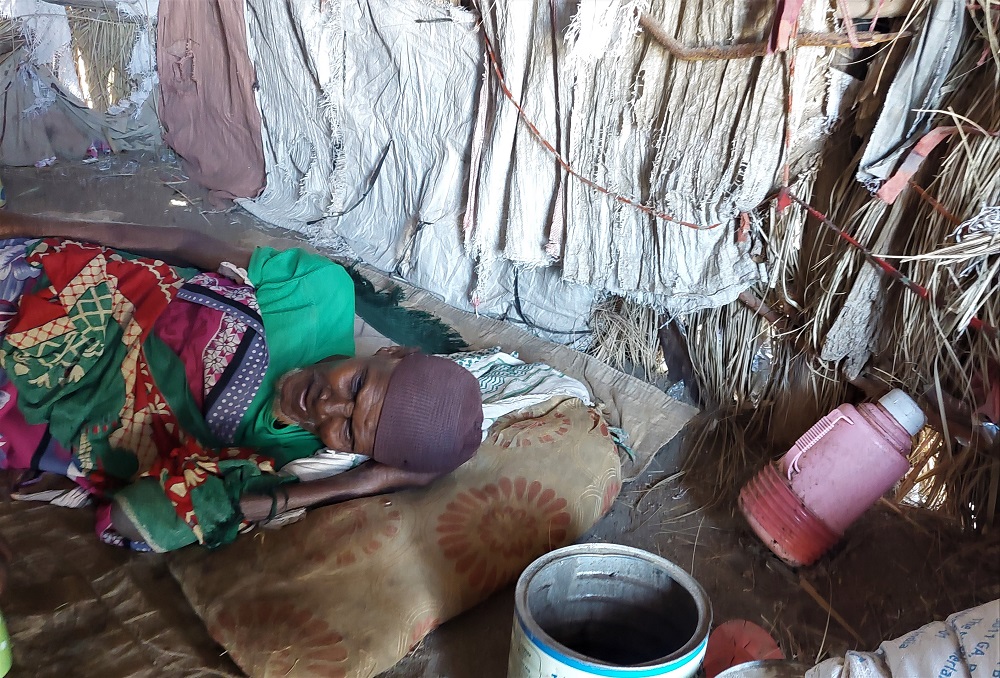

The Afar and Issa peoples, who live in Djibouti, were among the first Africans to adopt Islam. They traditionally roamed across large areas without regard for political boundaries. Nomads in Djibouti are pastoralists who raise livestock in the desert. They have lived in the harsh landscape of the Great Rift Valley for generations, facing dangers like drought, volcanoes, and the possibility of the ground splitting open.
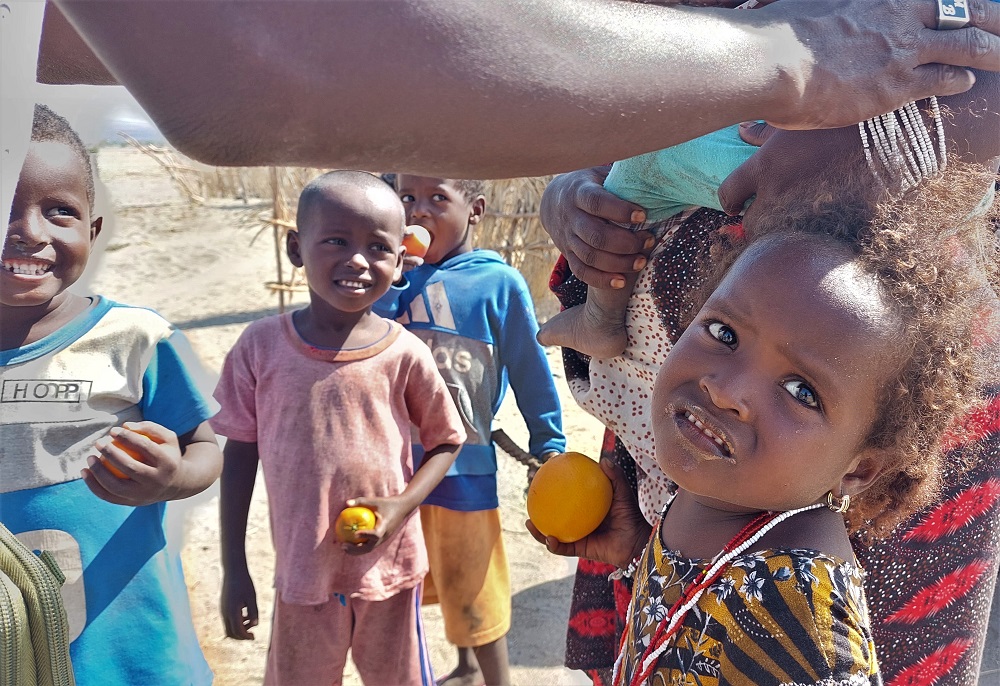
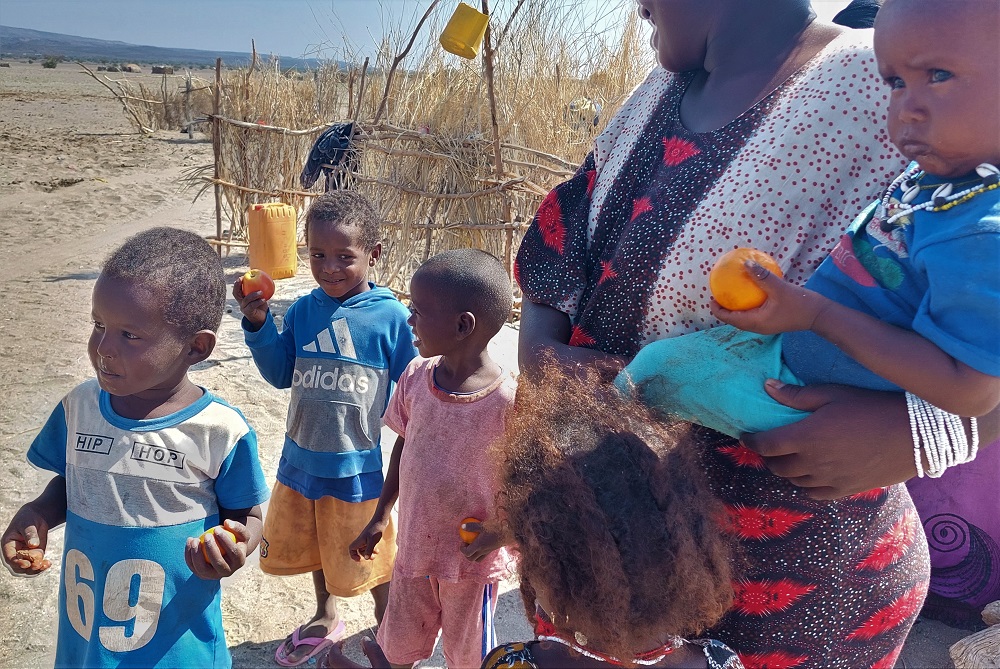
Watch the full video from my visit to find out more – here
 Frog on the border