When the explorer Hiram Bingham III encountered Machu Picchu in 1911, he was looking for a different city called Vilcabamba. This was a hidden capital to which the Inca had escaped after the Spanish conquistadors arrived in 1532. Over time, it became famous as the legendary Lost City of the Inca. Bingham spent most of his life arguing that Machu Picchu and Vilcabamba were one and the same, a theory that wasn’t proved wrong until after he died in 1956. (The real Vilcabamba is now believed to have been built in the jungle about 50 miles west of Machu Picchu.) Recent research has cast doubt on whether Machu Picchu had ever been forgotten at all. When Bingham arrived, three families of farmers were living at the site.
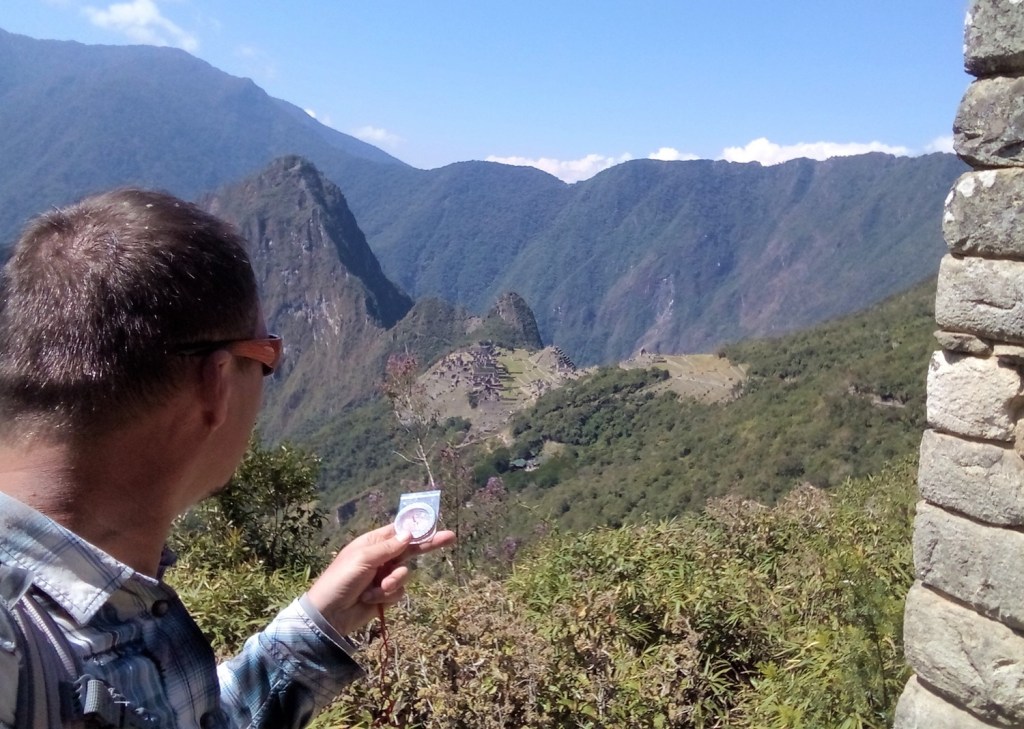
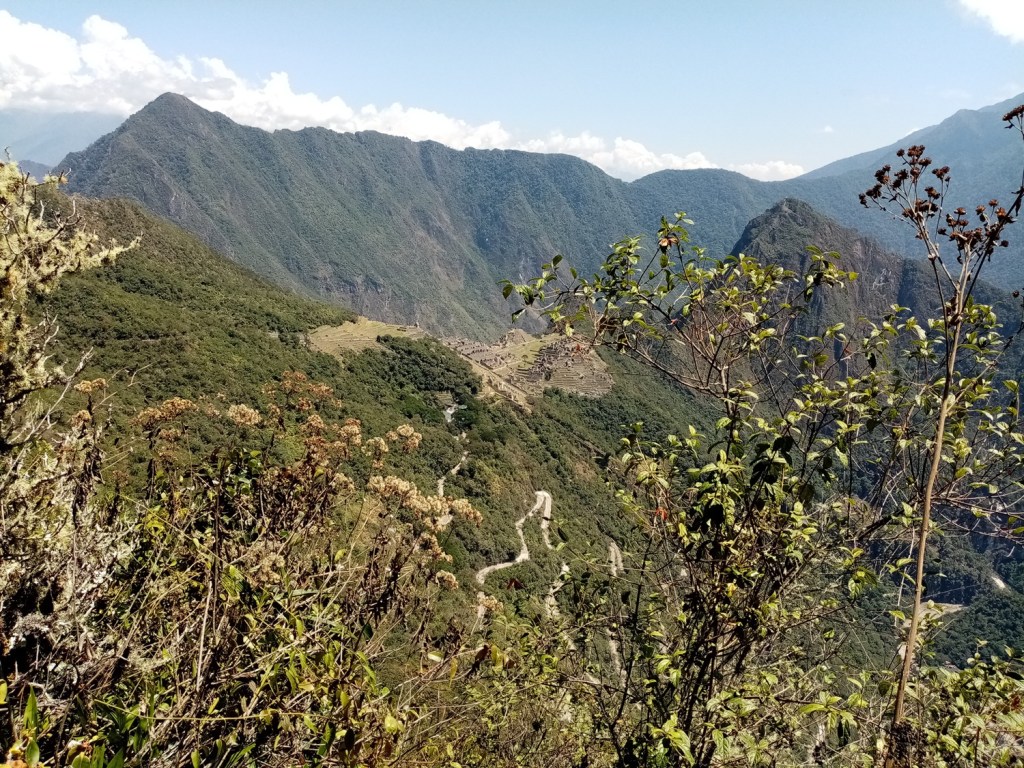
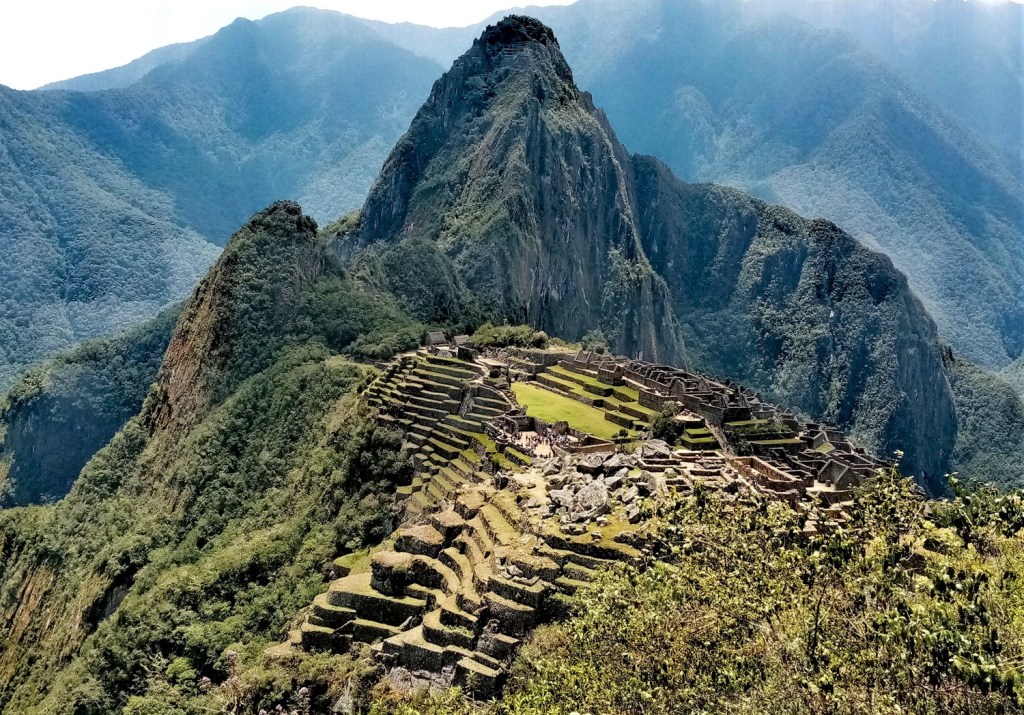
While the Incas are best remembered for their beautiful walls, their civil engineering projects were incredibly advanced as well. (Especially, as is often noted, for a culture that used no draft animals, iron tools, or wheels.) The site we see today had to be sculpted out of a notch between two small peaks by moving stone and earth to create a relatively flat space. The engineer Kenneth Wright has estimated that 60 percent of the construction done at Machu Picchu was underground. Much of that consists of deep building foundations and crushed rock used as drainage.
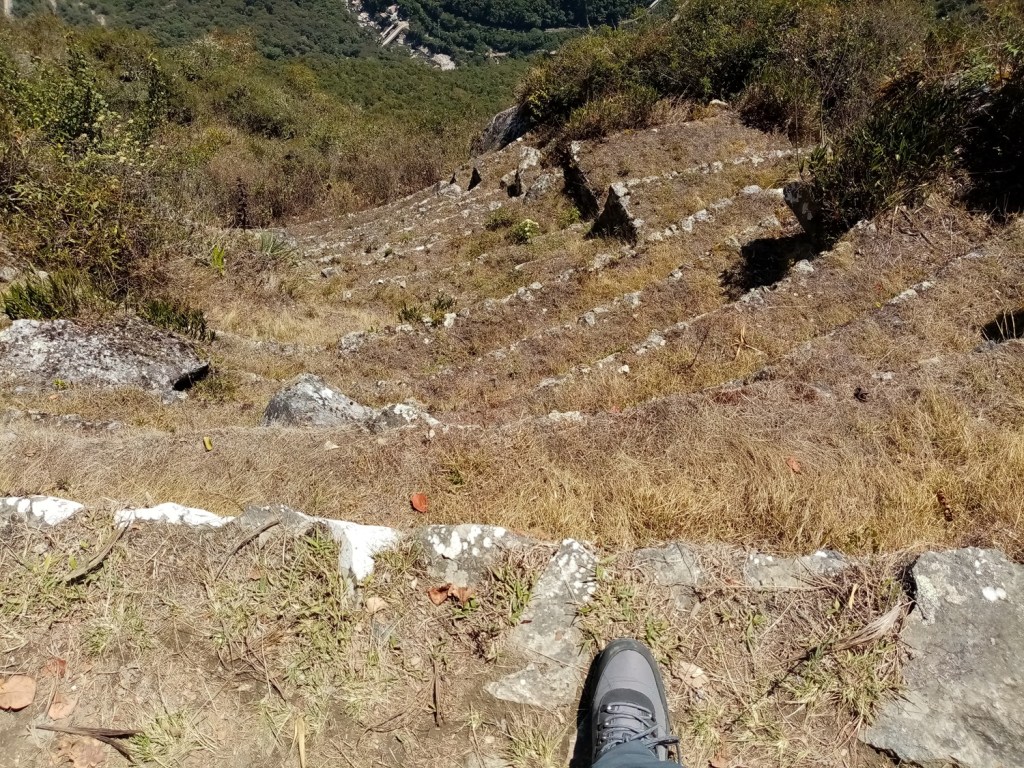
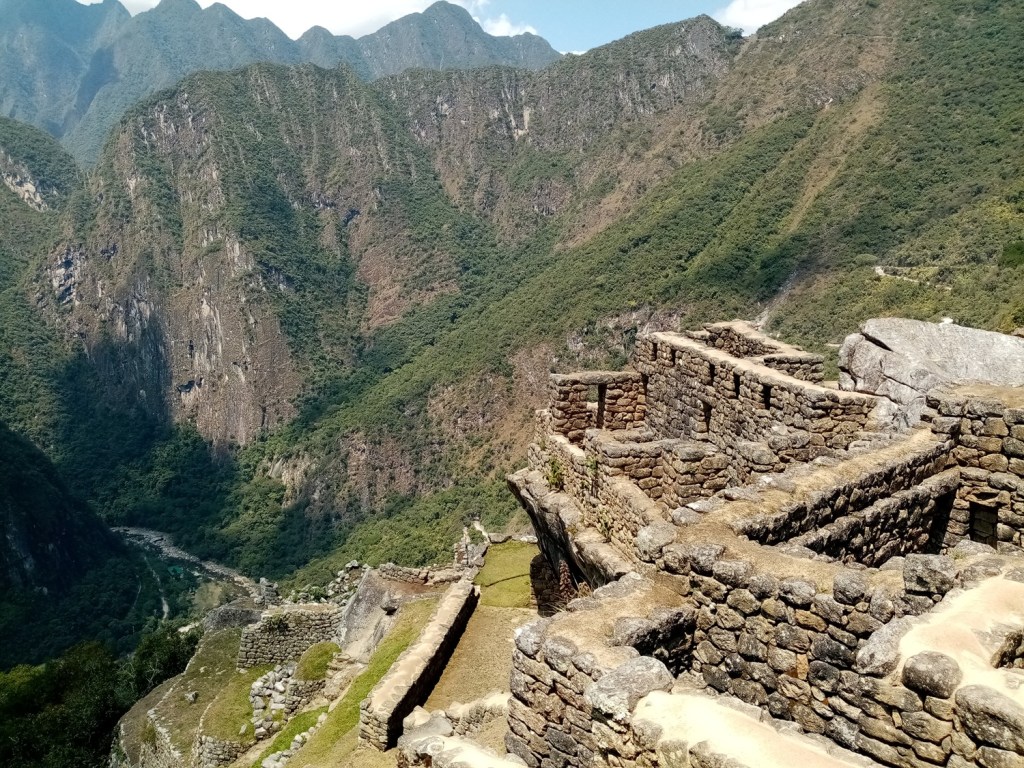
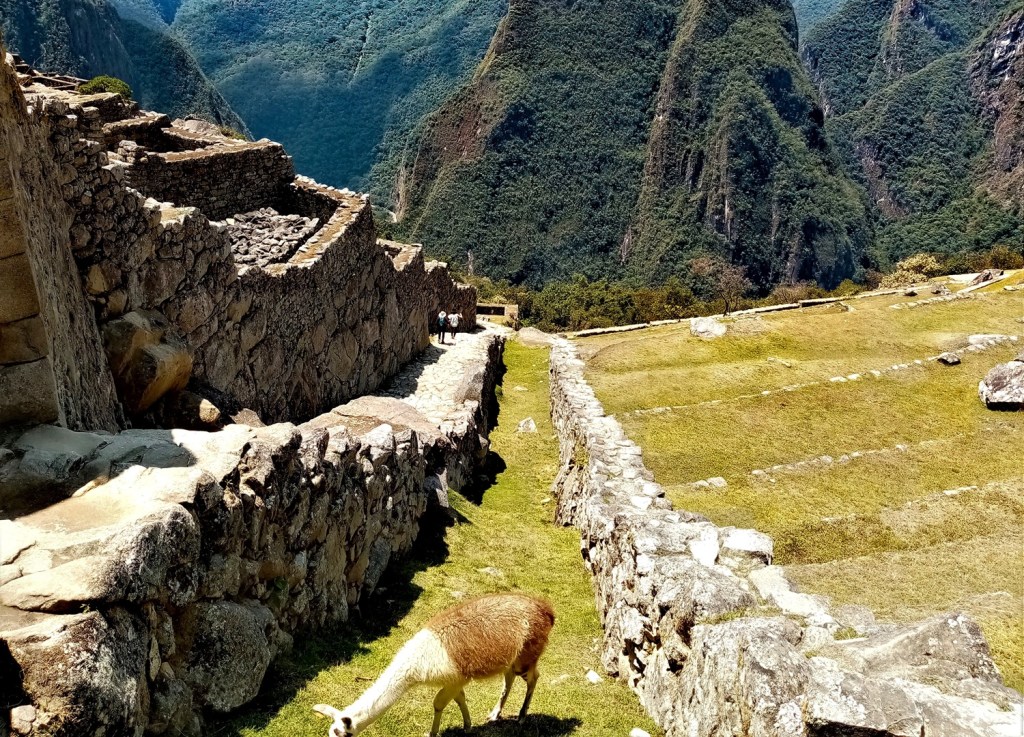

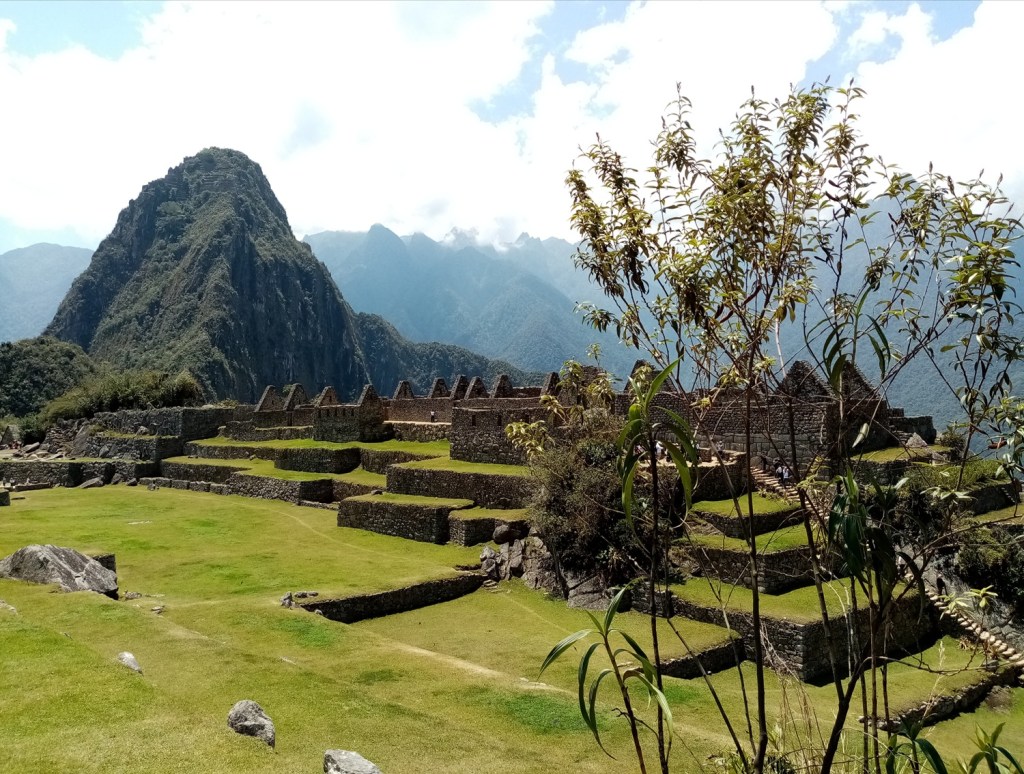
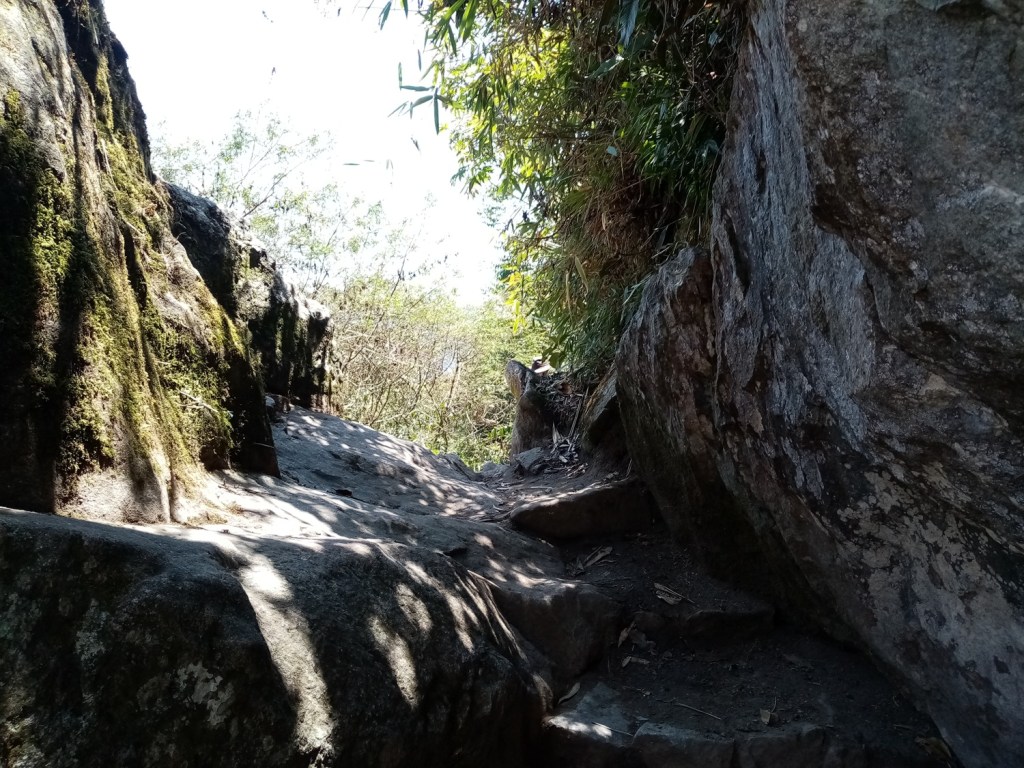
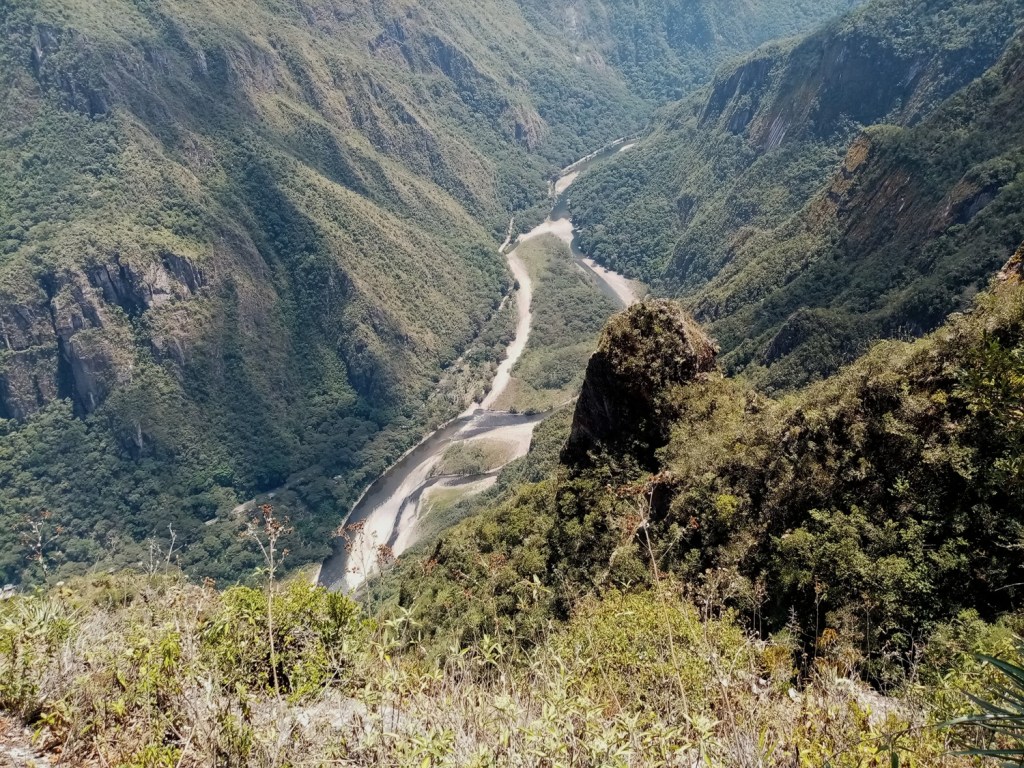
Long before dawn, visitors eagerly queue up outside the bus depot in Aguas Calientes, hoping to be one of the first persons to enter the site. Why? Because only 400 people are permitted to climb Huayna Picchu daily (the small green peak, shaped like a rhino horn, that appears in the background of many photos of Machu Picchu.) Almost no one bothers to ascend the pinnacle that anchors the opposite end of the site, which is usually called Machu Picchu Mountain. At 1,640 feet it is twice as tall, and the views it offers of the area surrounding the ruins—especially the white Urubamba River winding around Machu Picchu like a coiled snake—are spectacular.
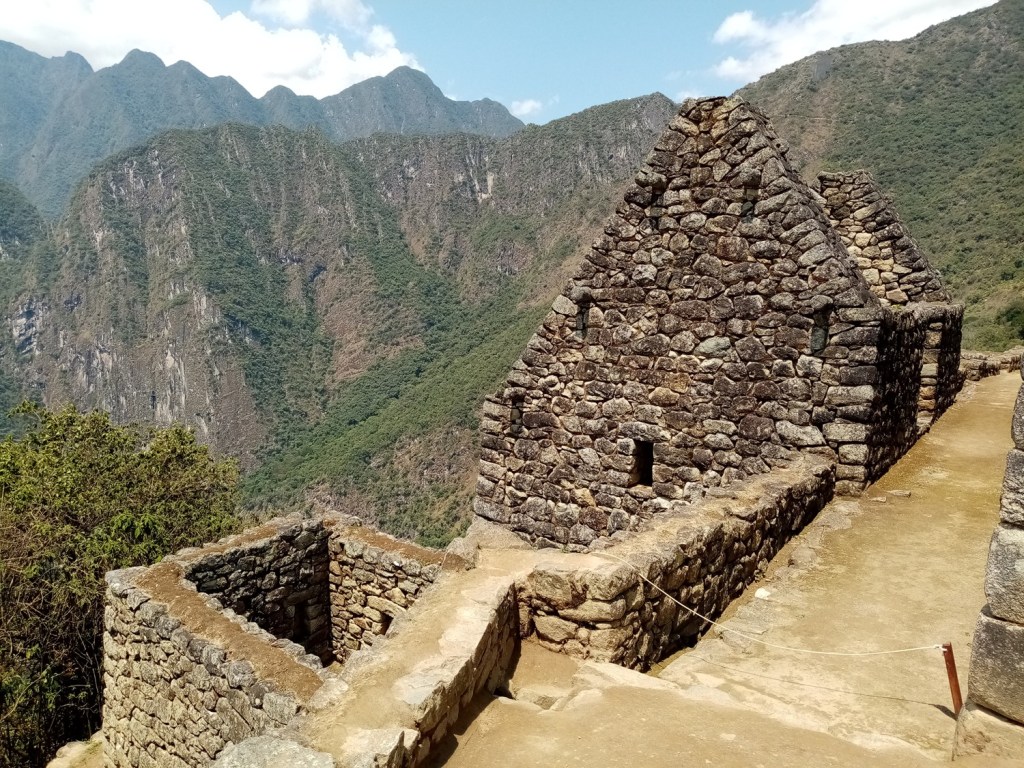
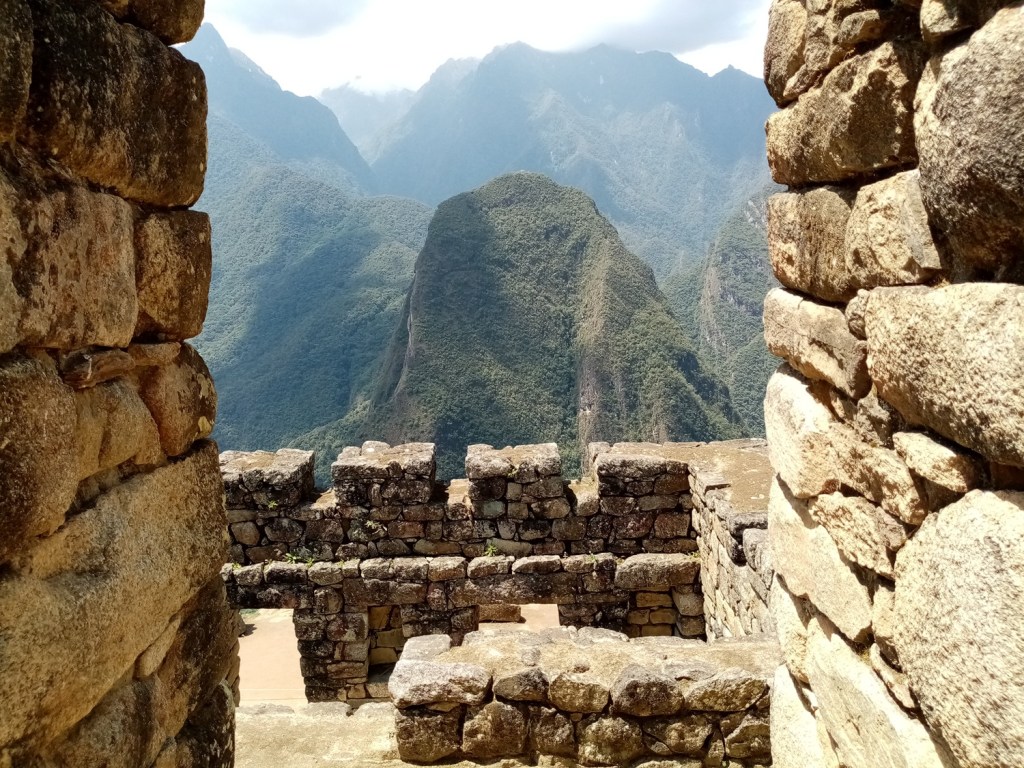
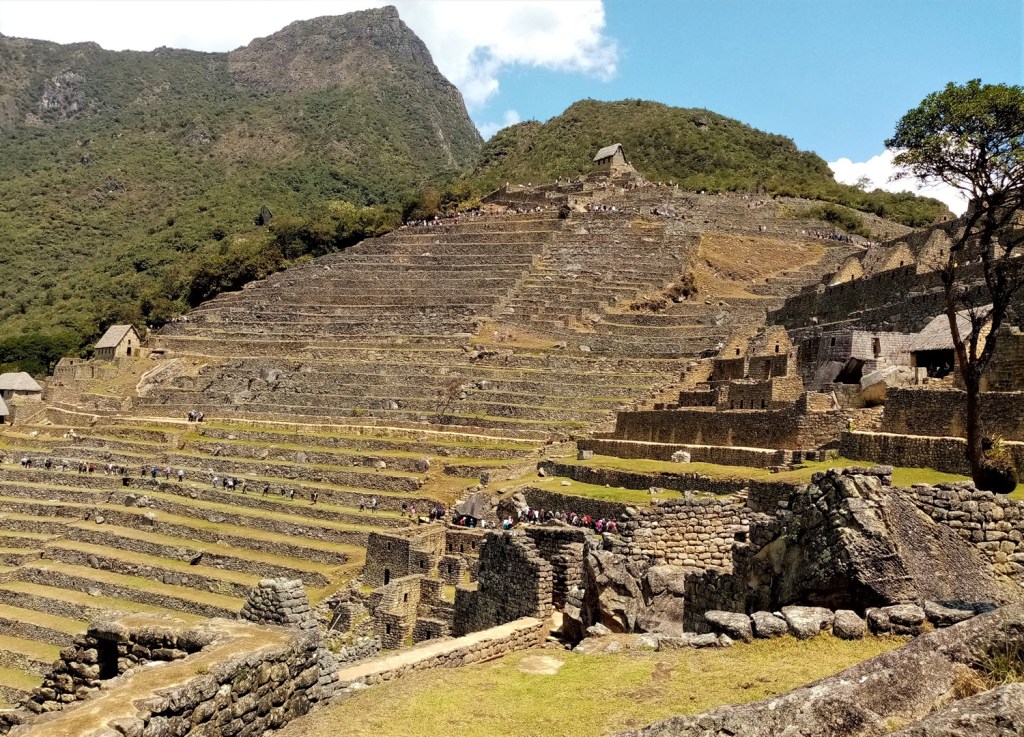
Should you wander away from the central ruins at Machu Picchu, you’ll notice that, occasionally, side paths branch off into the thick foliage. Where do they go? Who knows. Because the cloud forest grows over quickly in the area surrounding Machu Picchu, there may be unknown trails and ruins yet to be found nearby. National Geographic.
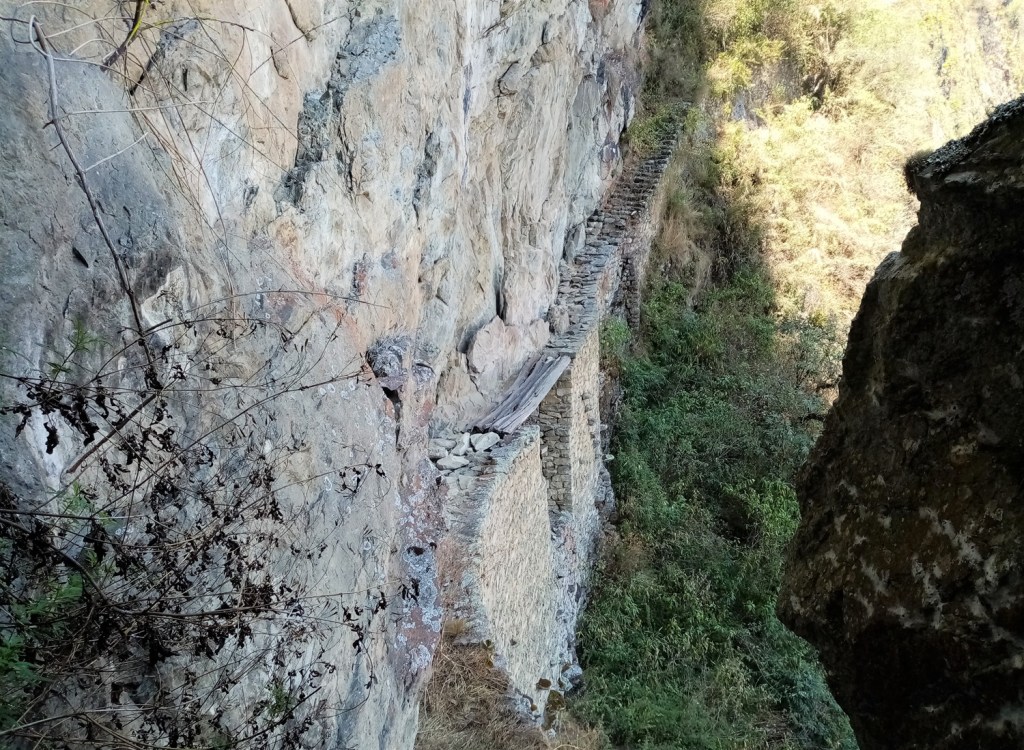
A short video of the mountain view to Machu Picchu here
 Frog on the border