The town of Ollantaytambo was established during the Reign of Pachacútec (1418–1471). While there were buildings here before that, the town grew dramatically under the rule of the Incas. At that time, Ollantaytambo was used as a checkpoint to control access to the Sacred Valley. This was also where maize was first domesticated before being grown extensively on the fertile slopes of the Urubamba River Valley.
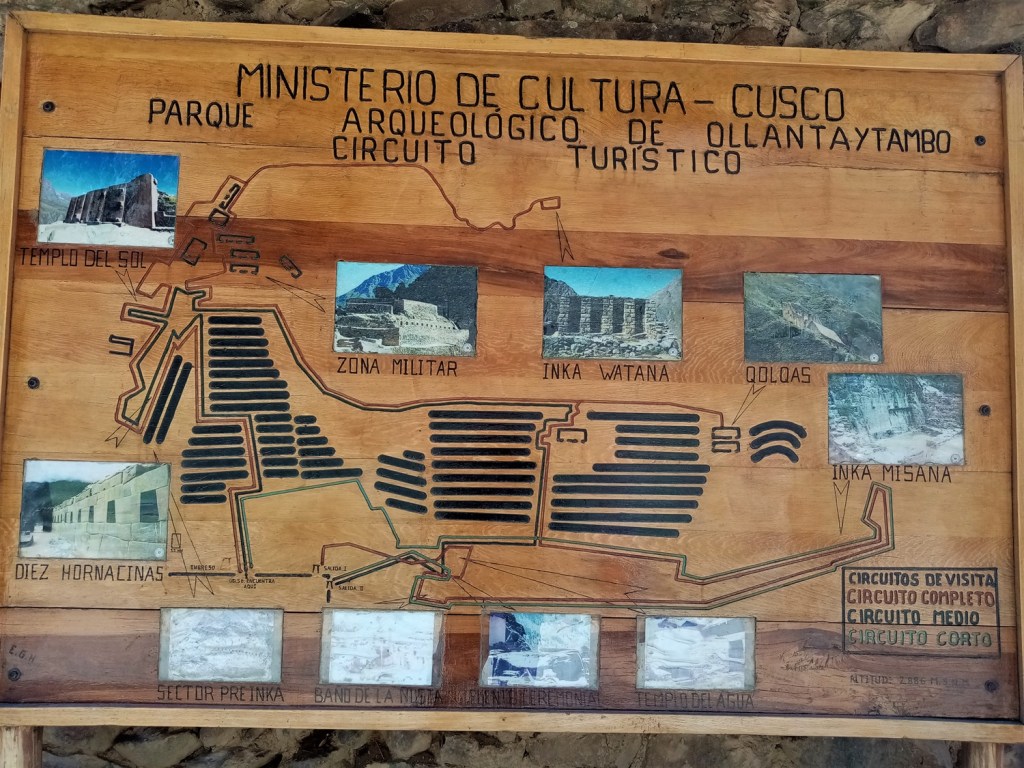
While Pachacútec helped Ollantaytambo reach its full splendour, the buildings here date to well before the time of the Incas. In the town and its surroundings, evidence has been found of settlements of the Huari civilization (600 – 1000 AD), such as the Fortress of Pumamarca, a military citadel that controlled access to Ollantaytambo. This fortress was reached along the famous Inca Trail.
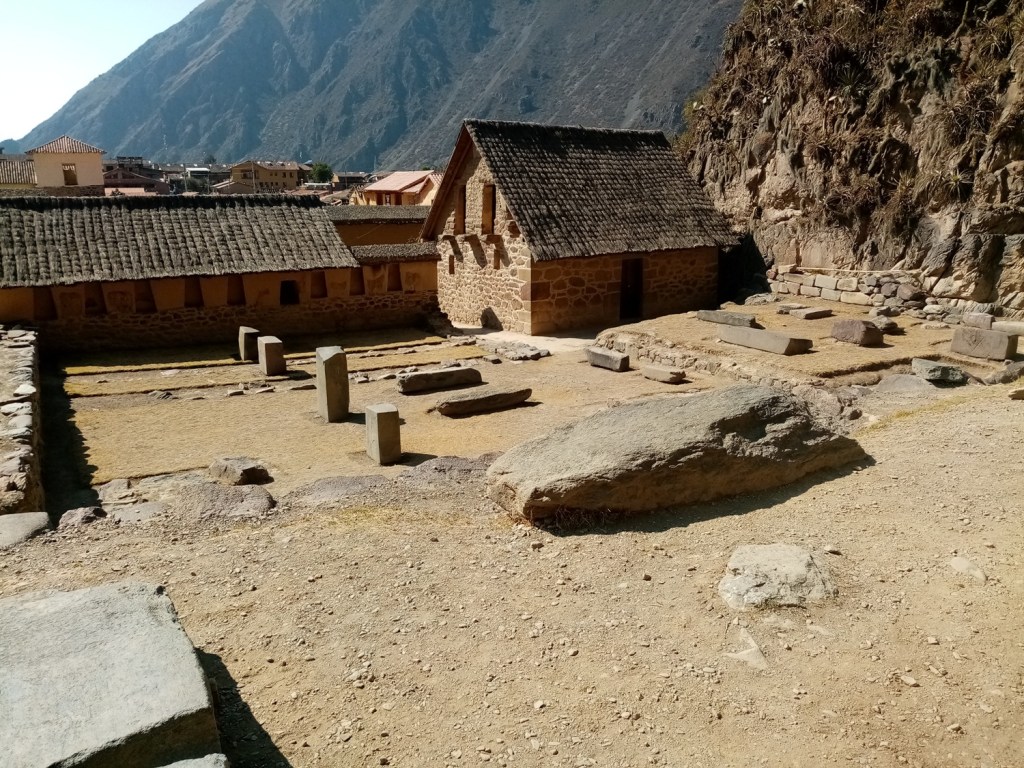
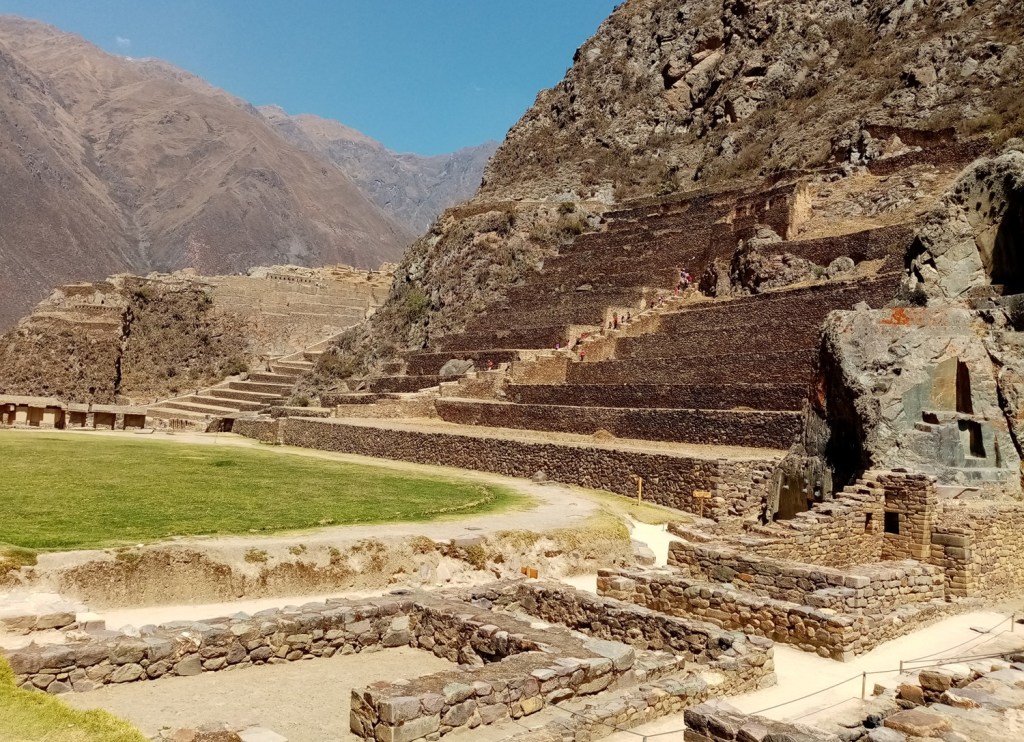
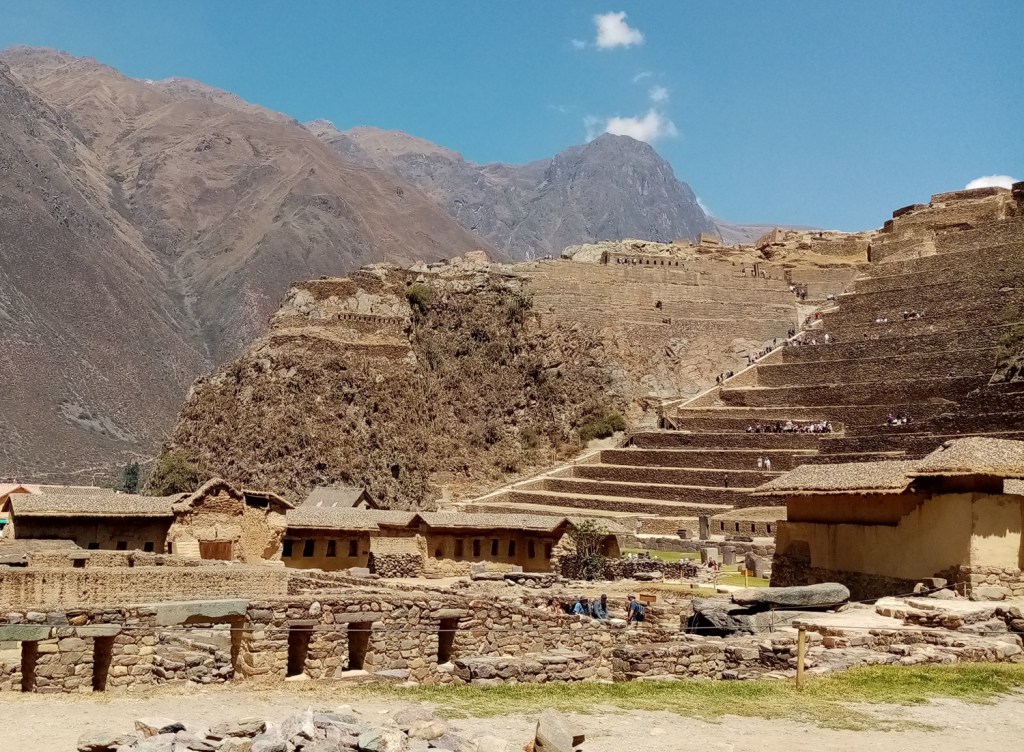
Ollantaytambo, a major Incan ruin in Peru’s Sacred Valley, was a strategic military, agricultural, and religious center during the Incan Empire. Established by Pachacutec in the 15th century as a fortress and checkpoint for controlling access to the valley. The ruins are known for their impressive terraces, Sun Temple, and intricate stonework, showcasing Incan engineering and culture.
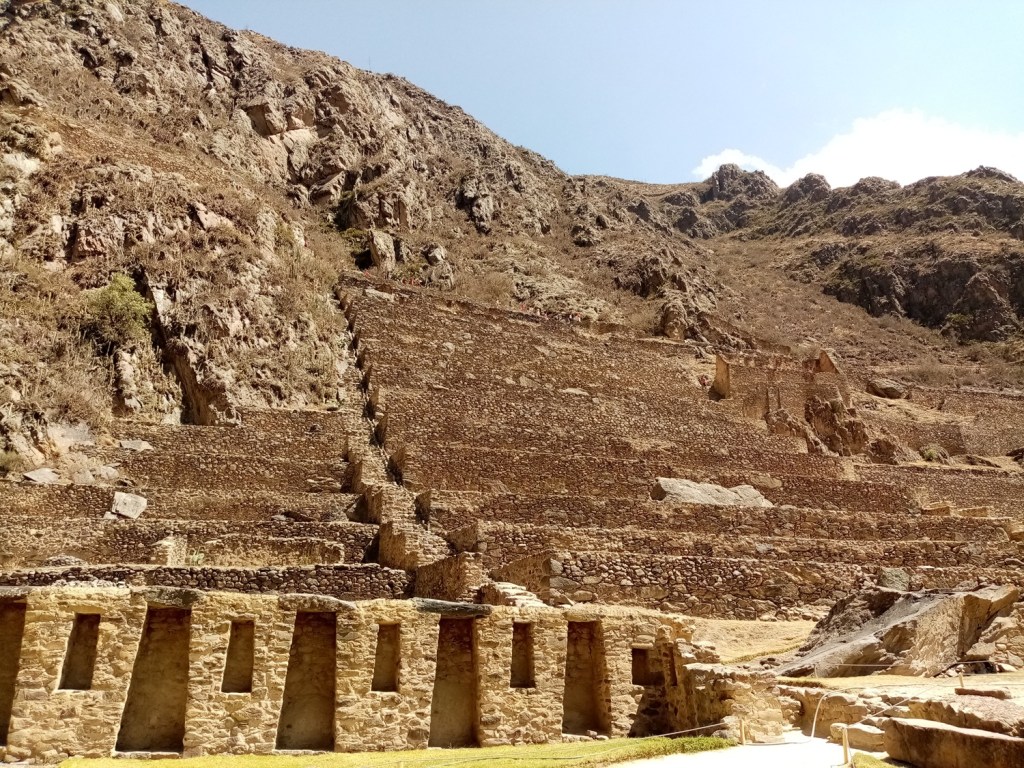

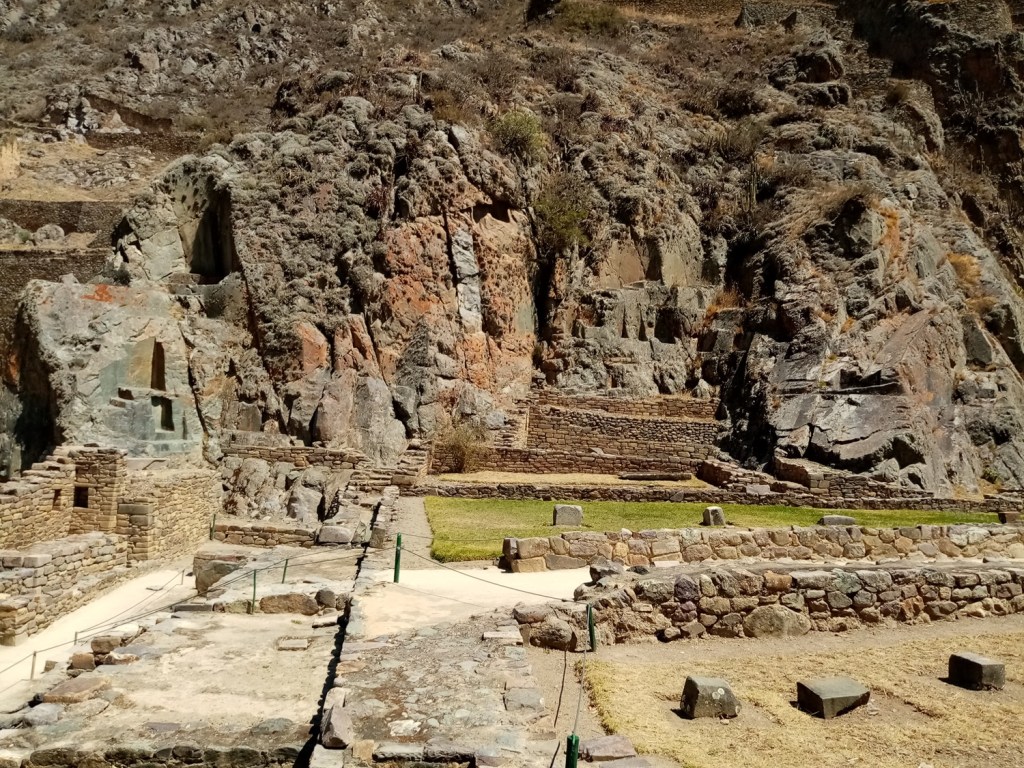
There are a lot of buildings in Ollantaytambo that look like they were never finished. This is another interesting thing about the town. Why the Incas stopped doing their work is still a mystery. Some people say it was because the Spanish took over, but this is just a guess and does not give a clear answer.
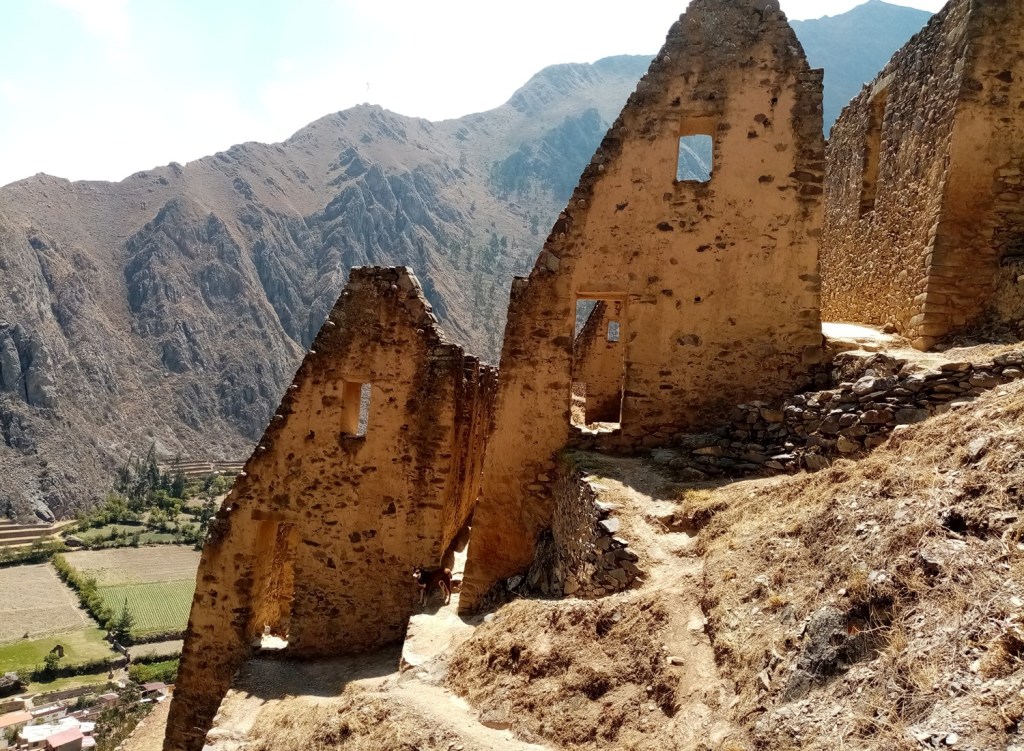
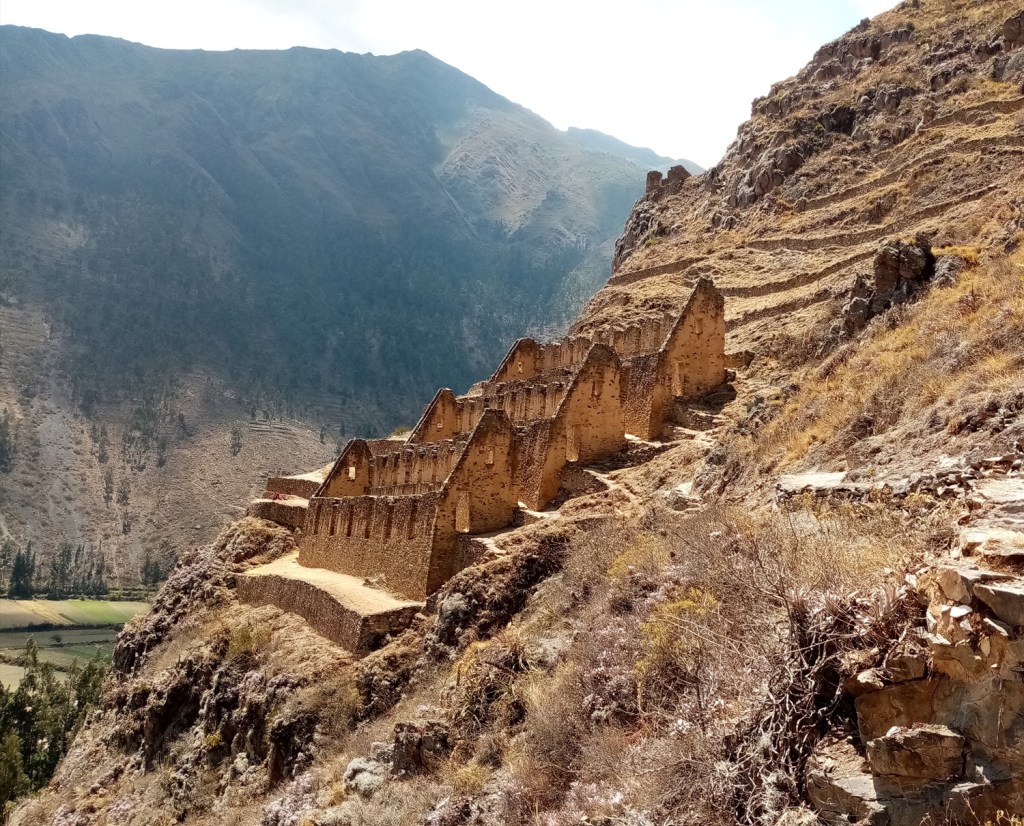
Temple Hill is another place of interest in Ollantaytambo. It has an astronomical alignment that is thought to be related to different things that happen in the sky. This ancient Inca site has a lot of mysteries, and one of them is why and how this precise astronomical orientation was used.
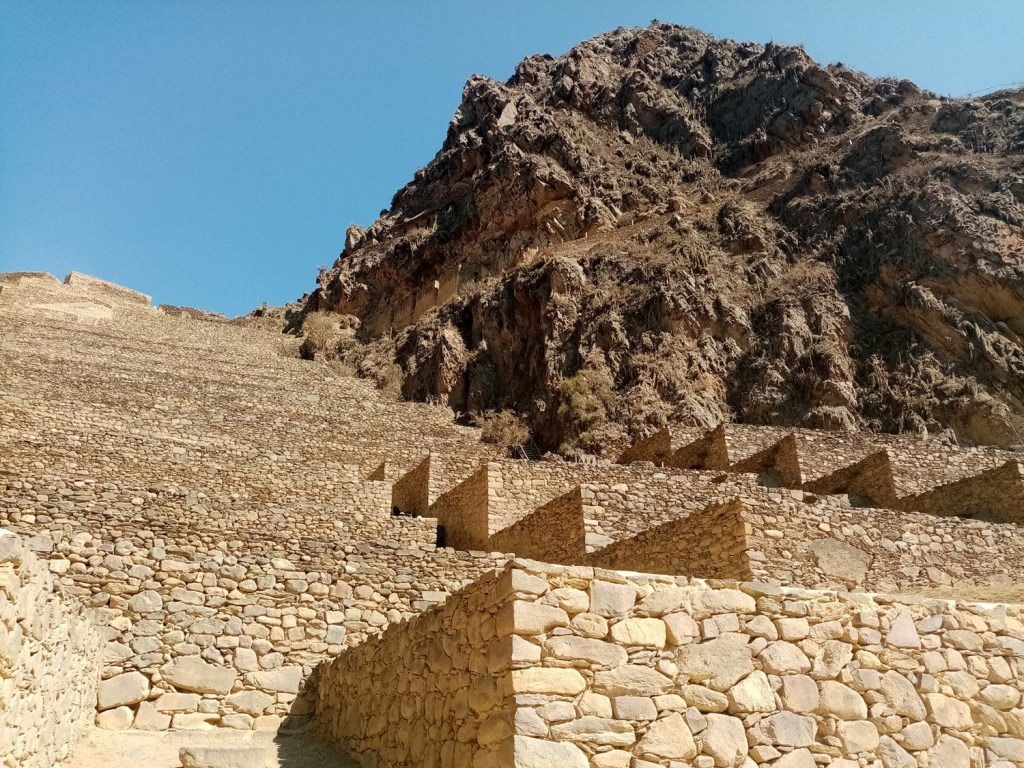
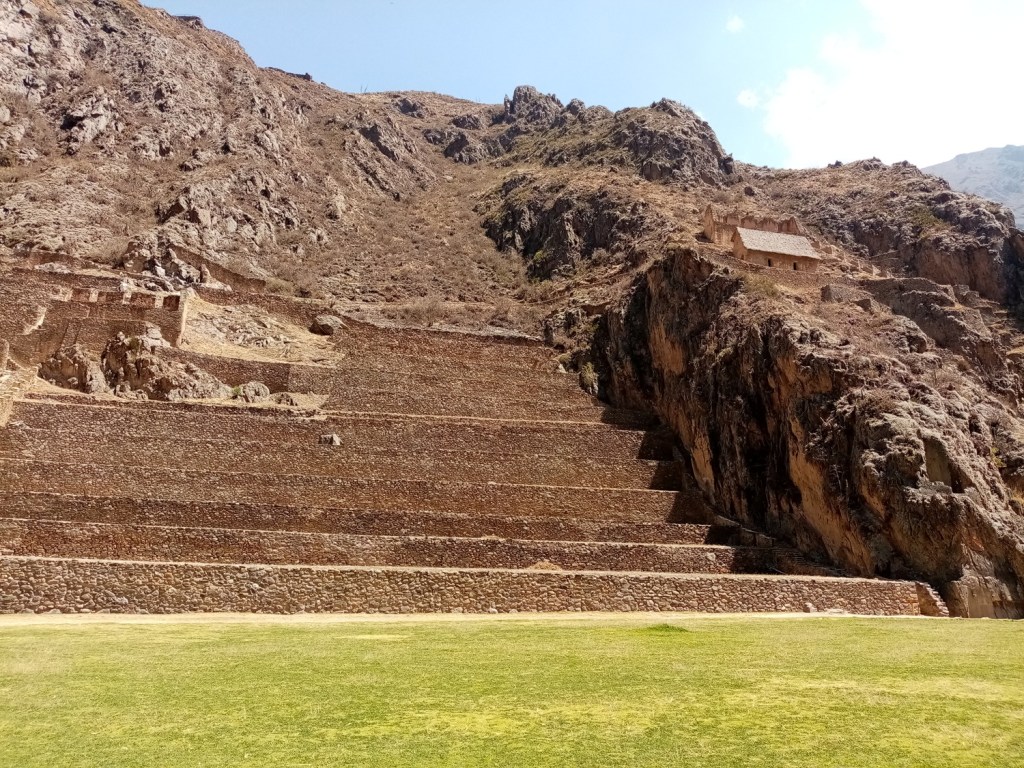
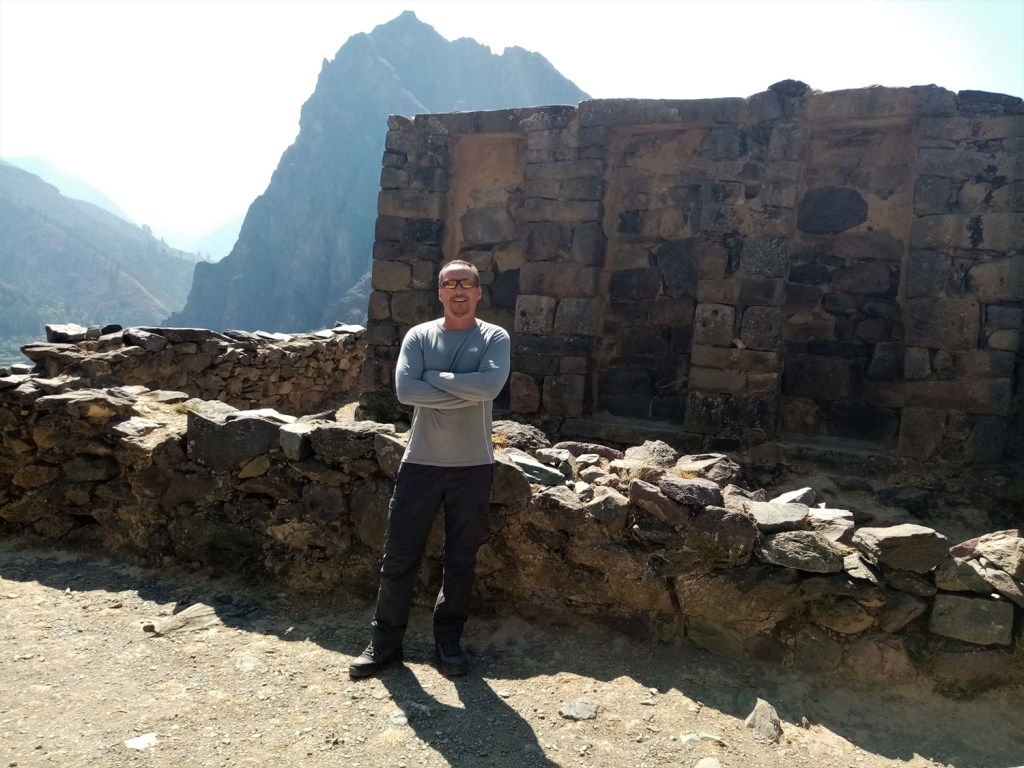

Kachiqhata was where most of Ollantaytambo’s quarries were. There are three main quarrying areas on the site. All of them provided pink granite or rose rhyolite blocks for the Temple Hill buildings. The source of the pink granite, or Rose Granite, used in some buildings is probably one of the most puzzling mysteries. This material, which is known for being strong and looking nice, did not come from Ollantaytambo. How and where these heavy stones were moved from the quarry, which is over 7 km away, is still a mystery.
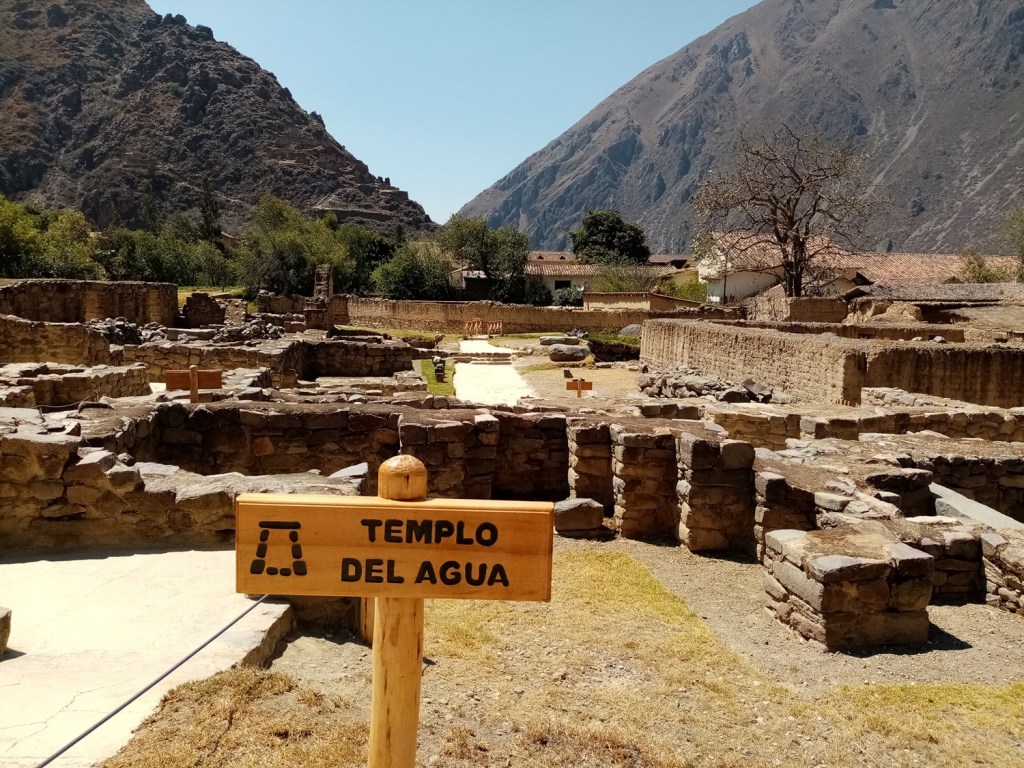


Ollantaytambo is also interesting because it has a complex system of channels, fountains, and waterworks that show a high level of hydraulics knowledge. Given when it was built, the water system’s complexity continues to surprise scholars and tourists alike.
Video of my walk amongst the ruins of Ollantaytambo is here
 Frog on the border