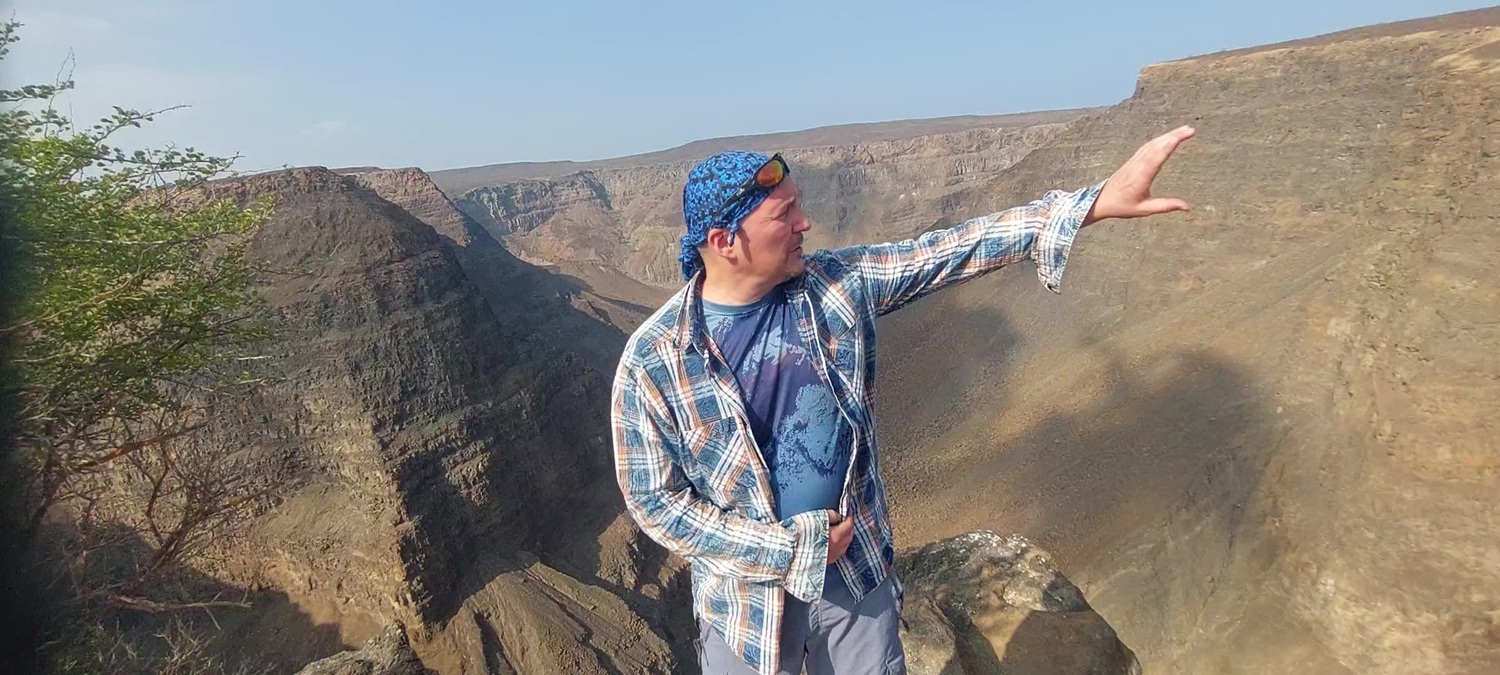
San Pedro Prison in La Paz, Bolivia – a place that defies understanding, a world within a world where the lines between freedom and confinement blur. As I recount the situation in 2019, I’m left wondering what it would be like to walk through those gates, to breathe the air thick with the scent of desperation and survival.
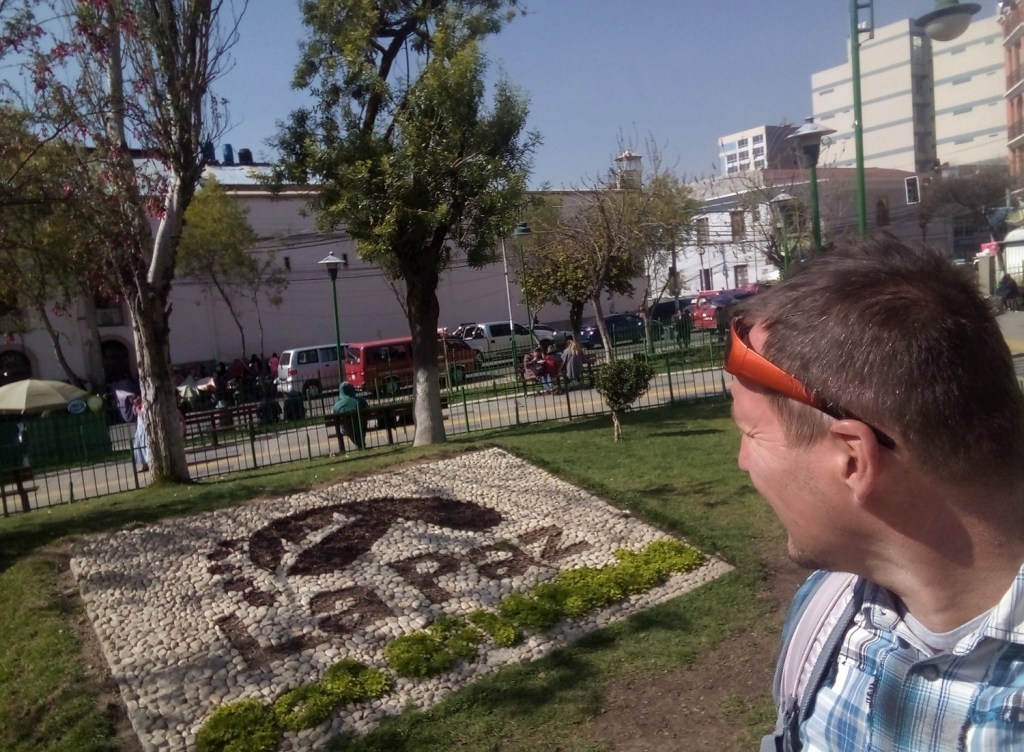
San Pedro Prison in La Paz, Bolivia, has a rich and complex history dating back to 1871 when it was constructed by order of President German Busch. Originally designed to hold 250 inmates, the prison now houses nearly 3,000 prisoners, making it one of the most notorious and overcrowded prisons in South America.
Life Inside the Prison
The prison, designed for 250, was bursting at the seams with around 3,000 inmates. Can you imagine the chaos, the desperation, the constant struggle for survival? Inmates governed themselves, making their own rules, with little interference from authorities. Each section of the prison operated like a small village, with its own rules and social structures. But at what cost? Inmates ran their own businesses – restaurants, shops, and even cocaine production. Wealthier prisoners lived in luxurious cells, complete with private bathrooms, kitchens, and cable TV. Meanwhile, the poor struggled to survive, often resorting to smoking “base,” a highly addictive residue from cocaine production. How does one cope with such stark contrasts, such glaring inequalities?
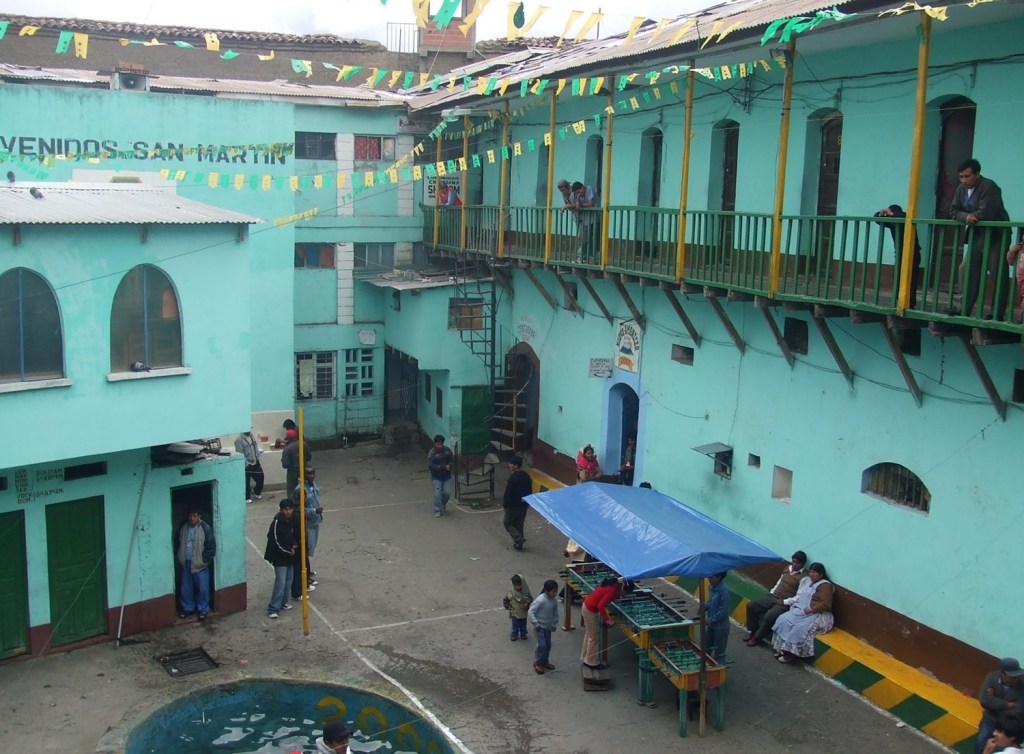
Violence and Addiction
The prison was notorious for its violent atmosphere, fueled by widespread drug addiction. Prisoners who couldn’t afford cocaine often turned to base, a vicious cycle that consumed lives. What must it be like to be trapped in such a cycle, with no escape, no respite?
Punishment was harsh, particularly for those accused of crimes against women and children. Suspects were often subjected to brutal treatment, including electrocution, beating, and even death. Can we comprehend the fear, the terror, that grips the hearts of those who live in such a world?
Children and Families
Some inmates lived with their wives and children inside the prison. Can you imagine the challenges of raising a family in such an environment? The prison had nurseries and schools, but living conditions were often harsh, and children were exposed to violence and addiction. How do these children grow up, shaped by the experiences of their formative years?
Families and children could visit and live with inmates, creating a complex dynamic. Women played a crucial role in supporting their families by buying and selling goods outside the prison. What kind of strength, what kind of resilience, does it take to survive in such a world?
Tourism and the Outside World
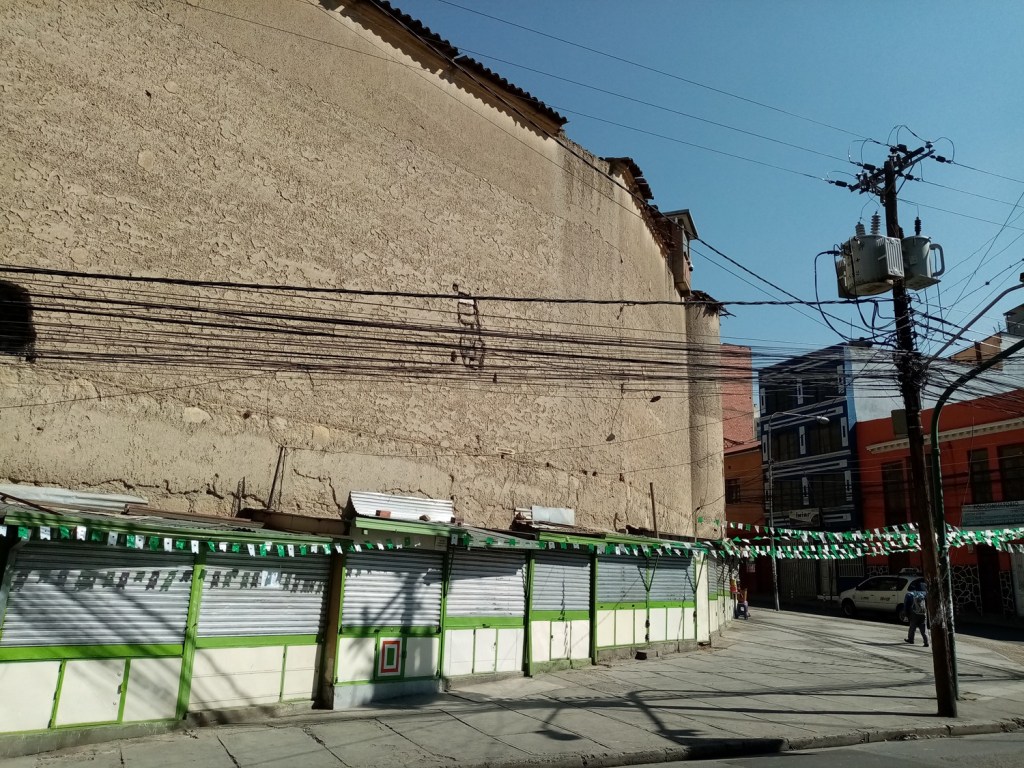
Although officially banned in 2009, there were likely still instances of tourists entering the prison through bribery or other means. Guided tours would take visitors through the prison’s cell blocks, restaurants, and artisan stalls, sometimes including interactions with inmates and exposure to cocaine. What does it say about us, as a society, that we’re drawn to such places, like moths to a flame?
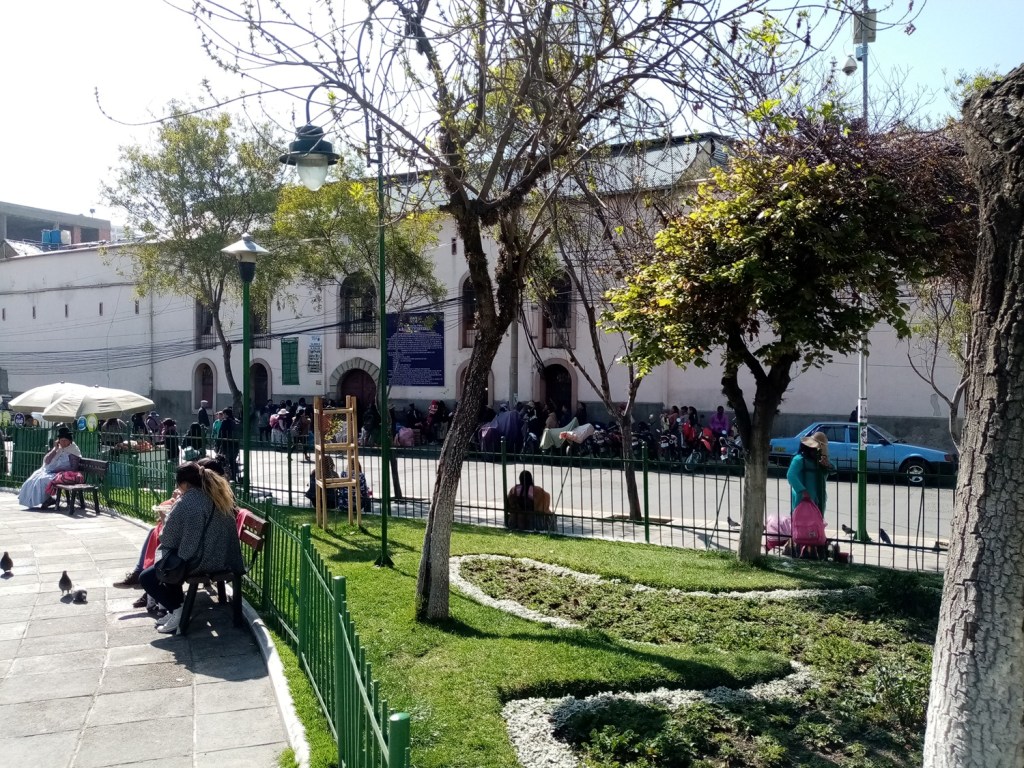
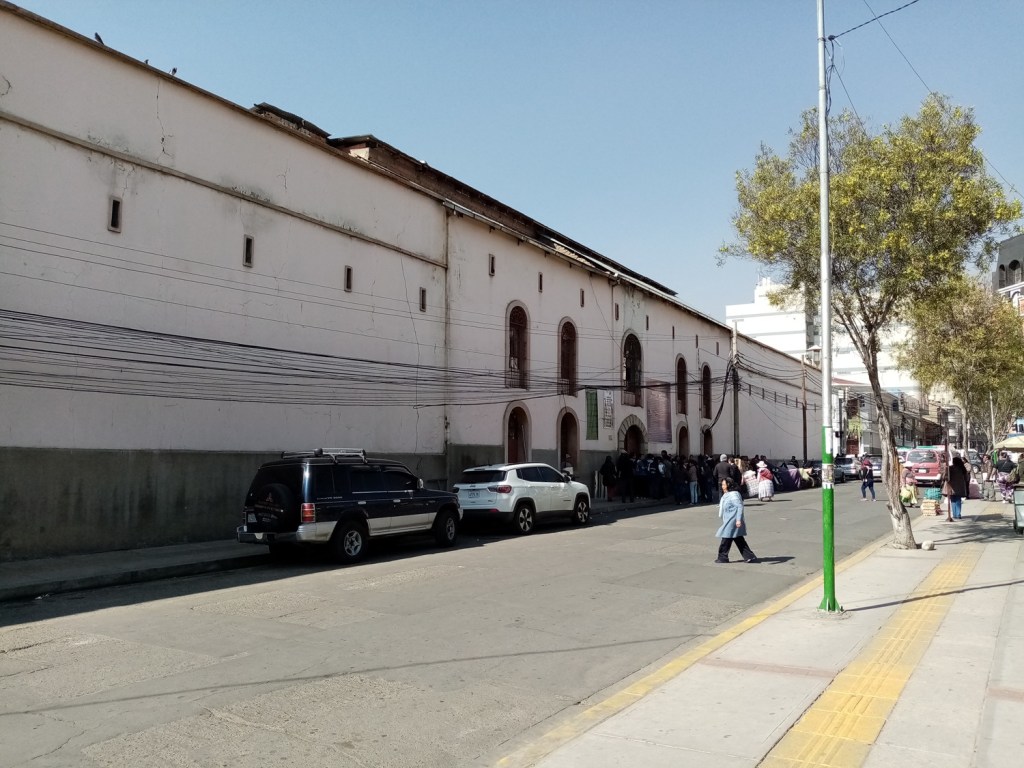
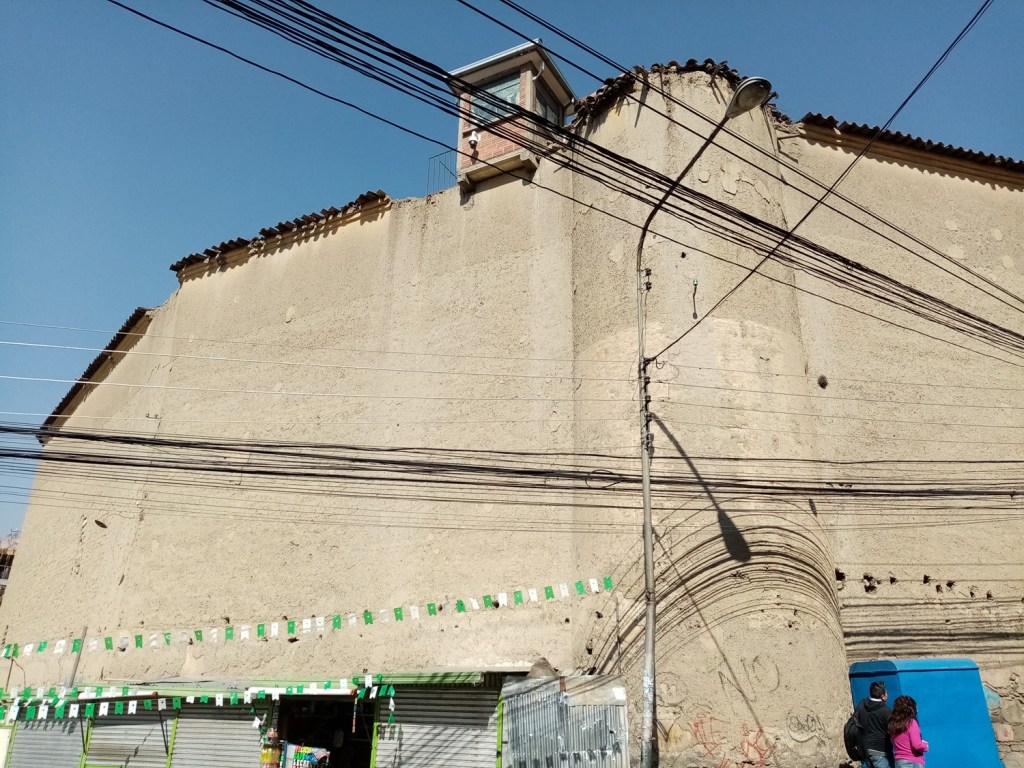
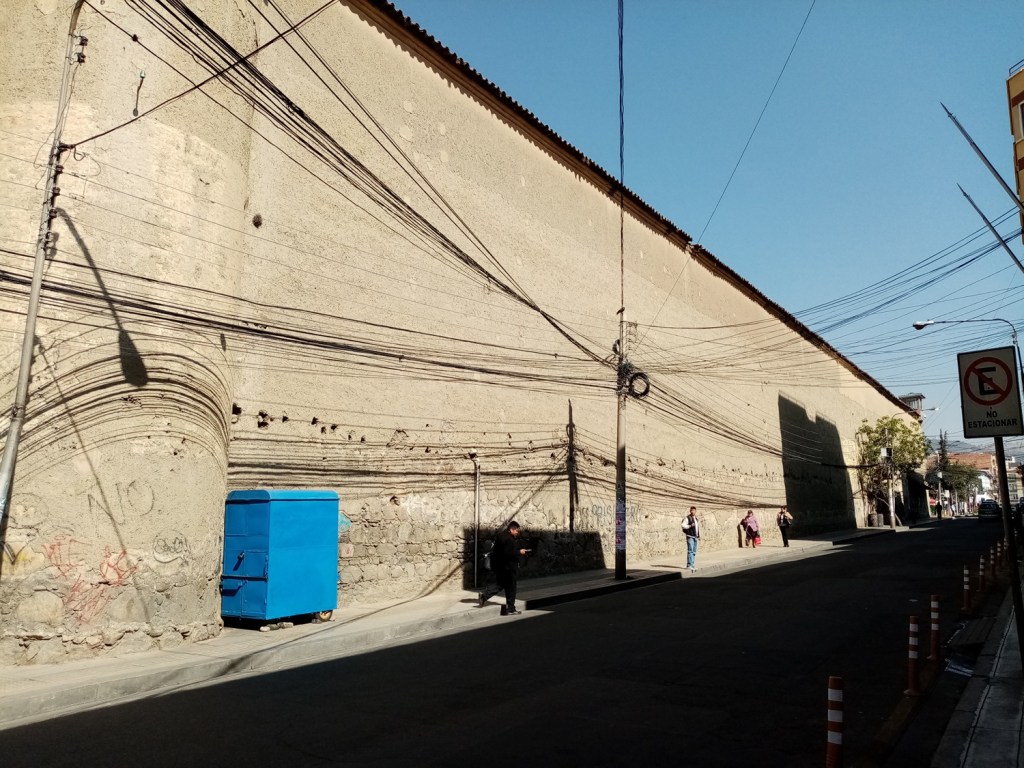
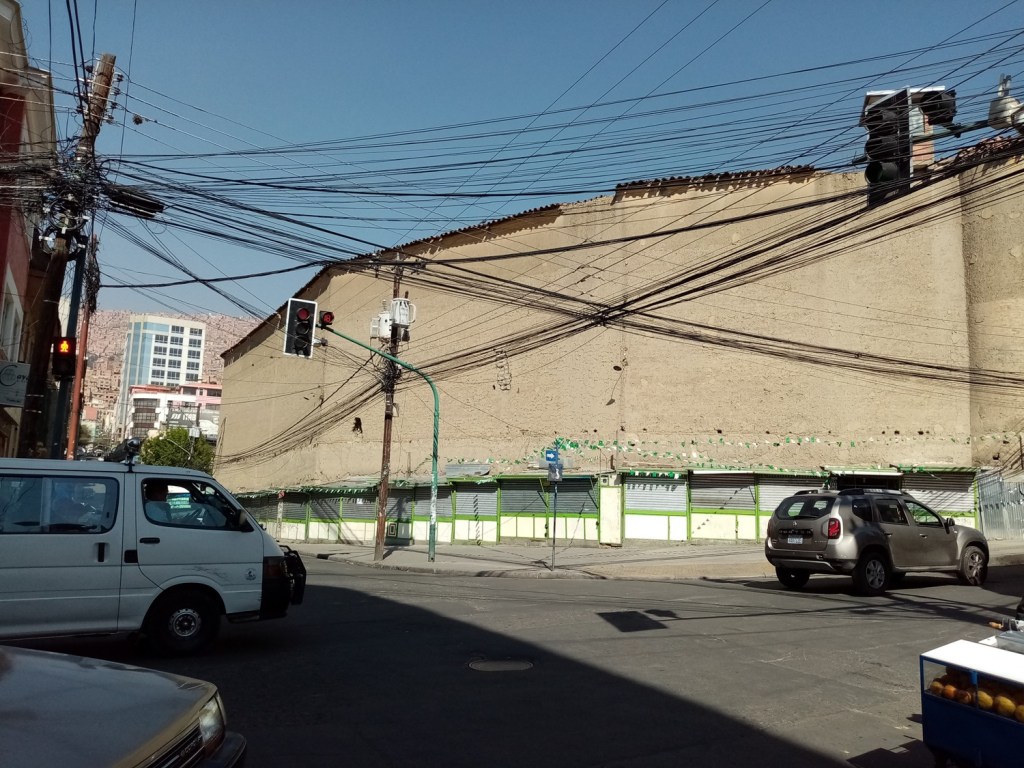
As I stood outside the prison, interacting briefly with families waiting to visit their loved ones, what did you see? The hope in their eyes, the desperation, the resilience? What stories would they tell, if only we would listen?
Gruesome Facts
The mortality rate inside the prison was alarmingly high, with around four deaths per month due to violence or natural causes. Cocaine production was rampant, contributing to the prison’s violent atmosphere and widespread addiction. And what about the children, exposed to such darkness, such violence? How do we begin to address the trauma, the pain, that they’ve endured?
As I reflect on San Pedro Prison, I’m left with more questions than answers. What does the future hold for those trapped within its walls? Can we find a way to break the cycles of violence, addiction, and despair that define this place? Or will it remain a testament to our collective failure, a reminder of the darkness that lurks within our societies?
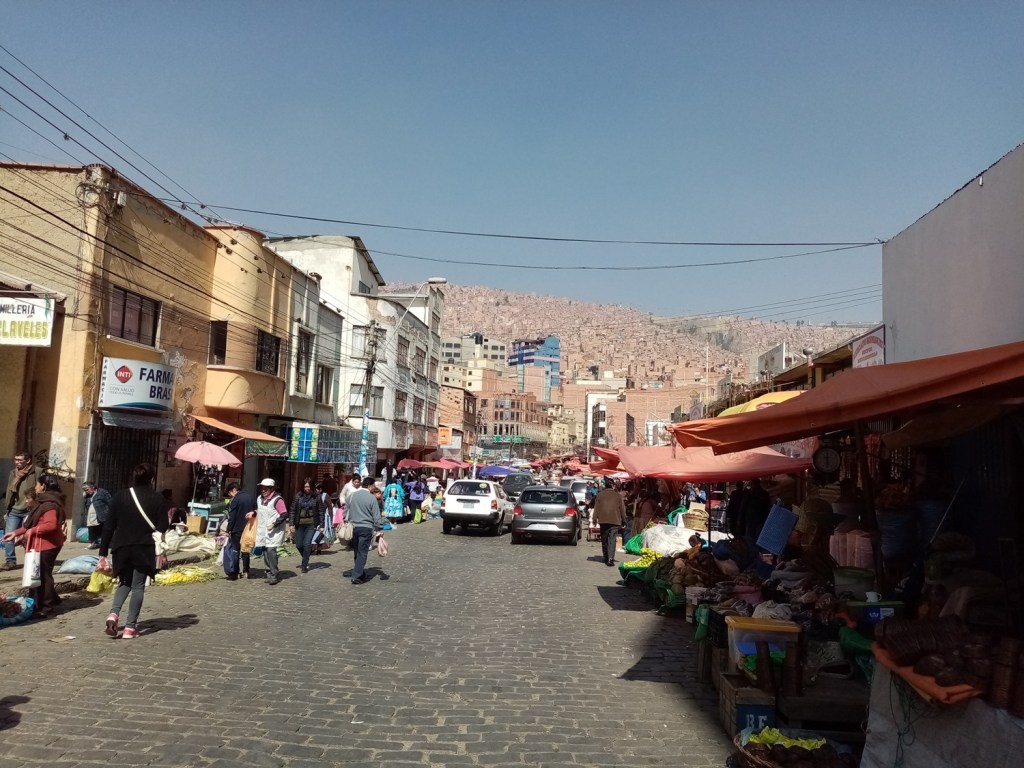
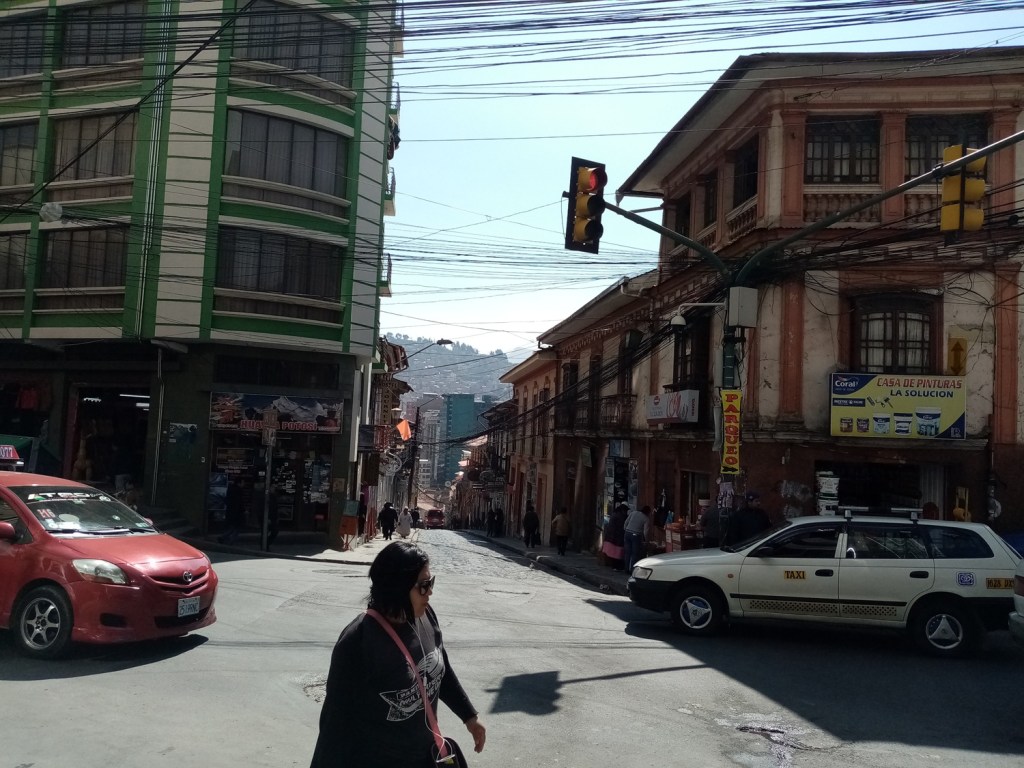
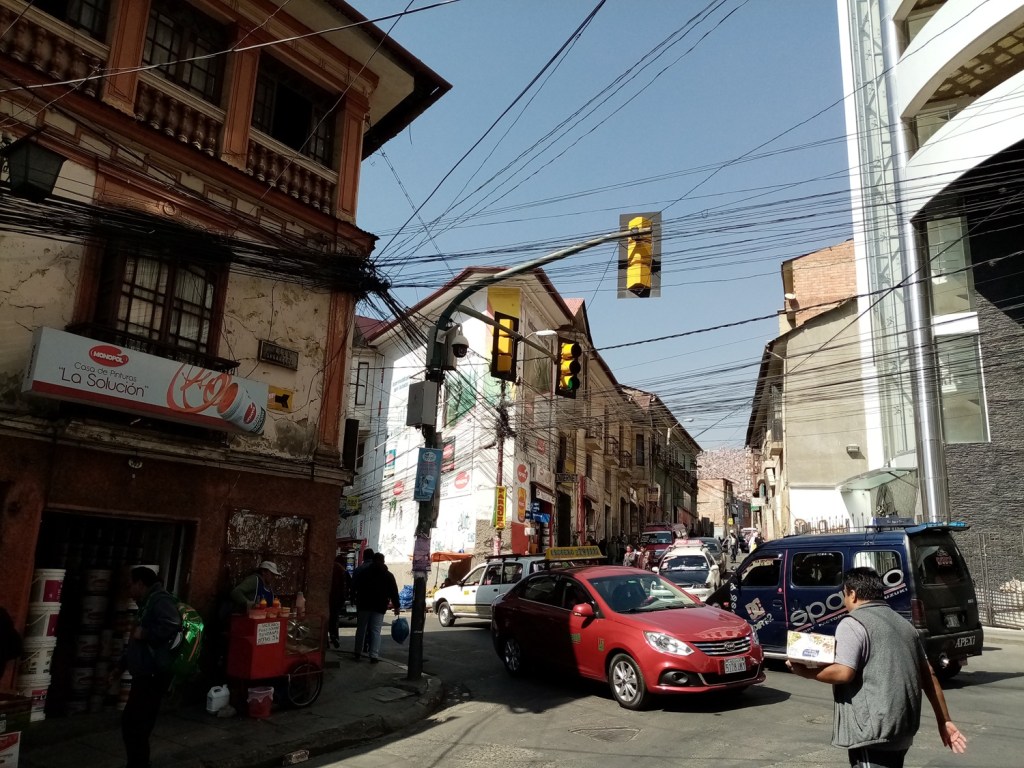

I was struck by the contrasts that seem to define La Paz. Modern skyscrapers stand alongside traditional markets and ancient temples, creating a unique blend of old and new. I felt the energy of the Bolivian people, their passion for their culture, and their resilience in the face of challenges.
My visit to San Pedro Prison was a sobering experience, a reminder of the complexities and challenges that exist in this city. Yet, it was also a testament to the strength and determination of the people who call La Paz home. Short video clip of the prison here
 Frog on the border