I still remember my visit to the Khomeini Shrine in Tehran, Iran, in 2017. As I stepped inside, I was struck by the serene atmosphere. The air was filled with the soft murmur of prayers, and worshippers rested on Persian carpets, lost in contemplation. I felt a sense of peace wash over me as I walked around, taking in the beauty of the shrine.
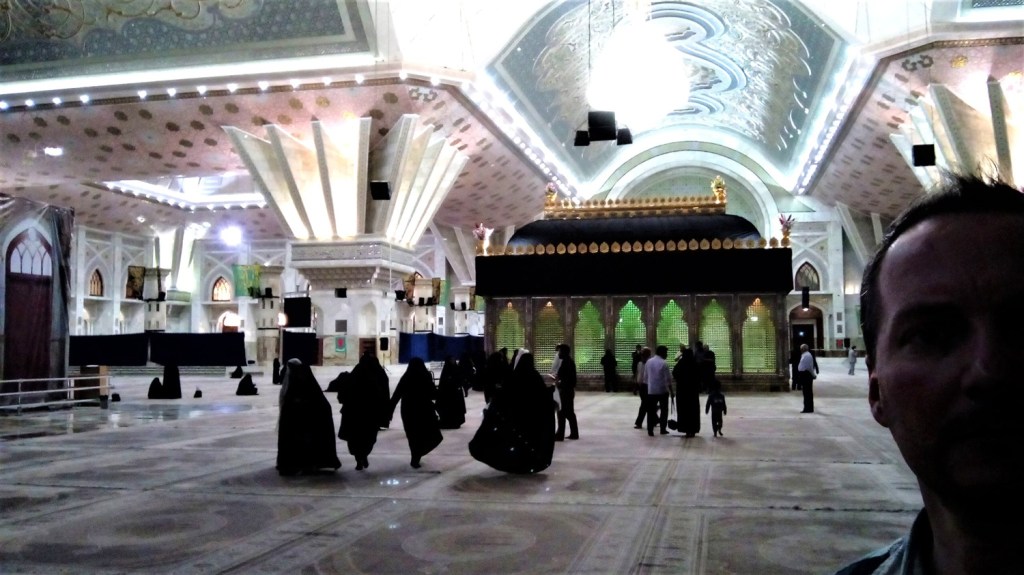
I was free to observe and take pictures, and I was struck by the strong faith and devotion of the people to Ruhollah Khomeini. As a Christian from Poland, I was impressed by the warmth and hospitality of the Persian people. During my travels, I met some wonderful individuals who knew about Poland’s WW2 history and the story of Polish refugees. We shared stories, and I felt a deep connection to the Iranian people. What struck me most was the freedom I had to travel independently as a foreign visitor.
Iran, despite being an Islamic republic, welcomed me with open arms. I felt safe and respected, and the locals were eager to share their culture and traditions with me. What struck me most was the freedom I had to travel independently as a foreign visitor. Iran, despite being an Islamic republic, welcomed me with open arms. I felt safe and respected, and the locals were eager to share their culture and traditions with me.
However, I’ve noticed a significant shift in Iran’s situation since my visit. The country’s foreign policy has changed, and it’s now facing vilification and alienation. This has likely impacted tourism and the way visitors are received.
Despite these changes, I believe that Iran’s rich history, culture, and warm people remain unchanged. My experience at the Khomeini Shrine was a testament to the country’s ability to welcome people from different backgrounds and faiths. I hope that one day, Iran will once again open its doors to tourists, and visitors can experience the beauty and hospitality that I encountered
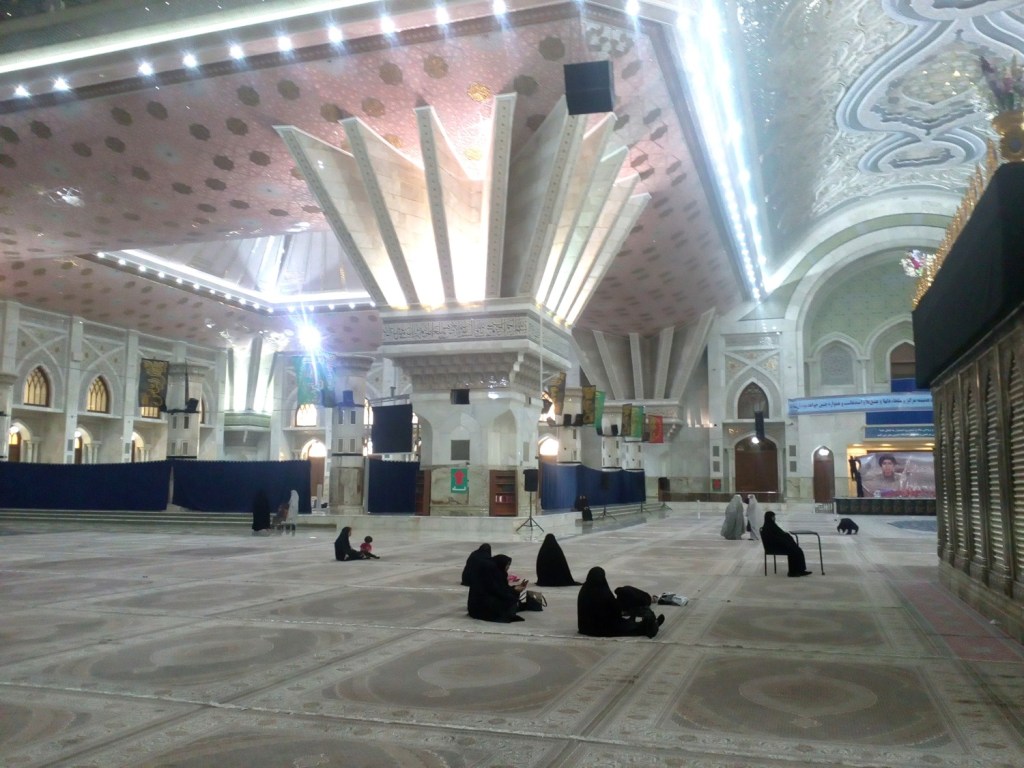
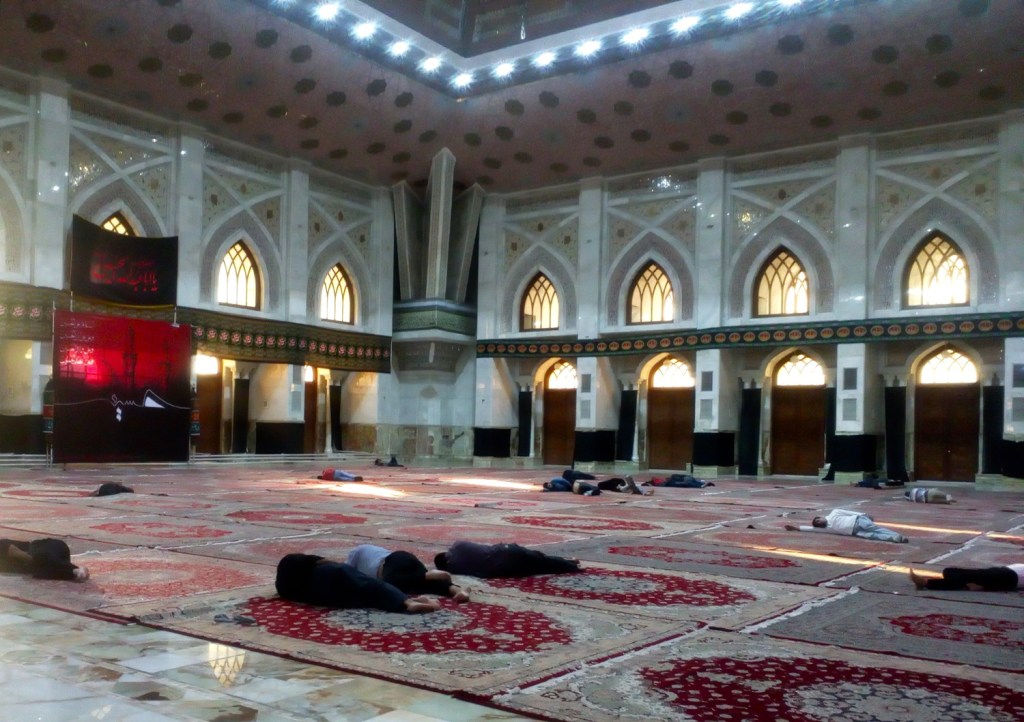
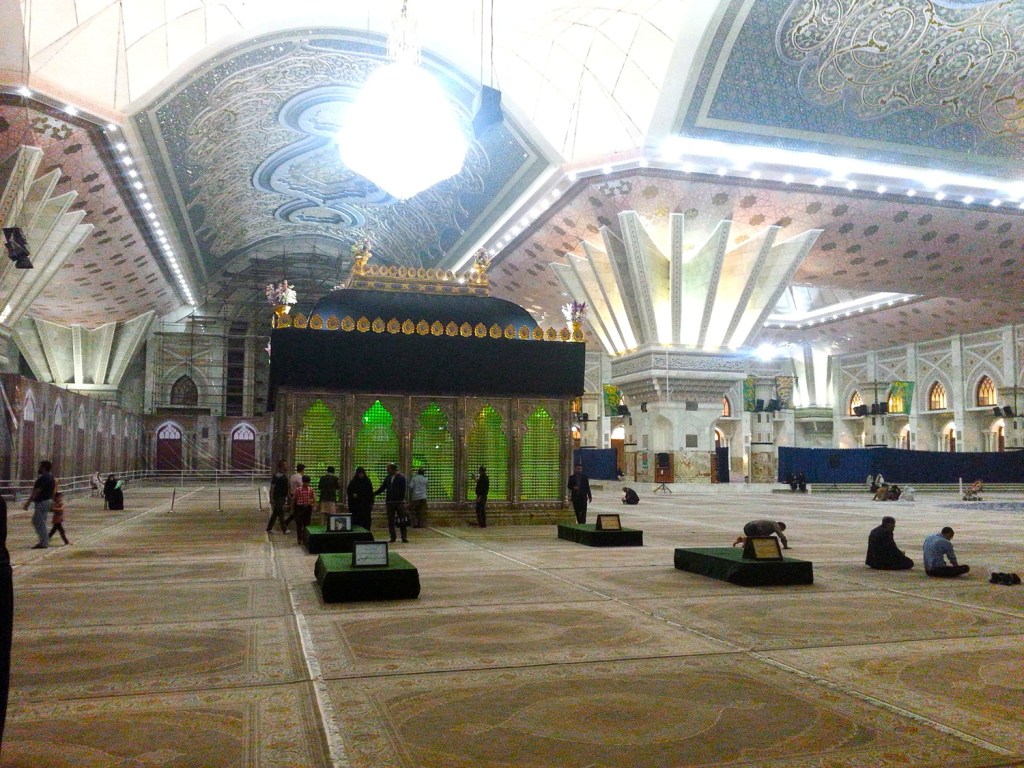
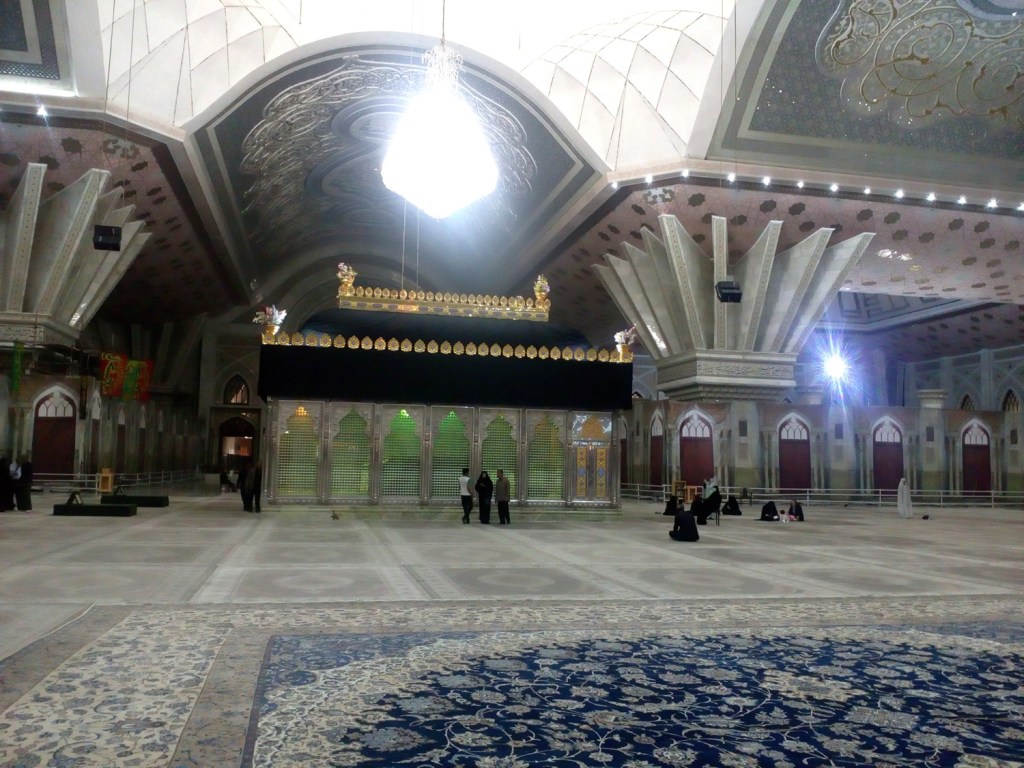
Inside the Khomeini Mausoleum, the central focus is on the tomb of Ayatollah Ruhollah Khomeini, marked by a green glass box-like structure. This structure is significant as it houses Khomeini’s actual burial site. The green color holds symbolic importance in Shia Islam, representing the Prophet Muhammad’s cloak and the Imamate. Khomeini’s tomb, along with those of his wife Khadijeh Saqafi, his second son Ahmad Khomeini, and notable political figures like former President Akbar Hashemi Rafsanjani.
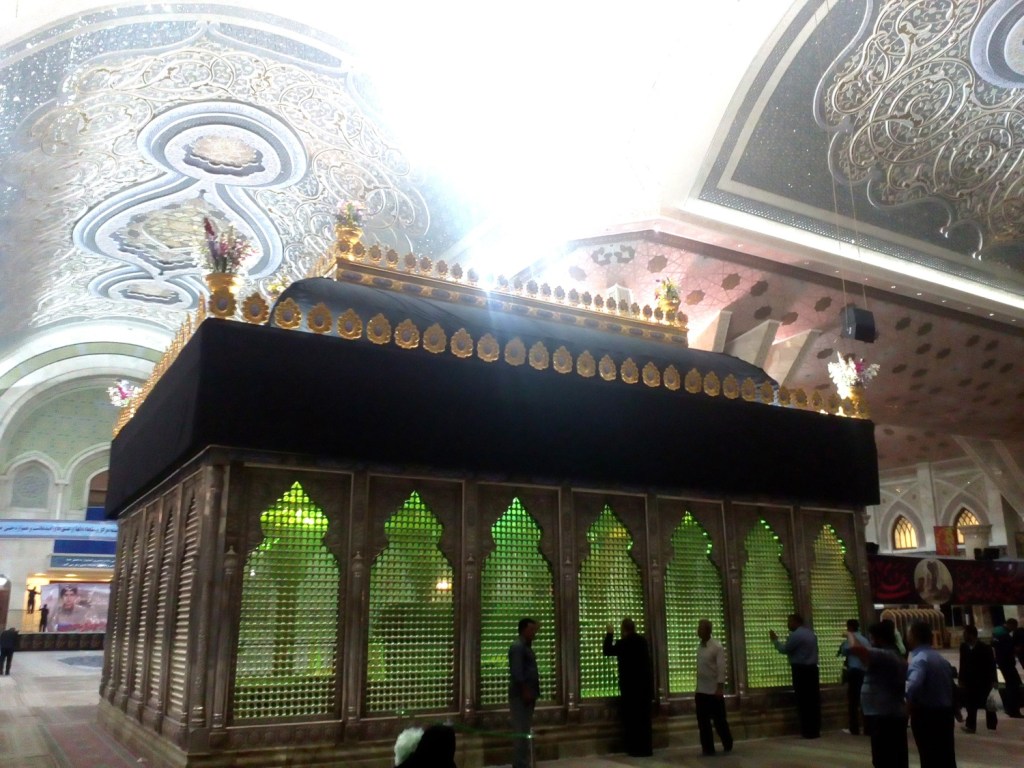
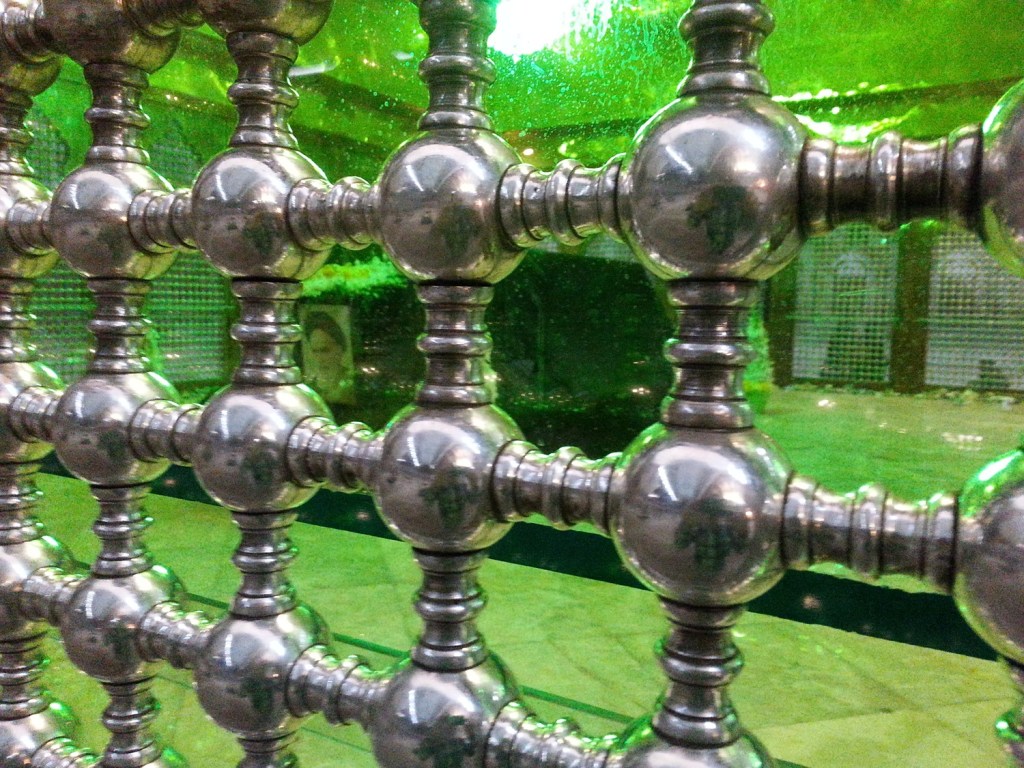
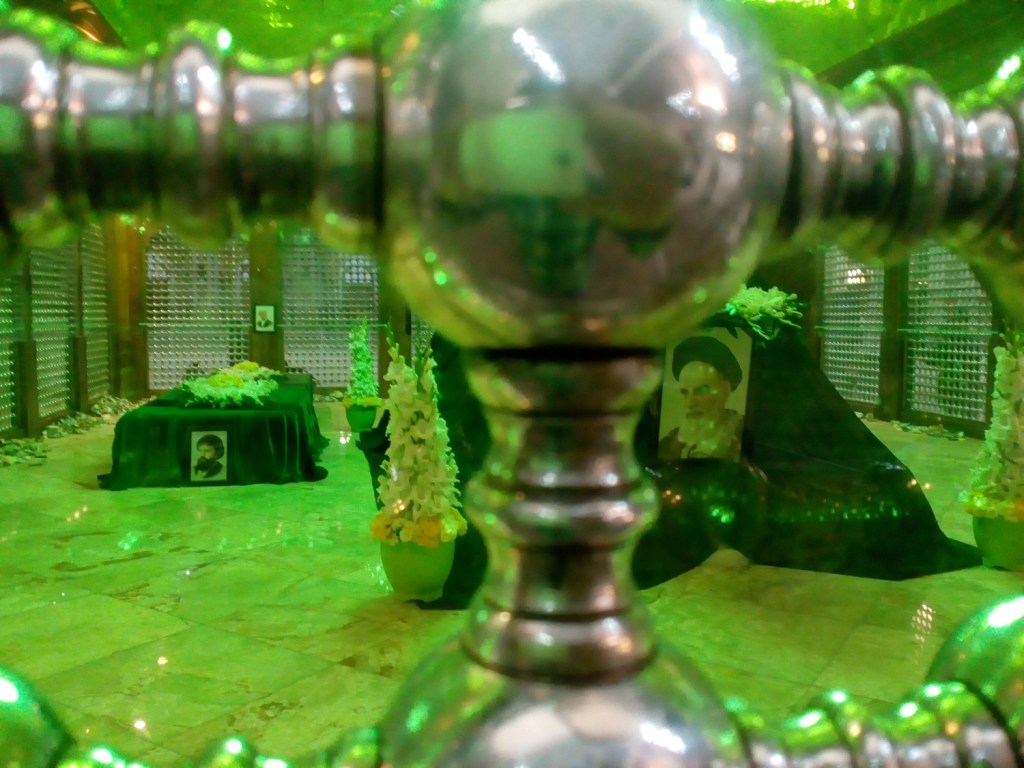
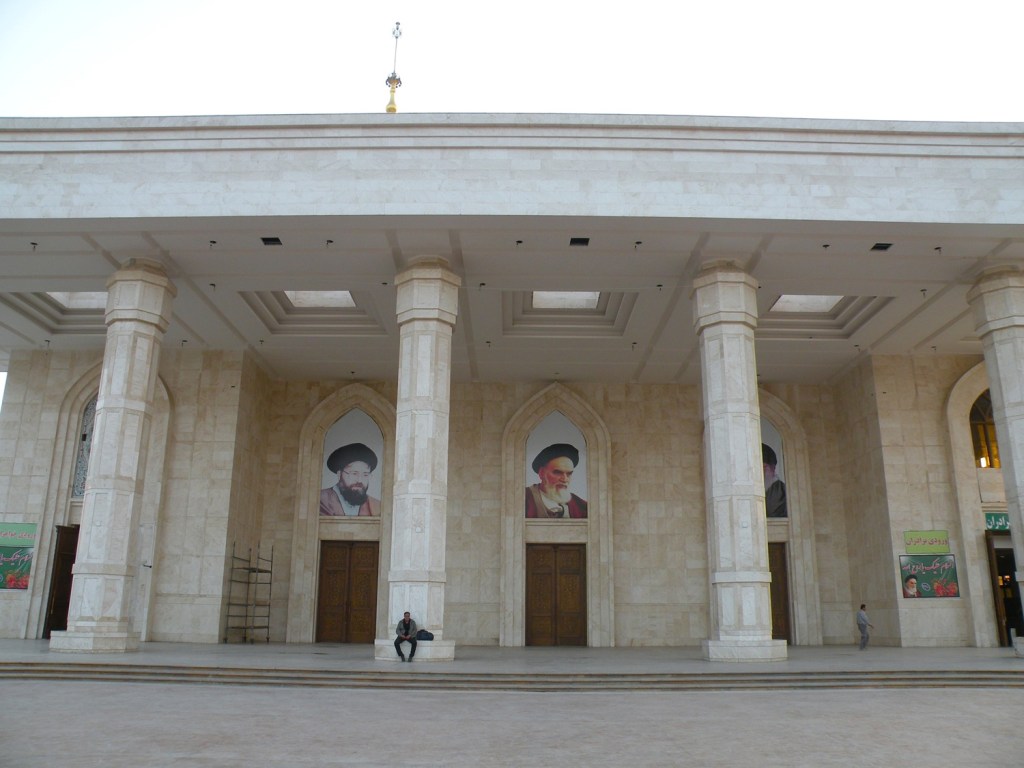
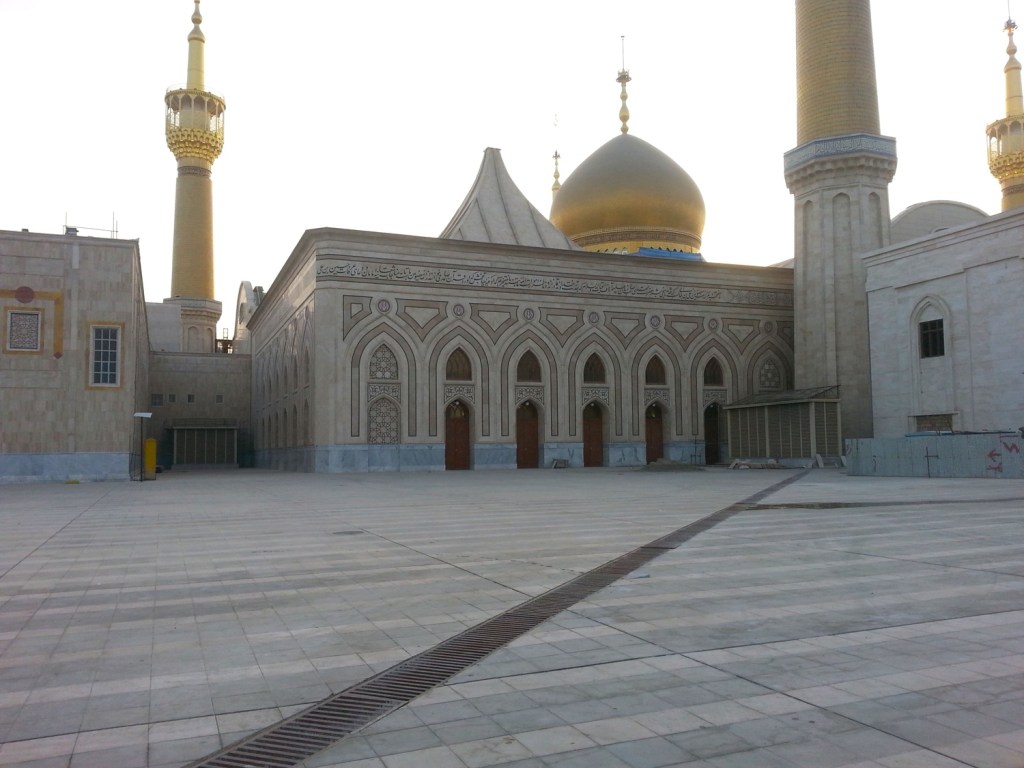
The Mausoleum of Ruhollah Khomeini, located in Tehran’s Behesht-e Zahra cemetery, is a significant Shi’ite Islamic site and the final resting place of Ayatollah Ruhollah Khomeini, the founder of the Islamic Republic of Iran. This grand complex spans over 2,000 hectares, featuring stunning Islamic architecture with a gold dome and four 91-meter-high minarets.
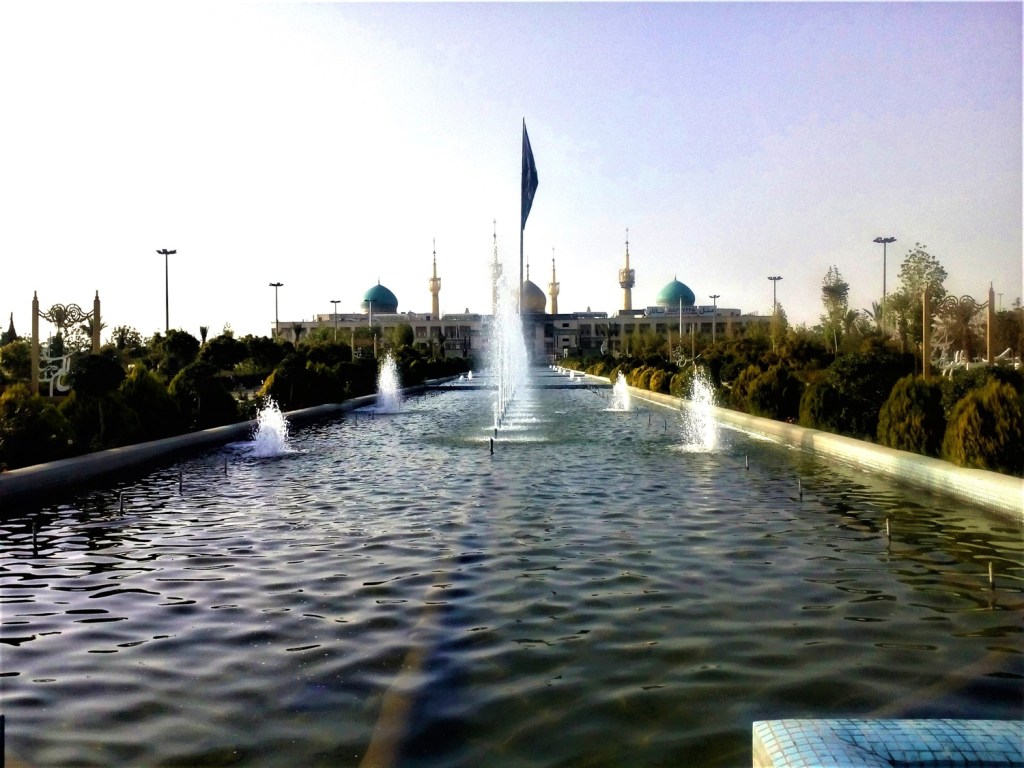
The Khomeini Mausoleum complex features a serene pond and fountain near the cemetery, adding to the site’s tranquil atmosphere. These water elements are often incorporated into Iranian architecture for their aesthetic and symbolic value, representing life, purity, and renewal.
Here is a short video glimpse of my visit inside the mausoleum
 Frog on the border