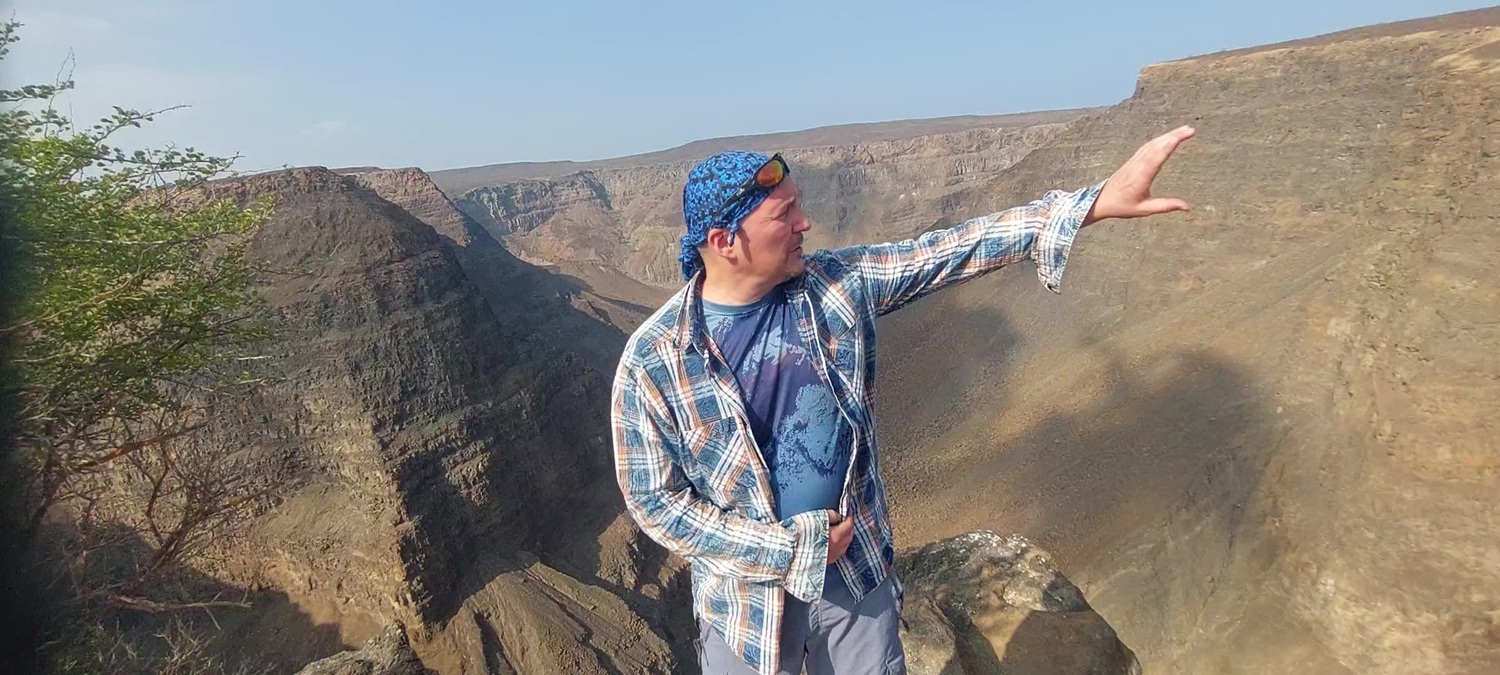
First, I embarked on an epic three-country trip to Djibouti, Somaliland, and Ethiopia, and one of the highlights of my journey was visiting the breathtaking Grand Canyon of Djibouti. Located near the Afar Triple Junction, where three tectonic plates are pulling away from each other, this natural wonder is a must-see for any geology enthusiast or adventure seeker.
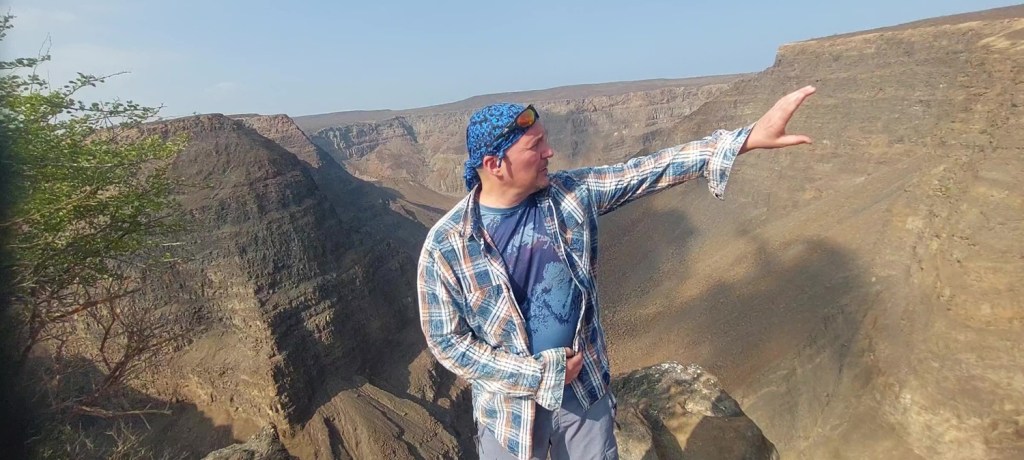
I was fortunate to have Mossa, a kind and polite local guide, who took me to the canyon and shared his knowledge of its geological importance. Mossa explained to me the importance of the canyon, not just as a natural wonder, but also as a window into the region’s geological history. The experience was truly unforgettable, and I felt grateful to have shared it with such a knowledgeable and passionate guide.
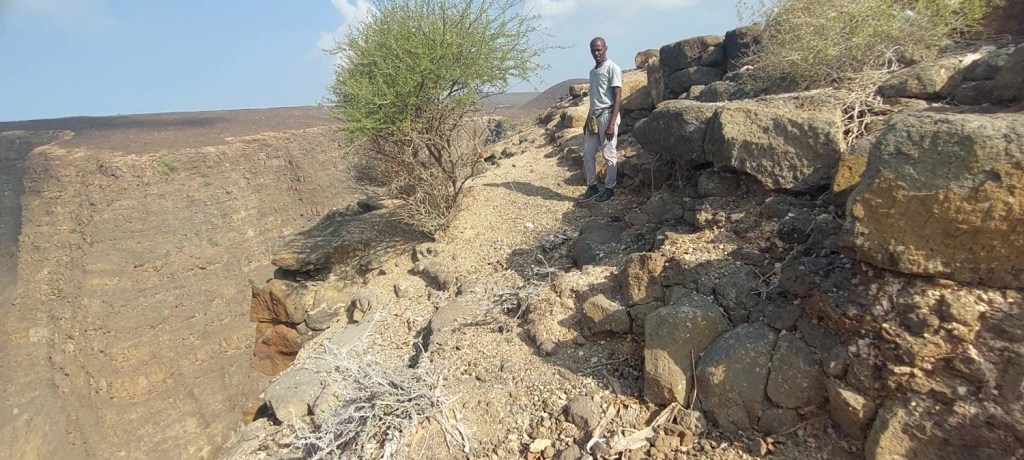
The Grand Canyon of Djibouti is estimated to be about 2-3 million years old, formed by tectonic activity and erosion. It’s a unique example of a “rift canyon”, created by the pulling apart of the Earth’s crust. This process has exposed layers of volcanic and sedimentary rocks, making it a treasure trove for scientists studying the region’s geological history.
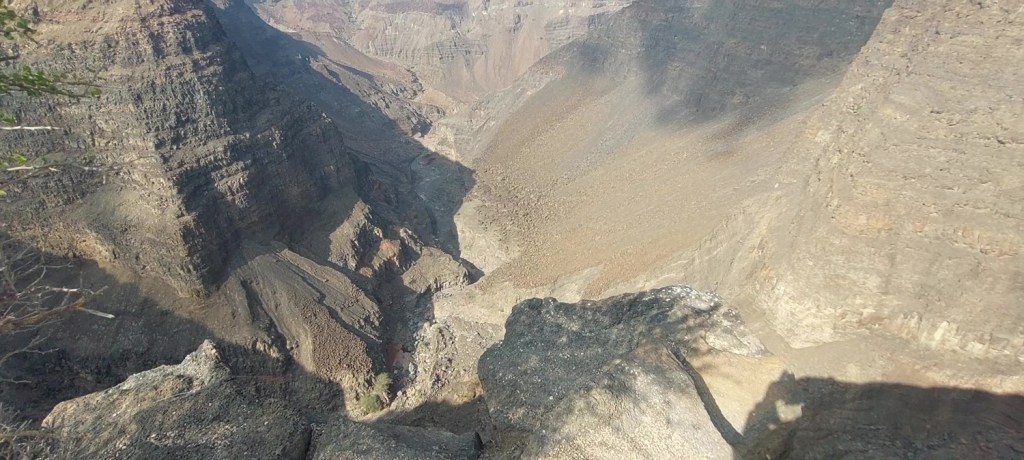
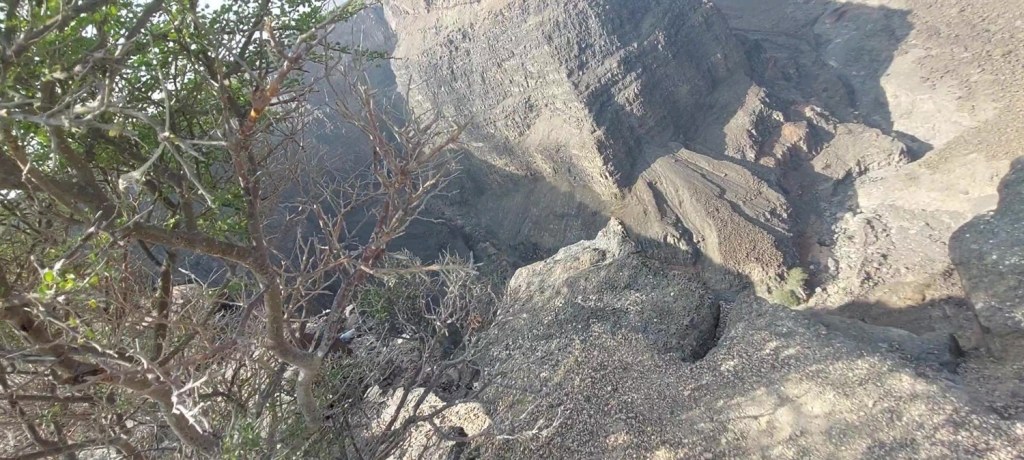
Standing on the edge of the canyon, I was awestruck by the vibrant colors of the metal oxides adorning the walls and the stunning views of the Bay of Djibouti and surrounding mountains. The experience was nothing short of breathtaking! The canyon’s uniqueness lies in its location at the junction of three tectonic plates, making it a key site for studying plate tectonics and the Earth’s geological evolution. Scientists flock to this site to study the exposed rock layers, gaining insights into the region’s volcanic and tectonic past.
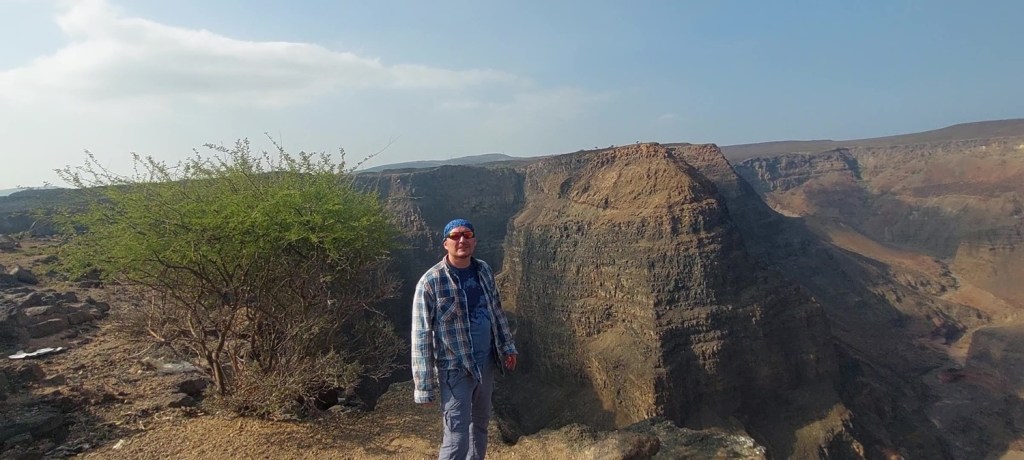
While it may not be as vast as the Grand Canyon in the US, the Grand Canyon of Djibouti has its own unique charm and beauty. The canyon’s vibrant colors and spectacular views are a testament to the incredible forces that have shaped this landscape over millions of years.
Chahkooh Canyon, Qeshm Island, Iran
I’m still in awe of my trip to Qeshm Island, and my visit to Chahkooh Canyon was truly the highlight! Located in the heart of the Zagros mountain ranges, this natural wonder is a must-see for any nature lover or adventure seeker.
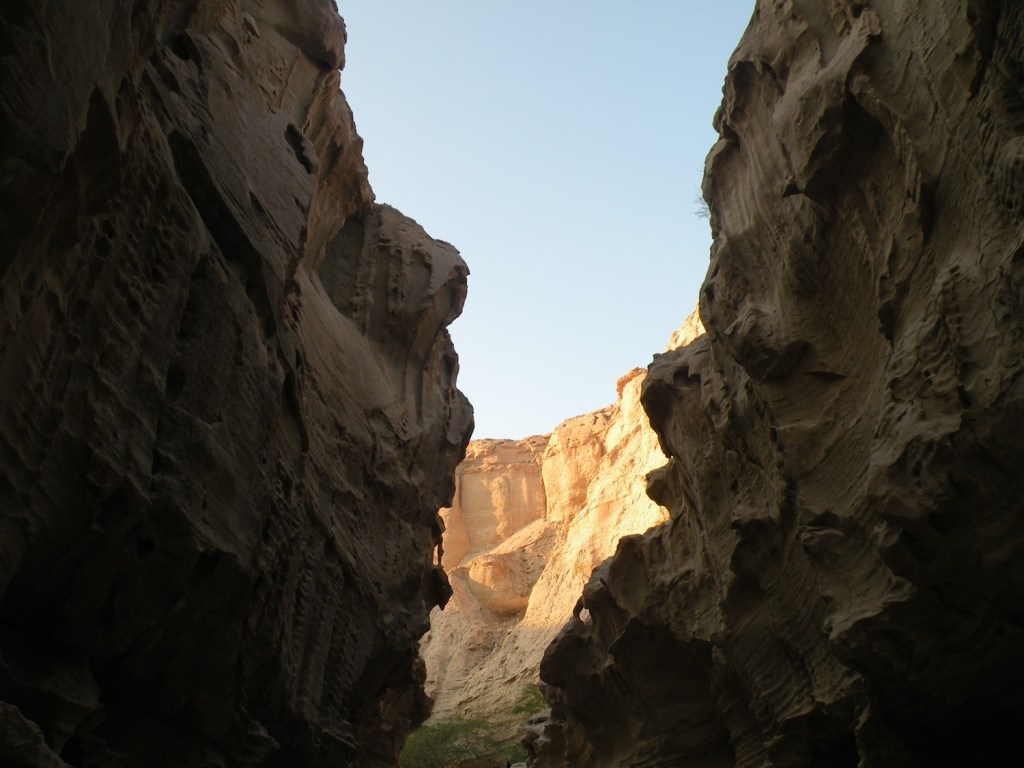


As I walked through the canyon, I felt like I was in a different world. The unique geology of the area, formed by a massive fracture in a large anticline, had created a network of perpendicular valleys with depths of 100 meters and heights of 20 meters. The walls of the canyon are adorned with intricate rock formations, cavities, and grooves, created by millions of years of wind and water erosion.
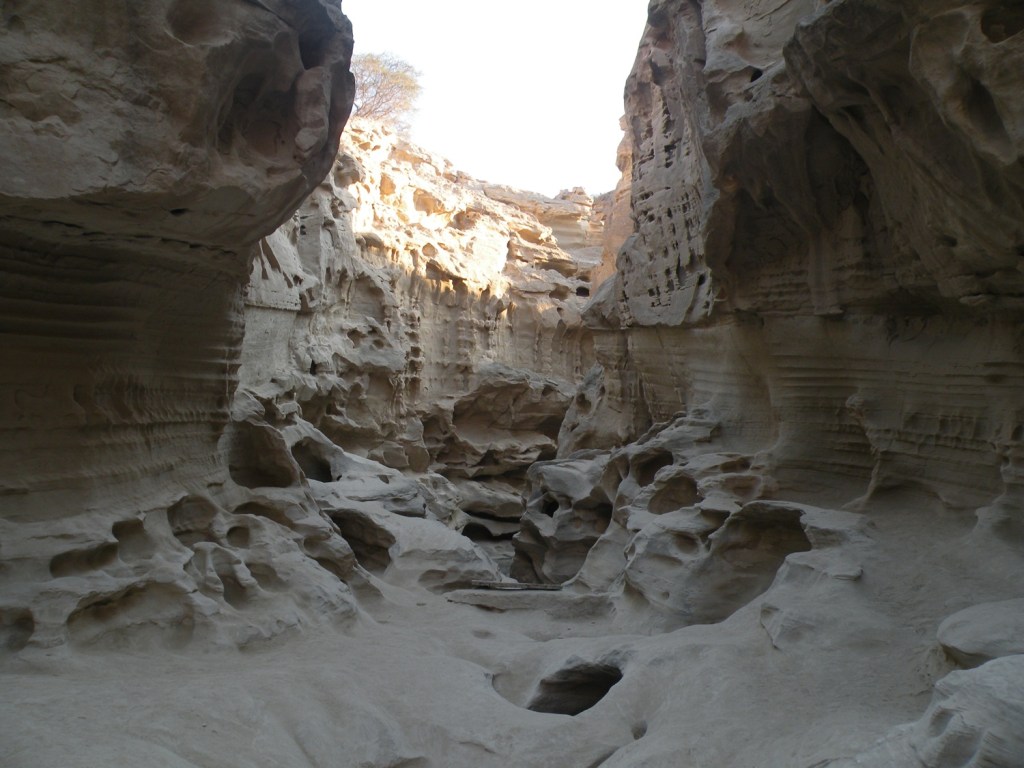
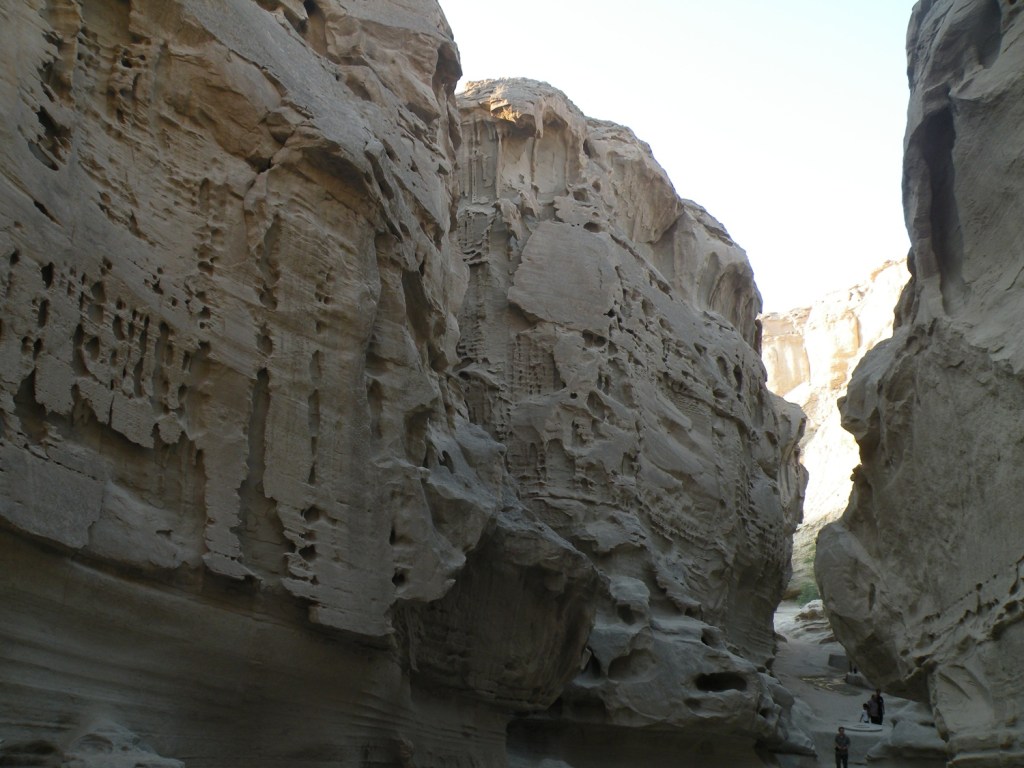
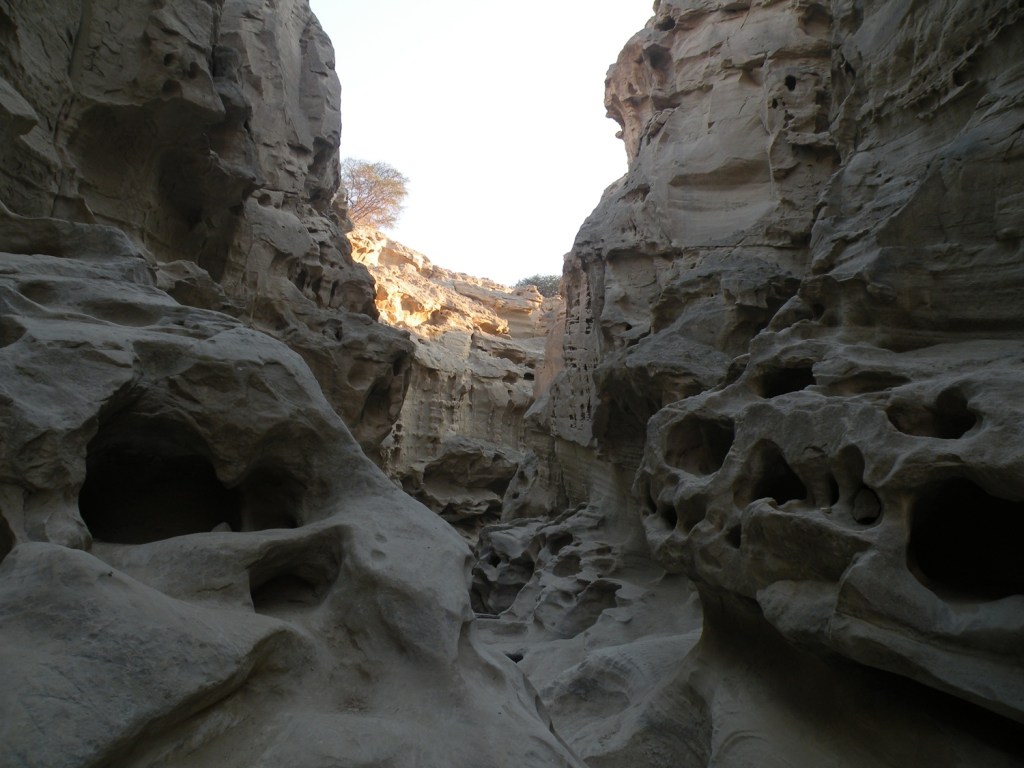
But, I’ll be honest, my adventure almost took a turn for the worse. As I ventured deeper into the canyon, I realized I had wandered away from the group and got lost in the vast, labyrinthine tunnels. The eerie silence and towering walls made me feel tiny and insignificant. I had to think fast and use my wits to find my way back to the group. It was a valuable lesson in staying vigilant and prepared when exploring the great outdoors!
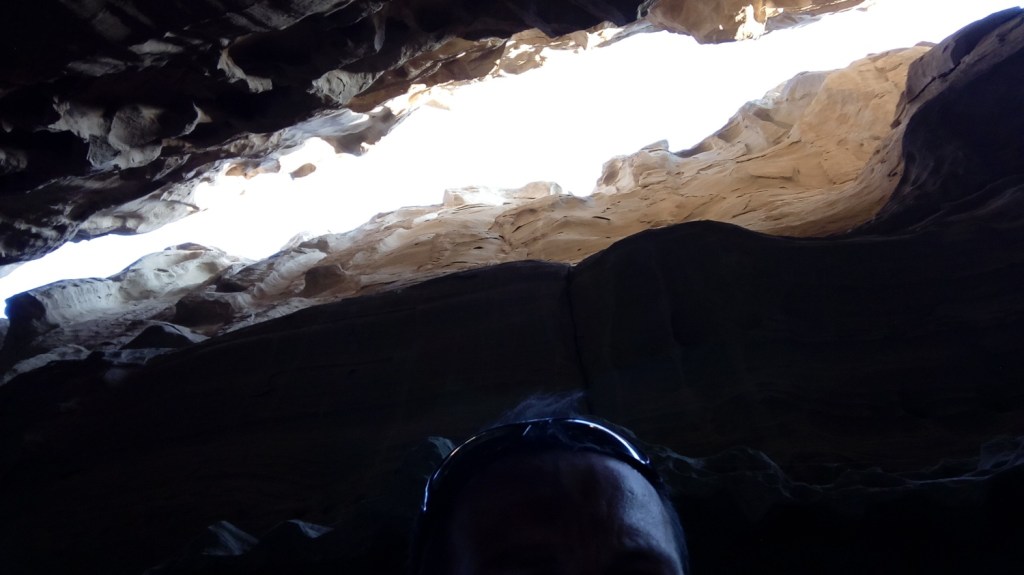
One of the most striking things about Chahkooh Canyon is its unique temperature shift – there’s a remarkable 10-degree temperature difference, making it a refreshing respite from the heat. And, did you know that the name “Chahkooh” translates to “Mountain of Wells” due to the presence of four ancient wells dug by locals to access freshwater? As I explored the canyon, I was amazed by the sedimentary composition of the walls, featuring layers of sandstone, red marl, silt, and limestone. It’s like walking through a geological wonderland!


The canyon is also home to various wildlife, including birds and bees, that nest in the hidden areas. And, if you’re lucky, you might even spot some of the local wildlife as you make your way through. One of the best parts of my visit was walking inside the valley and surrounded by the majestic white boulder mountains. It was like being in a completely different world, away from everything. If you’re planning a trip to Qeshm Island, make sure to add Chahkooh Canyon to your itinerary. It’s an experience you’ll never forget!

In the realm of natural wonders, two breathtaking canyons stand out for their unique geological features and stunning landscapes: the Grand Canyon of Djibouti and Chahkooh Canyon in Qeshm Island, Iran. While they share some similarities, each canyon has its own distinct character, making them must-visit destinations for any traveler. Located in the heart of East Africa, the Grand Canyon of Djibouti is a testament to the region’s volcanic and tectonic activity. This 2-3 million-year-old canyon is a marvel of erosion, with its vibrant colors and breathtaking views of the Bay of Djibouti and surrounding mountains. The canyon’s unique geology, with three tectonic plates pulling apart, makes it a fascinating spot for scientists and geology enthusiasts. On the other hand, Chahkooh Canyon in Qeshm Island, Iran, is a hidden gem nestled in the Middle East. This stunning canyon is a product of millions of years of erosion, with its intricate rock formations and unique geological features. The canyon’s layers of sandstone, red marl, silt, and limestone create a breathtaking landscape, making it a favorite among photographers and nature lovers.
While the Grand Canyon of Djibouti is larger and more extensive, Chahkooh Canyon is equally stunning, with its own unique charm and beauty. The two canyons offer distinct experiences, shaped by their unique geology, history, and culture. Visiting both canyons will be an unforgettable adventure, offering a deeper understanding of the Earth’s geological wonders and the beauty of our planet. From the vibrant colors of the Grand Canyon of Djibouti to the intricate rock formations of Chahkooh Canyon, these two natural wonders are a testament to the incredible forces that have shaped our planet. Whether you’re a geology enthusiast, a nature lover, or simply a curious traveler, these canyons are sure to leave you in awe.
 Frog on the border