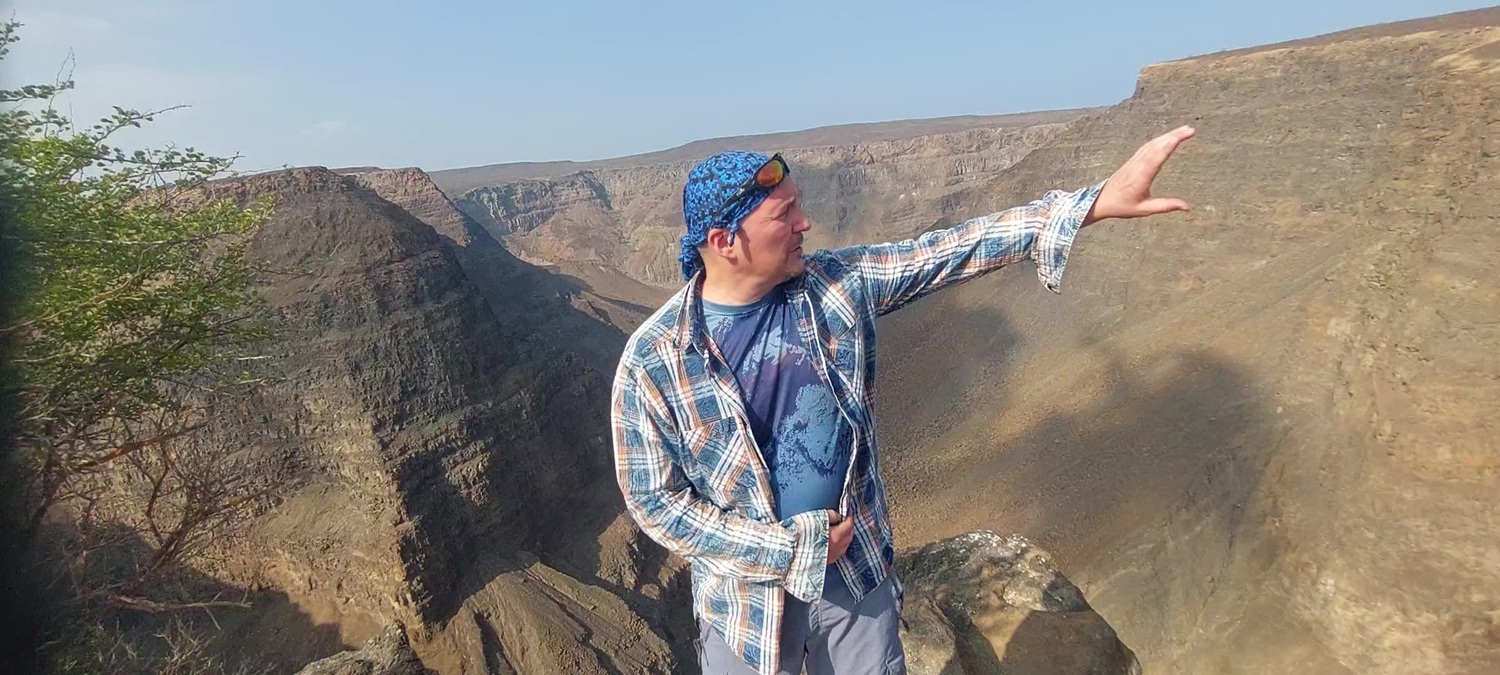
Marapendi Natural Reserve in Rio de Janeiro is a stunning example of preserved wilderness in the heart of the city! This 665-hectare protected area is home to a diverse range of flora and fauna, including capivaras, snakes, monkeys, and jacares. The reserve is a haven for wildlife, with species like the capuchin monkey (Sapajus sp.) and the howler monkey (Alouatta guariba) calling the forest home. I spotted these agile creatures swinging through the trees, their playful antics a joy to watch.
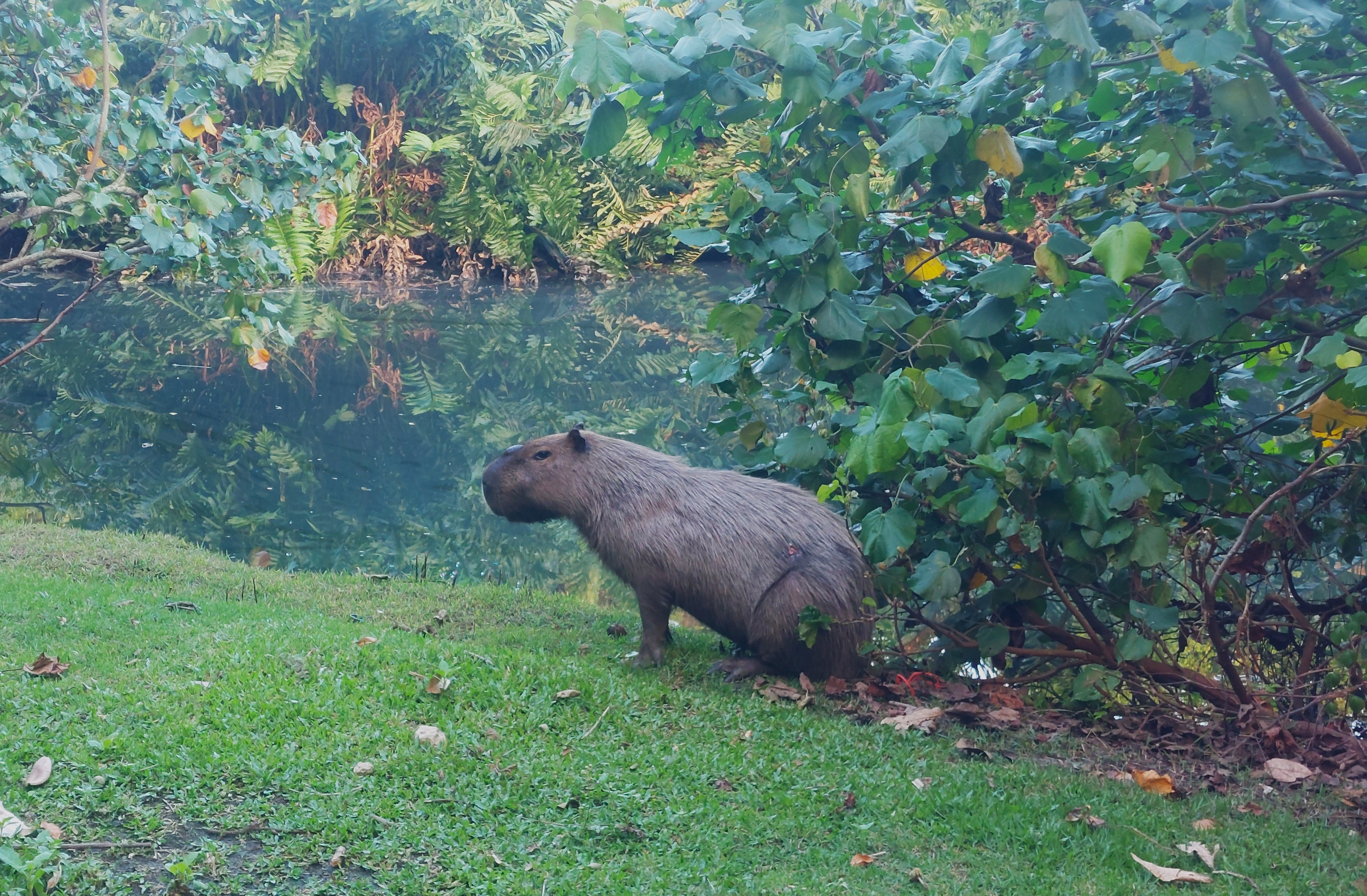
Capivaras are the world’s largest rodents, also known as capybaras or carpinchos. They’re herbivores, feeding on aquatic plants, grasses, and fruit, and are excellent swimmers, often found in or near water. They’re social animals, living in groups of 10-20 individuals, and can grow up to 130 cm long and weigh up to 66 kg.
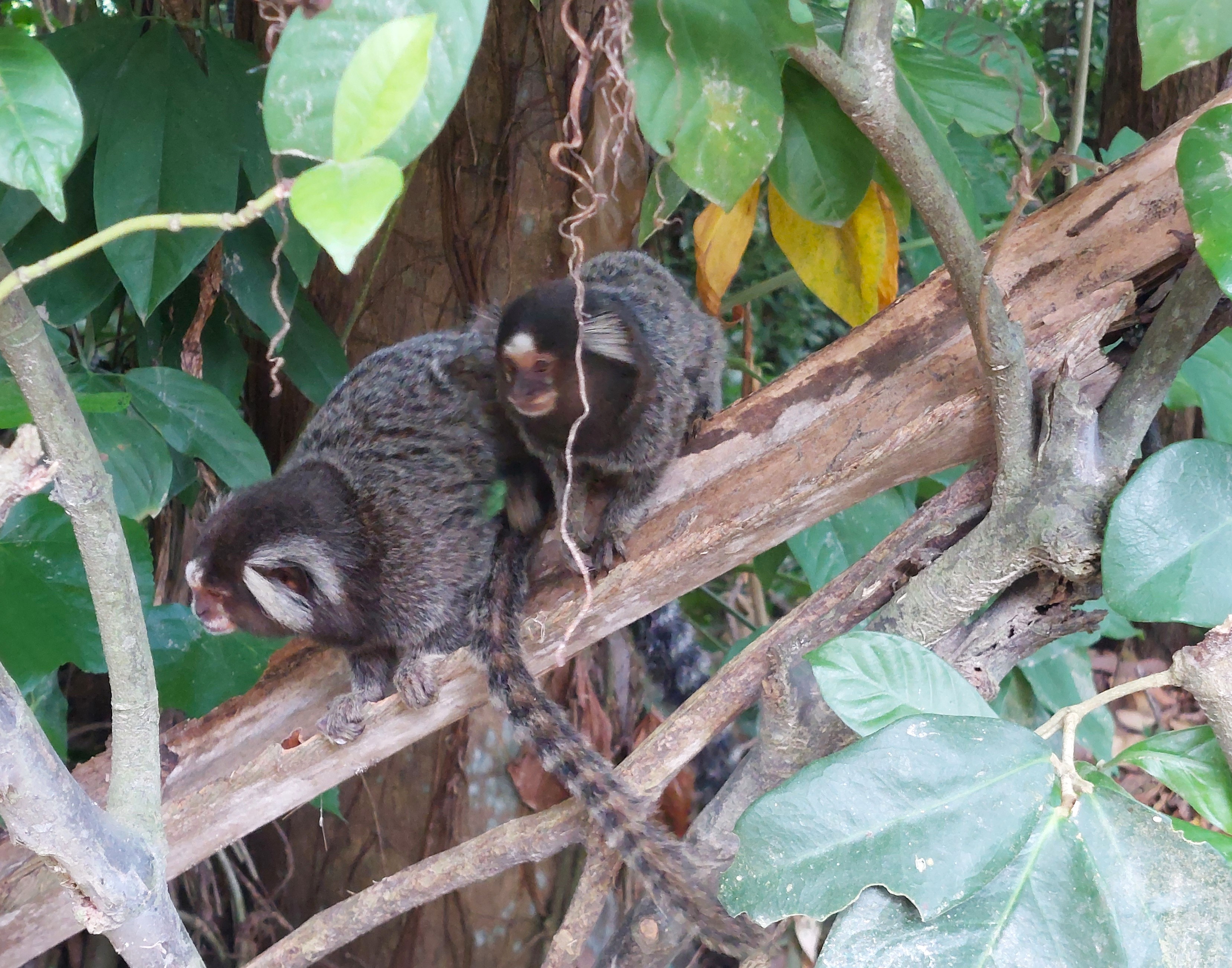
Capuchin monkeys are intelligent and agile primates, known for their dexterous hands. They’re omnivores, eating fruits, insects, and small animals, and are social animals, living in groups of 10-20 individuals. They’re known for their distinctive “tuft” of hair on top of their head, and are considered one of the most intelligent New World monkey species.
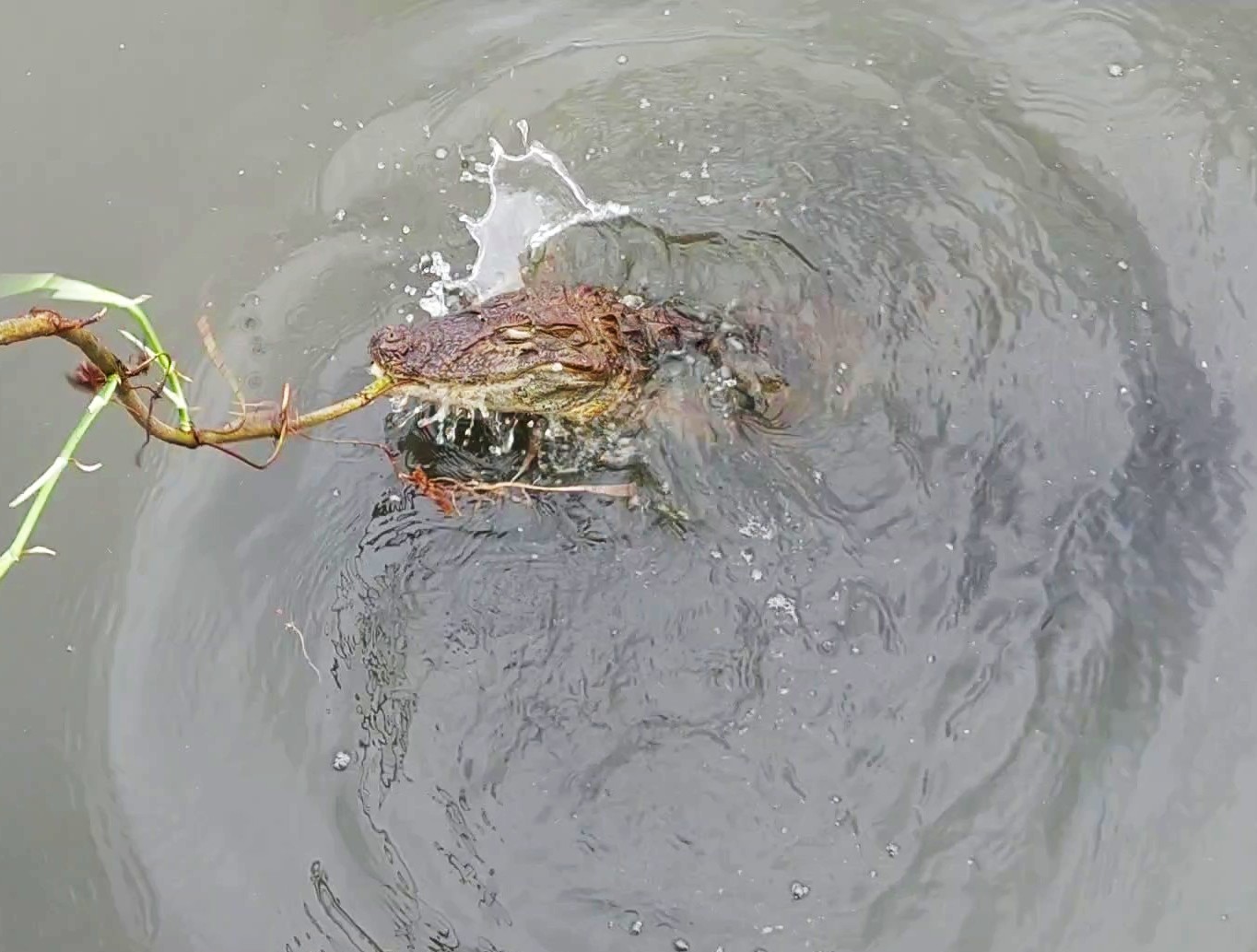
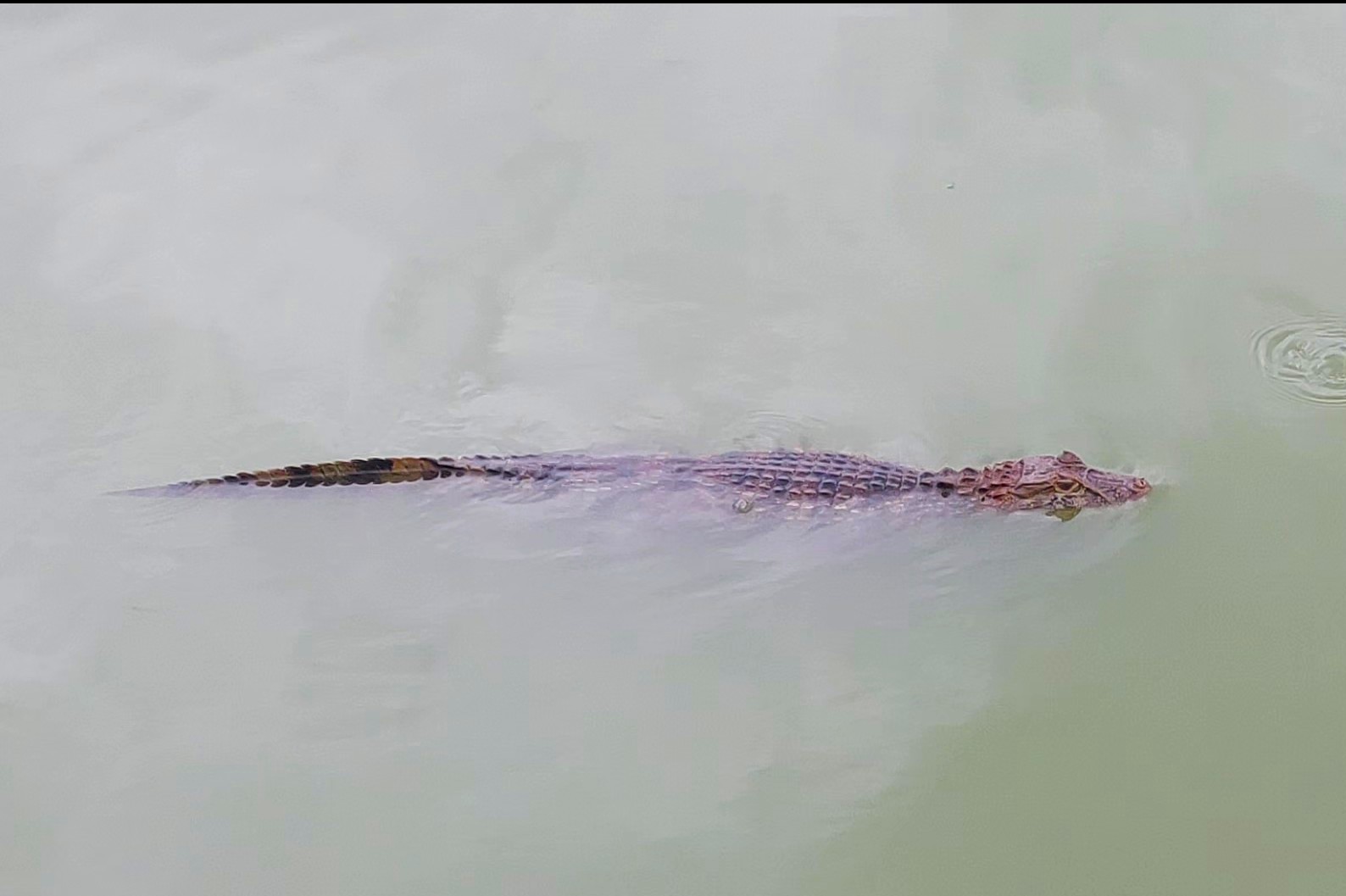
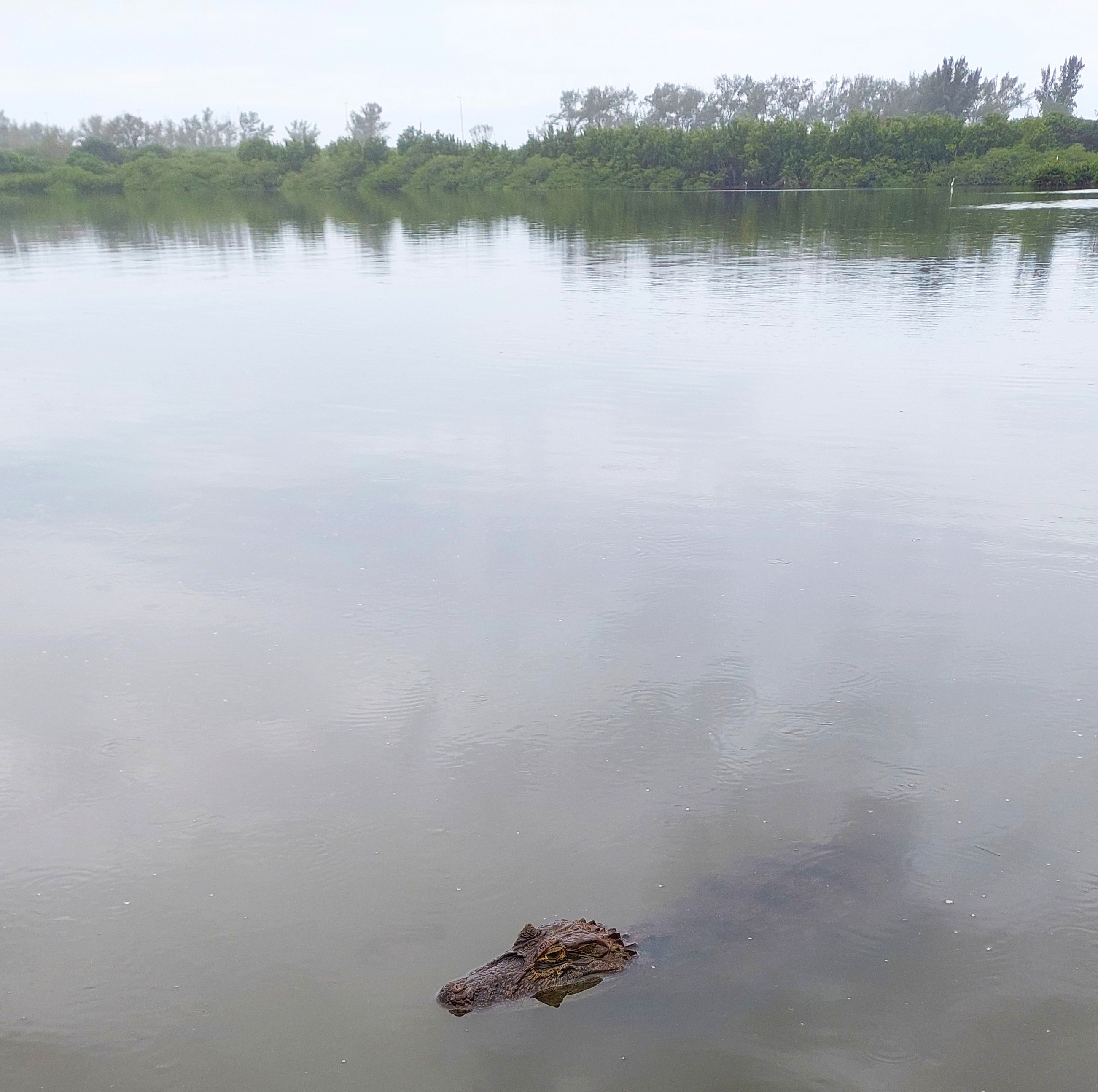
The jacares, also known as yacare caimans (Caiman yacare), are a highlight of the reserve. I had a thrilling encounter with a family of jacares, including young ones, near the observation deck. A massive jacare, likely a dominant male, was nearby, hunting birds and making quite a commotion – a reminder of the importance of keeping a safe distance from these predators.
The jacare, also known as the yacare caiman (Caiman yacare), is a species of caiman found in Marapendi Natural Reserve. They’re a type of alligatorid, a group of reptiles that includes alligators, caimans, and crocodiles.
In the reserve, you might spot a family of jacares, including adults and young ones, basking in the sun or swimming in the water. They’re carnivores, feeding on fish, birds, and small mammals, and are known to be skilled hunters. The jacare’s diet consists mainly of aquatic animals, but they’ll also prey on larger animals that come to the water’s edge.
While attacks on humans are rare, jacares can be aggressive if provoked or if they feel threatened. They’re responsible for a few fatalities in Brazil each year, usually when people get too close or enter the water where they’re present.
In Marapendi, keep a safe distance from jacares, especially if you’re near the water’s edge or in areas where they’ve been spotted. Don’t approach them or try to feed them, and follow park rules and guidelines to minimize the risk of an encounter gone wrong.
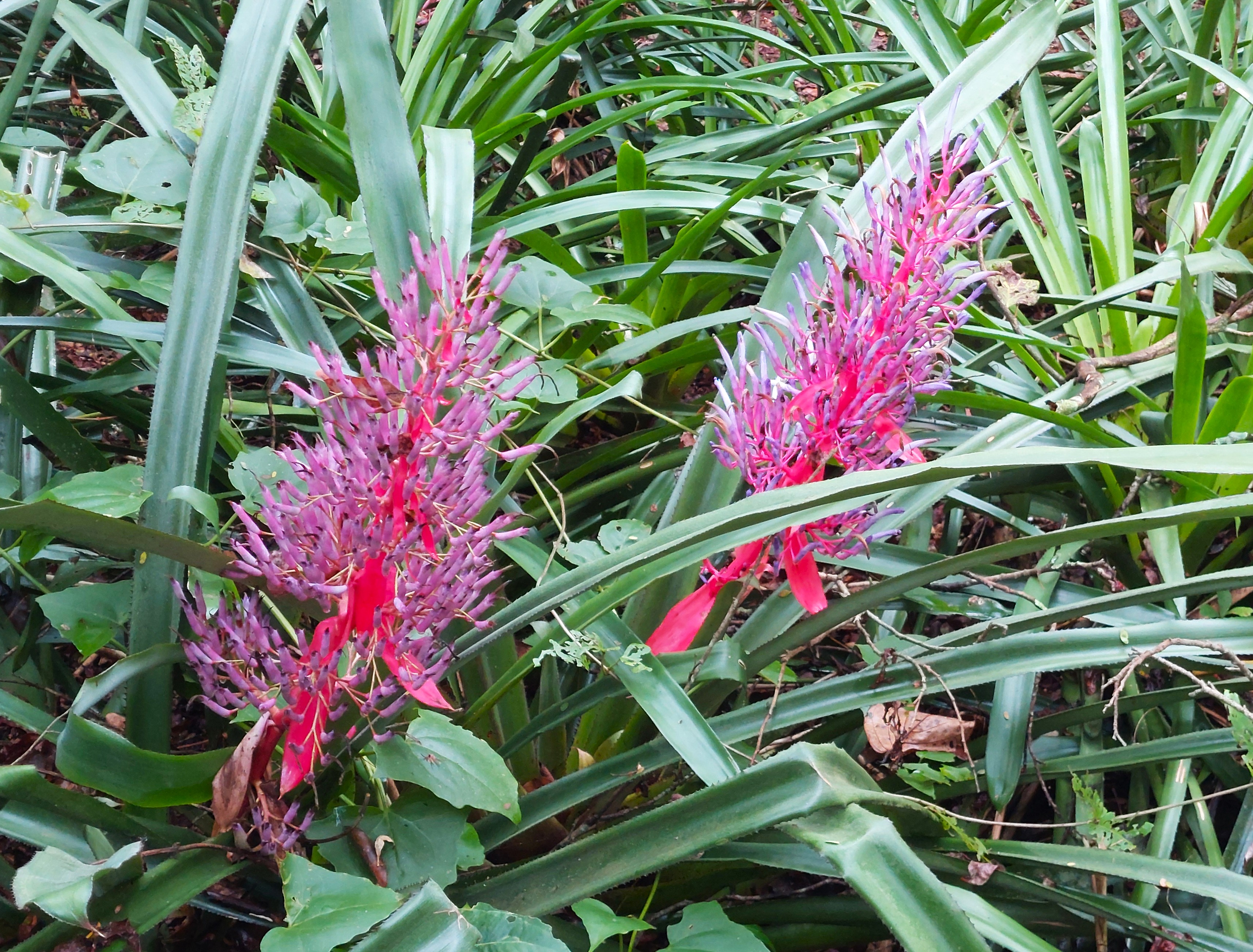
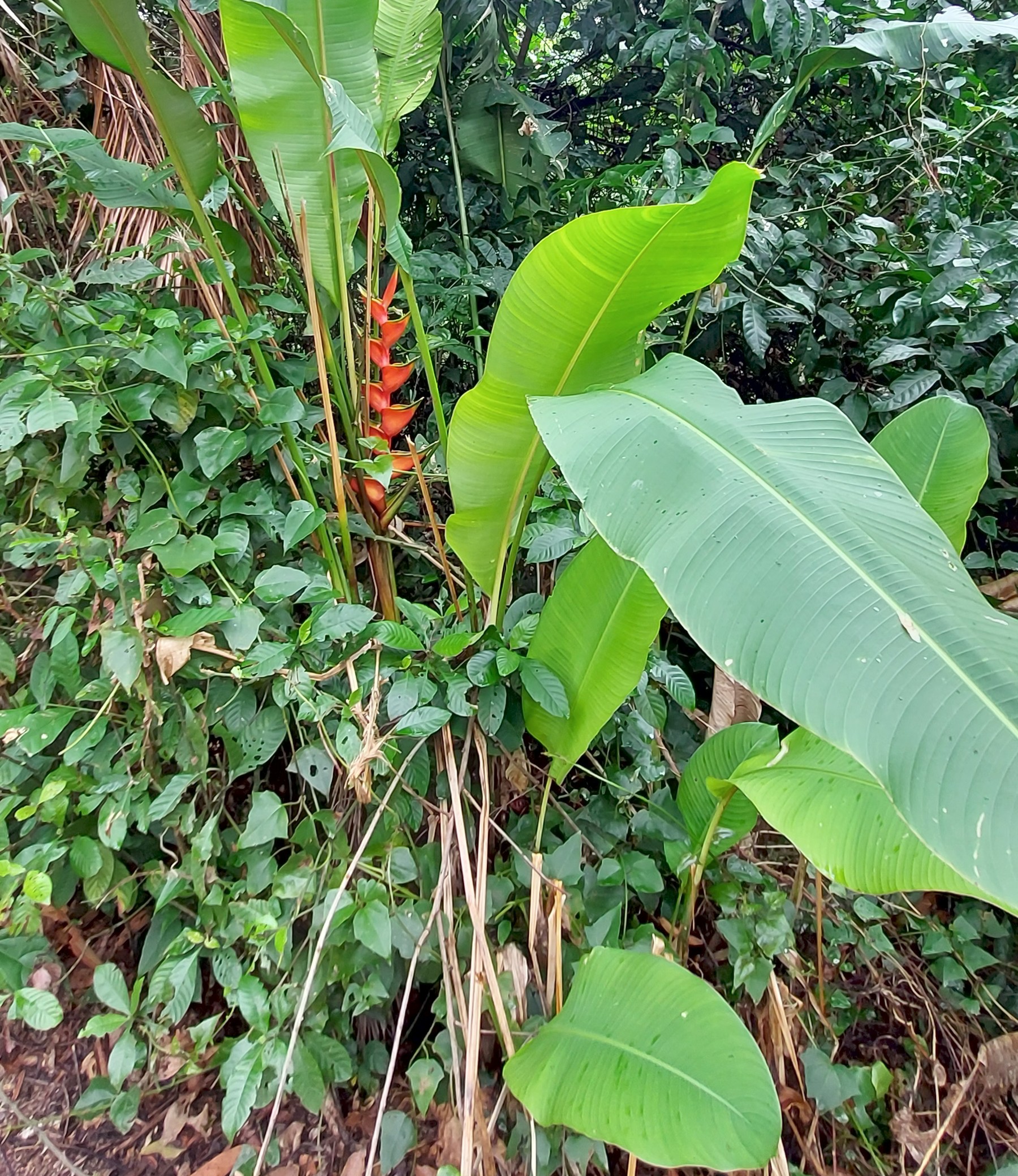
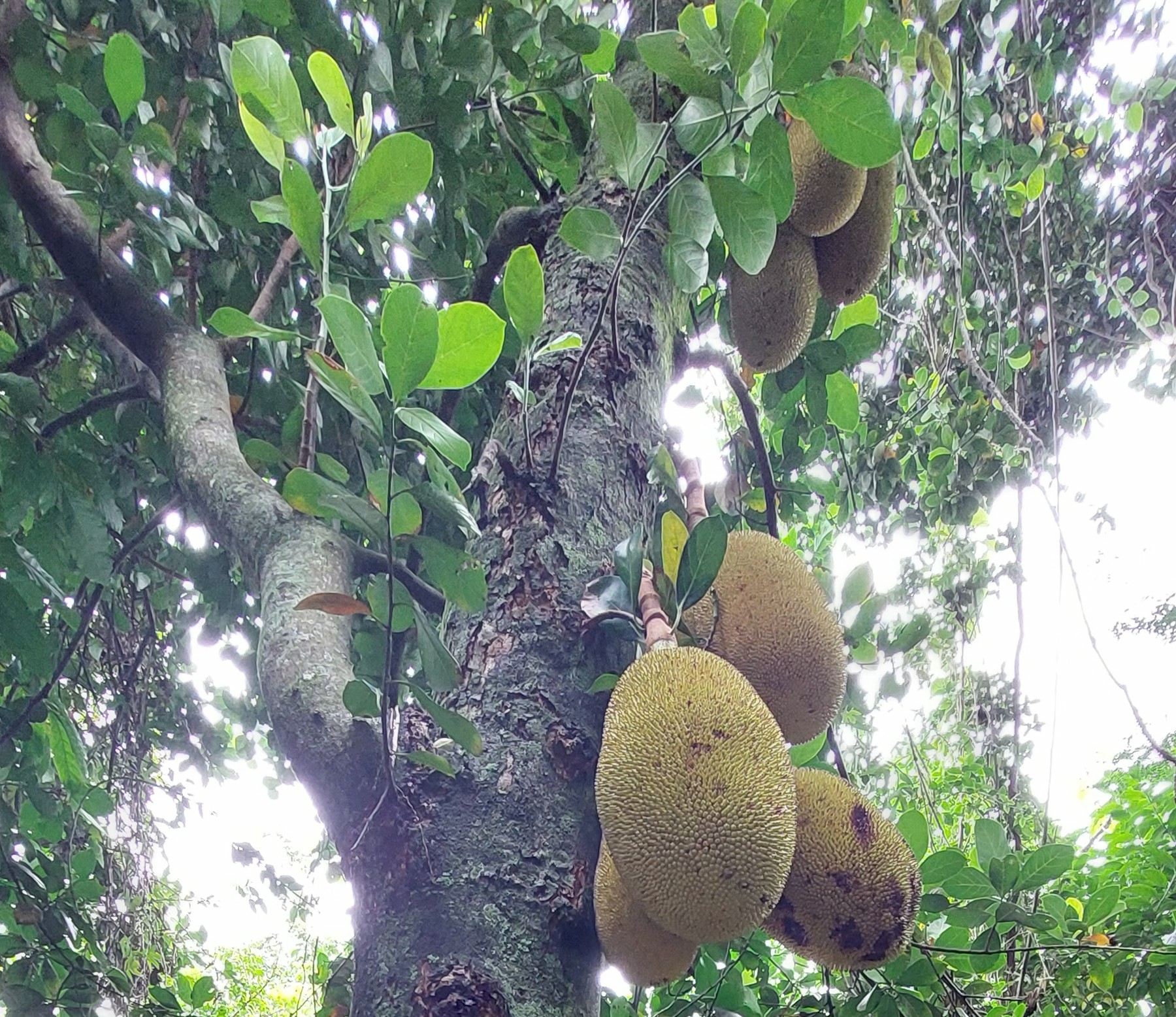
The reserve’s flora is just as impressive, with huge fruits like the jackfruit (Artocarpus heterophyllus) and the mangaba (Hancornia speciosa) ripening in the sun. I also spotted vibrant flowers of the bromeliads, orchids, and the striking leaves of the philodendron and the heliconia plants.

Visitors should stay on designated trails, as there are swampy areas and wildlife that require caution, such as jacares and venomous snakes like the jararaca (Bothrops jararaca), common in the region. Mosquitos and spiders, including the wandering spider (Phoneutria), may also be present and require precautions.
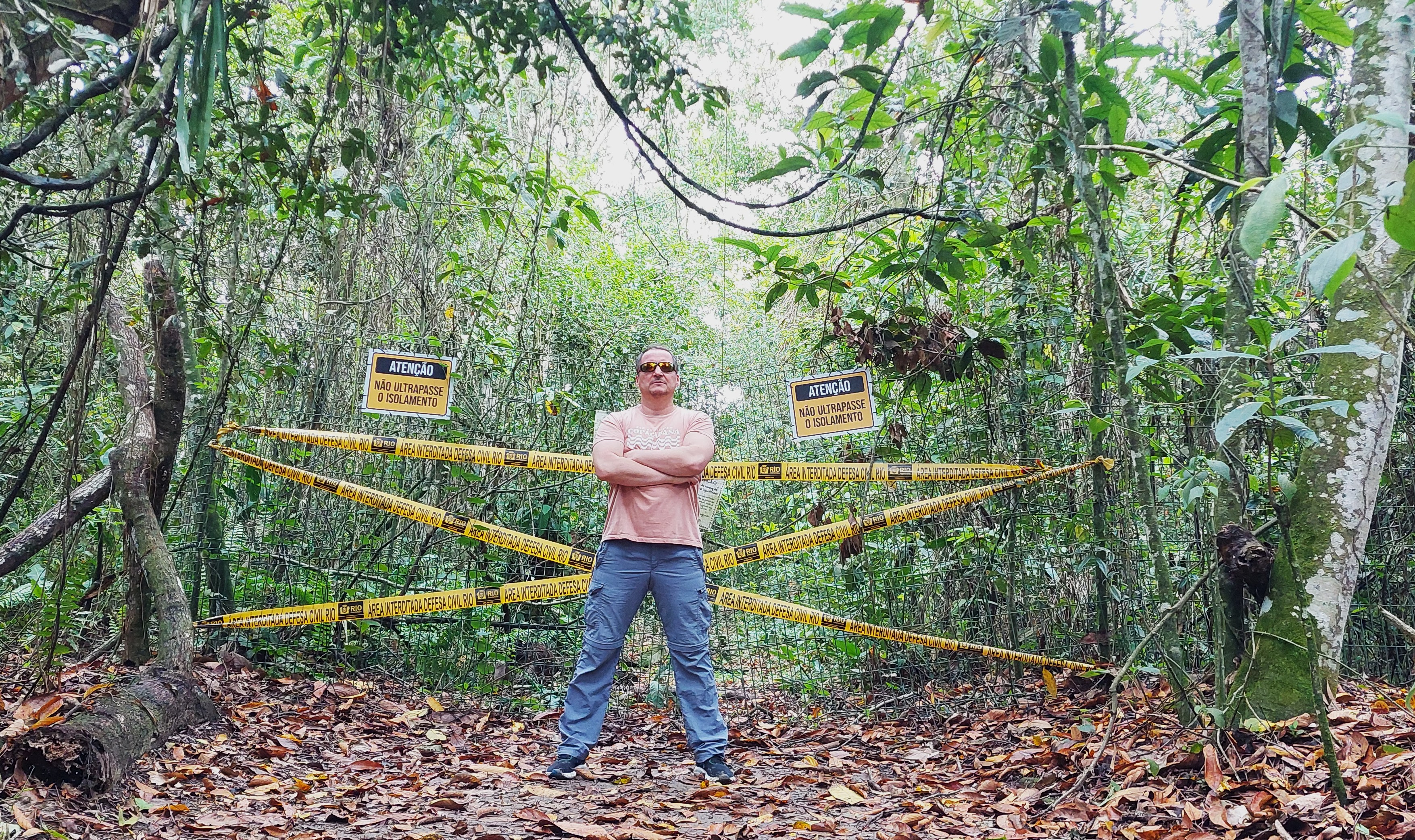

To preserve the reserve’s delicate ecosystem, please do not wander off the designated paths or disturb the animals. Keep a safe distance from wildlife, and refrain from feeding or touching them. Be mindful of your surroundings and watch your step to avoid accidents. By being respectful and cautious, we can help protect this incredible natural resource for future generations.
Address: Avenida Alfredo Baltazar da Silveira, 3600-4252, Recreio dos Bandeirantes.
Hours: Tuesday to Sunday, 8am to 5pm.
Free admission.
 Frog on the border