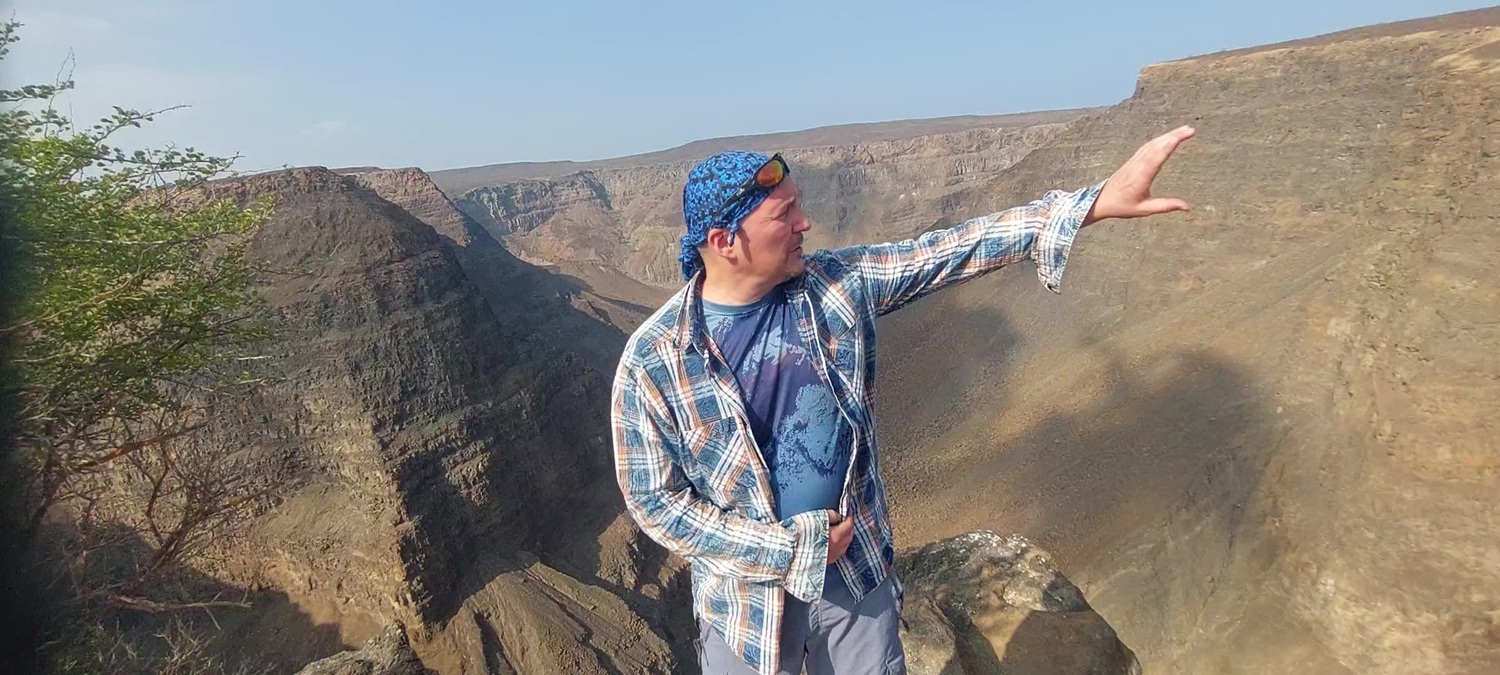
The boundary between Djibouti and Somaliland isn’t just a line on a map; it’s a transition into a world where roads are a luxury and the stars are your only guide. In an act of “boundary-hopping” that felt equal parts brave and mad, I bypassed the airports and hired a seat in a rugged 4×4 Jeep. Packed with six locals, we plunged into the darkness. There are no highways here—only tracks in the sand and the collective will of the passengers to reach the other side.
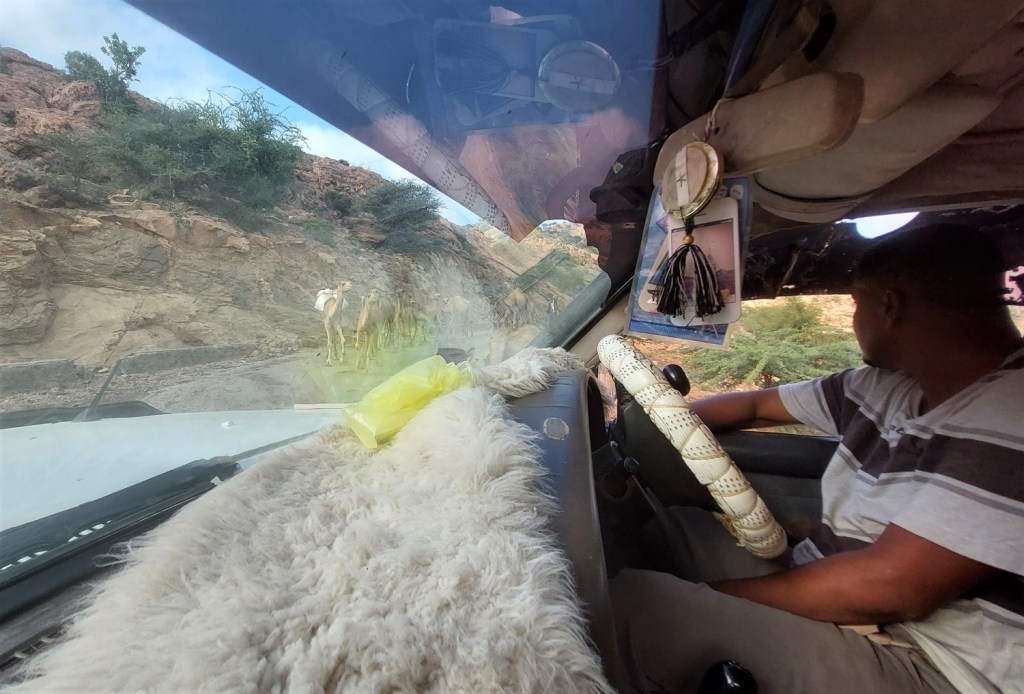
Around 3:00 AM, the engine finally cut out. We had stopped at a nameless concrete shed in the middle of the desert. There were no beds, no amenities—just the cold concrete floor. We laid down where we stood, catching a few hours of restless sleep before the dust of the trail called us back. This is the raw reality of independent travel: when you strip away the comfort of the “tourist” experience, you find the true grit of the land. By sunrise, we were moving again, eventually reaching the vibrant, chaotic pulse of Hargeisa, the capital of a nation the world technically doesn’t recognize.
From Hargeisa, I pushed further, drawn to the coast and the legendary port town of Berbera. Once a major Ottoman and British port, Berbera now feels like a beautiful, sun-bleached ghost. The architecture is a crumbling, defiant mix of Arab, Ottoman, and colonial styles, standing against the turquoise heat of the Gulf of Aden. To walk its streets is to navigate a tangible border between former empires and a gritty, unrecognized present. The layered ruins, with their Turkish arched windows and stoic British lines, are constant reminders that power is transient, but the people who live in their shadows endure.
Amidst the decay, life pulses. I stepped inside a local mosque, leaving the blinding heat and dust at the threshold. The interior offered a cool, spiritual sanctuary, a profound sense of “borderless-ness.” Here, the hierarchy of the outside world—and the politics of Somaliland’s lack of recognition—completely disappeared in the shared silence of prayer.
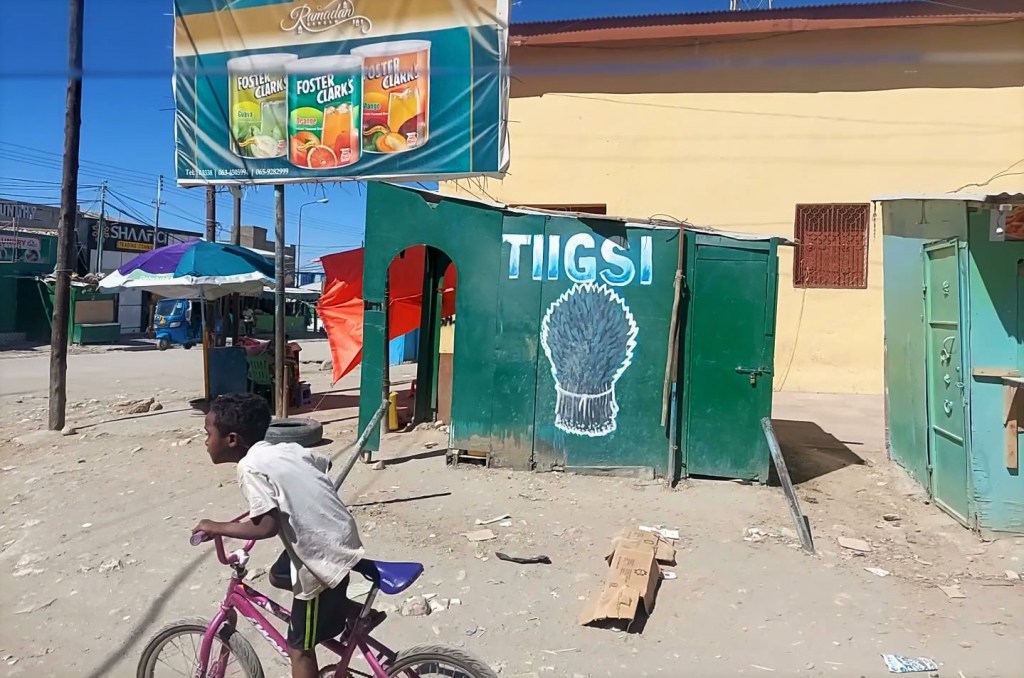
The true heartbeat of Berbera, however, wasn’t in its grand, crumbling facades or its quiet places of worship; it was in its bustling coffee shops. These establishments are the true “think tanks” of the town, vibrant hubs where conversations simmer over cups of sweet tea and the bitter scent of Khat. With my guide by my side, translating every nuance, I spent hours soaking in the local wisdom.
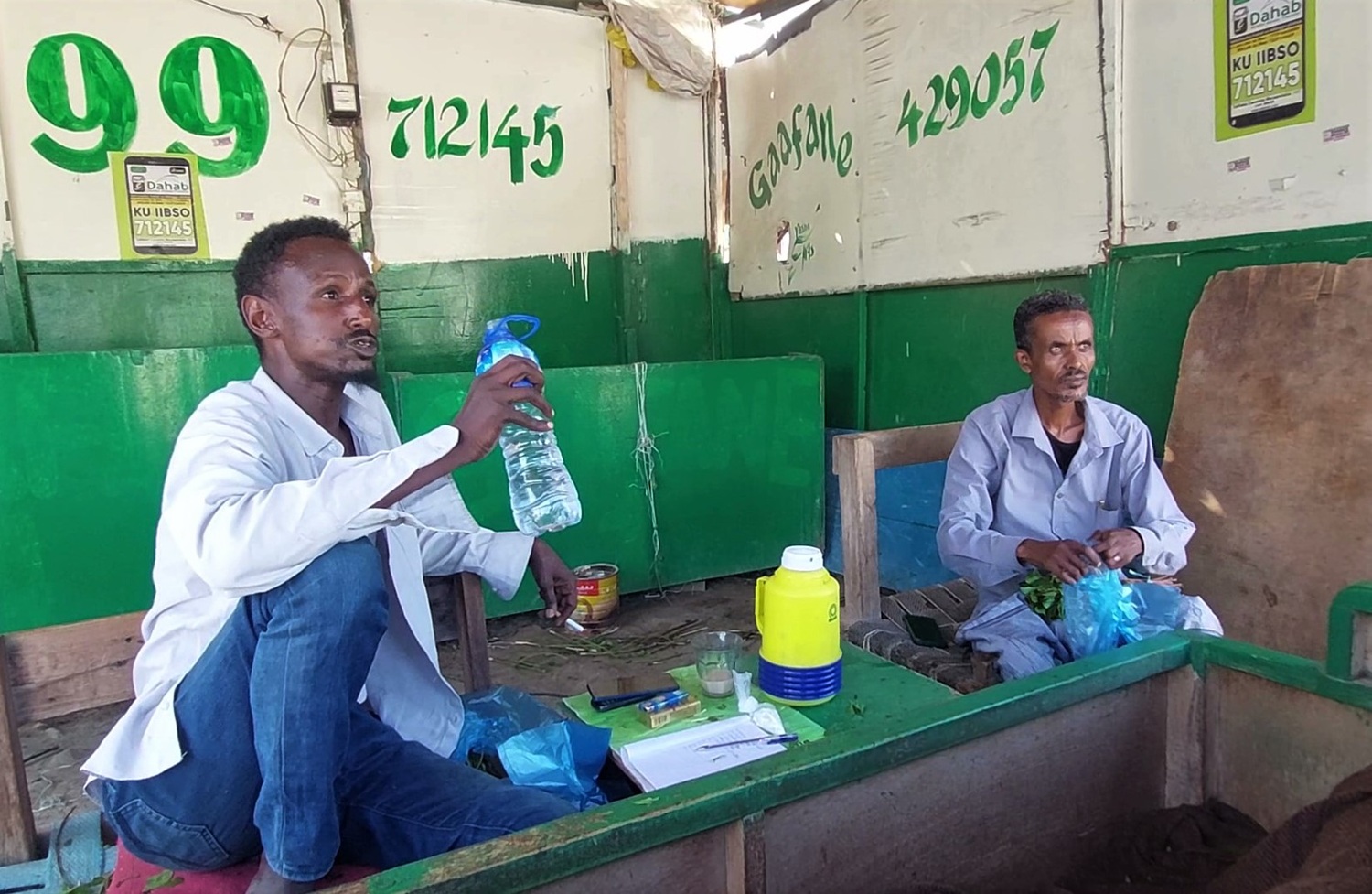
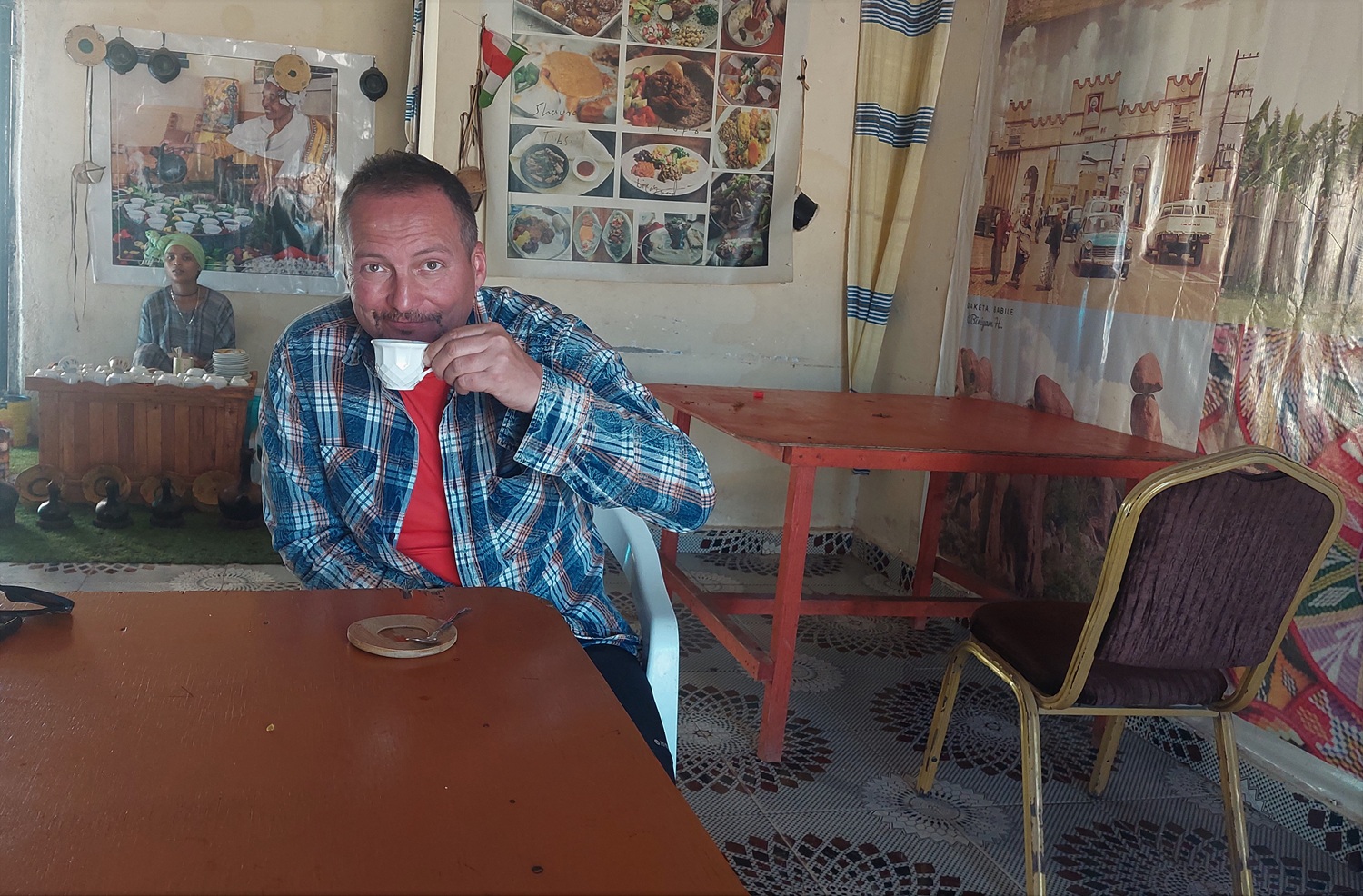
This is where the Frog on the Border motto—Crossing mental and cultural boundaries—truly came to life. We began, as expected, discussing local marriage traditions, the ubiquitous use of Khat, and the everyday challenges of life in Somaliland. But as we sat in the dust of a town most Westerners couldn’t find on a map, the conversation took a staggering turn.
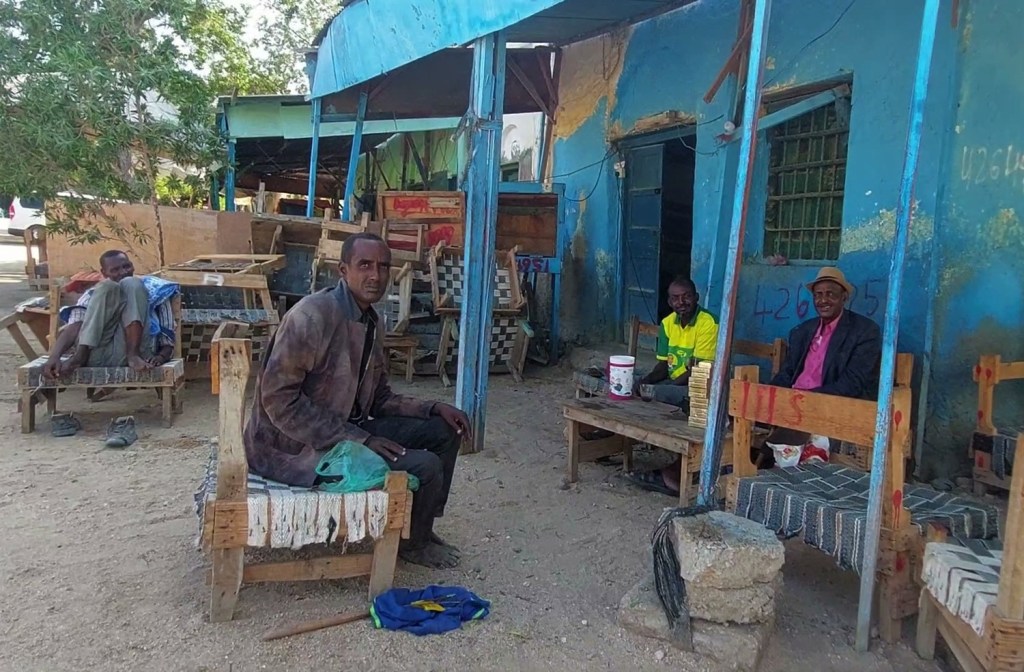
To my absolute surprise, these “scruffy” villagers and fishermen were tracking global events with surgical precision. We discussed the Russian invasion of Ukraine in detail. They knew about the grain shipments being blocked, the strategic importance of the Black Sea, and they even brought up the specific incident in Poland, where a missile had tragically crossed a border and killed two people. My initial assumptions were humbled; here I was, subconsciously expecting limited awareness, only to find myself in a spontaneous seminar on Eastern European geopolitics.
It was a profound lesson in open-mindedness. I had crossed a physical border from Djibouti, traversing hundreds of kilometers of roadless desert, thinking I was entering a disconnected world. Instead, I found that the true “border” was in my own head, an invisible fence built of my own subconscious biases. These men, living in a country unrecognized by the UN, were more globally literate than many people I’ve met in major Western hubs.
It was a profound lesson in open-mindedness. I had crossed a physical border from Djibouti, traversing hundreds of kilometers of roadless desert, thinking I was entering a disconnected world. Instead, I found that the true “border” was in my own head, an invisible fence built of my own subconscious biases. These men, living in a country unrecognized by the UN, were more globally literate than many people I’ve met in major Western hubs.
Berbera taught me that open-mindedness isn’t just about being “nice”; it’s about being prepared to be outsmarted by the people you thought were “isolated.” In a shed in the middle of nowhere, or a fish shack by the sea, the world is much smaller and far more interconnected than we think. Information flows where the road does not. Travel, when done right, is a constant process of “un-learning.” You learn that a concrete floor can be a bed, a dusty Jeep can be a classroom, and a fisherman in Somaliland might offer the most insightful take on Eastern European politics. In the end, the “Frog” doesn’t just hop over a fence; he realizes the fence was never truly there to begin with.
To look at Berbera’s skyline is to see the physical debris of three different centuries. The architecture here is truly impressive, not because of its pristine condition, but because of its defiant survival. These aren’t just ruins; they are a map of who once wanted to control the gateway to the Red Sea.
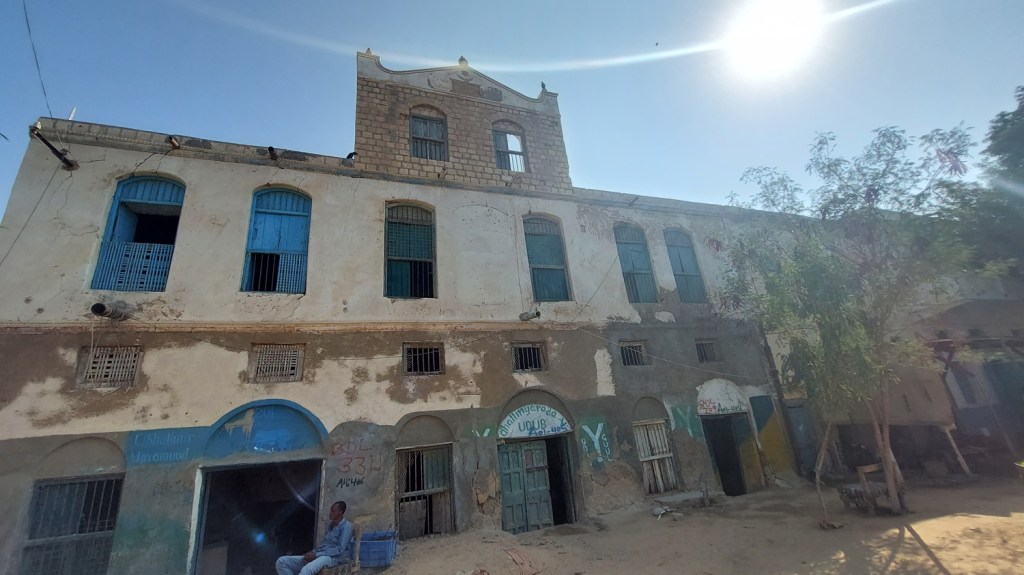
The Ottoman Elegance (16th – 19th Century) The oldest layers were laid down by the Ottoman Turks. They recognized Berbera as a vital link between the Hijaz and the Horn. In your photos, you’ll see the “Ottoman Quarter” (Darasalam), characterized by high ceilings and those distinct, coral-stone arched windows. The Ottomans used a mix of local limestone and coral from the Gulf of Aden, creating structures that could breathe in the suffocating heat. These buildings were designed for merchants and governors, featuring internal courtyards that still feel like cool pockets of air in the middle of a desert furnace.
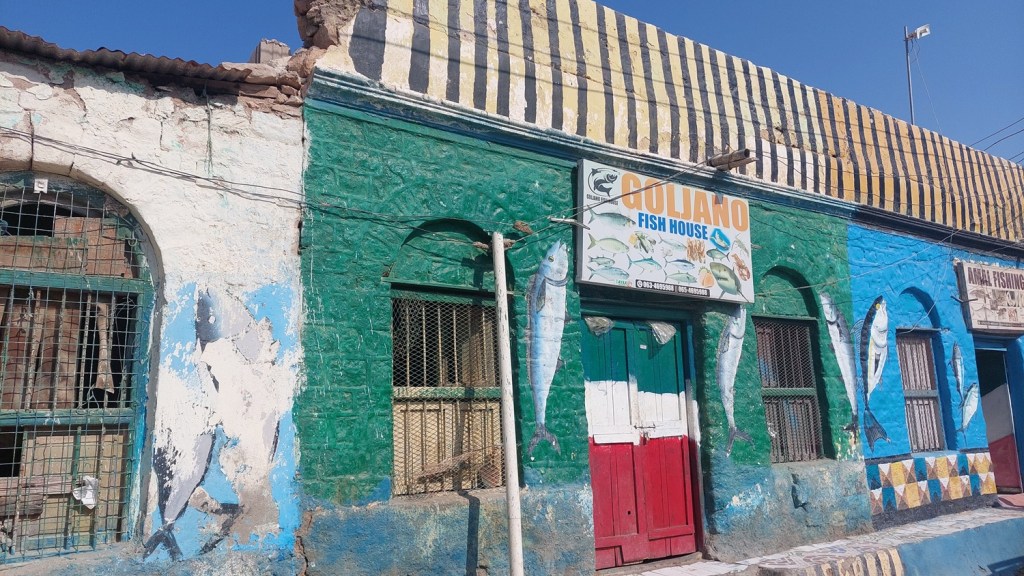
The British Order (1884 – 1960) When the British Empire took over to secure the “mutton trade” for their garrison in Aden, they brought a different aesthetic. They built the more rigid, functional administrative buildings, the customs house, and the hospital. Their architecture was more utilitarian—wide verandas to catch the sea breeze and thick, whitewashed walls to repel the sun. Walking past these facades, you can still feel the “ghost of the Raj,” a colonial blueprint that feels strangely out of place yet perfectly adapted to the Somali coast.
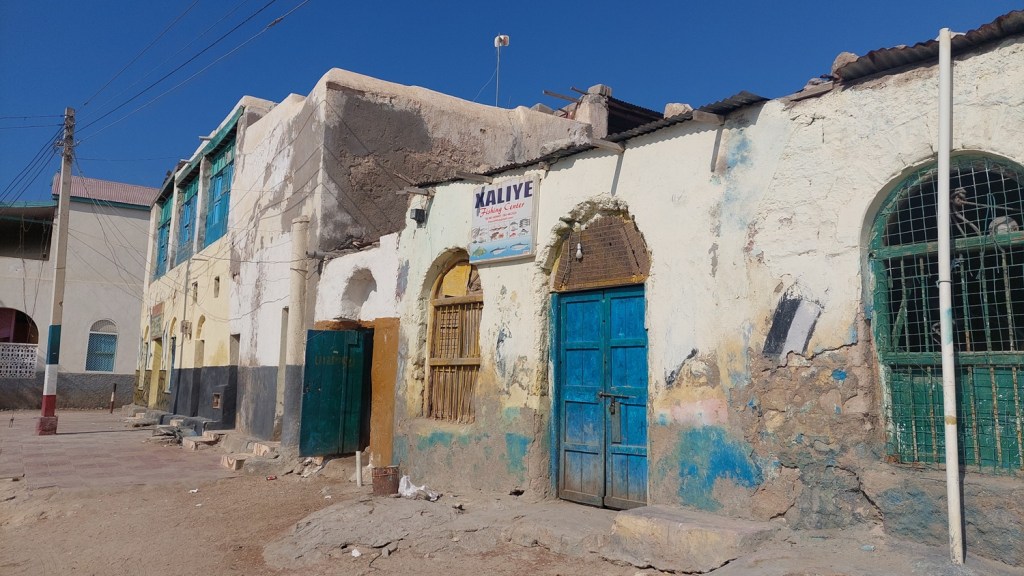
The Arab & Indian Influence Running through both eras is the influence of Indian and Arab traders who settled here. They added the intricate woodwork, the heavy carved doors, and the delicate balconies that give the town its unique “Hormuz-meets-London” vibe.
These buildings are the ultimate mental crossing. They were built by people who saw Berbera as the center of the world—a hub connecting Istanbul, London, and Mumbai. Today, as the plaster peels and the coral stones crumble, they serve as a humbling reminder: we build borders and empires in stone, but eventually, the wind and the locals take them back. Seeing a local family living inside a former colonial headquarters or a fisherman mending nets in the shadow of an Ottoman arch is a masterclass in human resilience.
 Frog on the border