The ultimate revelation of the West Sea Barrage lies in the jarring transition one experiences when moving beyond its concrete grandeur into the surrounding hinterlands. As the asphalt of the prestige project thins out, the landscape shifts into the reality of the provincial farm cooperatives—the “Grey Zones” where the engineering triumph of the state meets the raw struggle of the soil. Here, the complexity of the North Korean system is at its most transparent. You see the fresh water provided by the Nampo Dam flowing into fields where the technology is not 21st-century, but mid-20th. In these areas, the presence of the security apparatus and state police becomes the dominant architectural feature. They are the human “sluice gates,” controlling the movement of people and resources with the same rigidity that the barrage controls the tide.
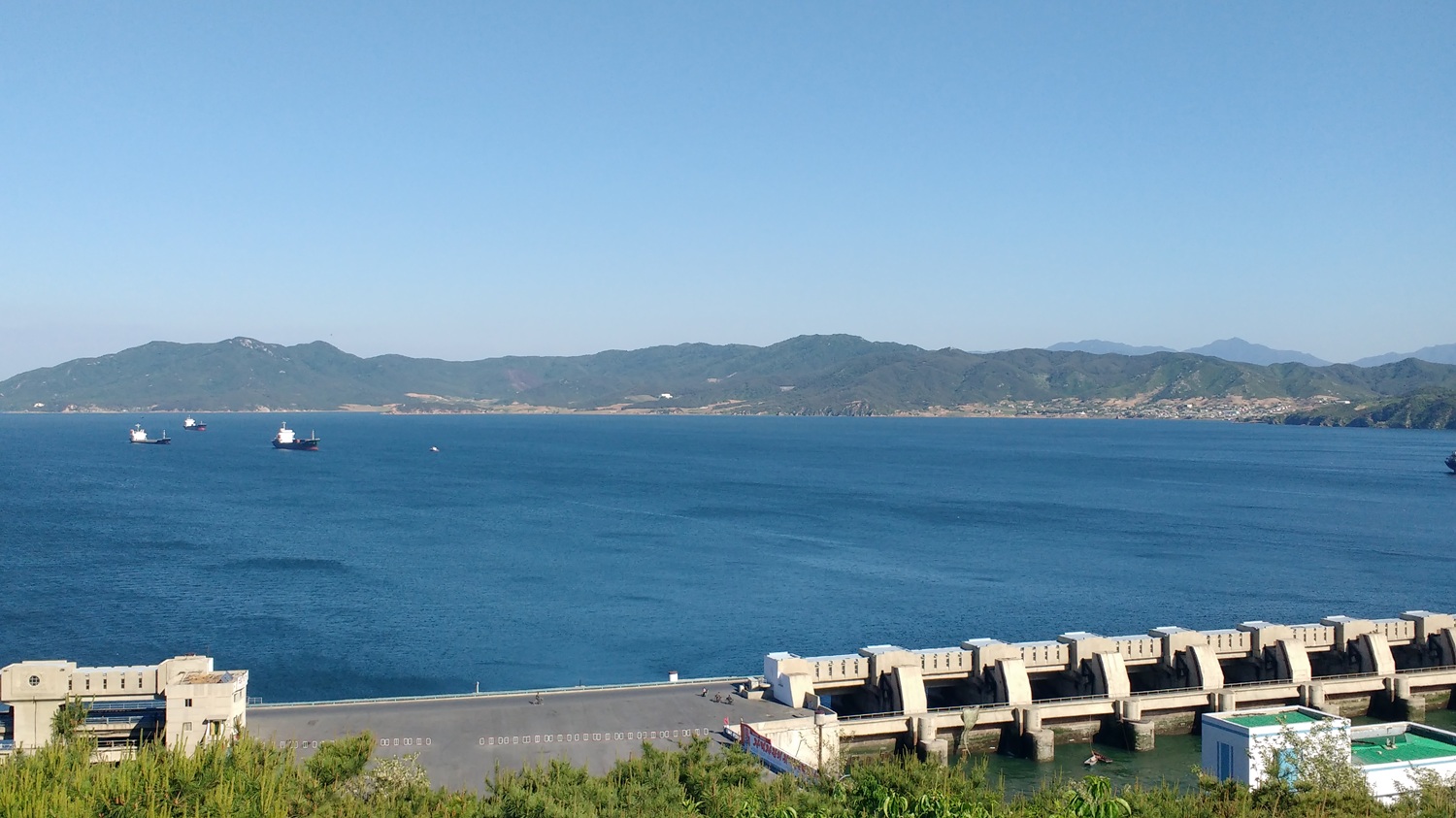
This proximity of mega-engineering to systemic poverty creates a profound cognitive dissonance for the traveler. One realizes that the state police are not merely there for surveillance, but to act as a barrier between two incompatible North Koreas: the one that builds monuments to show the world, and the one that quietly toils in the mud to sustain the dream. To witness both is to understand that the “System” is a total ecosystem of pressure. The same mobilization that built the 8km dam is used to manage the lives of the farmers in the security-controlled cooperatives.
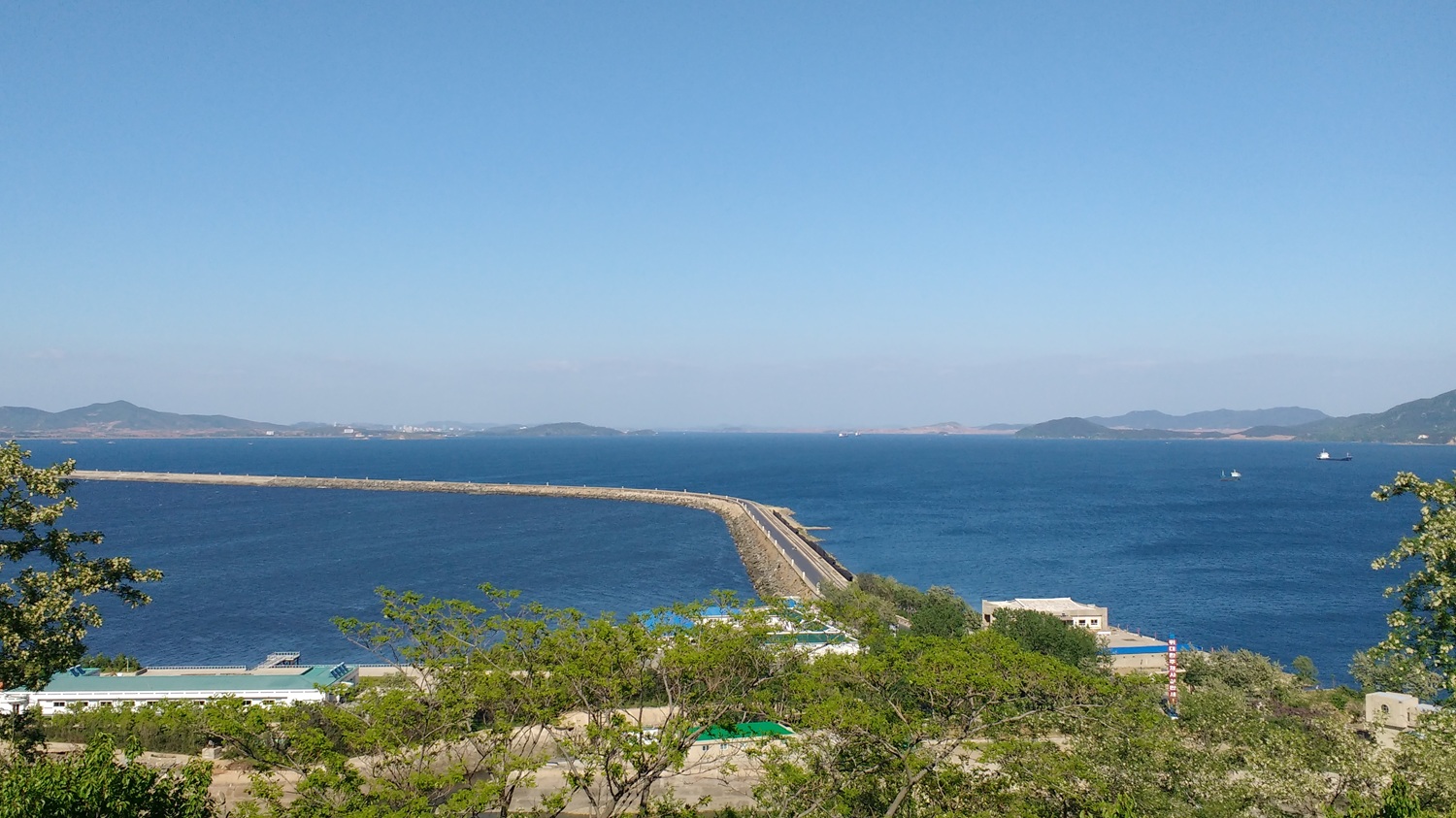
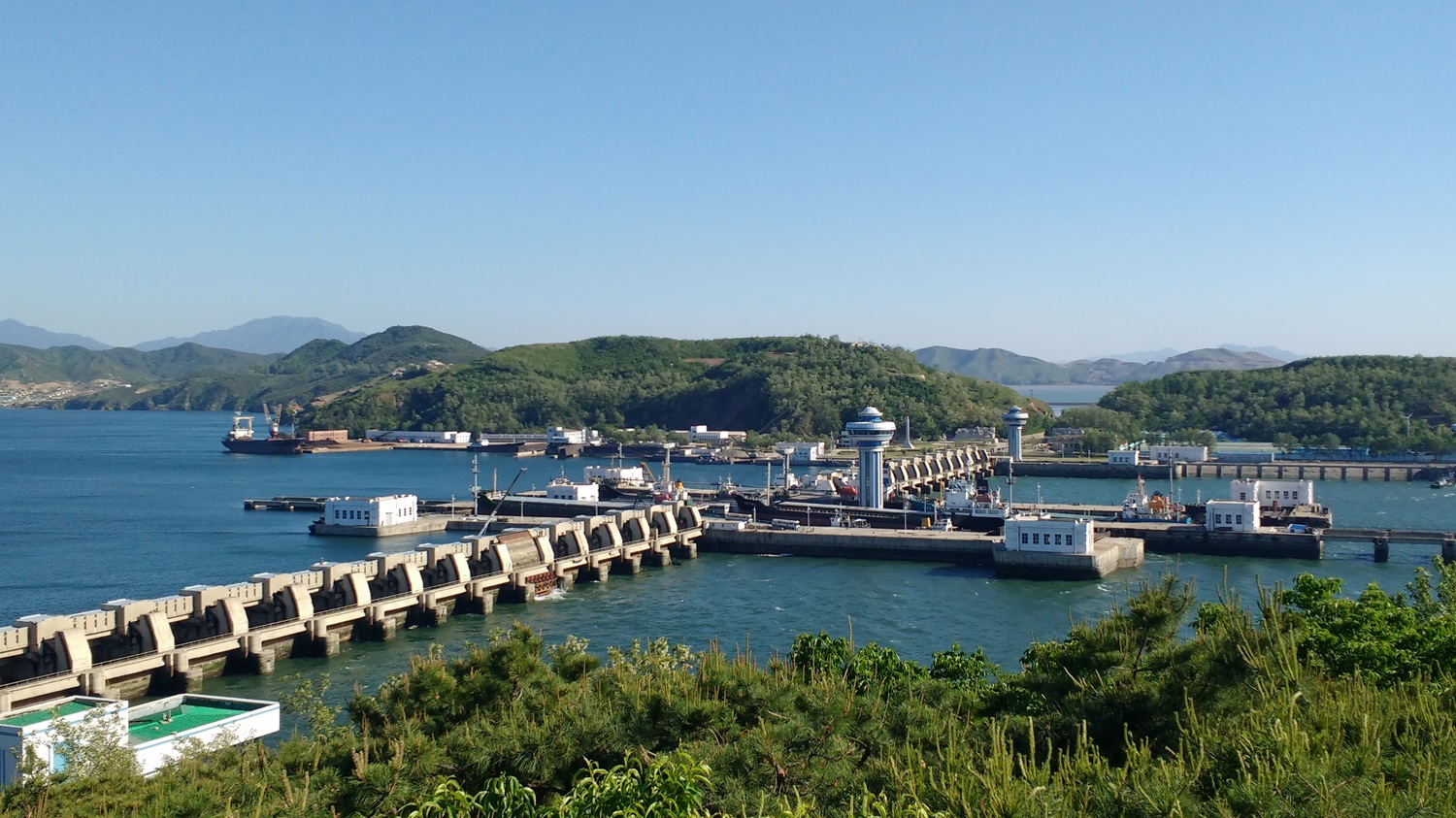
Ultimately, my journey through the DPRK revealed that the West Sea Barrage is both a shield and a shroud. It protects the land from the salt, but it also masks the hardship of the interior. To look at the country through a neutral lens is to acknowledge the brilliance of the engineers while refusing to look away from the eyes of the people in those security-controlled farms. It is a place where the human spirit is forced into a narrow channel, much like the water in the Nampo locks—compressed, controlled, but possessing a hidden, quiet power that the state can direct, but never truly own.
The geopolitical significance of this site reached its zenith in June 1994, during the high-stakes visit of former U.S. President Jimmy Carter. History often records the diplomatic cables and the nuclear freeze that followed, but the private interactions on Kim Il-sung’s yacht as it approached the Nampo locks reveal a more nuanced narrative. It is said that the Great Leader, then eighty-two years old and just weeks away from his death, personally guided Carter through the technical specifics of the dam. Kim Il-sung did not speak like a typical dictator during these hours; he spoke like a lead foreman. He exhibited an obsessive level of detail regarding the barrage’s salinity sensors and the pressure tolerances of the lock gates, using the infrastructure as a proxy for his own vitality. For the North Korean leader, the dam was the ultimate evidence he presented to the Americans that his system was not only surviving but was capable of monumental permanence.
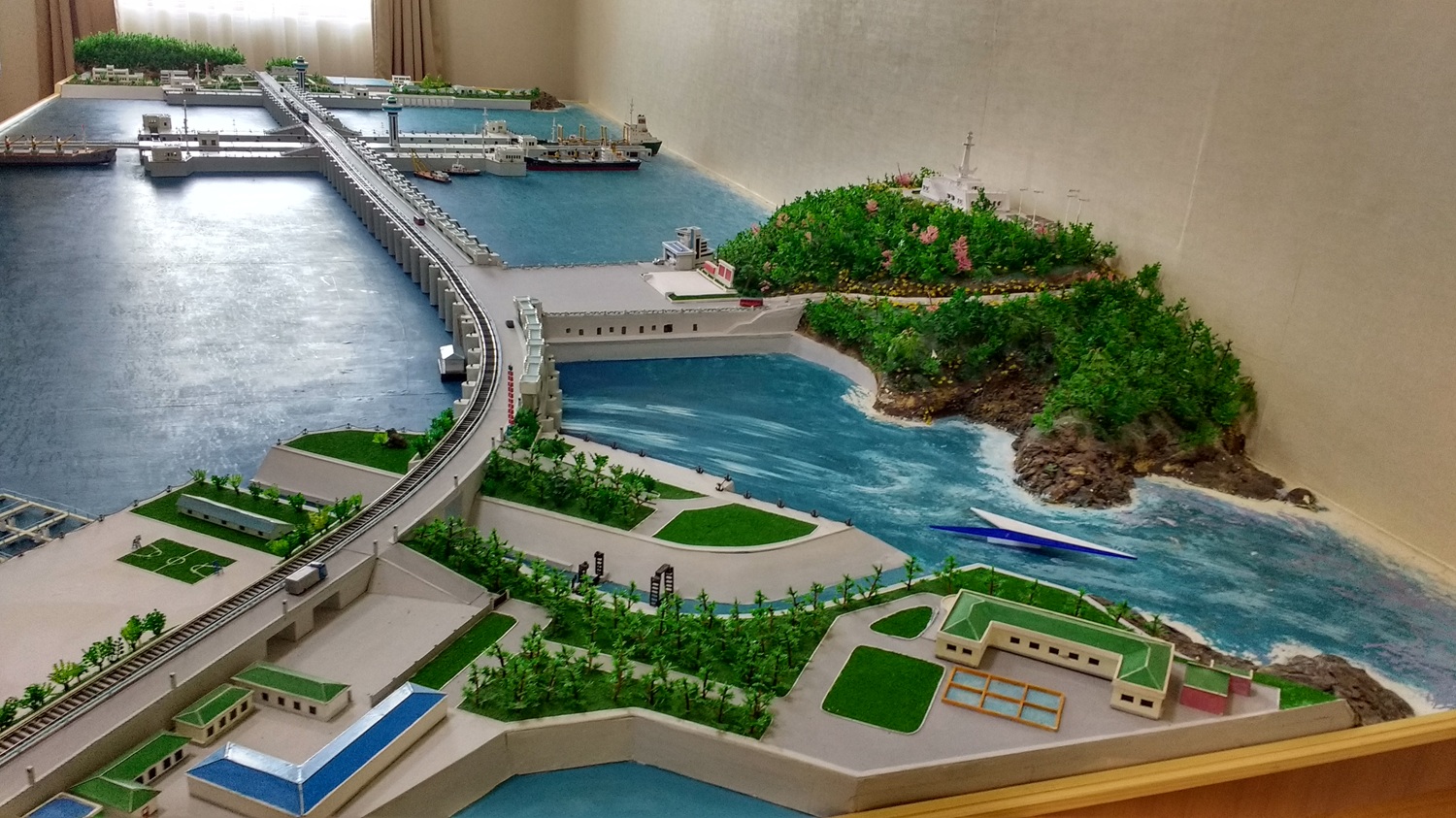
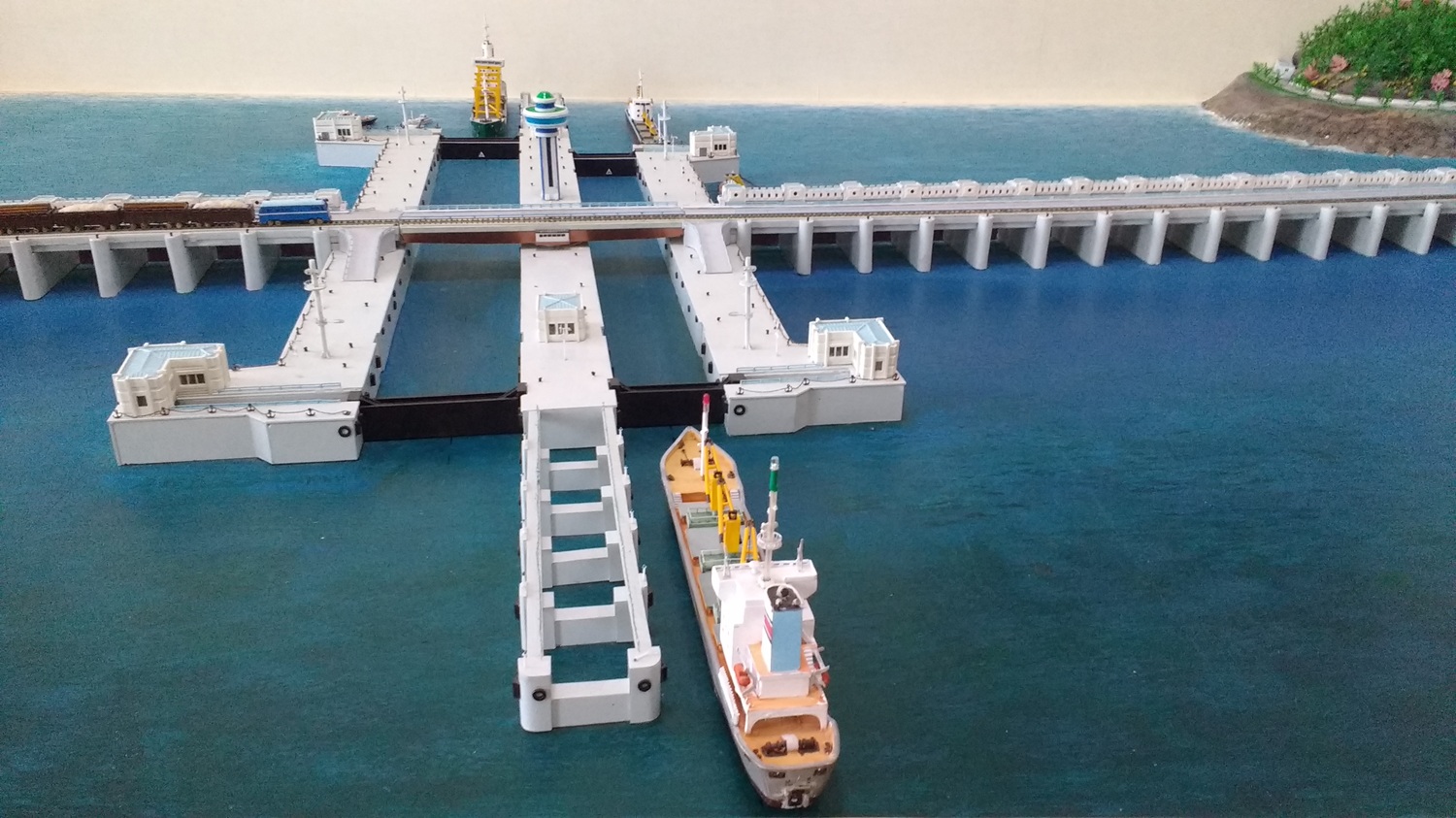
The West Sea Barrage is a masterpiece of scale, but its true narrative is found in the shadows of its spillways. As I transitioned from the monumental 8km span of the Nampo Dam into the security-restricted farm cooperatives of the surrounding South Pyongan province, the “Intelligence” of the North Korean system shifted from engineering to biology. Furthermore, the barrage serves a hidden social function for the North Korean people. For the citizens of Pyongyang, a trip to the Nampo Dam is one of the few permitted “aspirational” excursions. It is their version of a coastal retreat, yet even their leisure is framed by the industrial sublime. They do not visit the coast to relax in the traditional sense; they visit to witness the victory of the state over the Yellow Sea. This creates a unique national psyche where beauty is inextricably linked to utility and strength. To the neutral observer, the complexity of the DPRK is found here—in the quiet, focused pride of a technician oiling a 50,000-ton lock gate, and in the realization that for the people on that border, the dam is not a symbol of propaganda, but a literal lifeline that holds back the salt and ensures the harvest.
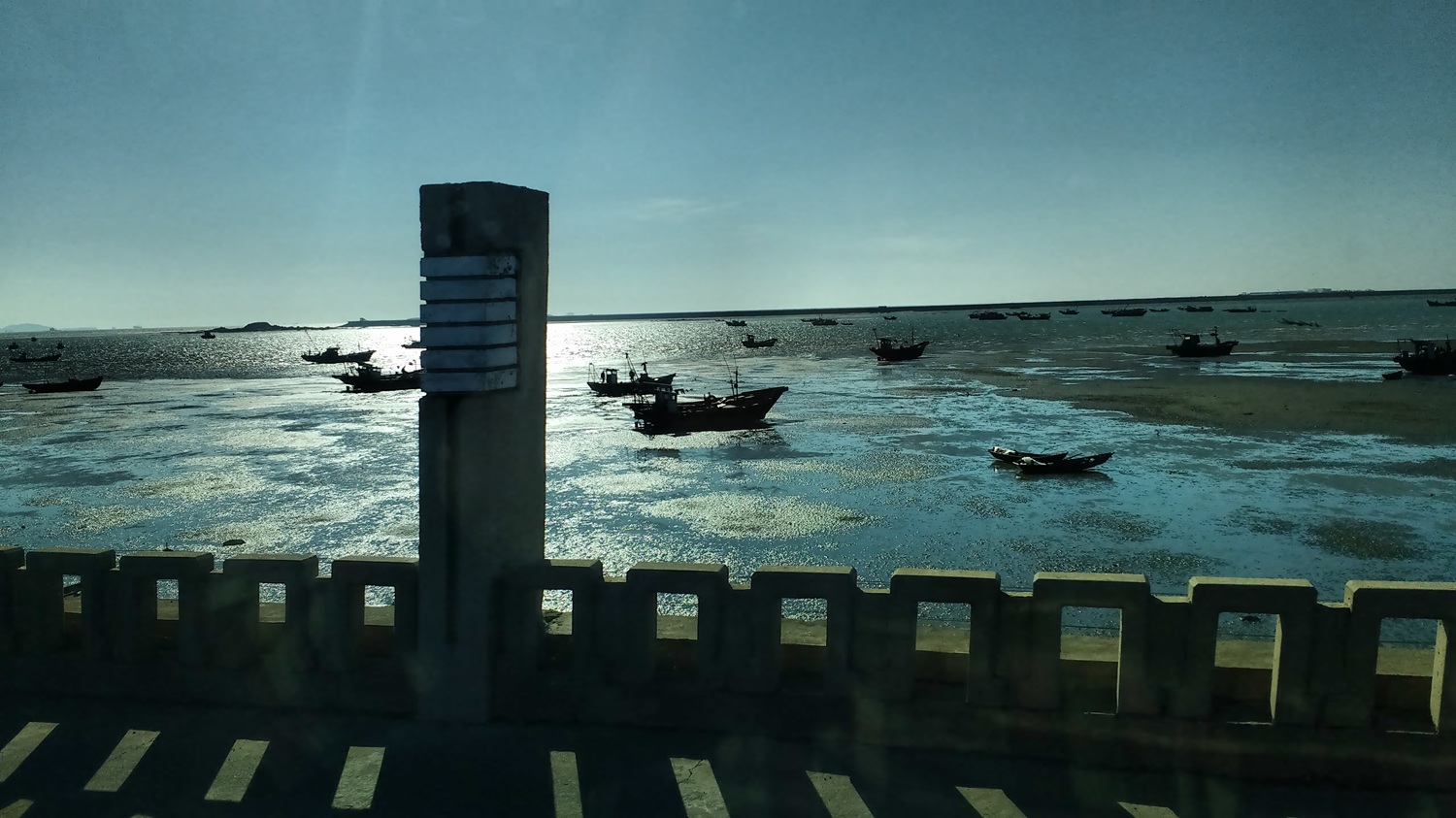
One cannot understand the Nampo project without witnessing the KPA military units and young cadets embedded in the mud of the nearby fields. In the West, we view a “Soldier” as a figure of combat readiness; in the DPRK, the soldier is a multipurpose tool of state survival. I witnessed young cadets—some looking no older than sixteen or seventeen—swapping rifles for hoes and shovels. These units are deployed not as a tactical force, but as a “Mass Labor” engine. They work in a state of quiet, disciplined exhaustion, their thin frames a testament to the fact that the state’s calories are prioritized for the concrete of the dam rather than the muscles of the men.
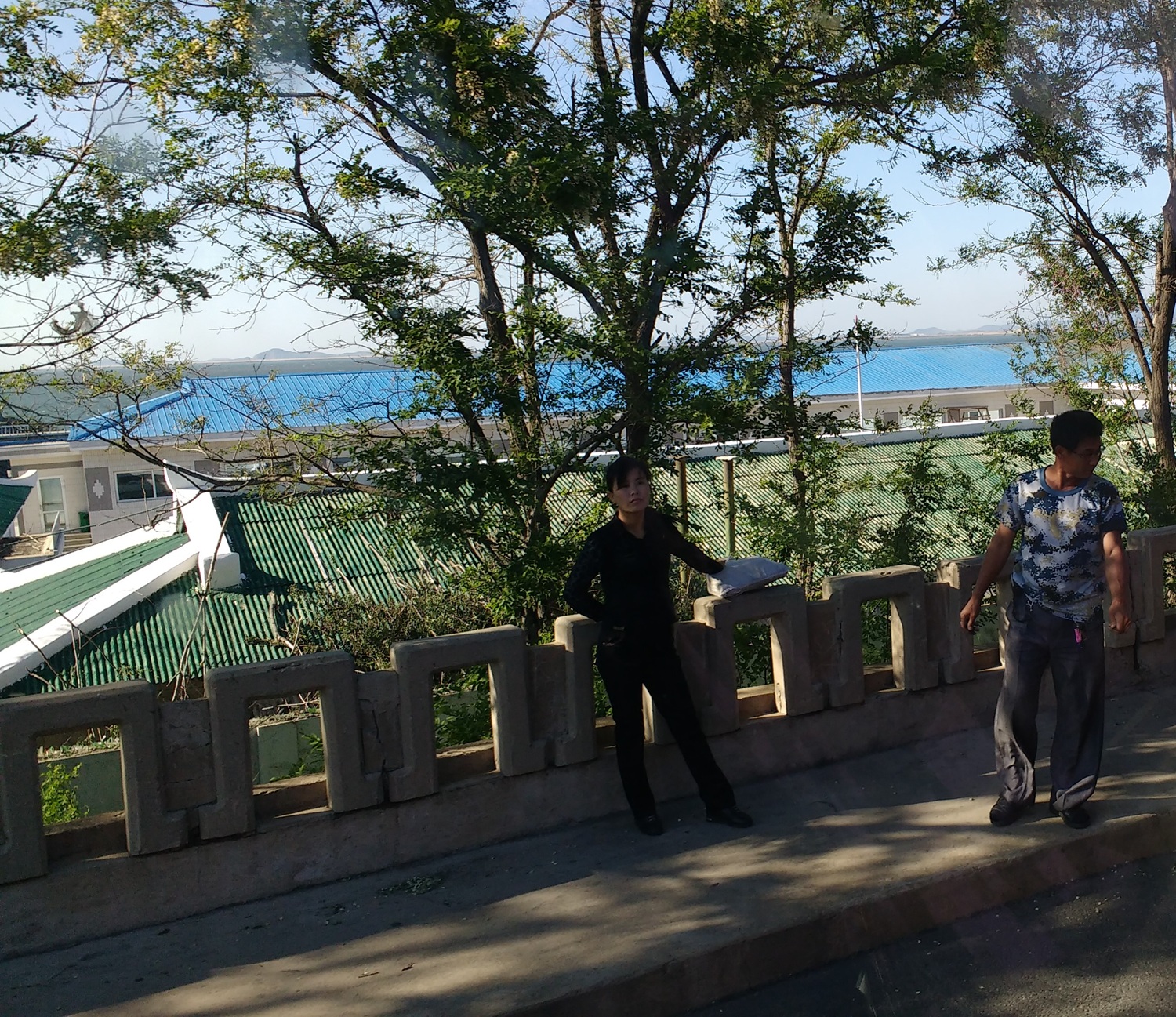
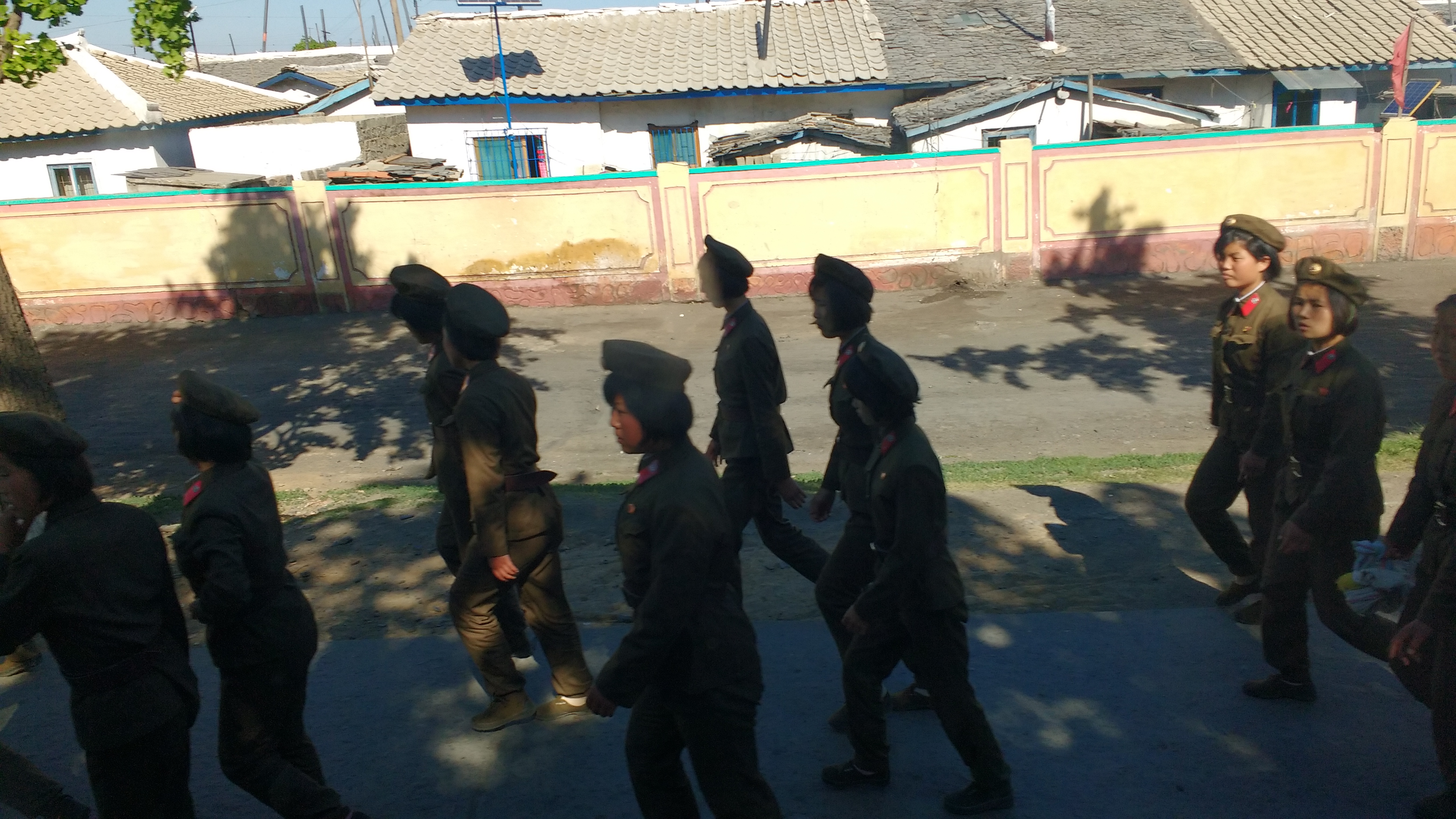
To understand the West Sea Barrage is to understand the North Korean “System” as a masterpiece of friction. It is a place where engineering, political survival, and human resilience converge into a single line of stone across the water. It challenges the visitor to look past the political headlines and recognize the staggering capability of a people who have learned to build a world with their own hands, standing defiantly between the river and the sea.
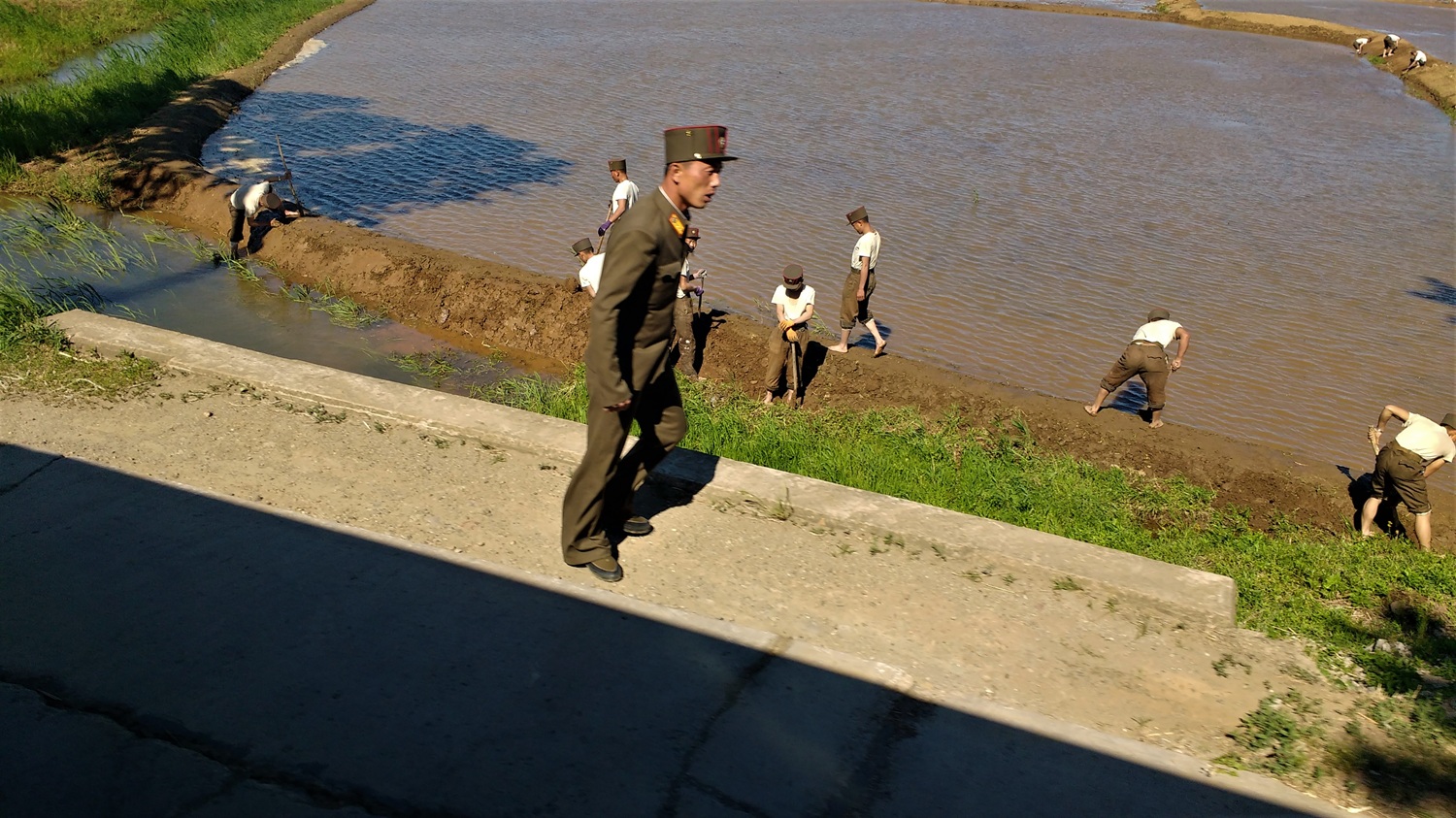
To look at North Korea neutrally is to acknowledge that they have achieved the “impossible” at Nampo, but they have done so by turning their entire youth population into a living battery for the state. The “Intelligence” I take away from that border is this: the strength of a system isn’t just measured by the height of its dams, but by the weight it places on the backs of its youngest soldiers. The Nampo Dam holds back the sea, but the security police in those fields hold back the people. Both are essential parts of the same machine.
 Frog on the border