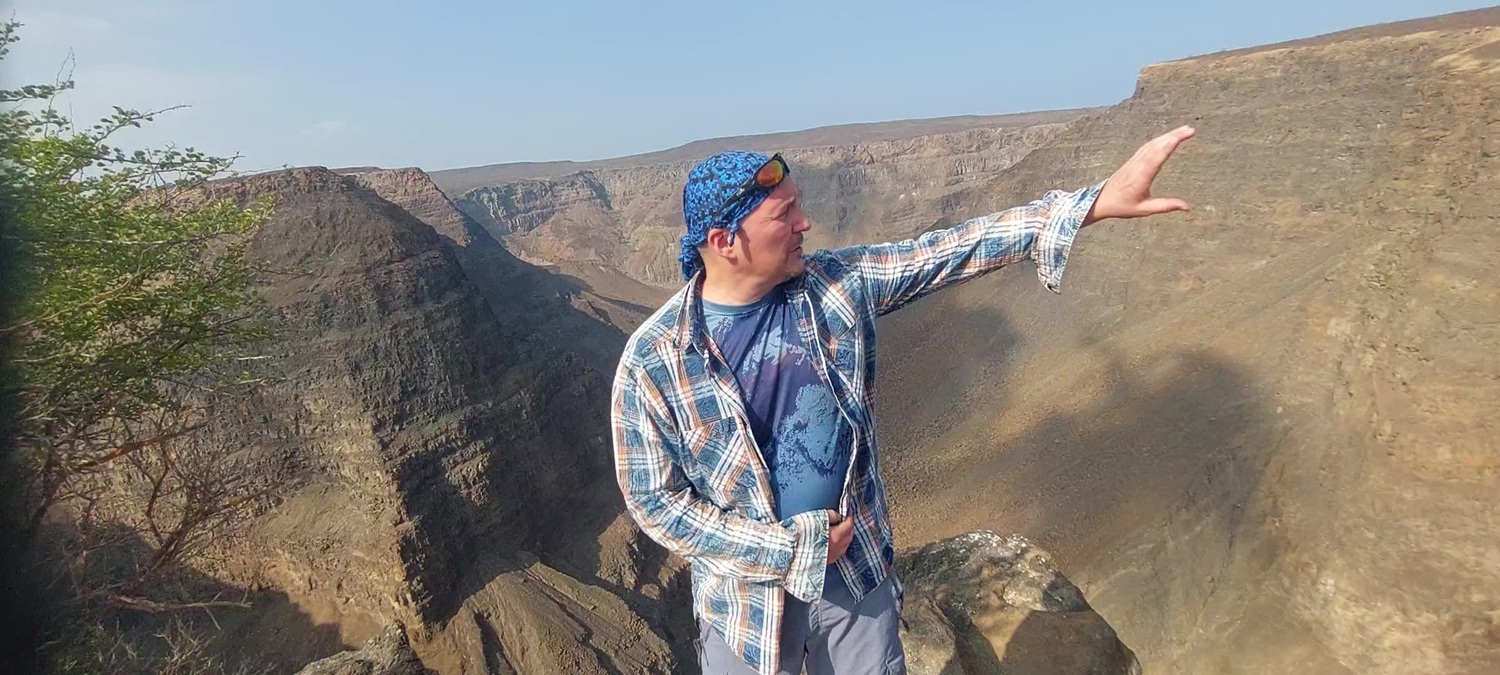
People I have had the privilege and pleasure of meeting during my journeys.
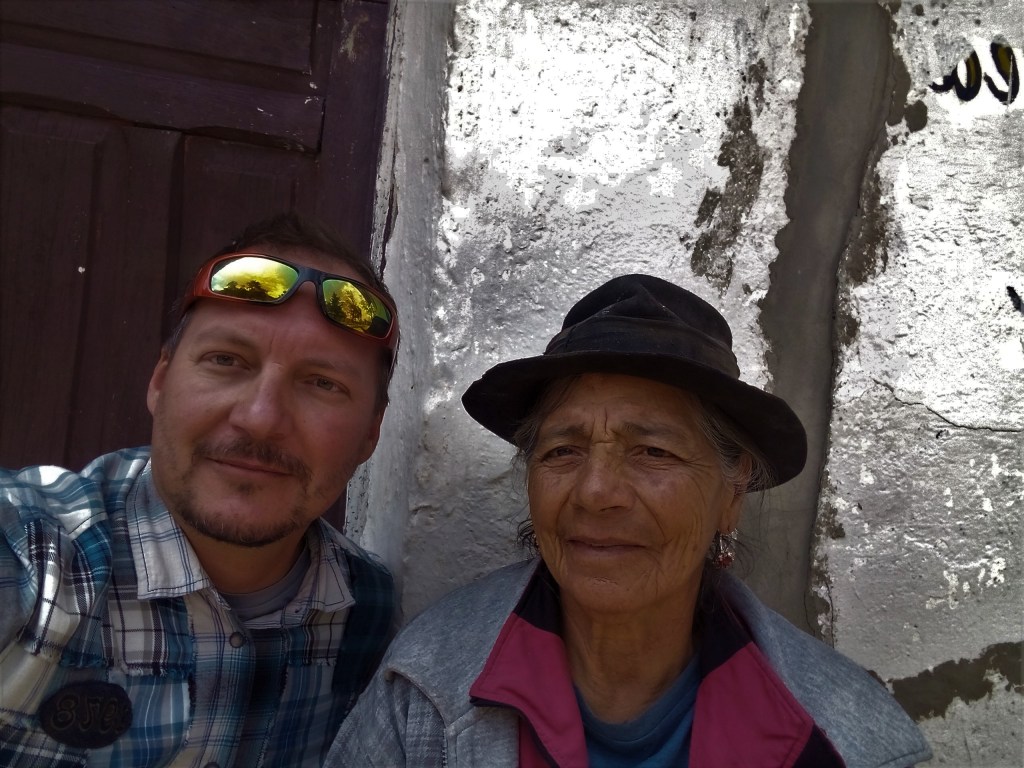
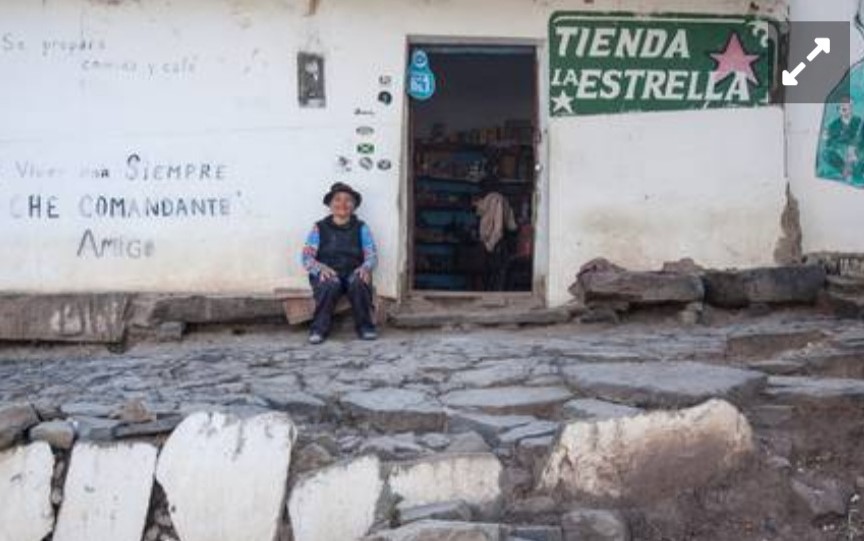
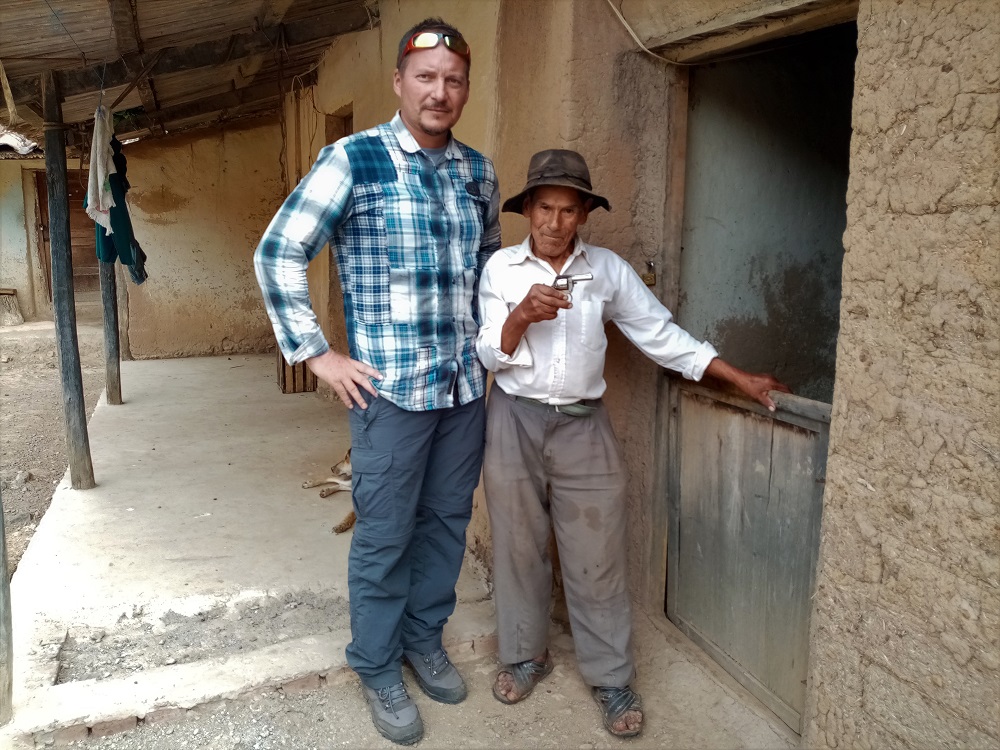
Julia Cortez a Bolivian former teacher who owns a small grocery store and restaurant, La Estrella (The Star), in La Higuera, a village in the Bolivian Andes. She’s famously known for being the last local woman to see Che Guevara alive, having prepared his last meal – a bowl of peanut soup – before his execution on October 9, 1967.
After Guevara’s capture, he was taken to the schoolhouse in La Higuera, where Julia worked as a teacher. She was allowed to enter the schoolhouse to feed him, and their brief interaction has become a significant part of history. Julia reportedly scolded Guevara for missing an accent mark on the chalkboard, saying, “Missing the accent!”.

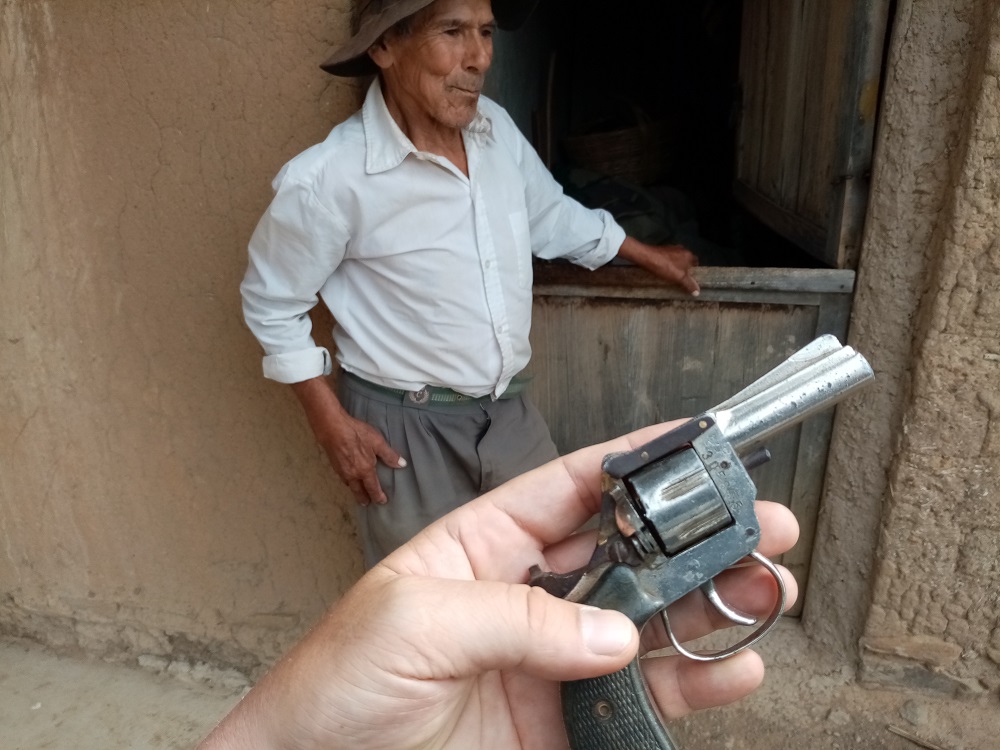
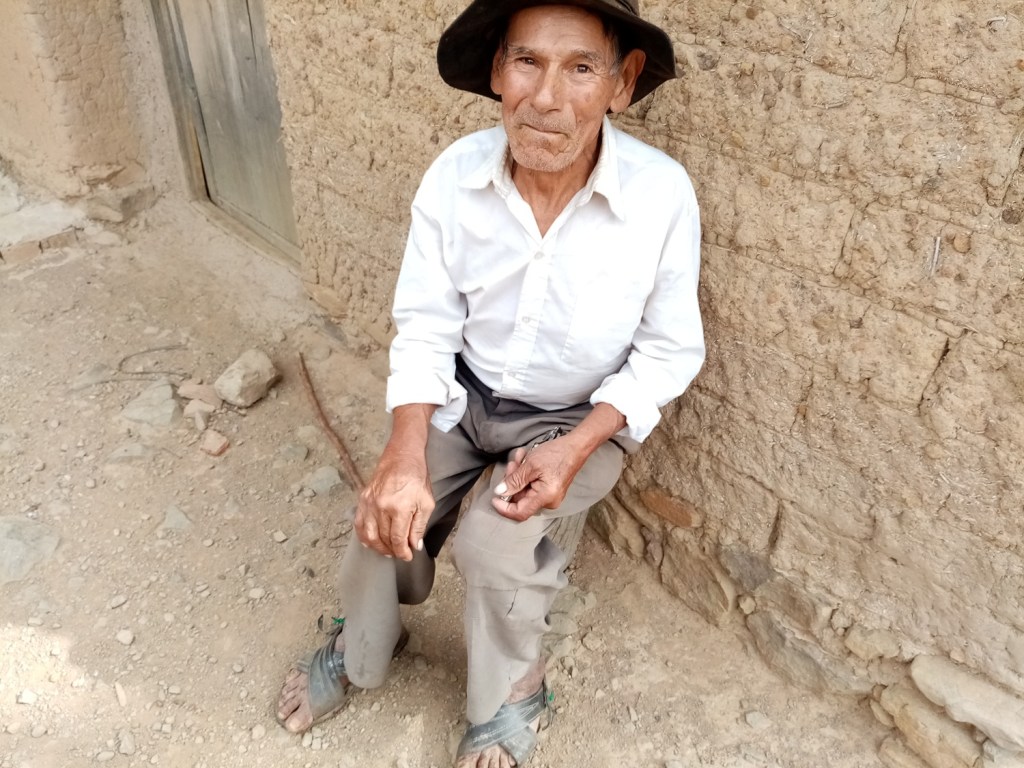
Francesco – Francesco is a local resident and a witness who saw the aftermath of the capture and the military operations in the area of El Churo, a small canyon and gorge located in the Ñancahuazú region of Bolivia, near the village of La Higuera. El Churo Canyon is where Che Guevara was captured by the Bolivian army on October 8, 1967. Here is the interview with Francesco.
Desert Encounter: Unveiling the Afar Nomads’ Timeless Way of Life
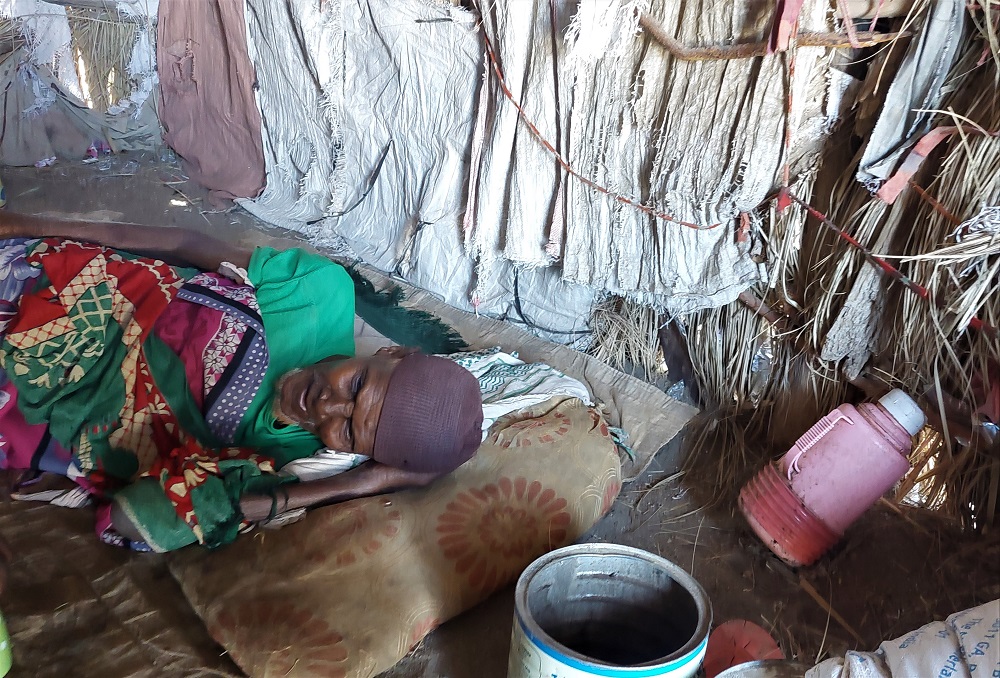
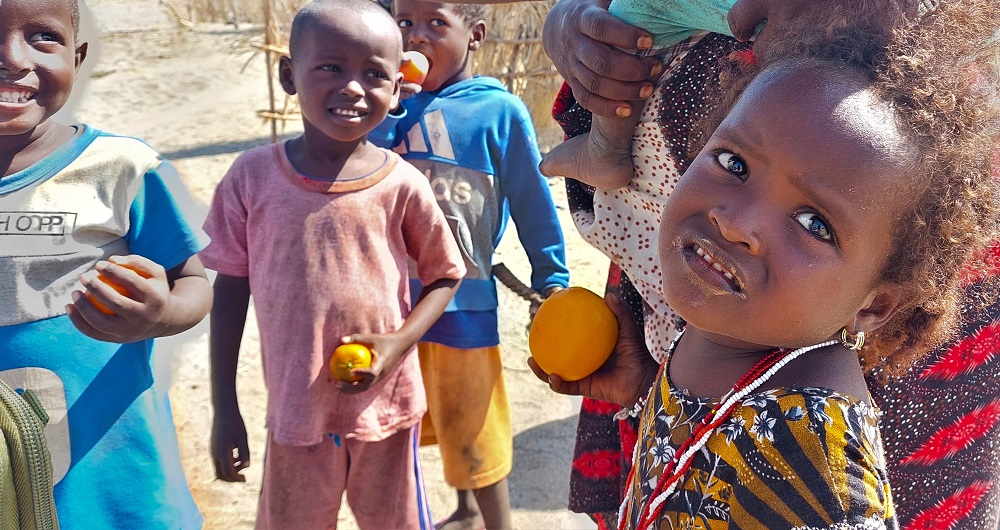
As I ventured into the unforgiving desert landscape of Djibouti, the blistering sun and endless dunes stretched out before me like an alien world. My guide, Abdoul, navigated the rugged terrain with ease, leading me to a secluded cluster of Afar huts. The thatched domes, crafted from bent branches and animal hides, seemed to rise organically from the sand. Upon arrival, a swarm of curious children, their dark eyes sparkling like polished onyx, encircled us. Shy smiles and giggles erupted as I handed out Milka chocolate bars, their faces lighting up like miniature suns. As I ducked into a separate hut to meet the elderly couple, I was warmly greeted by the elderly woman, who was sitting inside. She took my hand in hers and smiled, her eyes twinkling with kindness. Nearby, a frail 100-year-old man lay on a mat, his eyes opening to reveal a hint of a smile as I approached. I offered chocolate to both elderly men in the group, who nodded in appreciation.
Inside the main hut, Abdoul shared insights into the Afar’s remarkable endurance, walking long distances with ease, and their expertise in salt mining and trade. The young women, adorned in vibrant attire, walked with poise, balancing vases on their heads like skilled acrobats.
Cultural Snapshot: The Afar people have maintained their unique traditions for centuries, expertly adapting to the harsh desert environment. Their nomadic lifestyle requires resilience, resourcefulness, and a deep connection to the land.
A Glimpse into Afar Life:
- The Afar people are skilled salt miners, harvesting salt from the Danakil Depression.
- Their traditional attire is vibrant and colorful, reflecting their rich cultural heritage.
- Afar women are known for their remarkable endurance, walking long distances with ease.
This encounter left an indelible mark on my heart, a testament to the Afar people’s timeless way of life. As I bid farewell, I felt grateful for the opportunity to experience their warmth and hospitality.

Highland Encounter: A Glimpse into Basotho Nomadic Life
As I traversed the rugged terrain of Sani Pass, Lesotho, with my friend Khabiso, the majestic mountains towered above us, their rugged beauty awe-inspiring. We climbed to the highest point, 3,240 meters above sea level, where the air was crisp and the views were breathtaking. Suddenly, we spotted a Basotho nomad man, his traditional attire a vibrant splash of color against the muted earth tones of the landscape.
Khabiso, fluent in Sesotho, approached him with ease, and they struck up a conversation. The nomad man, dressed in traditional blankets and a hat, was warm and welcoming. Khabiso invited him to join us for a photo by the Sani Pass sign, and he happily agreed. I was struck by the contrast between his simple, rustic attire and his warm, charming demeanor. As we posed for the photo, I felt a sense of camaraderie with this stranger, who had welcomed us into his world for a brief moment.
I was dressed in warm, layered clothing, including a thick blanket-type jacket, and high leather boots, which seemed fitting for the rugged terrain and chilly mountain air. As we prepared to leave, the nomad man bid us farewell, and Khabiso translated his words: he had to return to his brothers to help herd the animals. We drove away, heading towards the South African border, while he disappeared into the mountains, a part of the timeless landscape.
A Glimpse into Basotho Culture:
- The Basotho people have a rich history, with their kingdom dating back to the 19th century.
- Their traditional blankets are a symbol of their cultural identity and are often worn on special occasions.
- The Maluti Mountains, where the Basotho nomads roam, are a UNESCO World Heritage Site, recognized for their natural beauty and cultural significance.
This chance encounter left a lasting impression on me, a testament to the power of human connection and the beauty of Basotho culture.


A Glimpse into Rural Lesotho: Warmth and Simplicity
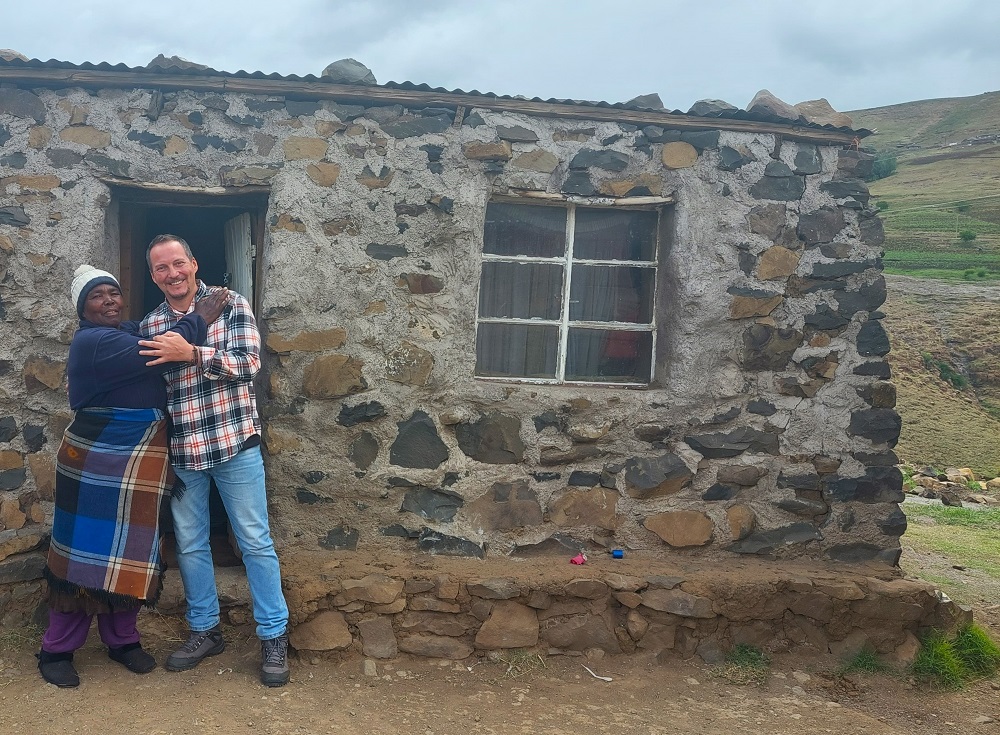
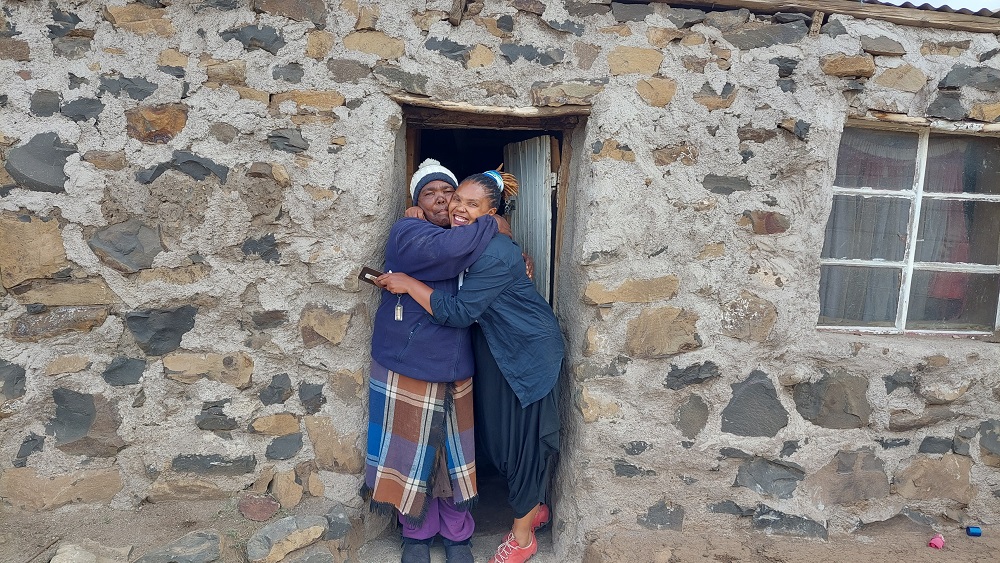
As I ventured into the rolling hills of Lesotho with Khabiso, we arrived at her family’s humble homestead, nestled in a small, mountainous area. The simple, rock-made houses blended seamlessly into the landscape, their small windows and doors a testament to the resourcefulness of the Basotho people. Two separate dwellings stood on the property, likely serving as sleeping quarters and a kitchen.
Khabiso invited me to explore the kitchen, where her mother warmly welcomed me. Despite the lack of electricity, the interior was cozy and inviting. Khabiso’s mother, a beacon of warmth and kindness, smiled and laughed as I marveled at the simplicity of their appliances. She explained the usage of each item, with Khabiso translating, and I was struck by the resourcefulness and self-sufficiency of the family.
Outside, three children played energetically, their laughter and shouts filling the air as they chased each other, played ball, and engaged in local games like “diketo” (a traditional Basotho game). They barely noticed my presence, too engrossed in their fun.
The adults, meanwhile, were engrossed in discussions about an upcoming wedding ceremony in the community. Khabiso translated the excitement and preparations, and I was touched by the warm invitation to join. Unfortunately, our schedule wouldn’t allow it, but I appreciated the gesture.
A Glimpse into Basotho Culture:
- Traditional Basotho homes are often made from local materials like rocks and thatch, reflecting their connection to the land.
- The Basotho people place great importance on community and family ties, often coming together for celebrations like weddings.
- Lesotho’s rugged terrain and lack of infrastructure in rural areas have fostered a strong sense of self-reliance and resourcefulness among its people.
As we prepared to leave, Khabiso’s mother smiled and bid us farewell, her eyes sparkling with warmth. I felt grateful for the opportunity to experience the simplicity, kindness, and resilience of rural Lesotho.

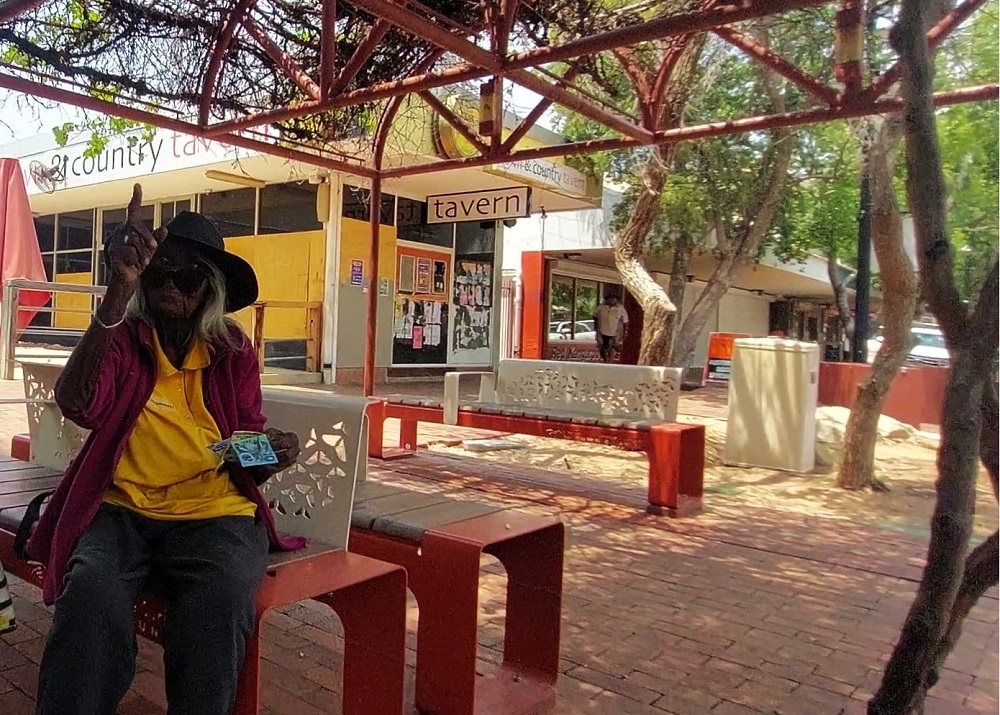
A Chance Encounter with Art and Wisdom in Alice Springs
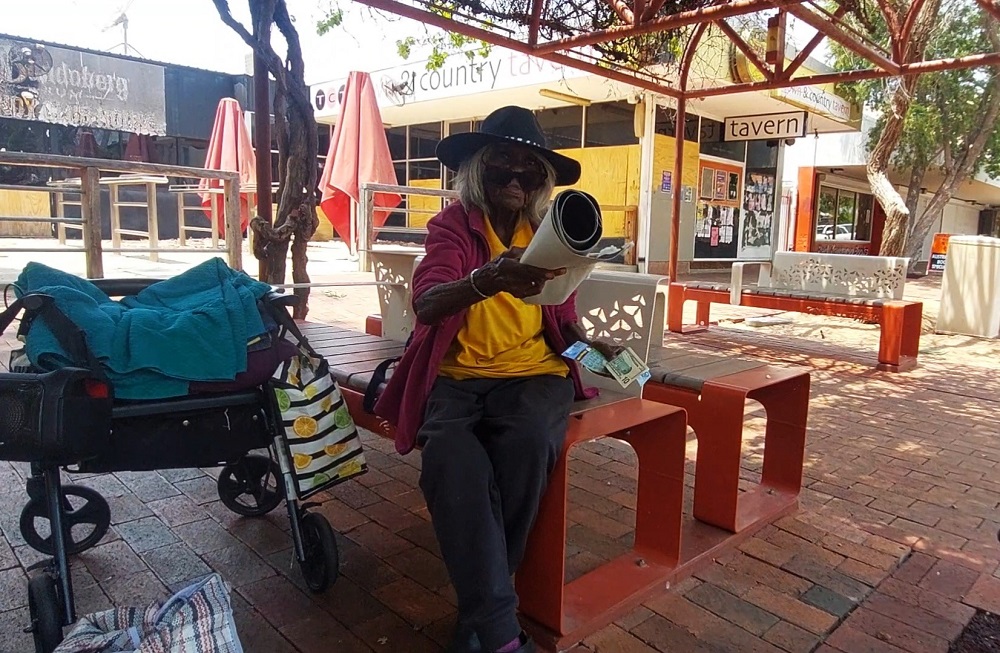
As I strolled through the streets of Alice Springs, the heart of Australia’s Red Center, I stumbled upon a vibrant display of Aboriginal art. A group of artists sat on the grass, their large, beautifully crafted pieces spread out before them. The intricate patterns and colors seemed to dance across the canvas, telling stories of the land and its people. I continued walking, taking in the sights and sounds of the town.
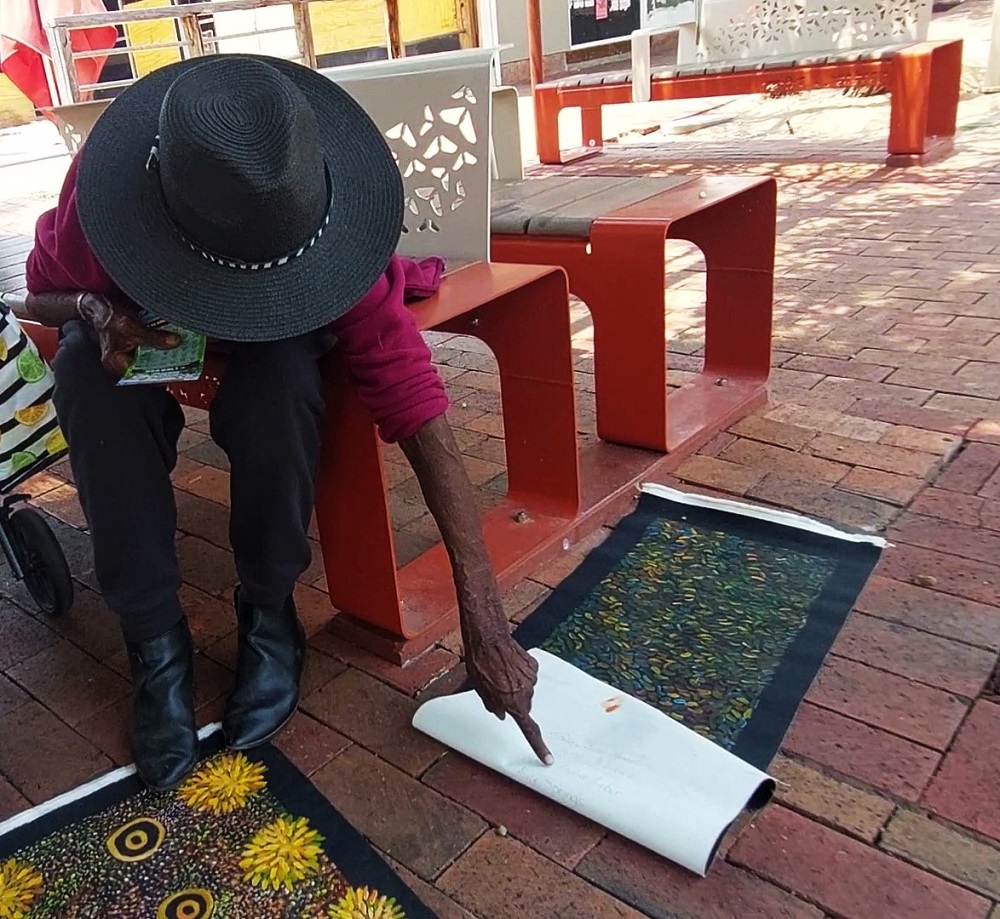
That’s when I noticed an elderly woman, fashionably dressed despite her age, sitting serenely on a bench. A large trolley filled with her art pieces sat beside her. I struck up a conversation, curious about her life and art. Esther Fuber, a talented rag artist, shared stories of her experiences, her voice filled with contentment and peace. She spoke of the local community, her faith, and her past with a lightness that was inspiring.
As we talked, I admired her attitude and asked if I could purchase one of her artworks as a memento. Esther wasn’t driven by profit, but she was delighted to share her art with me. She gifted me a stunning piece, signed with a warm smile. I felt a deep connection to her and her art, and I’m grateful to have it displayed on my wall, a reminder of our chance encounter.
A Glimpse into Aboriginal Art and Culture:
- Aboriginal art is a vital part of Australian culture, with a history dating back thousands of years.
- Many Aboriginal artists use their work to share stories, traditions, and experiences, often incorporating native materials and techniques.
- In Alice Springs, the Todd Mall Markets and other local events provide opportunities for Aboriginal artists to showcase their talents and share their culture with visitors.
Esther’s art piece is more than just a beautiful work; it’s a symbol of connection, community, and the power of art to transcend borders and cultures. I’m grateful for our encounter and the chance to appreciate her talent.
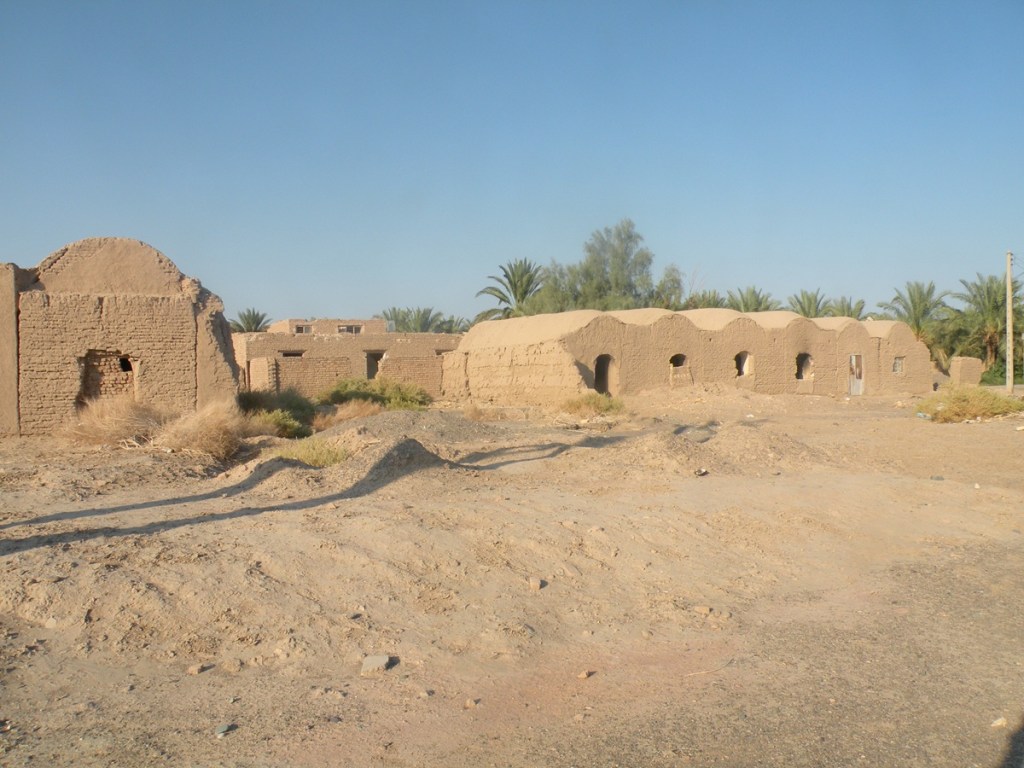
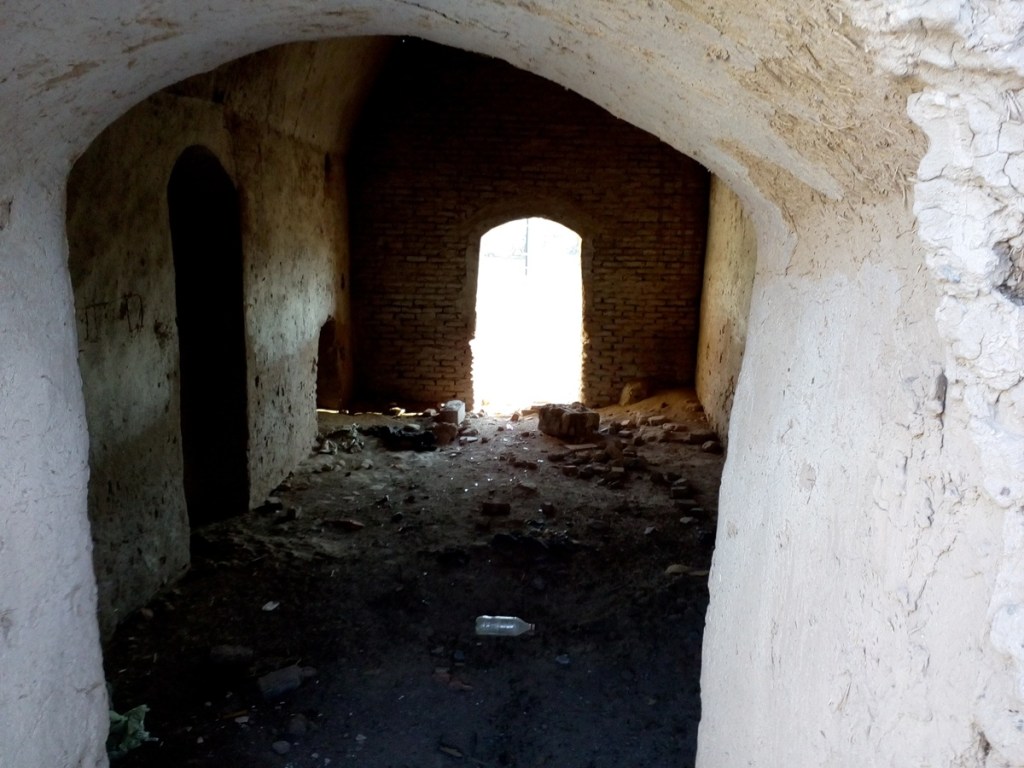
A Heartwarming Encounter in Bam, Iran
As Kambiz and I drove through the desert landscape towards the massive canyon near Bam, Iran, we stumbled upon a simplistic settlement that seemed abandoned at first glance. But then, a young man and his son emerged from one of the dwellings, greeting us with warm smiles. They invited us to rest and offered us a refreshing glass of traditional “Abdoolimon” (Persian lemon drink), a perfect remedy for the scorching heat.
As we sat together, sharing stories and laughter, I felt a deep connection to this Persian family. The young man’s kindness and generosity were contagious, and his son’s curious eyes sparkled with excitement. In that moment, cultural boundaries dissolved, and we connected as humans.
As I explored their humble home and orchard, I was struck by the family’s resourcefulness and resilience. They showed me the intricate irrigation systems they’d built to sustain their crops in the harsh desert climate. In turn, they were fascinated by my stories of far-off lands and cultures.
This chance encounter enriched both me and the Persian family. I gained a deeper understanding of their traditions and way of life, while they were delighted to share their hospitality and learn about mine. As we parted ways, I felt grateful for the warmth and kindness of this family, and I knew that our encounter would stay with me forever.
A Glimpse into the Power of Human Connection:
- Such encounters remind us that, despite cultural and geographical differences, we share a common humanity.
- They highlight the importance of empathy, understanding, and mutual respect in building bridges between communities.
- These moments of connection can be transformative, leaving a lasting impact on both visitors and hosts.
As I continued my journey, I carried the memory of this heart-warming encounter with me, inspired by the kindness and generosity of the Persian family.

Discovering Djibouti with Moussa: A Journey of Friendship and Culture
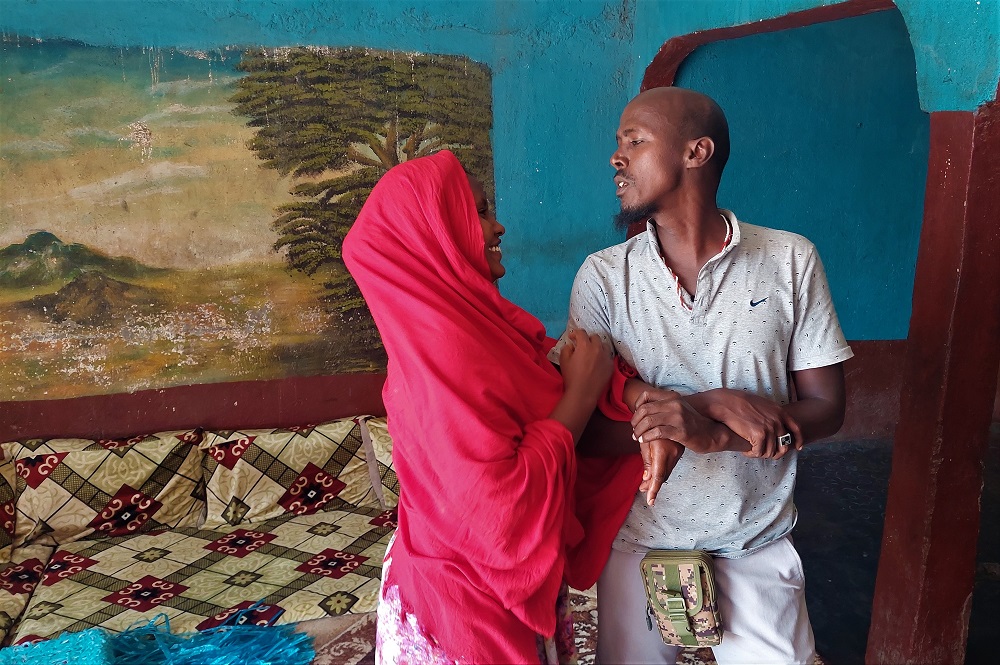
My journey in Djibouti was greatly enriched by Moussa, a knowledgeable guide and friend who went above and beyond to ensure my experience was unforgettable. From assisting me with my Somali visa application at the Somaliland embassy to showing me the country’s iconic landmarks, Moussa’s expertise and warm hospitality made every moment special.
Together, we explored the breathtaking Lake Assal, a salt lake nestled in the heart of a volcanic landscape, and the stunning Lake Abbé, situated on the Ethiopian-Djiboutian border. Moussa introduced me to the vibrant local markets, where we haggled over prices and sampled traditional foods like “skoudehkaris” (a flavorful rice dish).
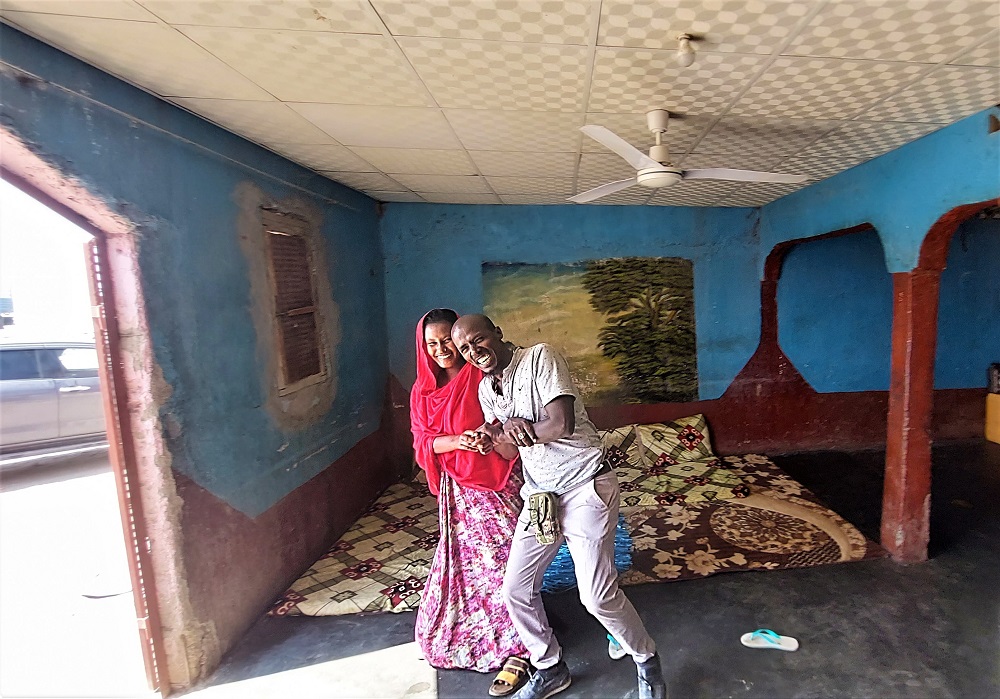
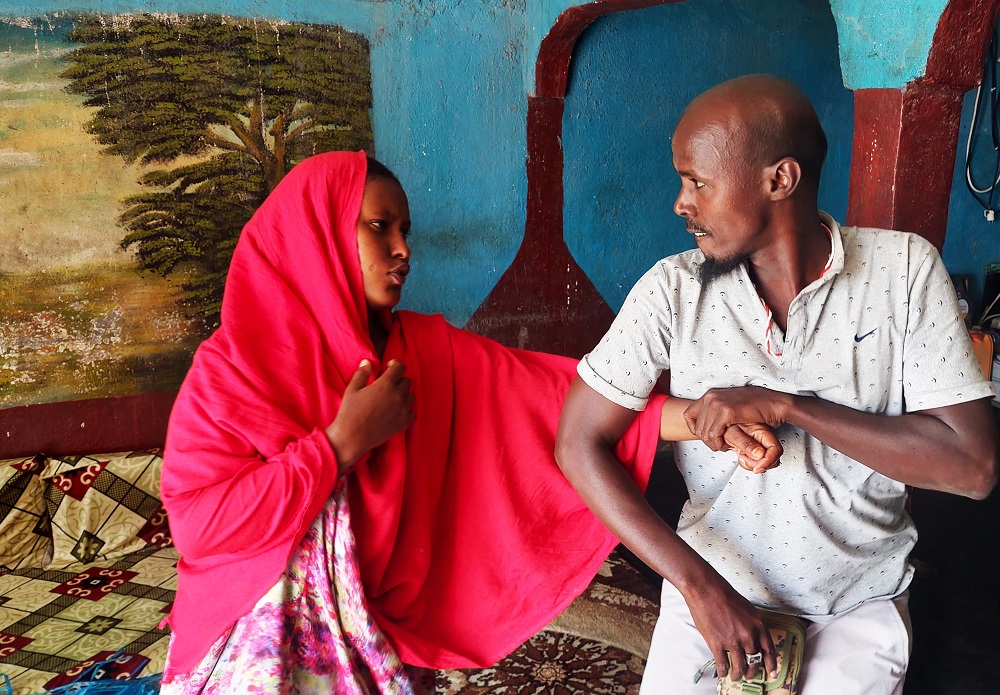
Moussa’s kindness extended beyond sightseeing. He accompanied me to the local medical center for COVID-19 testing, ensuring I had a smooth experience. But what struck me most was his loving relationship with his girlfriend. He would often visit her whenever his work permitted, and their affection for each other was palpable. During one of our stops, Moussa introduced me to his girlfriend at her house, where we enjoyed snacks at their restaurant. Their love and respect for each other were evident in every gesture.
The highlight of my trip was when Moussa introduced me to his trusted friend, and we were invited to a traditional party. We sipped on local drinks and chewed on “khat” (a mild stimulant commonly consumed in the region), exchanging stories and facts about our respective countries.
A Glimpse into Djiboutian Culture:
- Hospitality: Djibouti is known for its warm hospitality, with visitors often being greeted with generous offerings of food and drink.
- Cuisine: The local cuisine is a flavorful blend of African, Middle Eastern, and French flavors, reflecting the country’s strategic location on the Red Sea.
- Cultural Diversity: Djibouti is a multicultural country, with influences from African, Arab, and French cultures.
- Traditional Practices: The country has a rich tradition of cultural practices, including the consumption of “khat” and traditional celebrations.
Moussa’s devotion to his girlfriend and his culture was inspiring, and I’m grateful for the opportunity to experience the warmth and kindness of the Djiboutian people. Our friendship and shared experiences will always be cherished memories of my journey.
xploring Eswatini with Peter: A Journey of Discovery
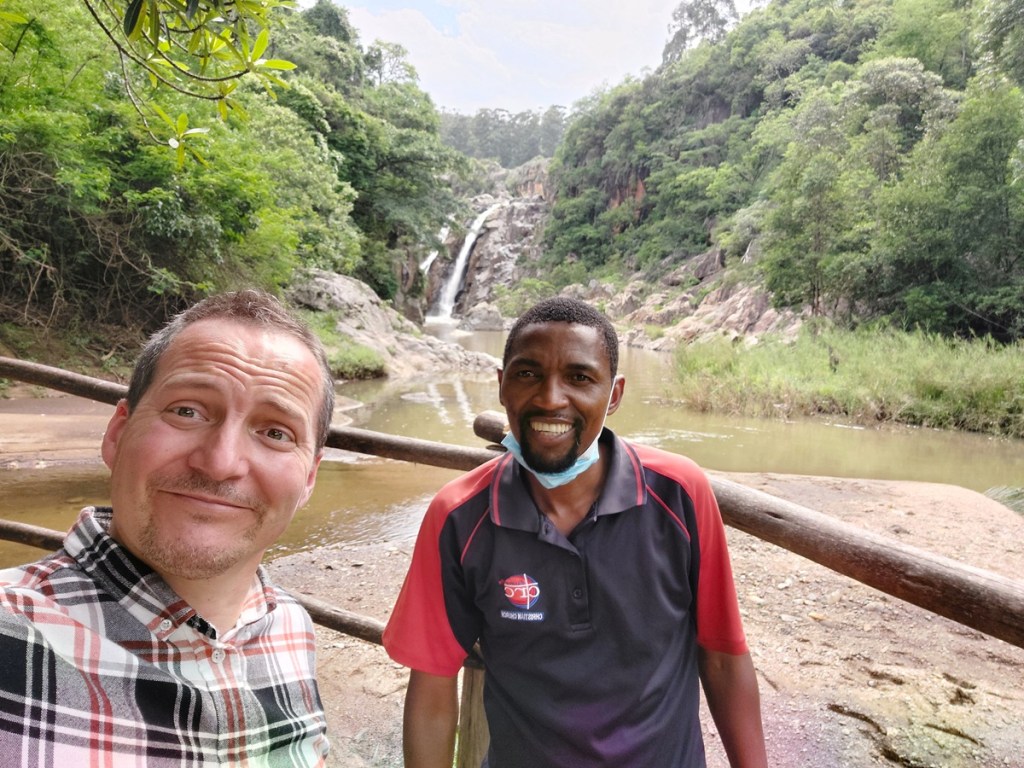
During my visit to Eswatini, I had the pleasure of meeting Peter Shiba, a driven and ambitious businessman who had ventured into the world of tourism as a guide. His passion for showcasing the country’s hidden gems was evident in the way he presented each destination.
Peter took me on an unforgettable journey, introducing me to the breathtaking natural reserves, teeming with wildlife and lush vegetation. We embarked on a thrilling safari adventure, where we spotted majestic animals in their natural habitat.
We visited the Ngwenya Mine, a historic site dating back 43,000 years, where ancient humans mined red ochre for rituals and art. The mine’s significance was palpable, offering a glimpse into the country’s rich cultural heritage.
One of the most thrilling experiences was our visit to Lion’s Cave, a stunning rock formation that left me in awe. We also stopped at Sibebe Rock, a majestic monolith that towered above the landscape, its granite surface glistening in the sunlight.
Additionally, we visited the Simunye Sugar Factory, a major contributor to Eswatini’s economy, where I learned about the sugar production process and the industry’s impact on the local community. We also stopped at a famous coffee farm, where I learned about the coffee-making process and savored the rich flavors of locally grown coffee.
Peter’s knowledge and enthusiasm brought each location to life, making the experience even more memorable. We also visited the glass factory, where I was fascinated by the artisans’ skillful craftsmanship. Peter’s connections in the community allowed us to interact with the locals, gaining a deeper understanding of the culture.
A Glimpse into Peter’s Entrepreneurial Spirit:
- Peter’s venture into guiding showcased his adaptability and willingness to explore new opportunities.
- His passion for Eswatini’s natural beauty and cultural heritage was contagious, making him an excellent ambassador for the country.
- Through his guidance, I gained a deeper appreciation for the country’s diverse landscapes, industries, and people.
Peter’s story is a testament to the power of innovation and community engagement. I’m grateful for the opportunity to have met him and experienced the beauty of Eswatini through his eyes.

 Frog on the border