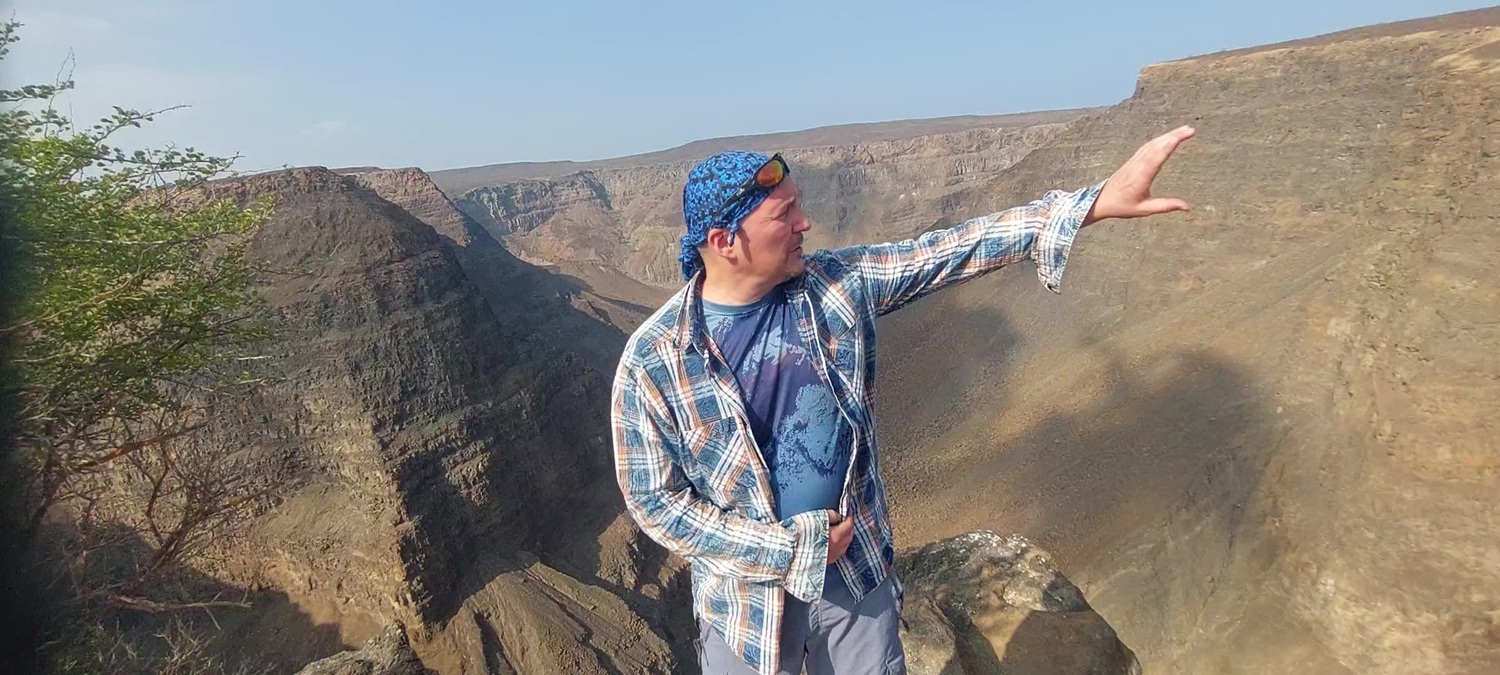
Failaka Island
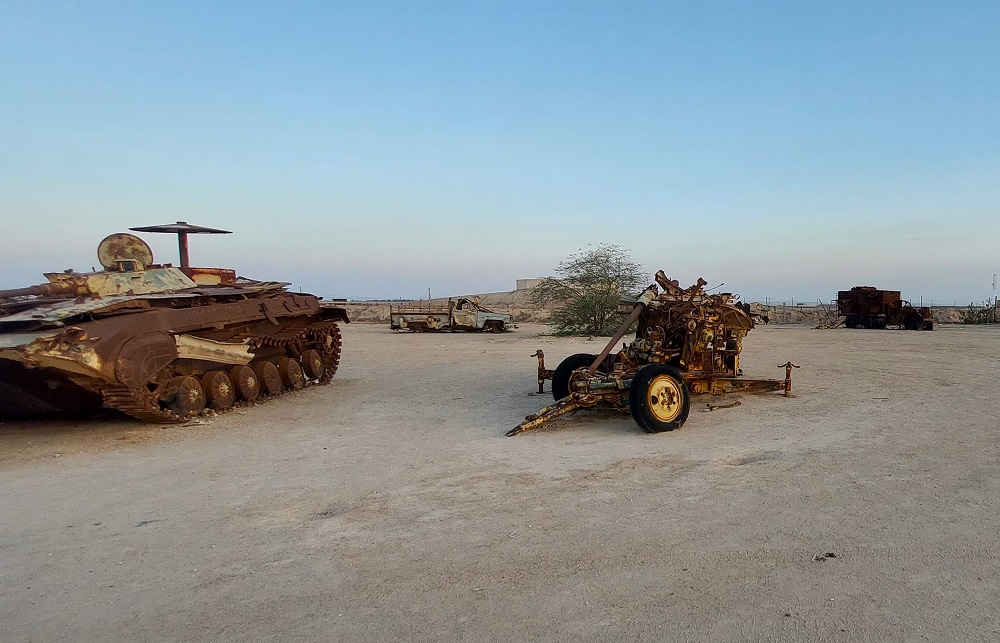
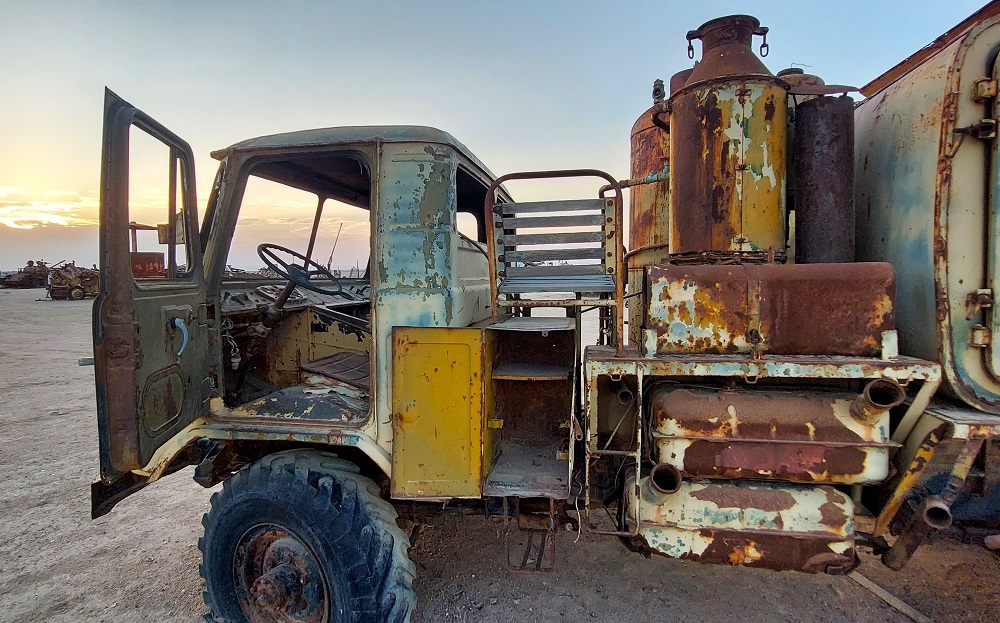
Failaka Island, located off the coast of Kuwait, is a site of great historical significance, with a rich cultural heritage shaped by various invasions and occupations throughout the centuries. Failaka Island features a collection of abandoned military equipment, including tanks, trucks, and anti-aircraft cannons, which are now part of a fenced area open to the public.
Today, remnants of the Gulf War can still be seen on Failaka Island, including abandoned artillery tanks and cannons, which are slowly rusting away. These relics serve as a poignant reminder of the island’s turbulent past and the impact of war on the environment and local communities.

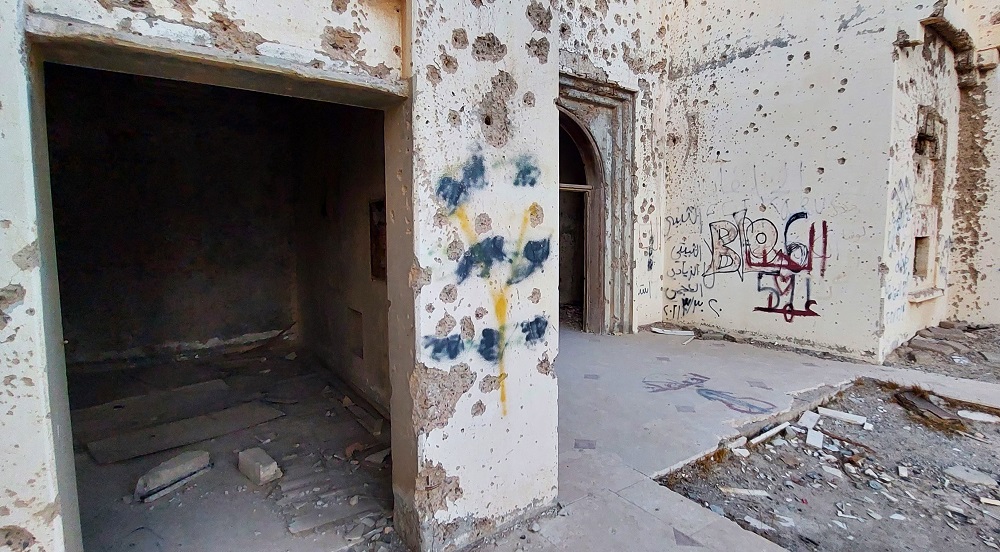
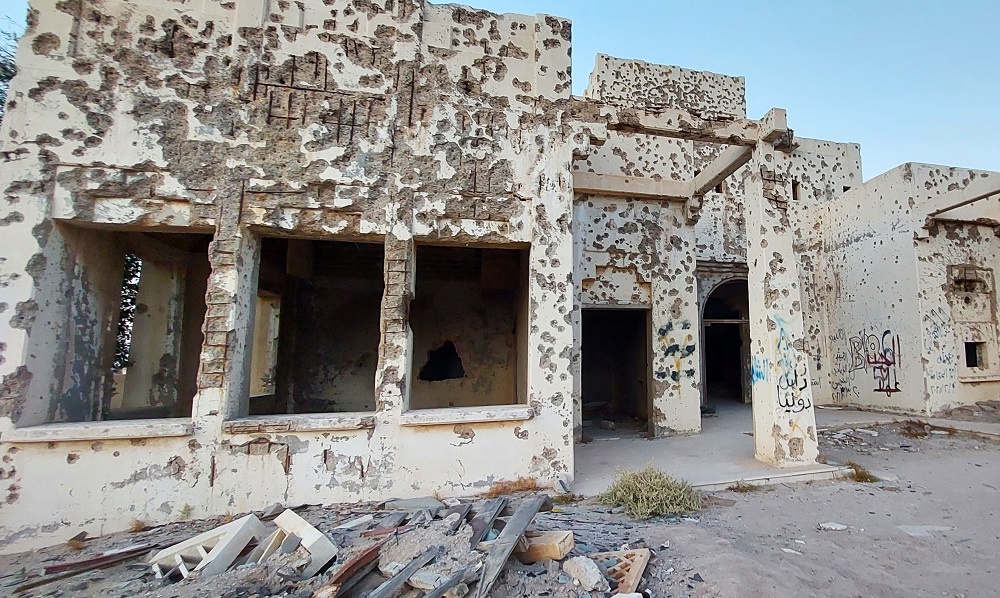
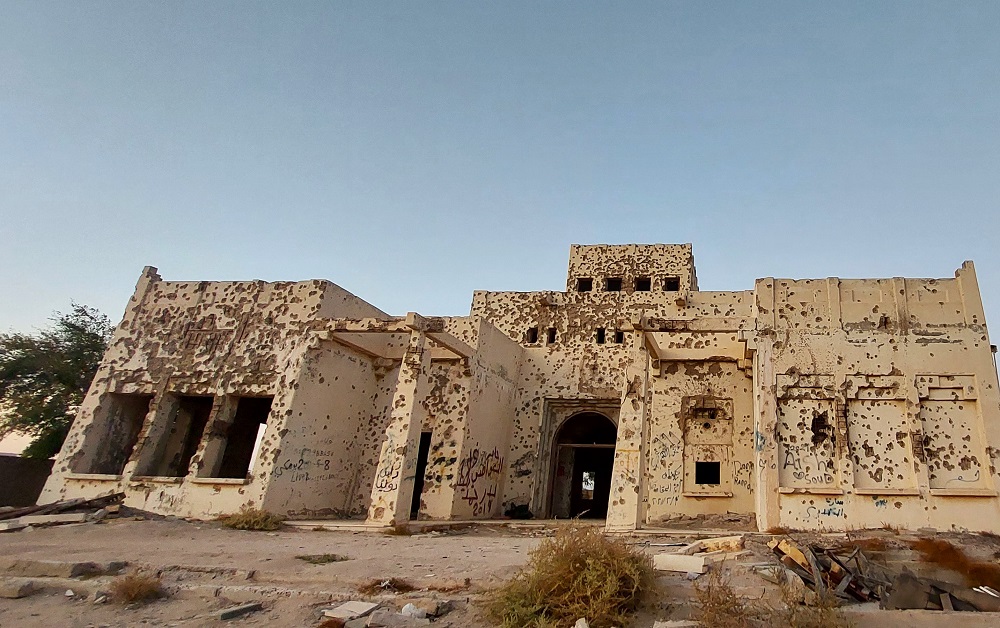
Failaka Island’s Old National Bank branch is a poignant reminder of the Gulf War’s impact on the island. The bank building, now abandoned, still bears the scars of the conflict, with visible bullet holes and damage from the invasion.
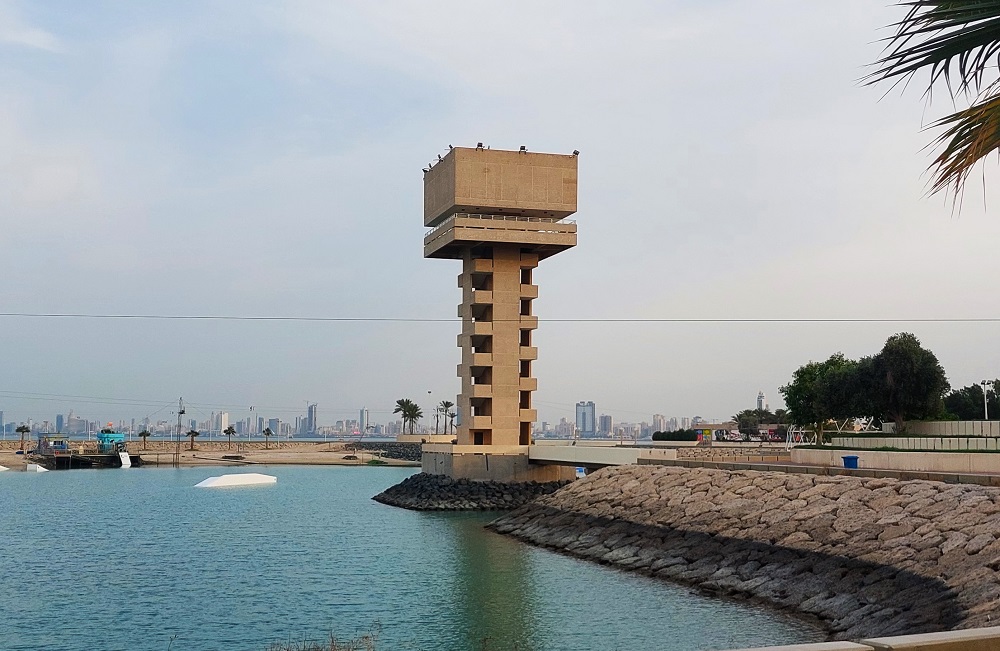
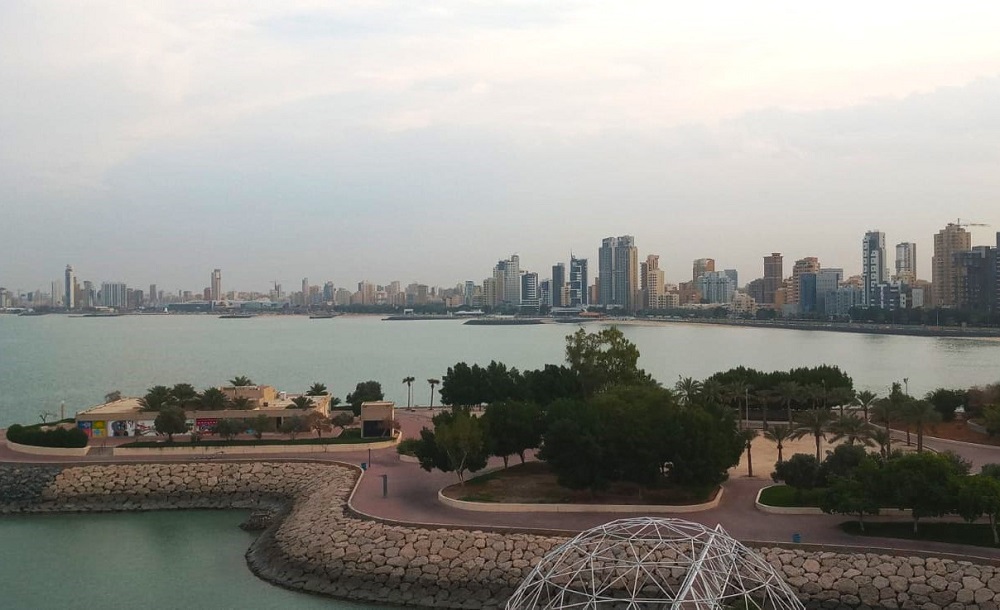
The Green Island is an artificial island in Kuwait, off the coast of Kuwait City’s promenade. It was opened in 1988 and became a tourist attraction. It is the first artificial island in the Persian Gulf region.
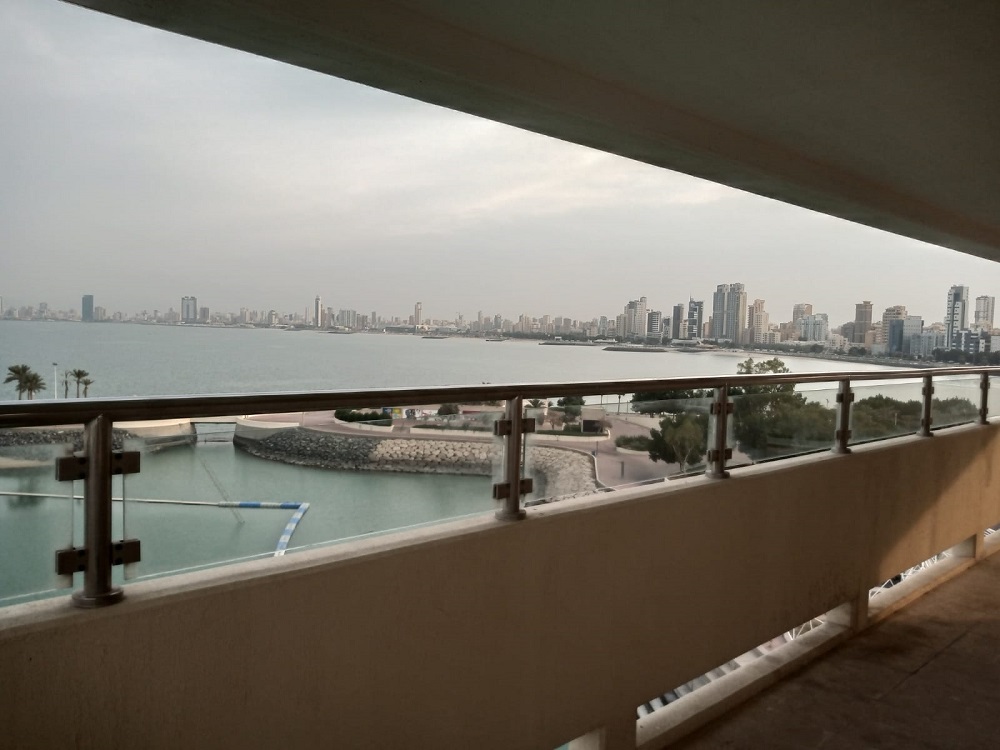
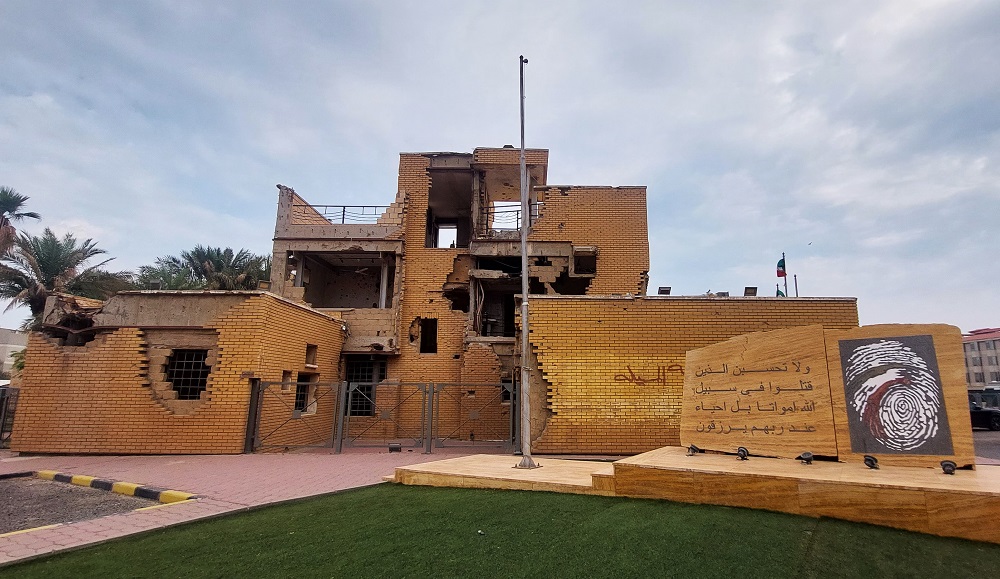
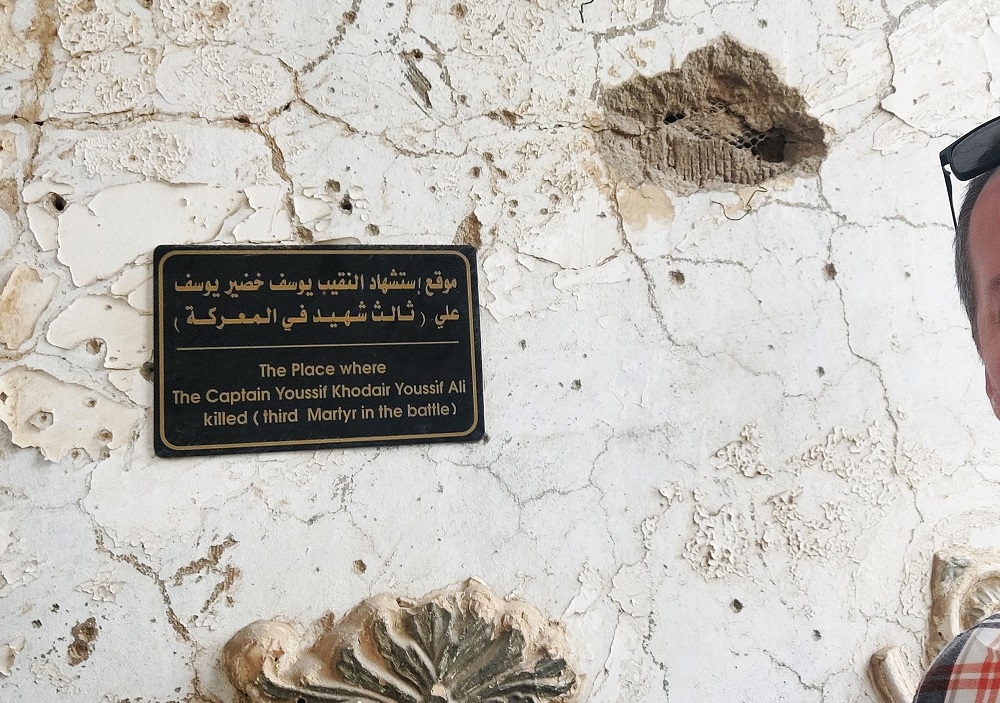
The Martyr Museum in Kuwait is a poignant tribute to the country’s martyrs who have sacrificed their lives for Kuwait’s freedom and sovereignty. The Martyr Museum was established to honor the memory of Kuwaiti nationals who have lost their lives in various conflicts, including the Iraq-Iran War and the Iraqi invasion of Kuwait in 1990.
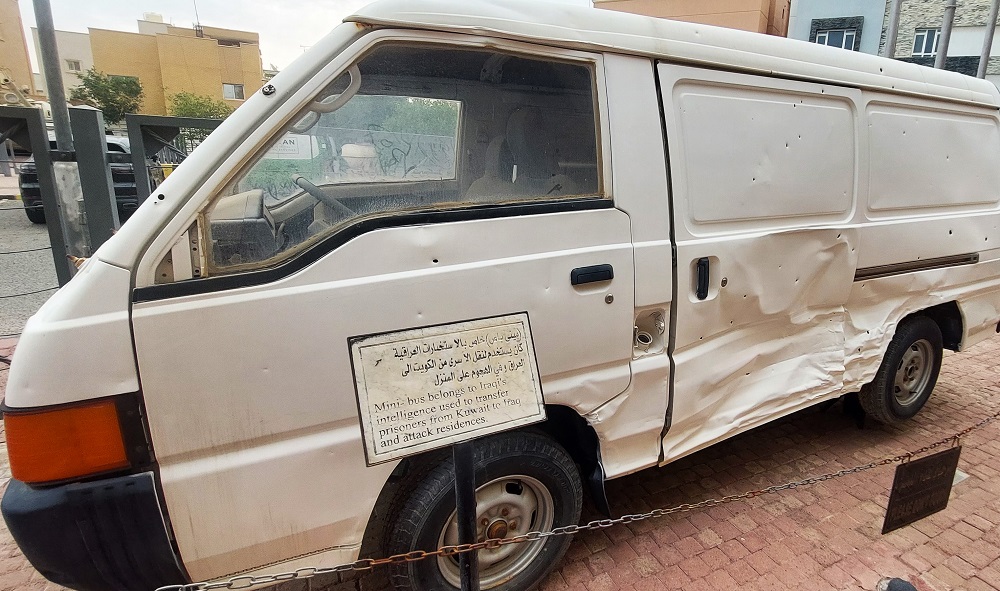
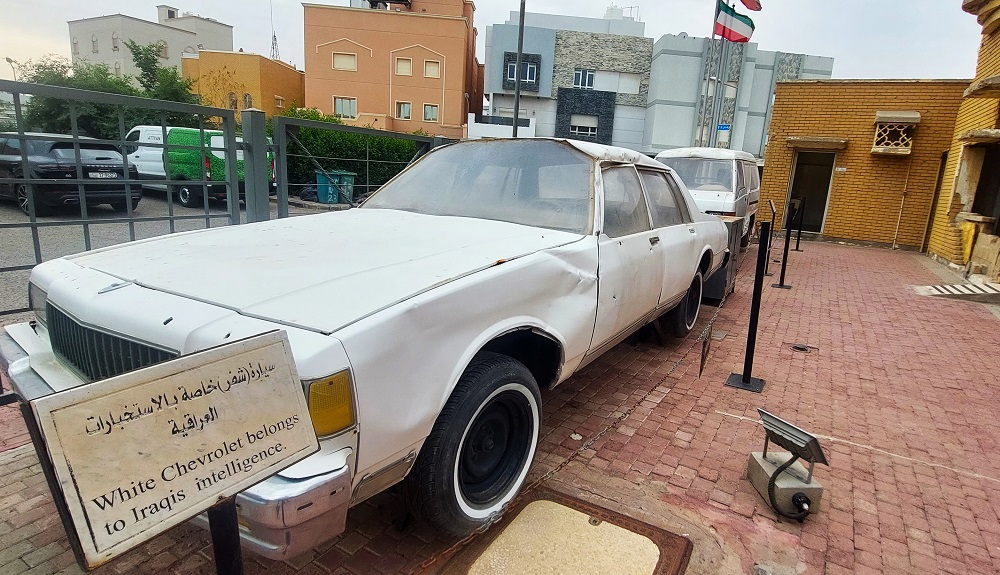
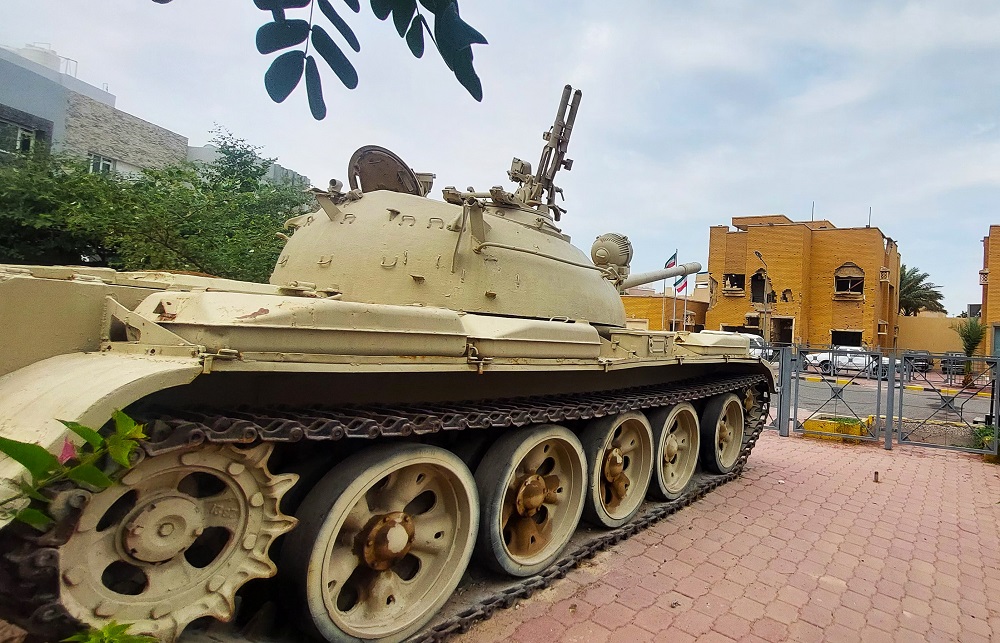
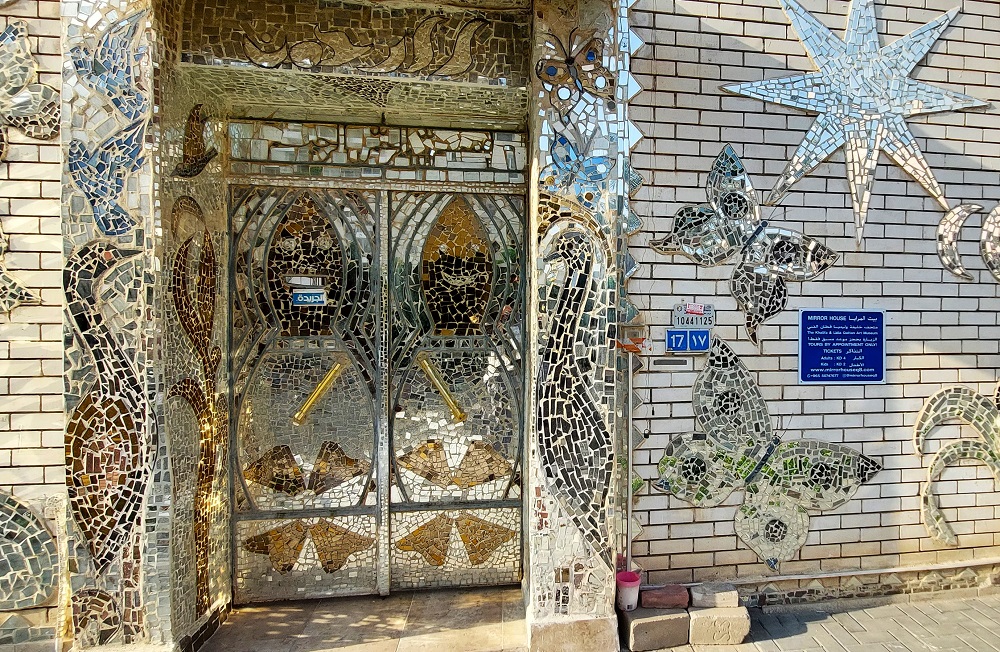
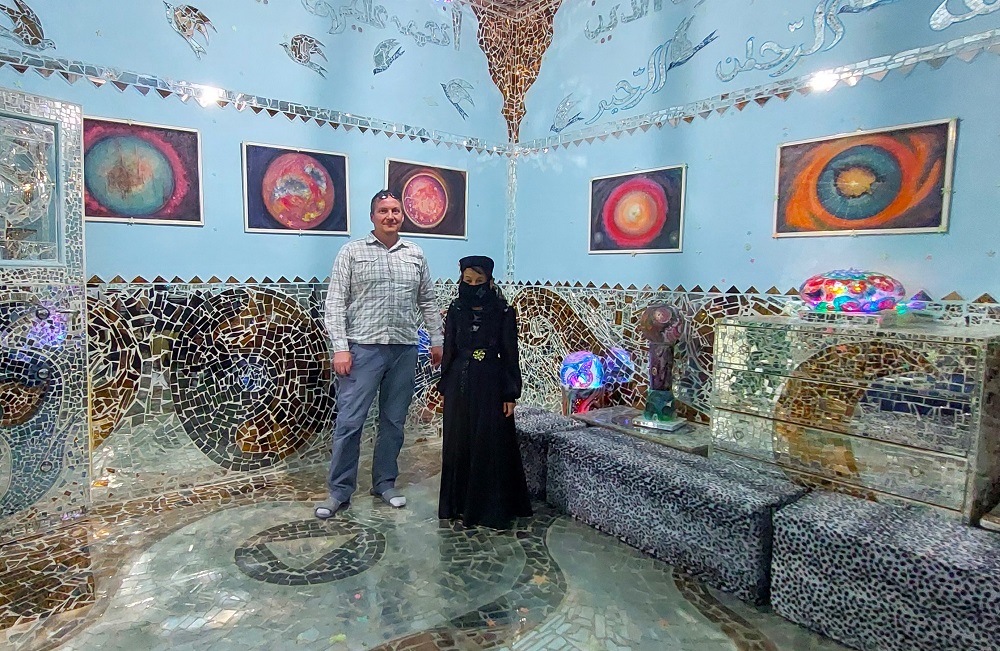
The Mirror House, also known as Beit Al-Mirrors or Dar Al-Mirrors, is a unique and fascinating cultural landmark in Kuwait. The house was constructed using local materials and features intricate details, reflecting the country’s rich cultural heritage. The mirrors were imported from various countries, including Europe and Asia, and were carefully arranged to create a dazzling display of light and reflection.

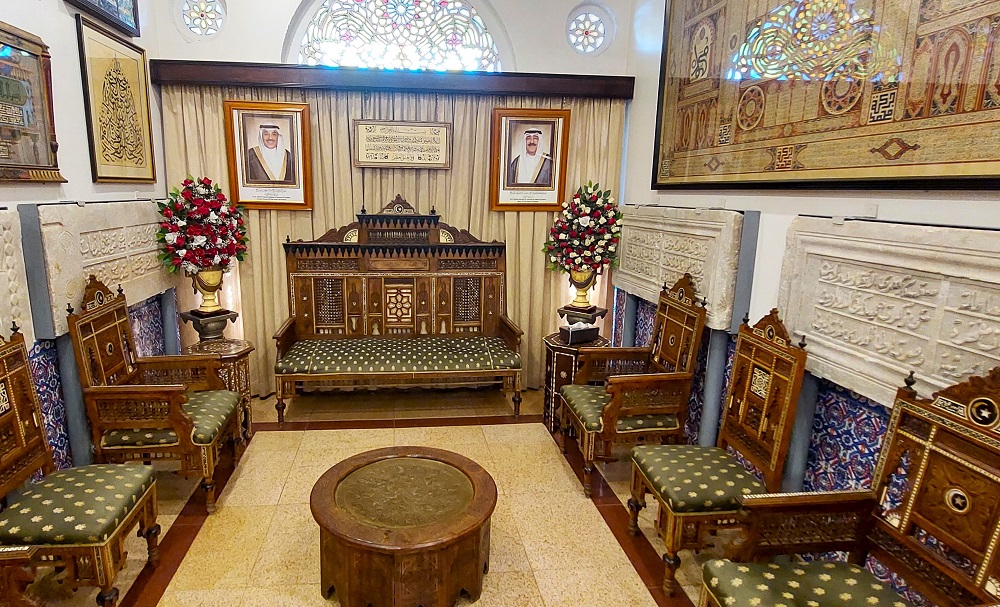
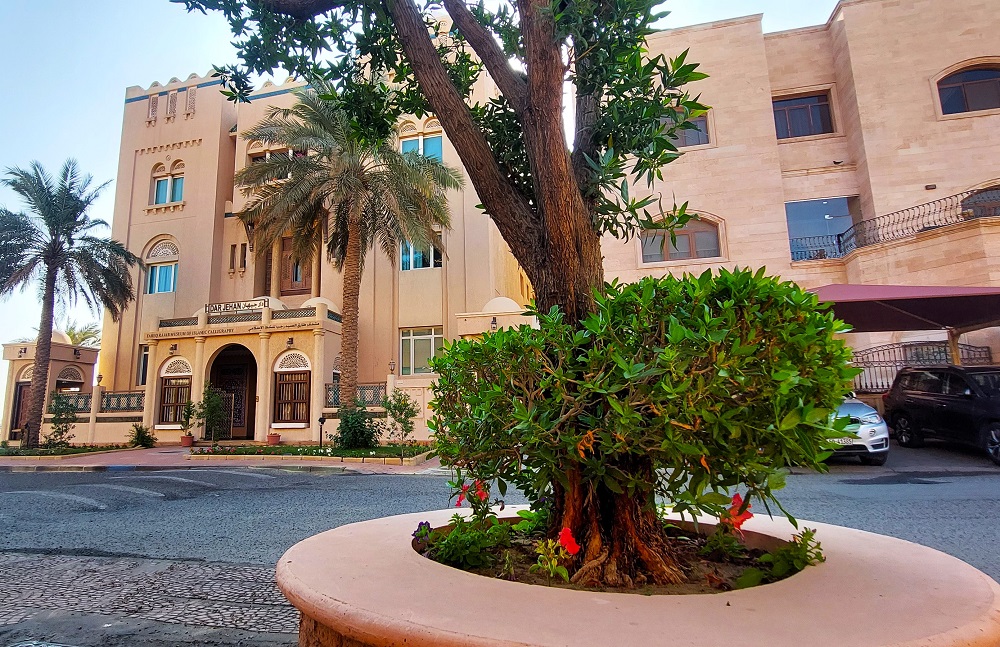
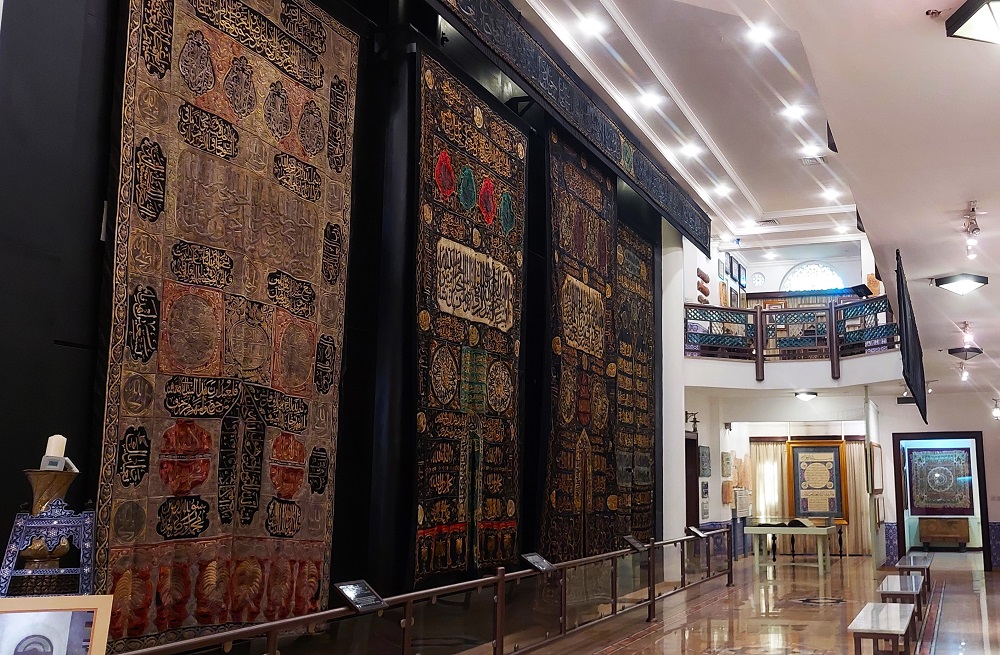
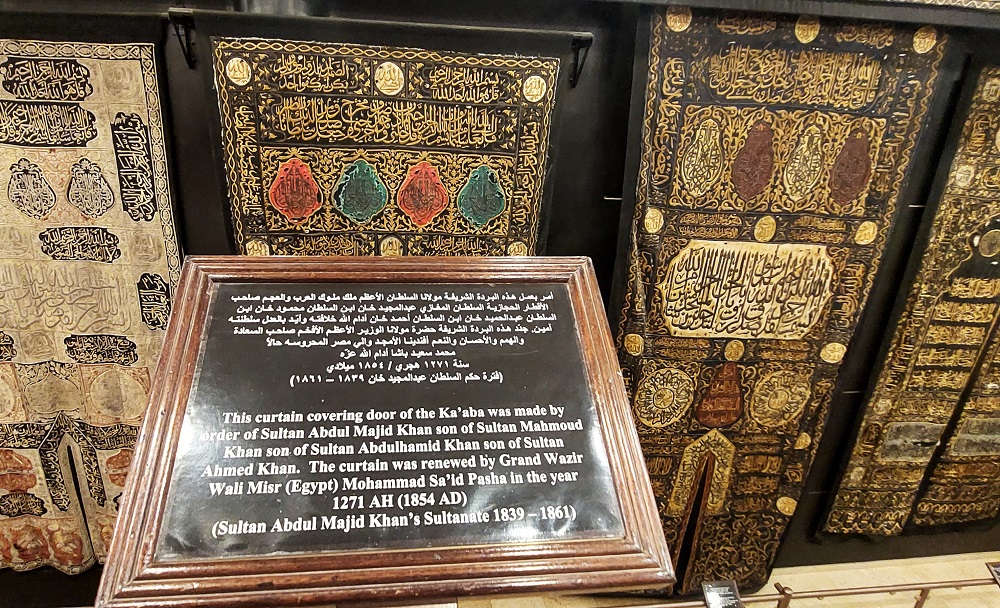
The Tareq Rajab Museum of Islamic Calligraphy is a renowned institution in Kuwait, dedicated to showcasing the art of Islamic calligraphy and its rich history. The museum features an extensive collection of Islamic calligraphy, including manuscripts by famous calligraphers and scientists such as Yaqut Al-Musta’simi and Sheikh Hamdullah Al-Amasi. The museum showcases a vast collection of Qur’ans and manuscripts from various periods and regions across the Islamic world, including 7th-century ‘Ma’il’ Script folios and 9th-century Qur’ans written on vellum.
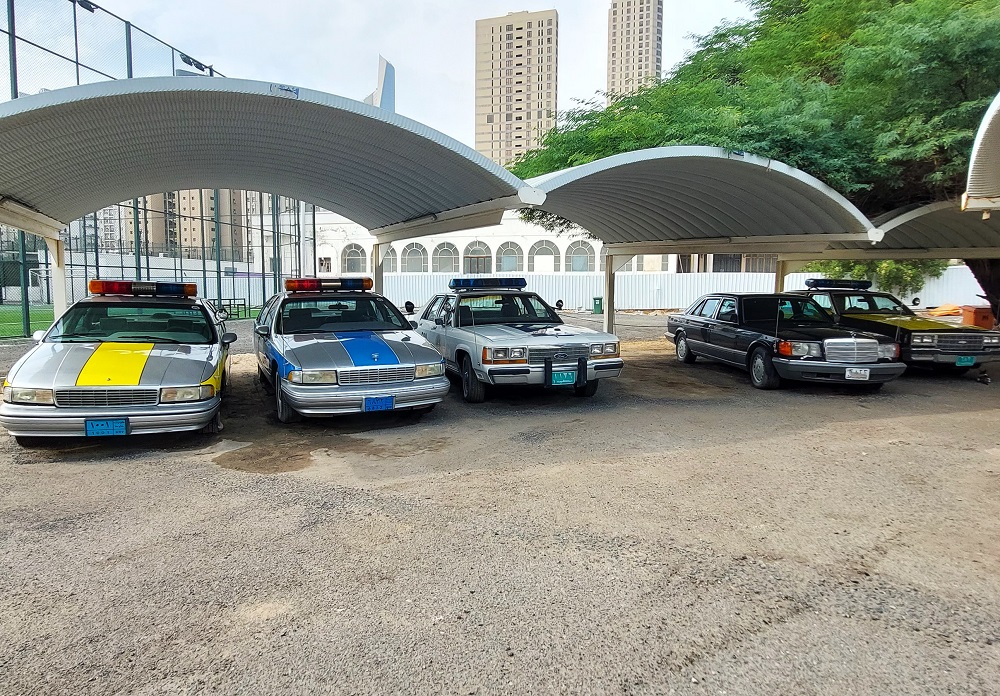
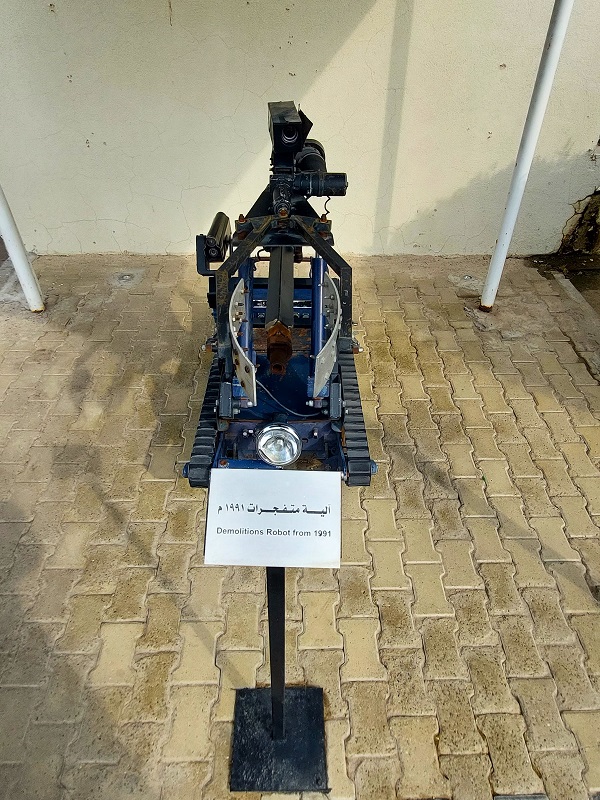
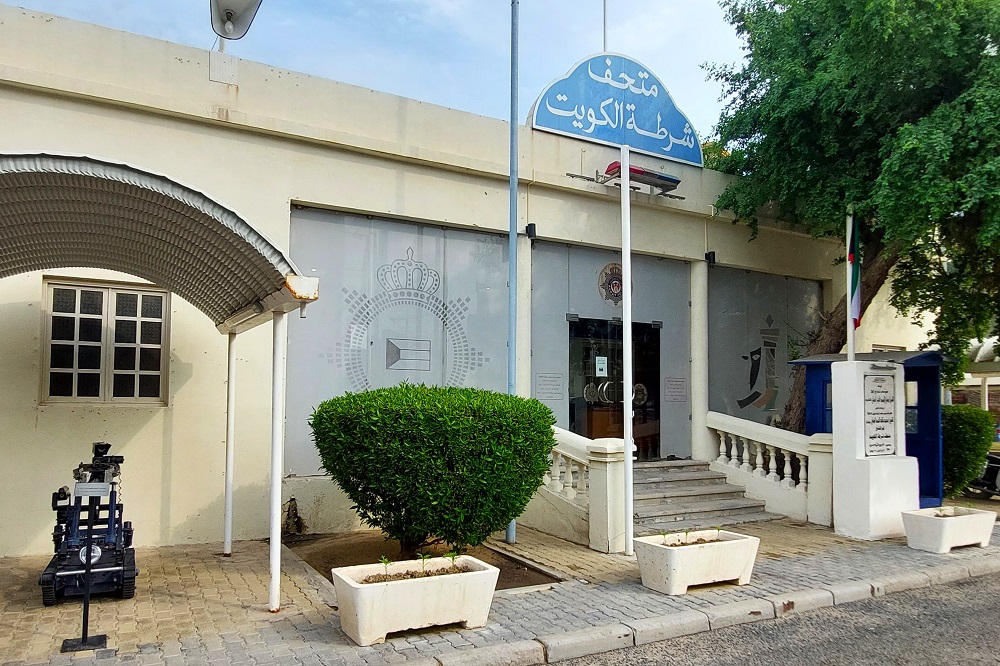
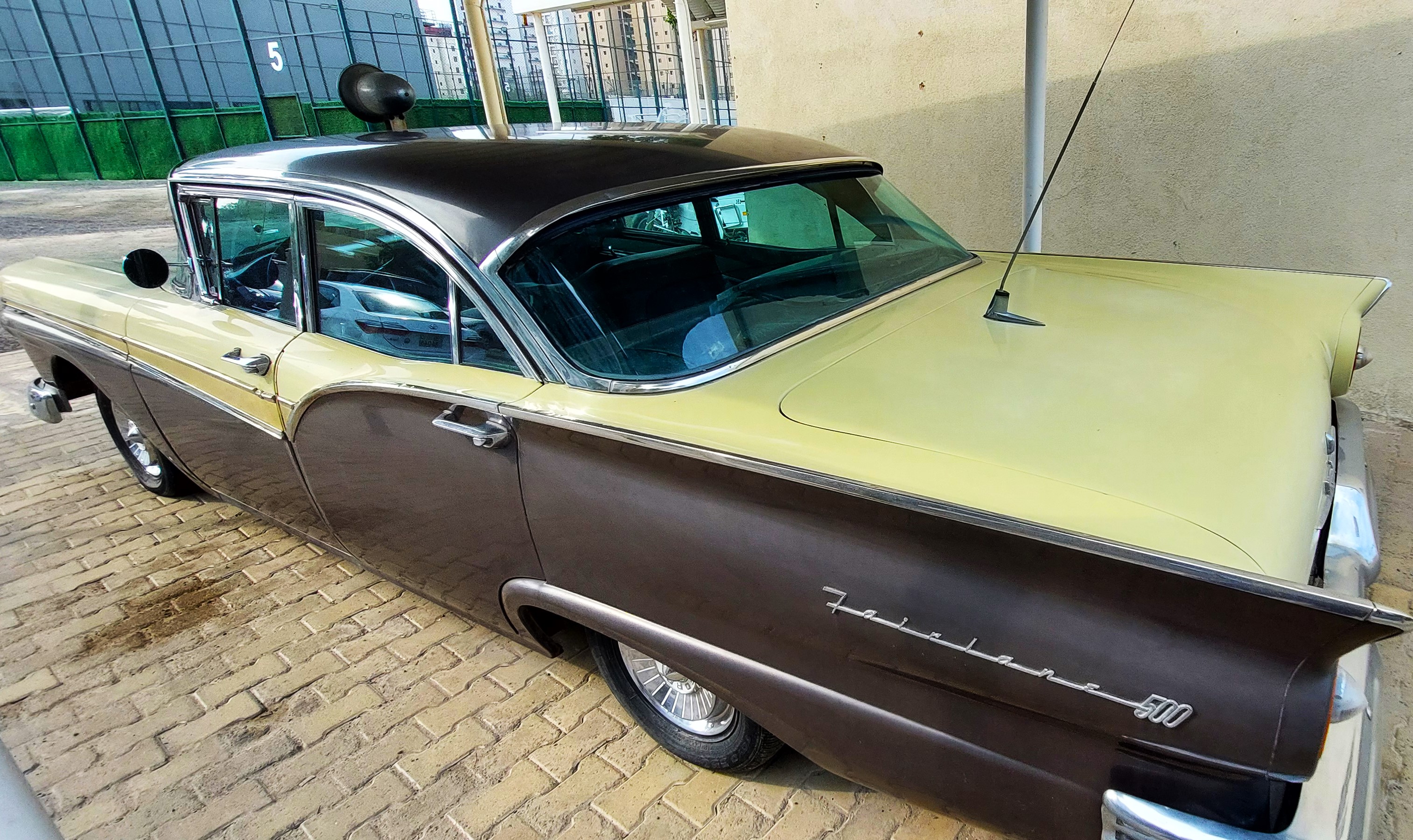
The Kuwait Police Museum is a unique institution that showcases the history and development of the Kuwait Police Force. The museum features a range of exhibits and displays, including historical artifacts and equipment used by the police force. Uniforms and badges worn by police officers. Vehicles and communication equipment used by the police. Displays on notable cases and events in Kuwait’s policing history.

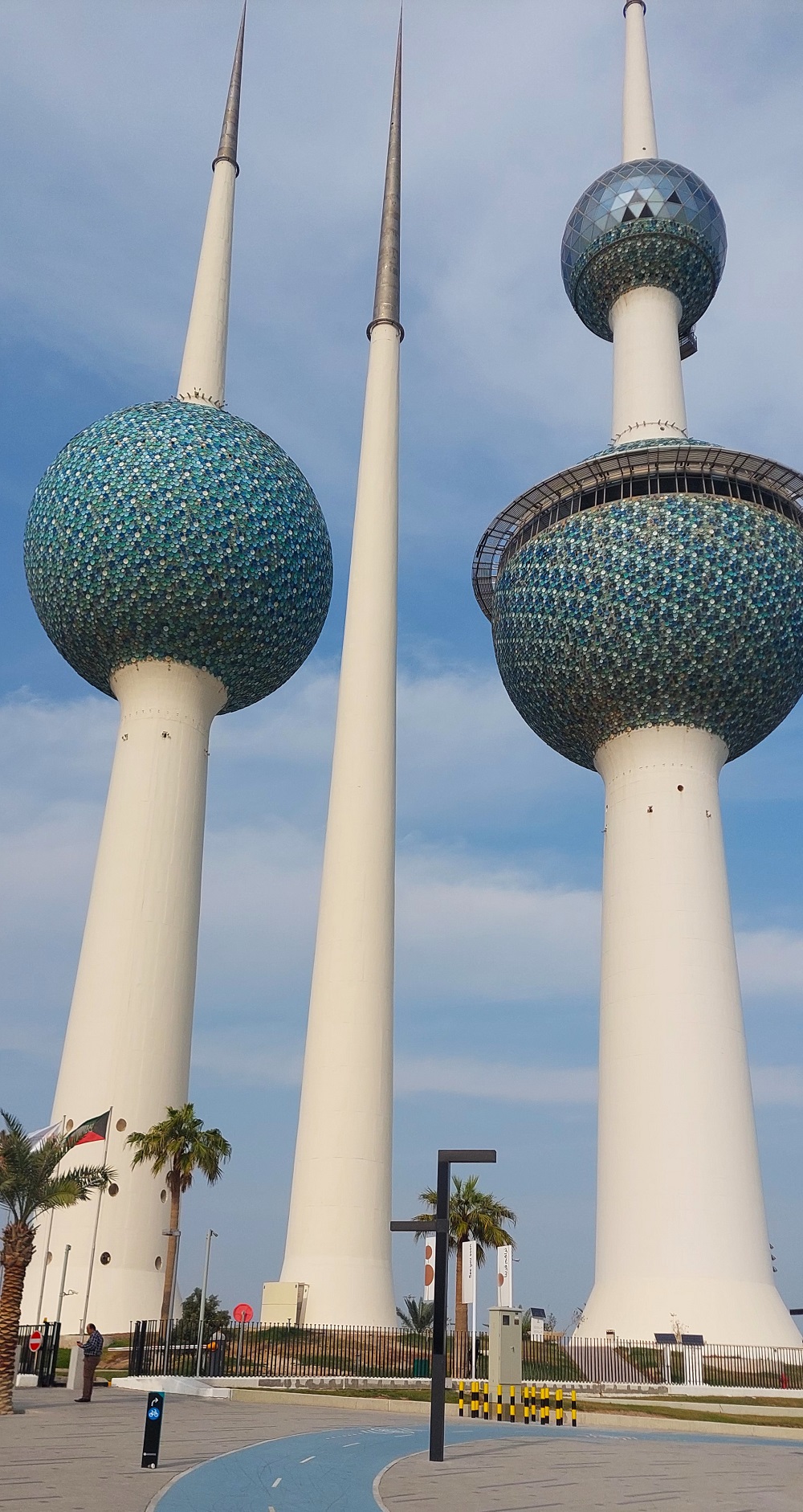
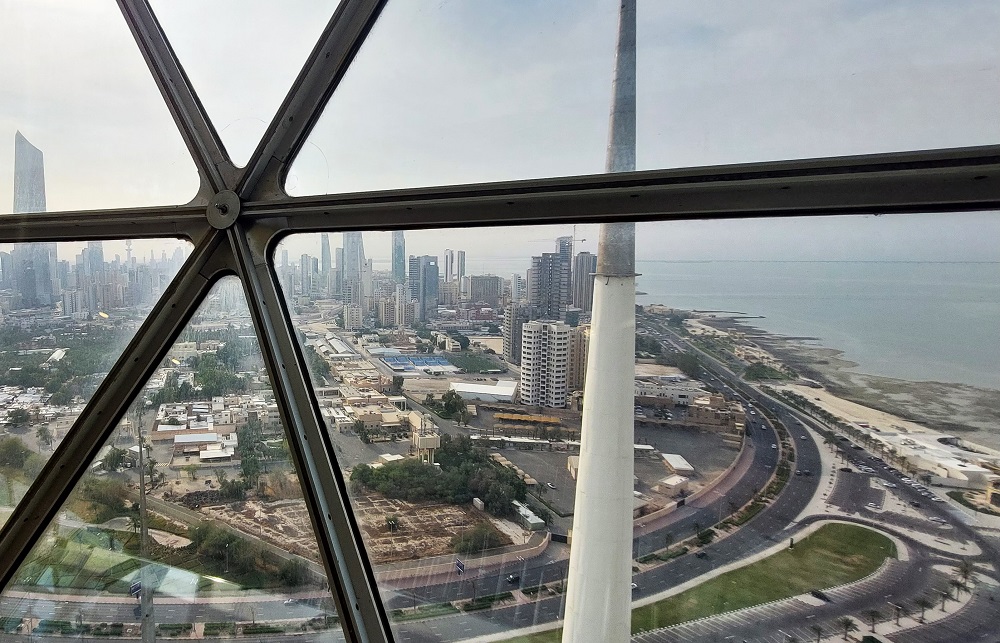
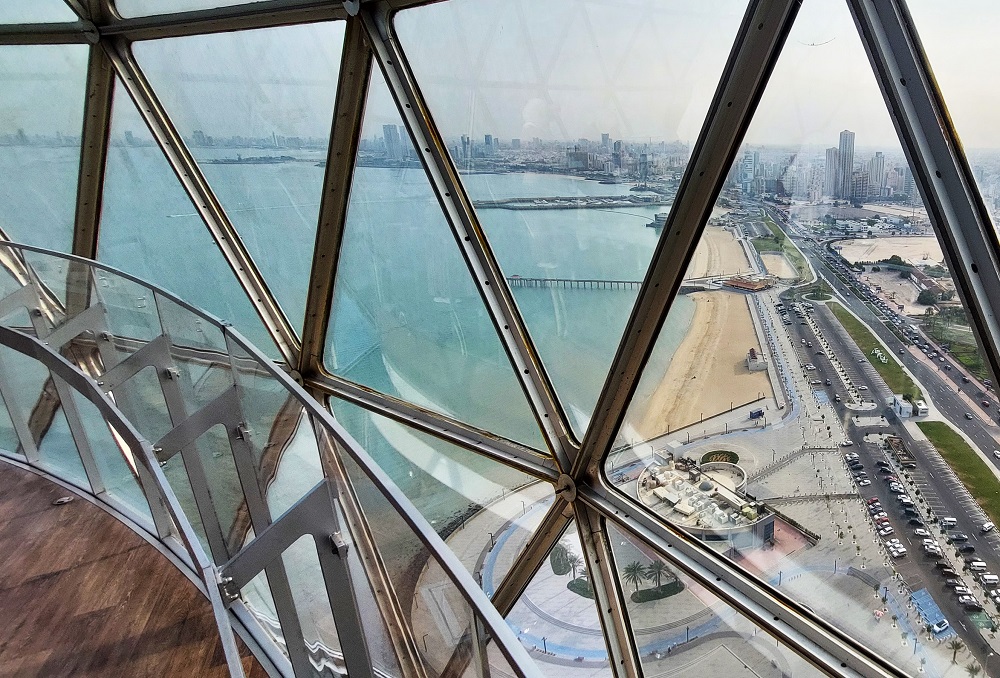
The Kuwait Towers, also known as the Water Towers, are an iconic landmark and a symbol of Kuwait City. The Kuwait Towers were designed by Swedish architects Malene Björn and Sune Lindström and built by Energoprojekt, a Yugoslavian company, between 1971 and 1976.
 Frog on the border