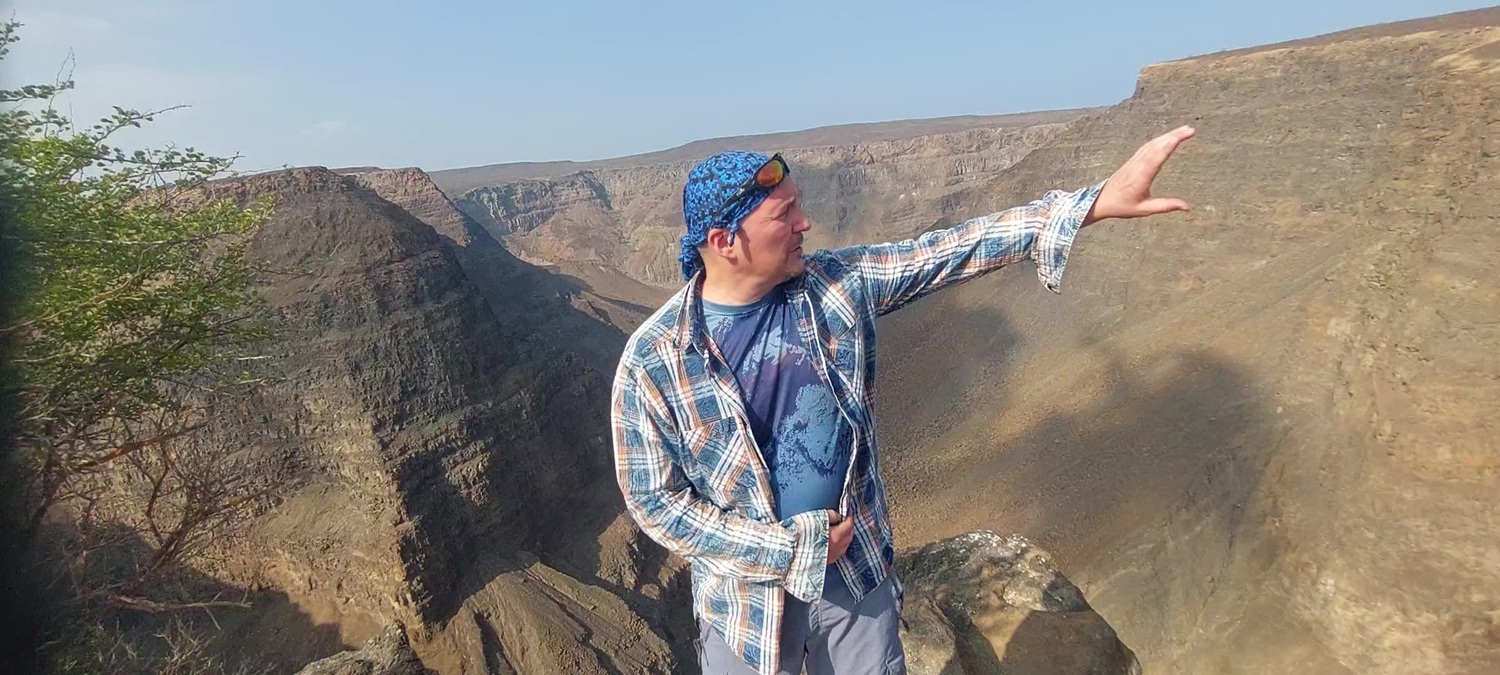
Madinah
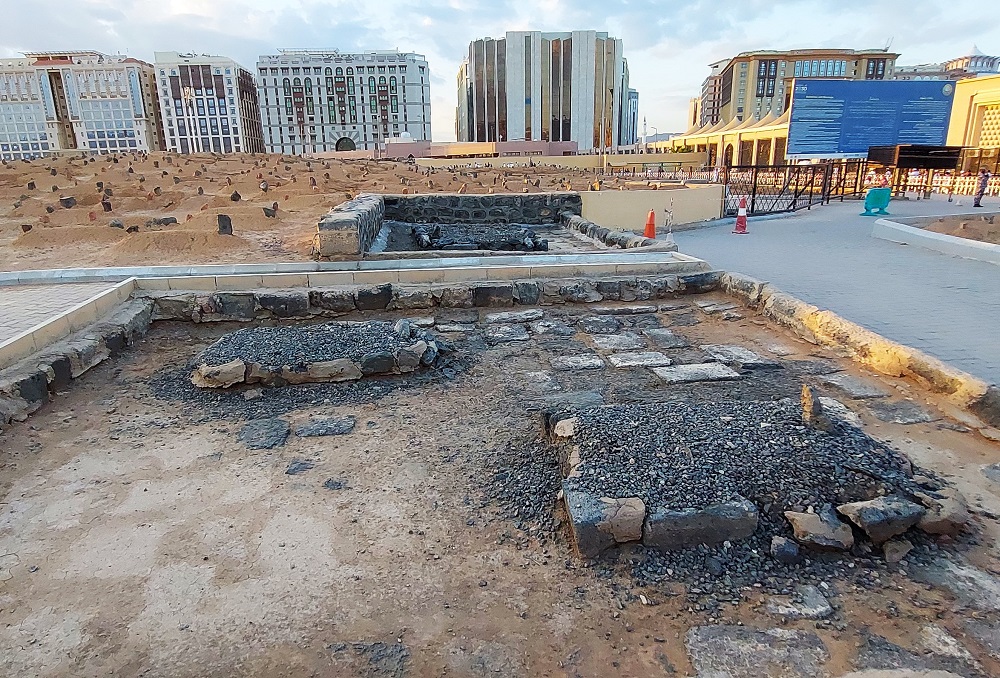
Jannat al-Baqi, located in Medina, Saudi Arabia, is one of the oldest and most historic Islamic cemeteries in the world. Many important figures in Islamic history are buried in Jannat al-Baqi, including the Prophet Muhammad’s wives and daughters, Companions of the Prophet Muhammad, Imams, and scholars of Islamic history.

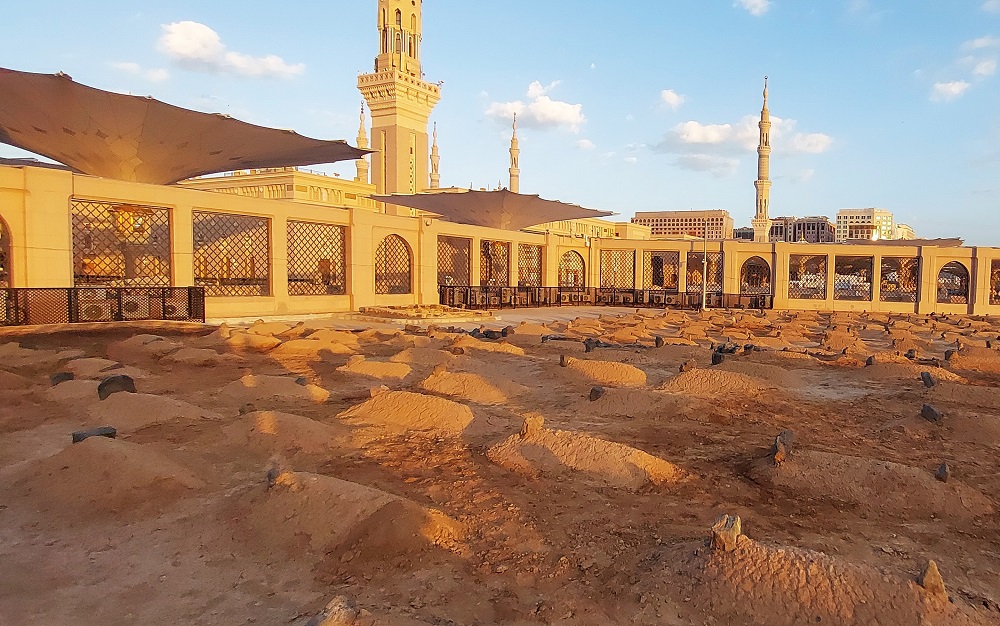
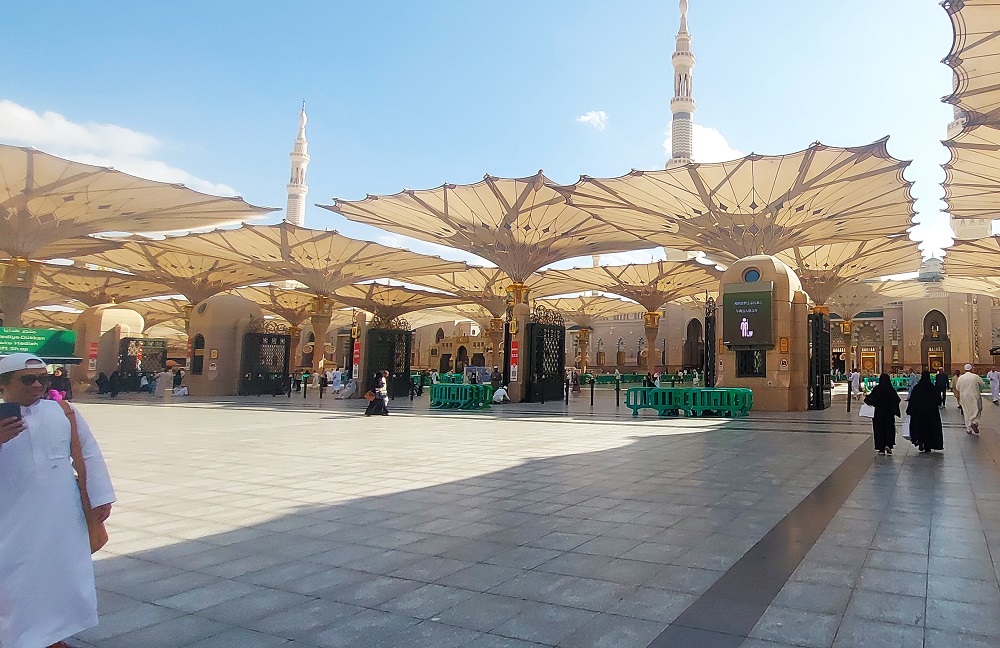
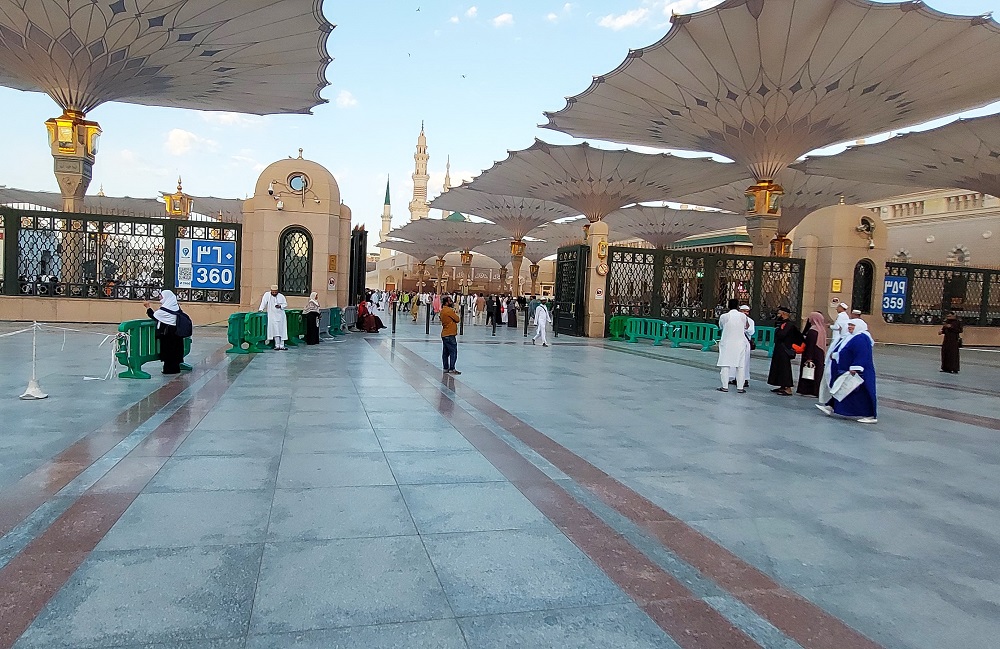
The Prophet’s Mosque, located in Medina, Saudi Arabia, is one of the most revered and iconic mosques in the world. The mosque was built by the Prophet Muhammad himself in 622 CE, shortly after he migrated to Medina. The Prophet’s Mosque is the second-holiest site in Islam, after the Masjid al-Haram in Mecca.

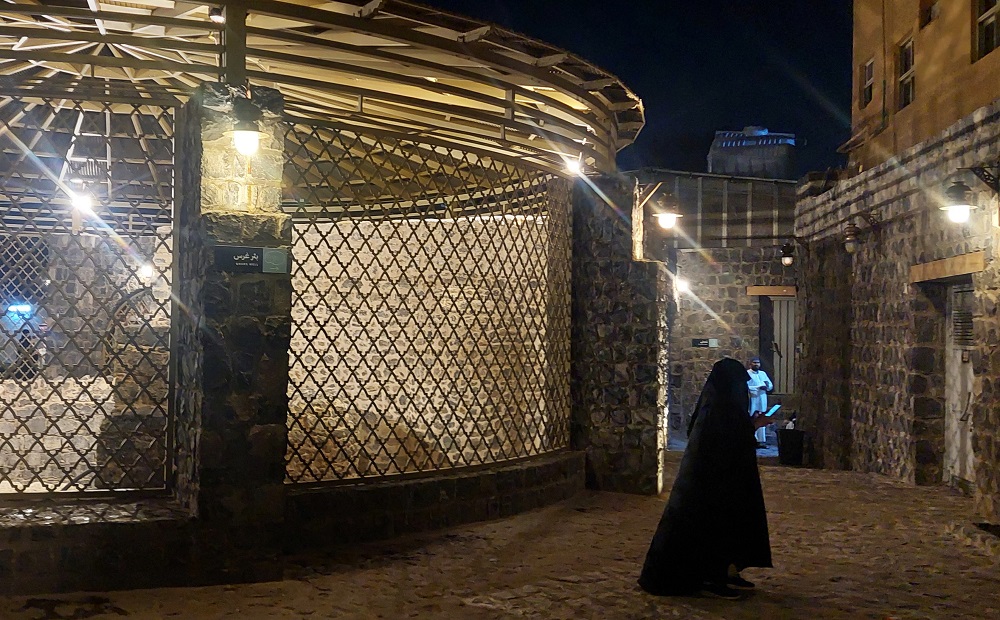
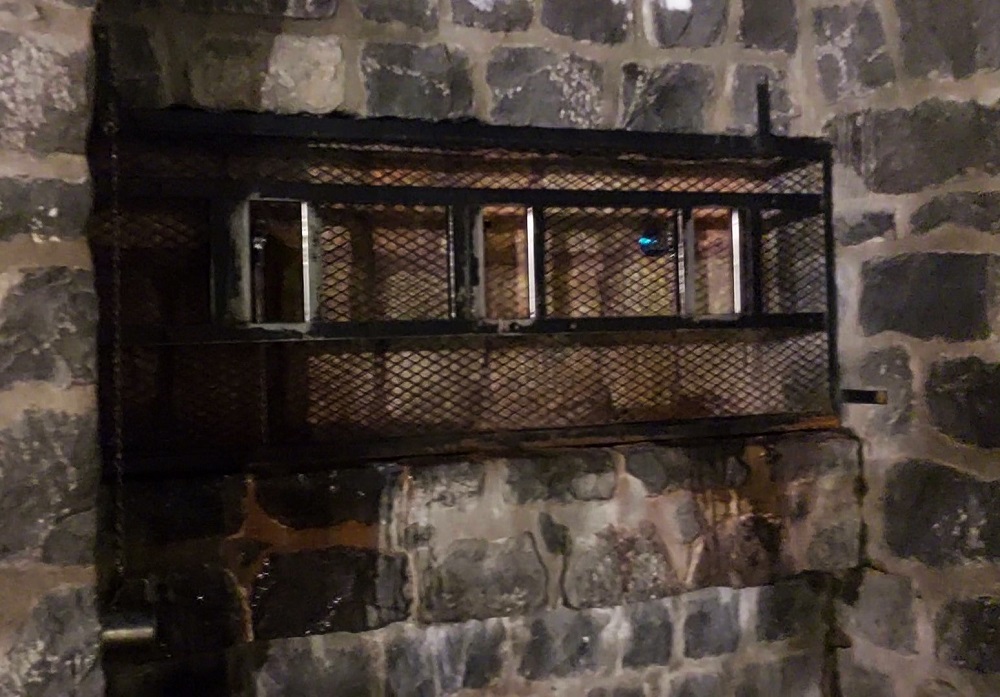
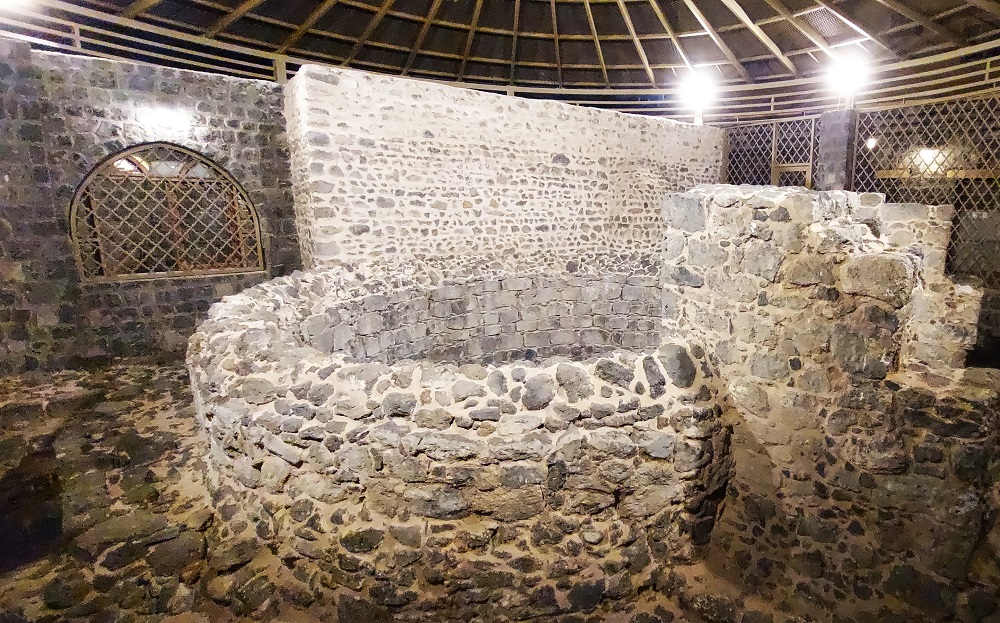
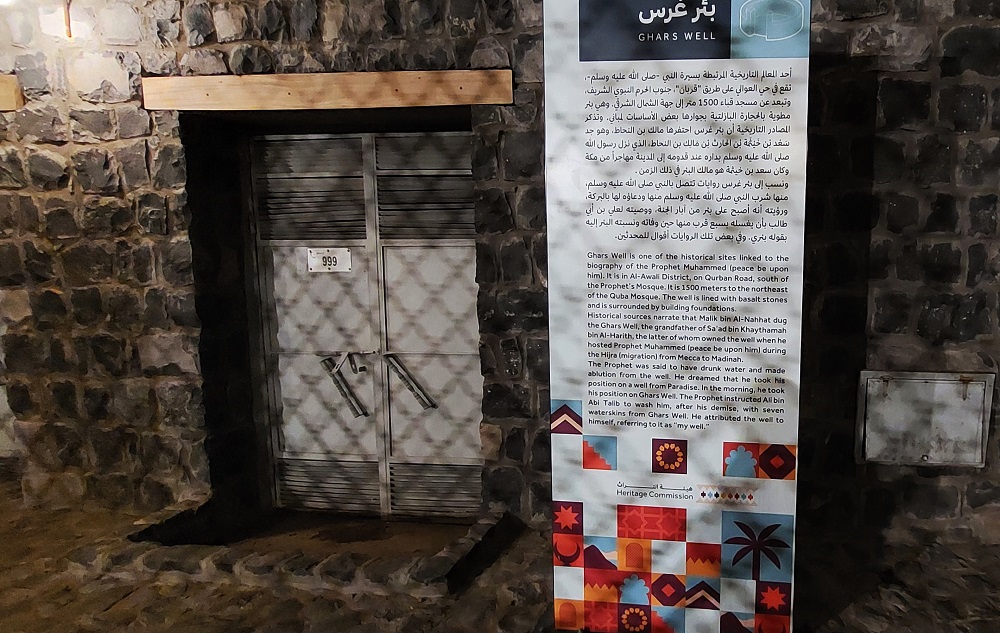
The Al-Ghar Well is believed to be one of the wells that the Prophet Muhammad used during his time in Medina. The well’s significance lies in its association with the Prophet Muhammad and its role in providing water for the early Muslim community in Medina.
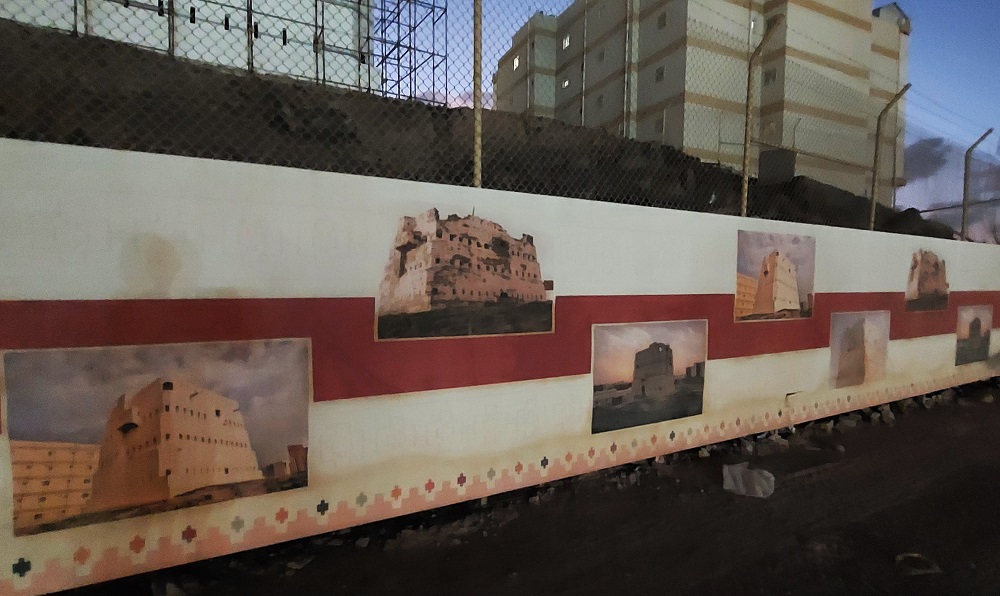
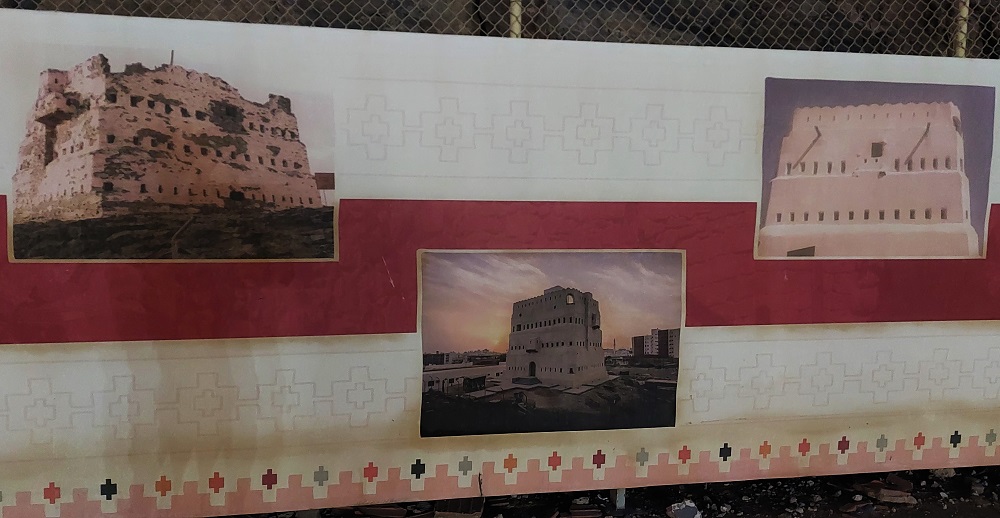
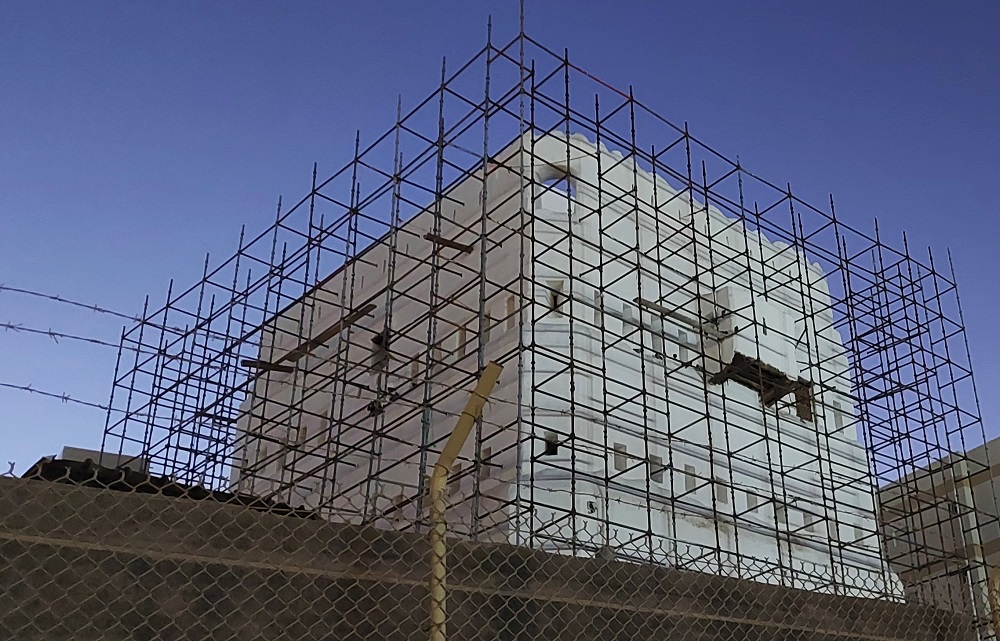
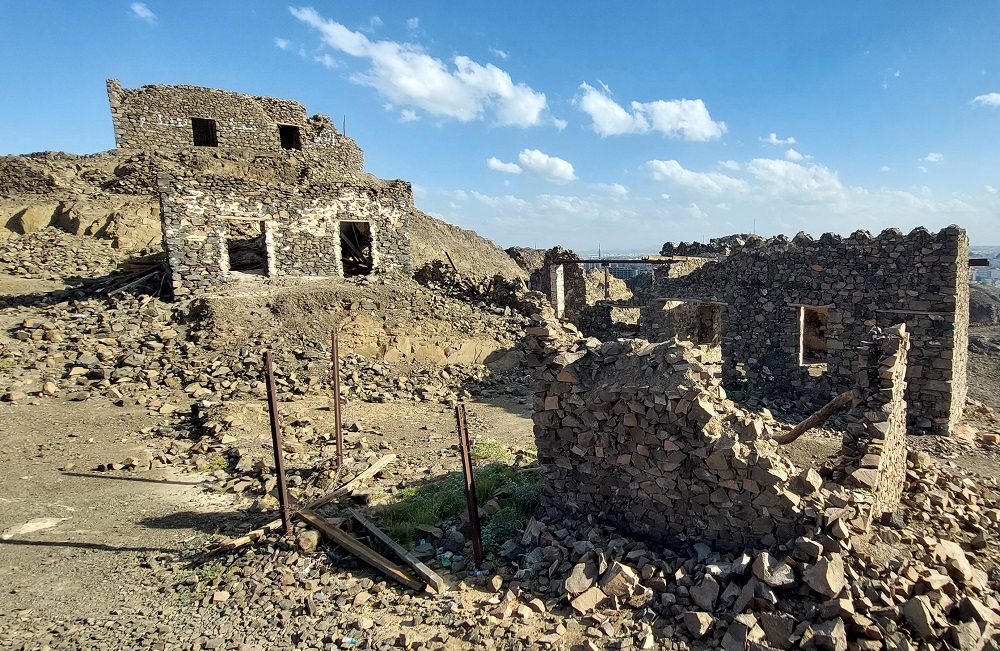
The Ottoman Fortress, located in Medina, Saudi Arabia, is a historic fortification built during the Ottoman Empire’s rule over the region. The fortress was constructed in the 18th century, specifically between 1740 and 1741, during the reign of Sultan Mahmud I.
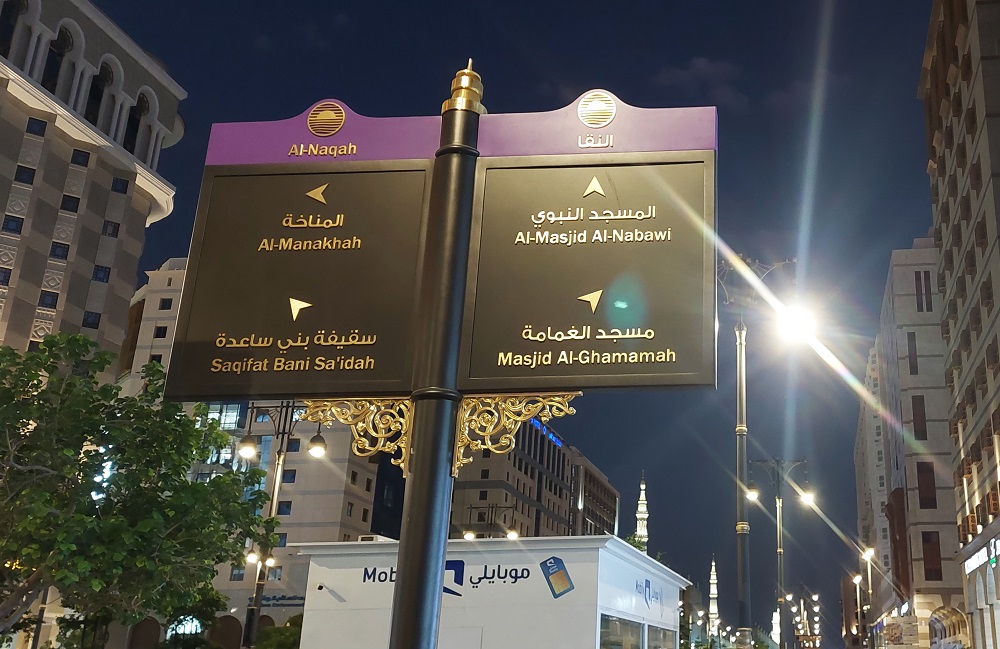
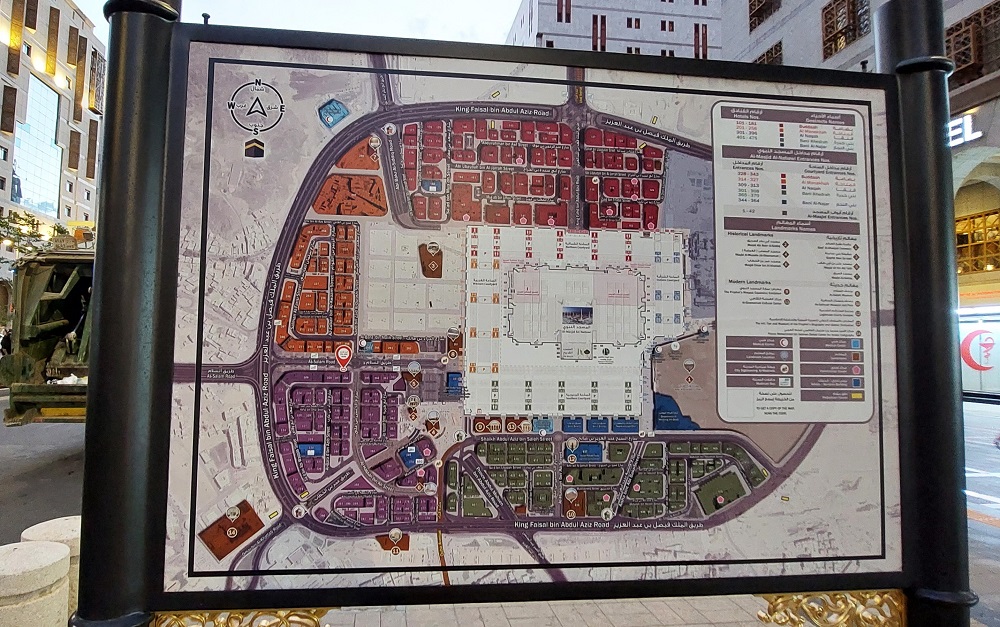
Medina is the second-holiest city in Islam, after Mecca. The city is home to the Prophet’s Mosque (Al-Masjid an-Nabawi), which contains the tomb of the Prophet Muhammad. Medina is a major pilgrimage destination for Muslims, who visit the city to pray and seek blessings.
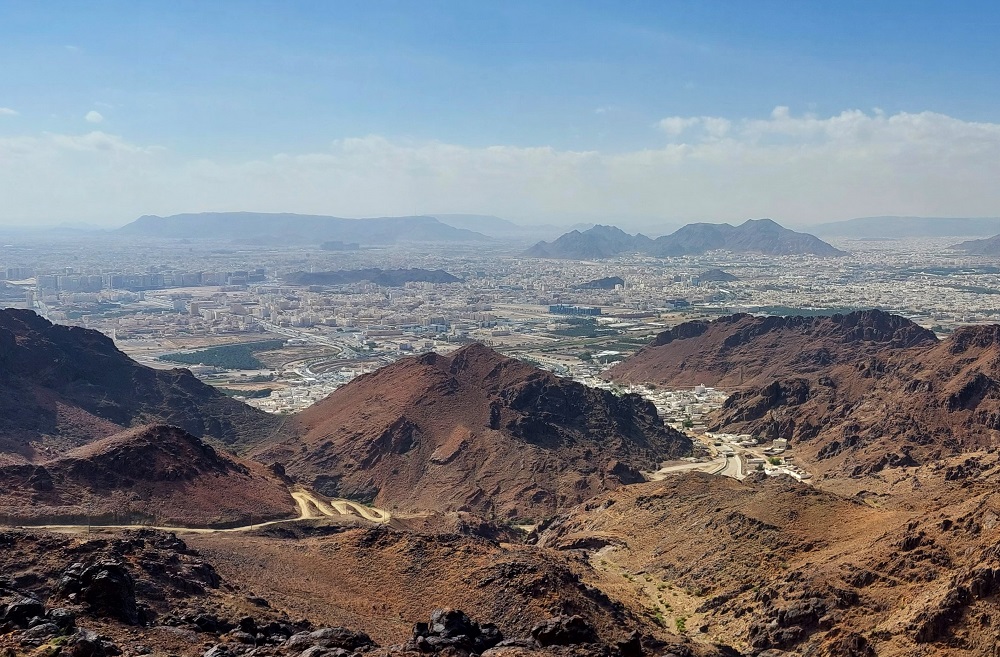
Uhud Mountain is best known for the Battle of Uhud, a pivotal event in Islamic history that took place in 625 CE. The battle was fought between the early Muslims, led by the Prophet Muhammad, and the Quraysh tribe of Mecca.
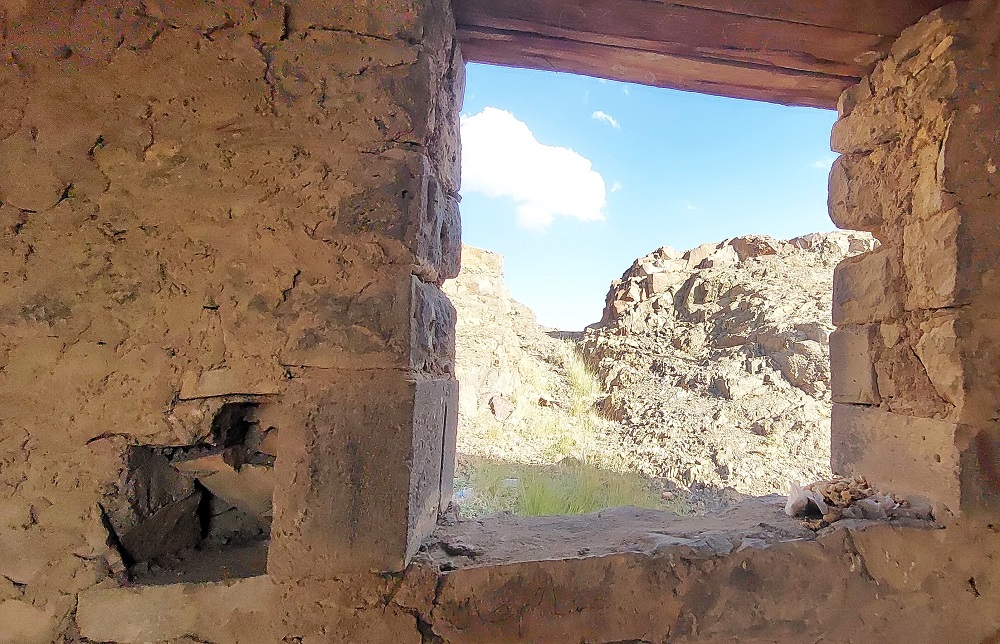
The Cave
JEDDAH
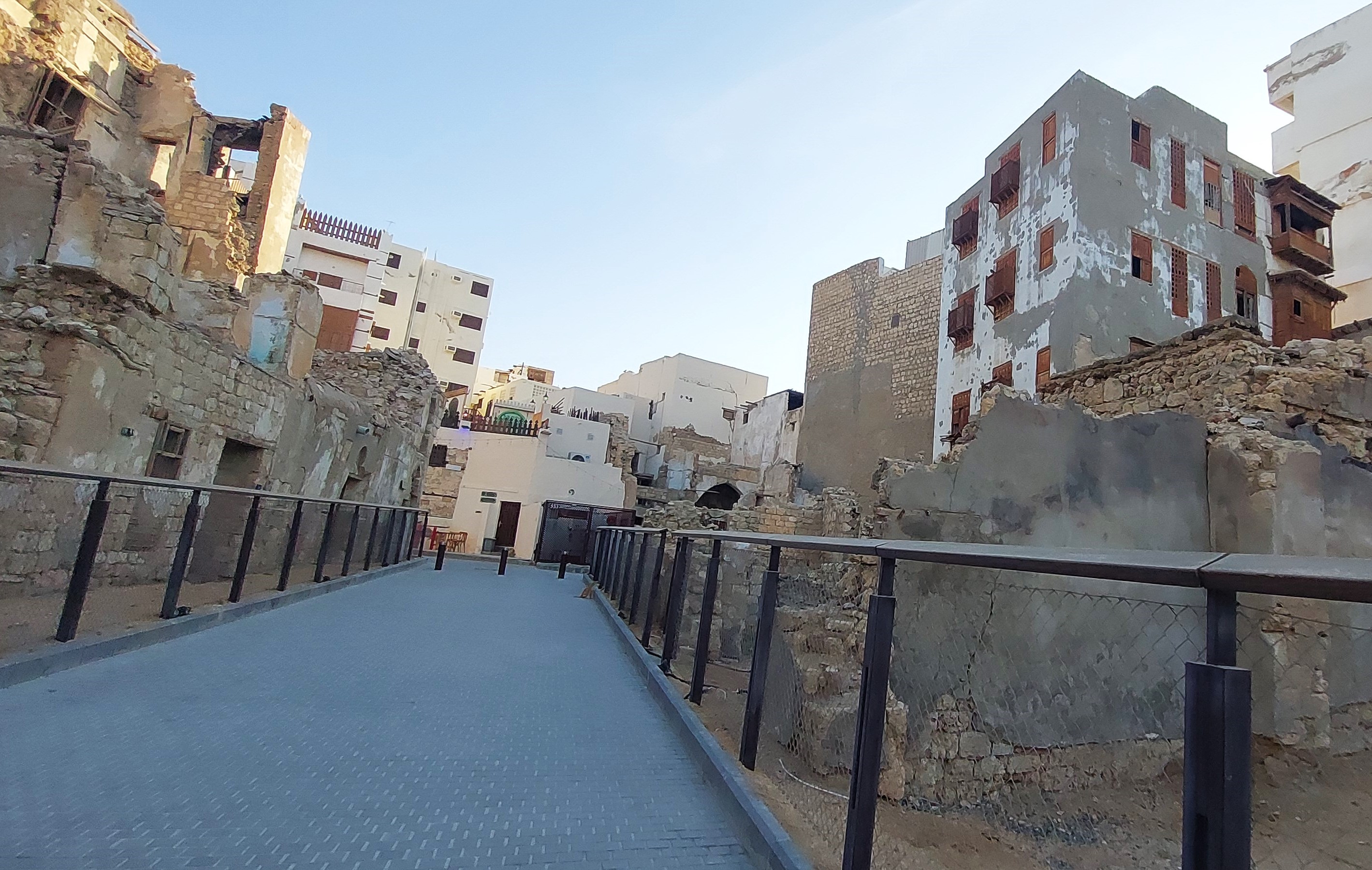
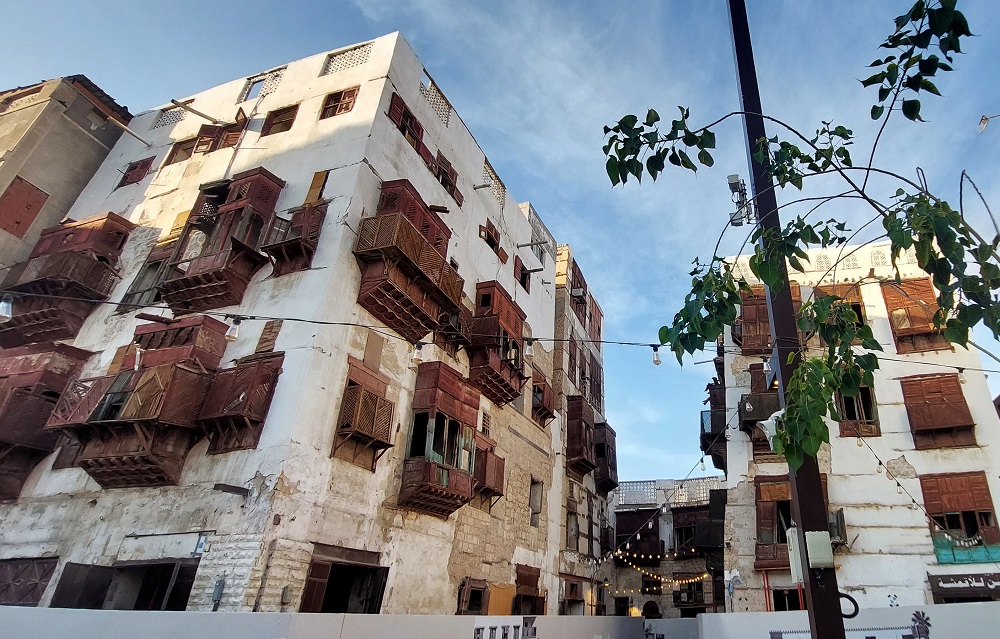
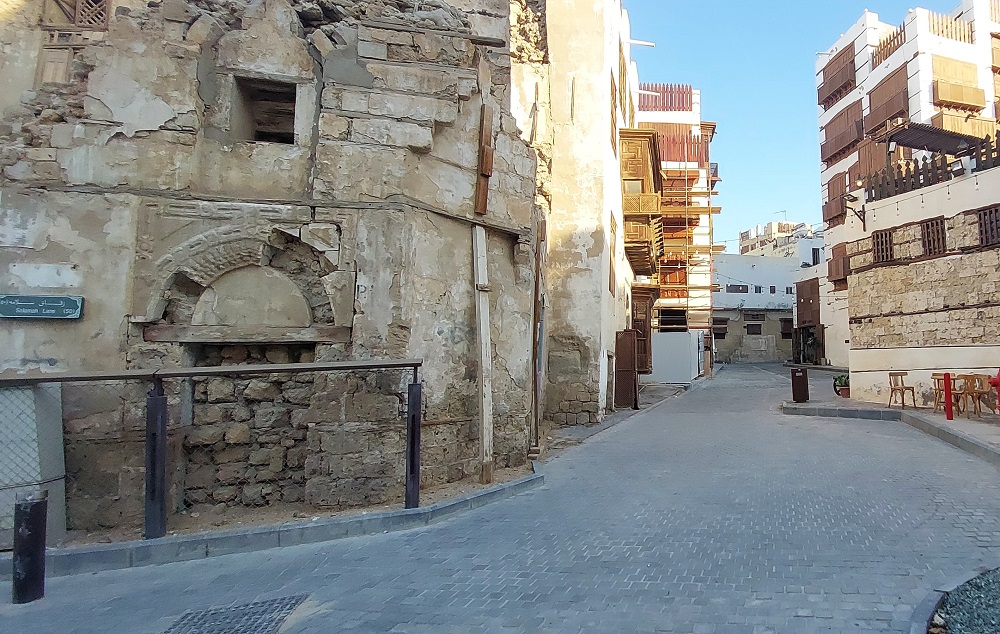
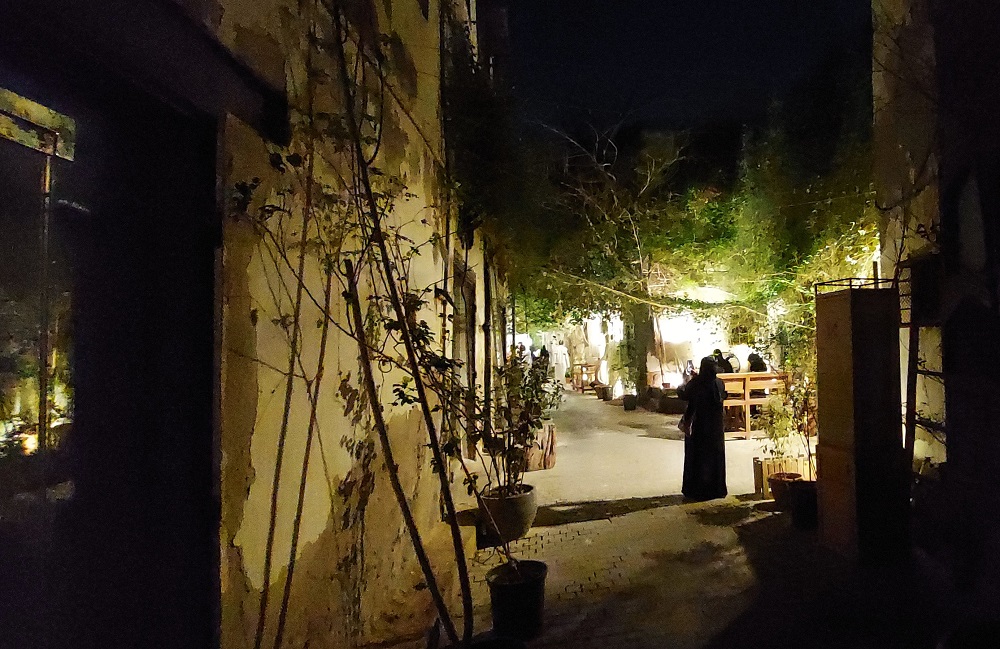
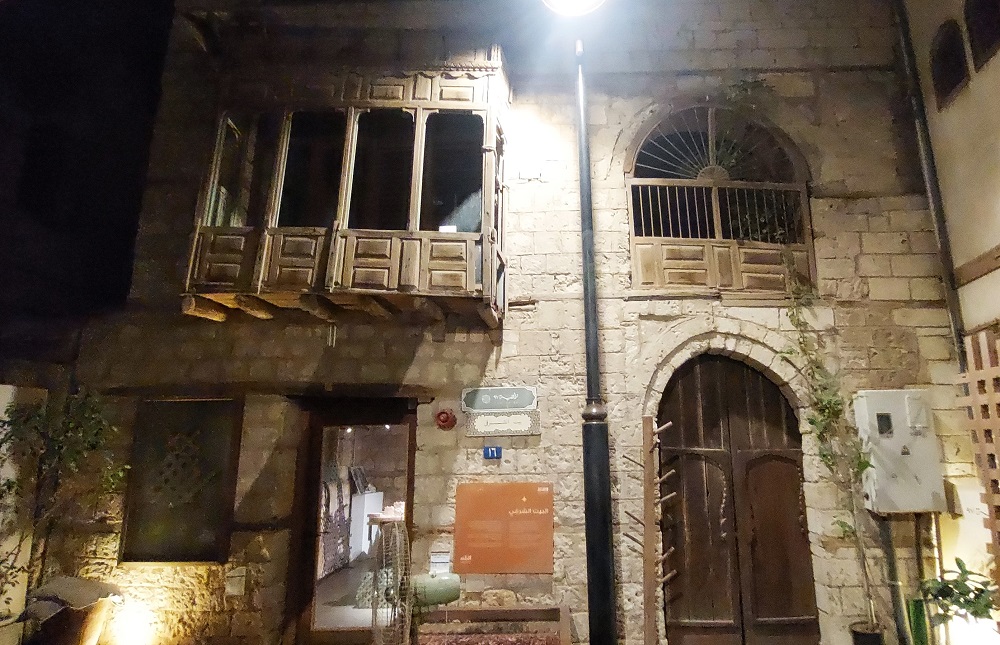
Jeddah Old Town, also known as Al-Balad, is a historic area in Jeddah, Saudi Arabia. Jeddah Old Town is characterized by traditional Hijazi architecture, with buildings made from coral and limestone.Jeddah Old Town is a treasure trove of history, culture, and architecture, offering insights into the city’s rich past and its significance in the Islamic world.
Jeddah’s Herbal Lane, also known as Souq Al-Atiqa, is a traditional market in the heart of the city. The market is famous for its wide variety of herbal remedies, spices, and traditional products. The market has been a hub for herbalists and traders for centuries, offering insights into local customs and remedies.

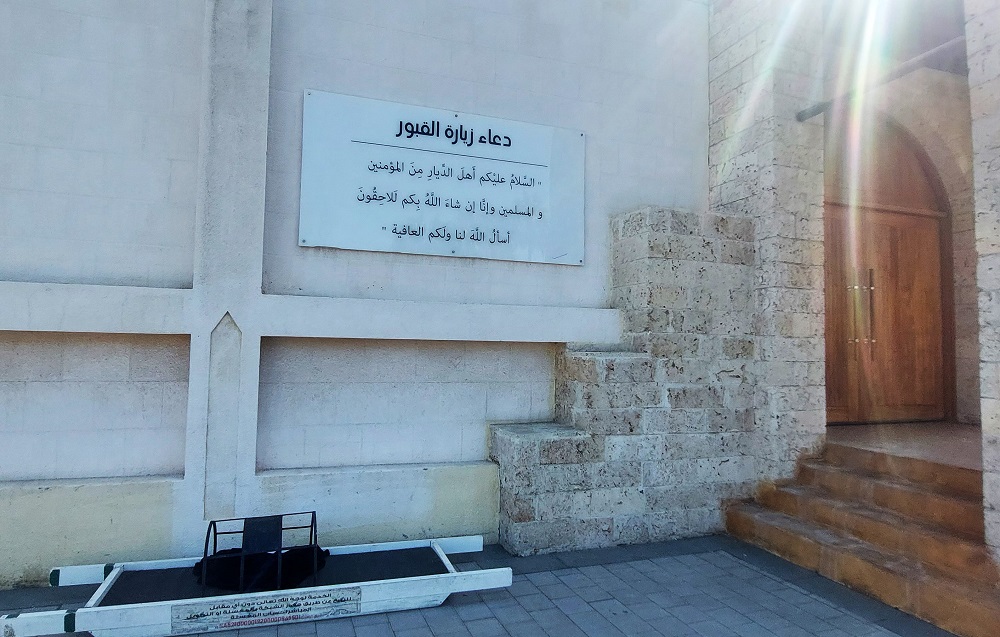
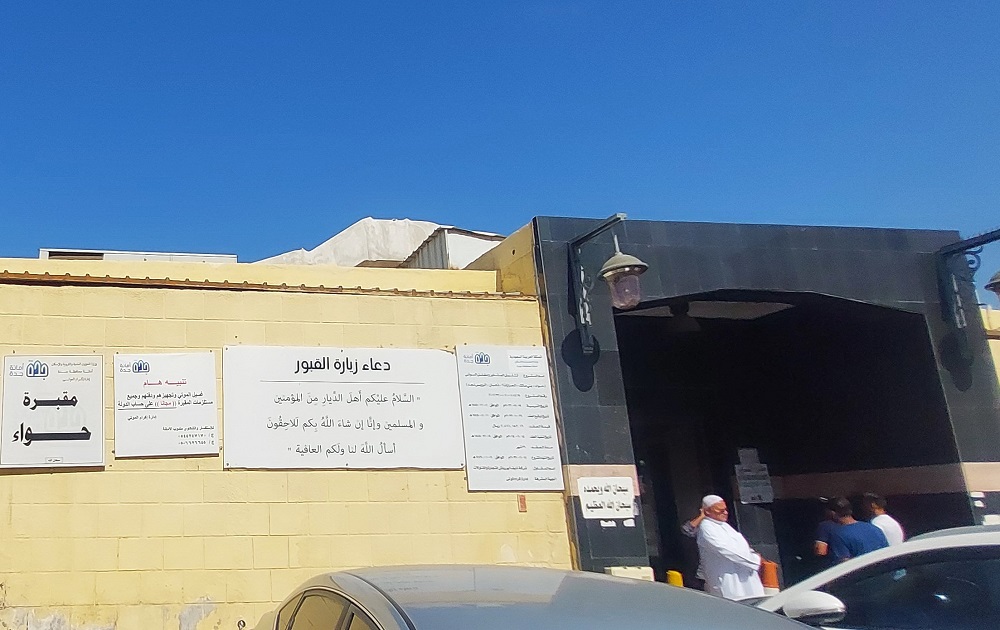
Eve’s Tomb in Jeddah, Saudi Arabia, is a site believed by some Muslims to be the burial place of Eve, the wife of Adam. The tomb’s history dates back centuries, with various accounts and descriptions provided by historians and travelers. Ibn al-Faqih al-Hamadani, an Arab geographer, mentioned the tomb in the 9th century. Ibn Jubair, a wandering Arabic poet, described a tall and ancient dome in the 12th century, believed to be Eve’s refuge. Richard Francis Burton published a plan of the tomb in 1857, describing it as a special room over 130 meters long. Émile-Félix Gautier estimated the tomb’s length to be around 130 meters, while British Acting Consul S.R. Jordan described it as 200 yards long and 4 yards wide with a small mosque at its center. Eve is considered the grandmother of humanity in Islamic tradition, and the city’s name “Jeddah” is believed to mean “grandmother” in Arabic.
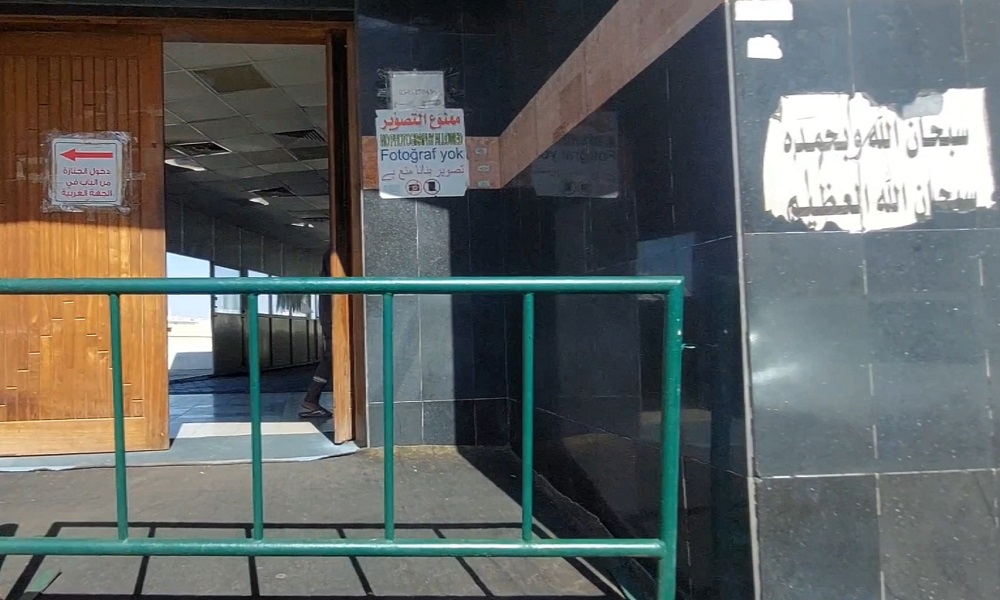
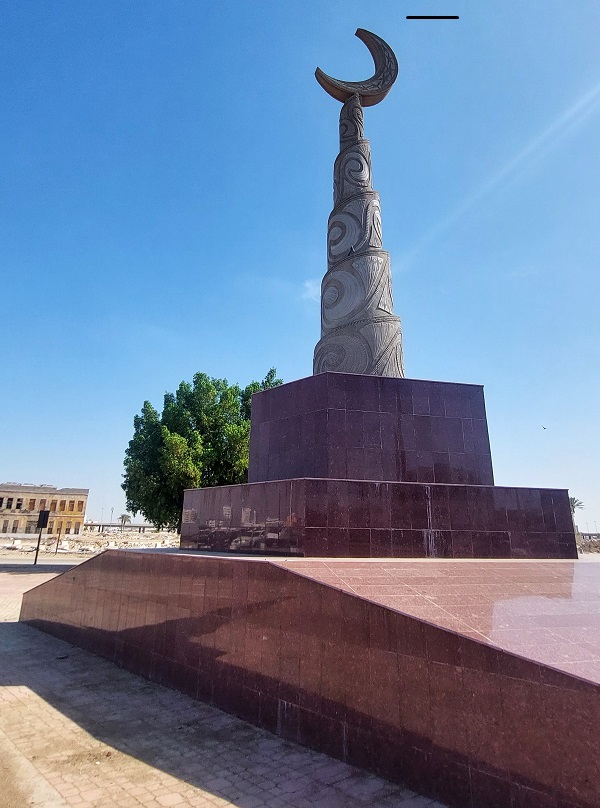
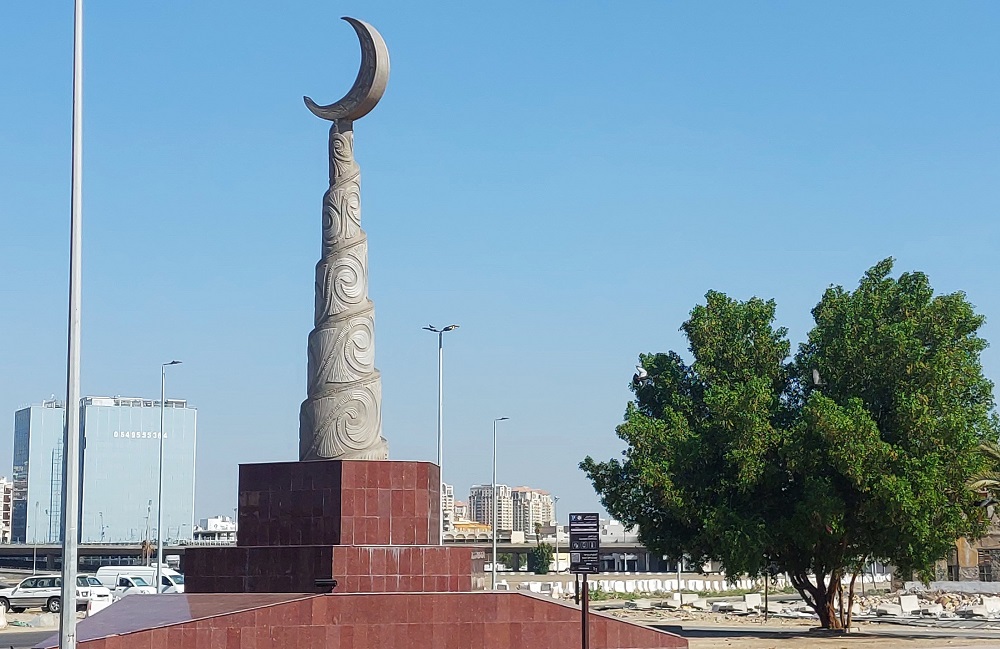
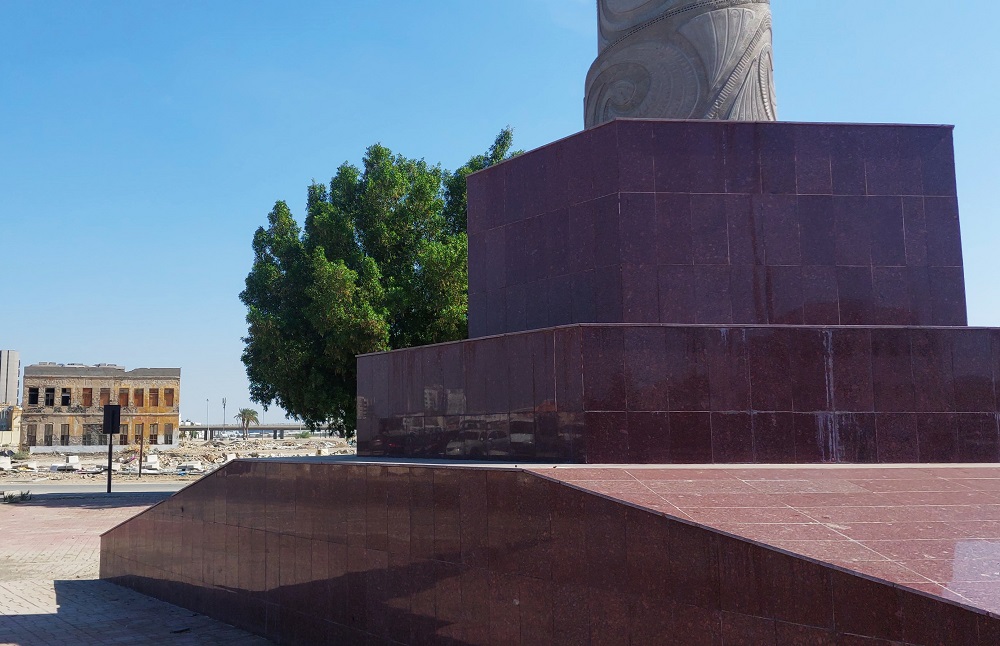
The Crescent Square
Faisal Batweel’s House

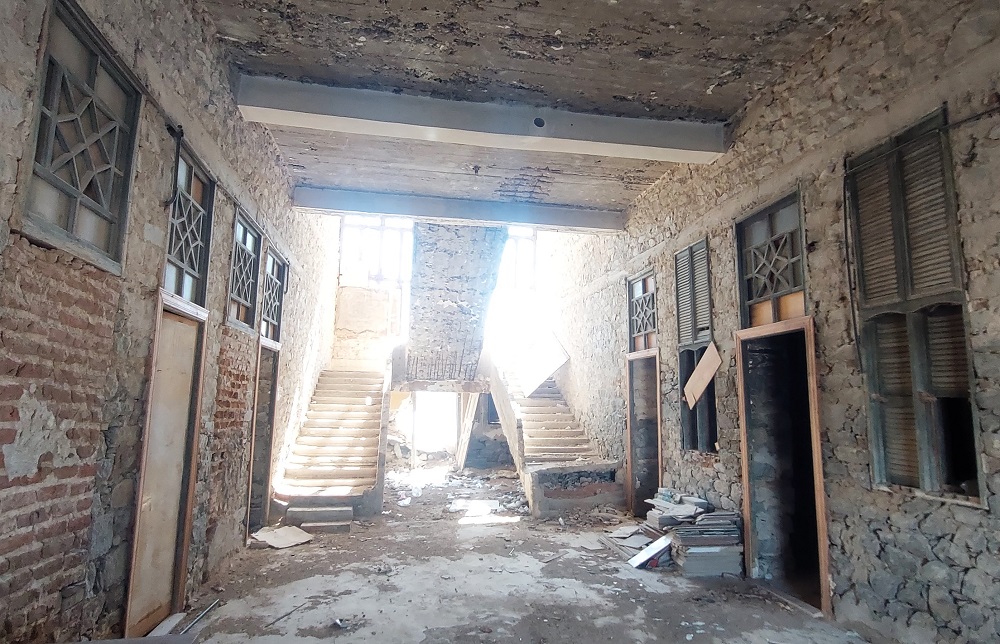
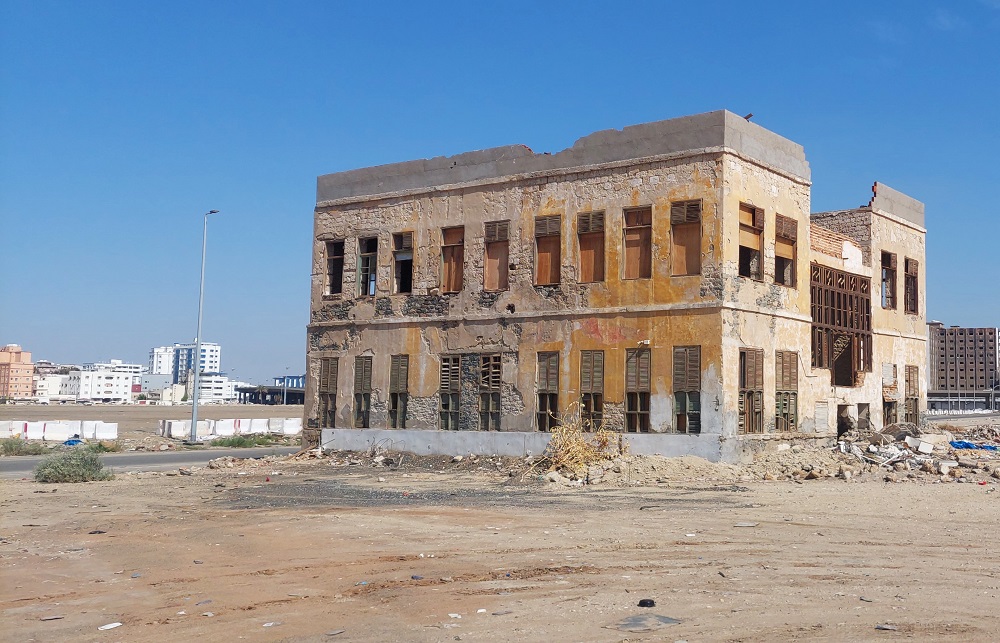
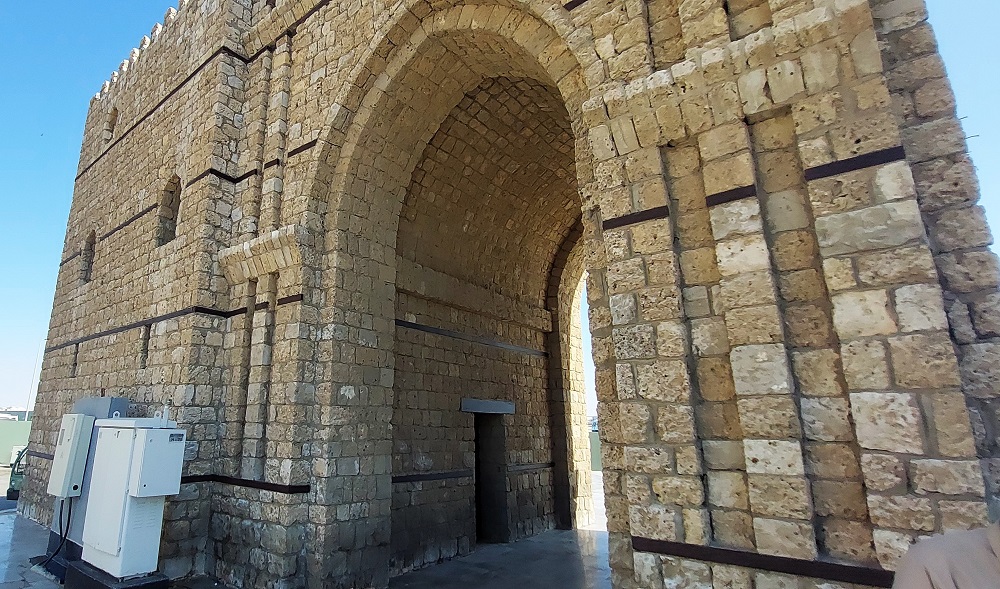
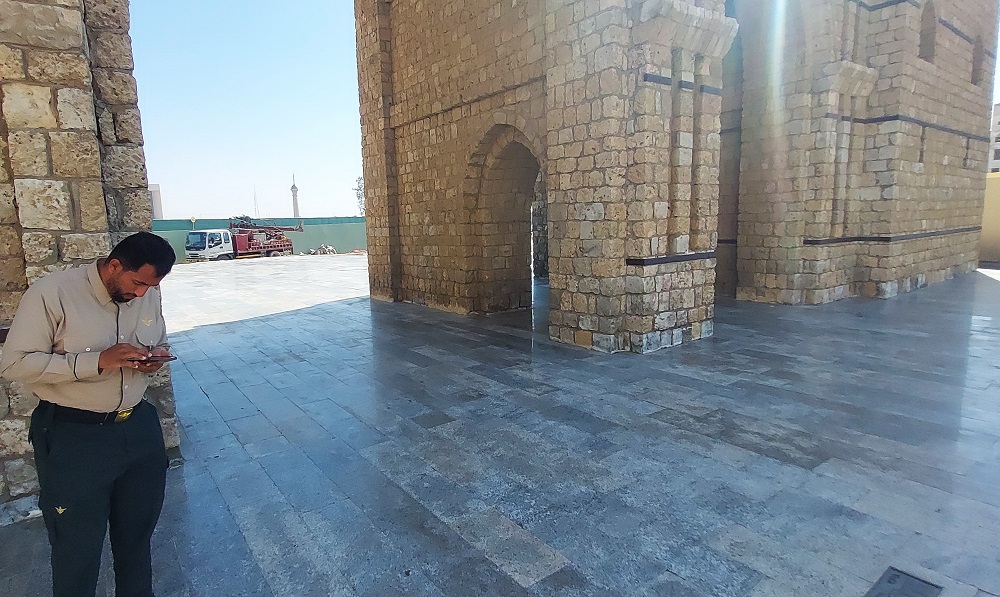
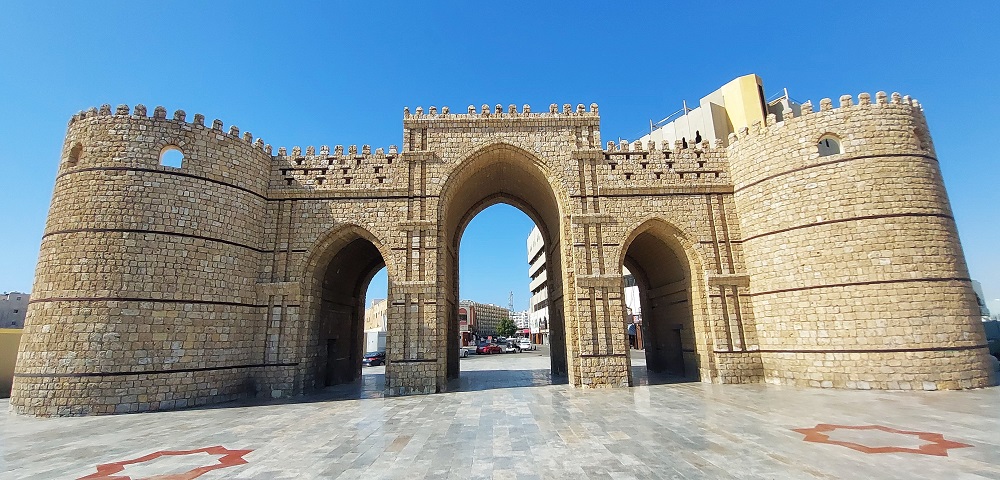
Bab Makkah, also known as Makkah Gate, is a historic landmark in Jeddah, Saudi Arabia. This ancient gate stands at the start of the road leading to the holy city of Makkah and has witnessed billions of pilgrims pass through it over the centuries. Bab Makkah is one of the oldest standing structures in Jeddah, dating back to the city’s early days as a fishing village and fort.
 Frog on the border