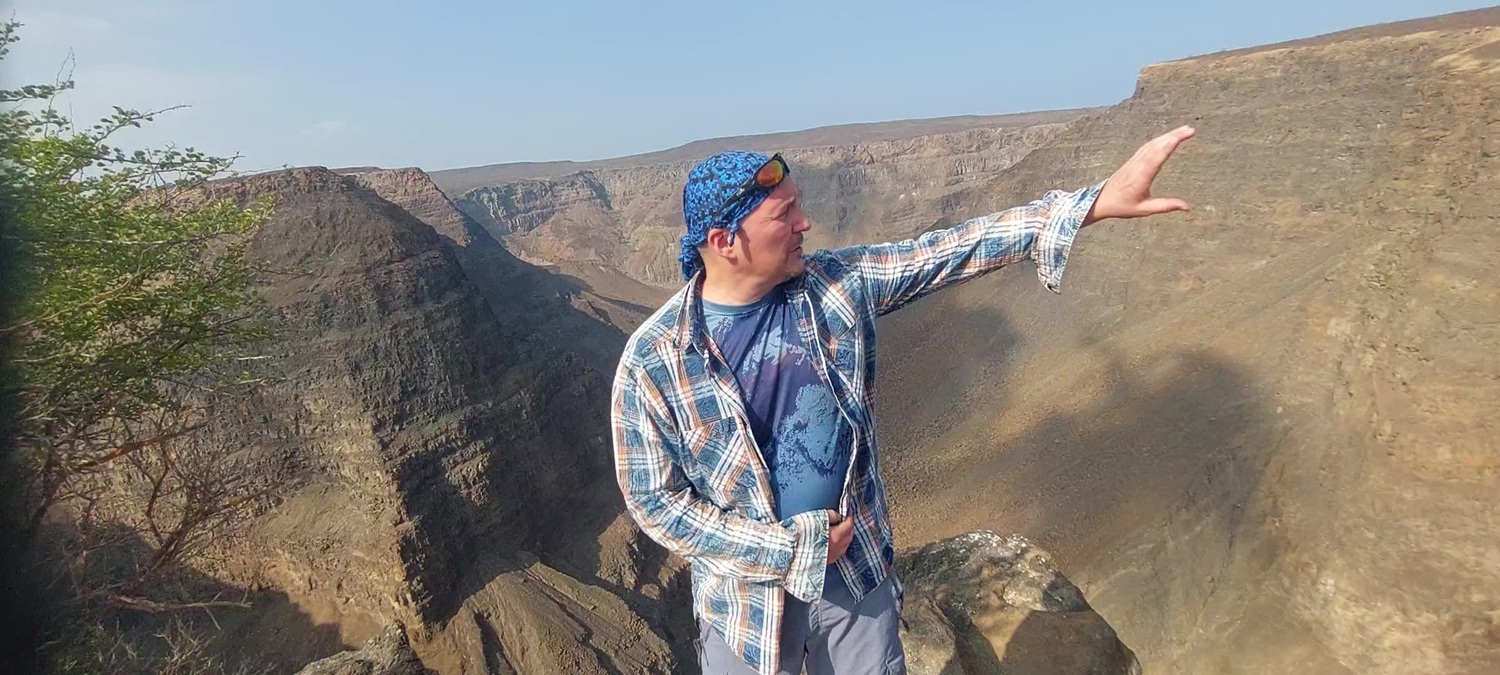
In the kingdom of Eswatini, the air in the high Lubombo Mountains is often thick with mist. But if you follow my local guide—a man with the sharp mind of a modern businessman and the heart of a storyteller—you’ll find that the true heat of the country isn’t in the sun, but in the furnaces and the roasteries.

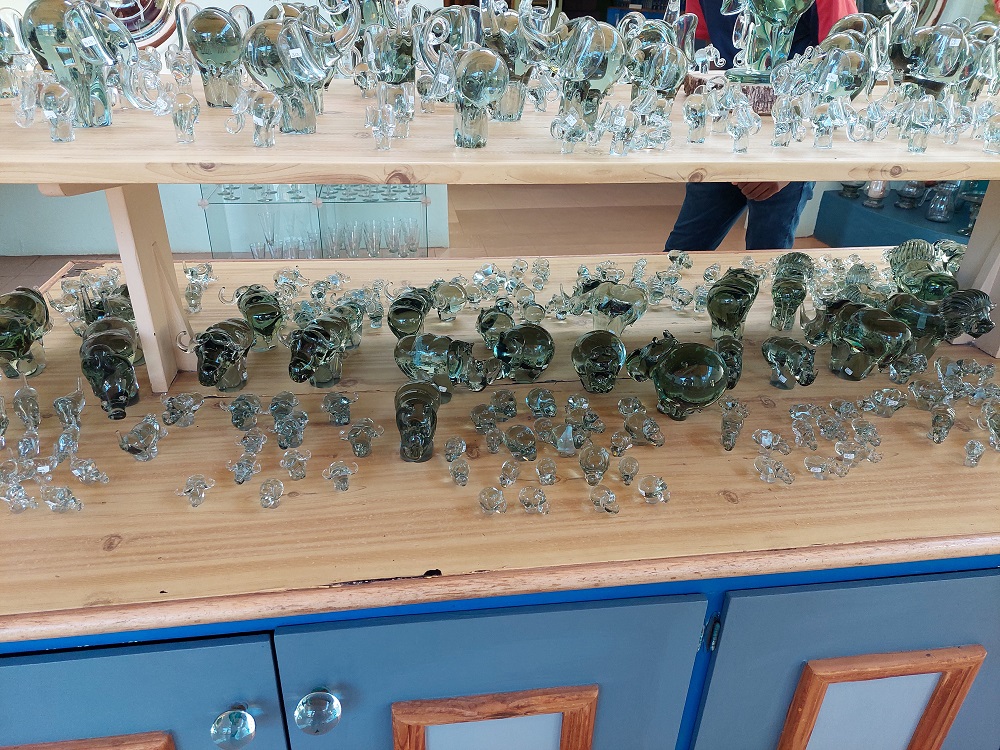
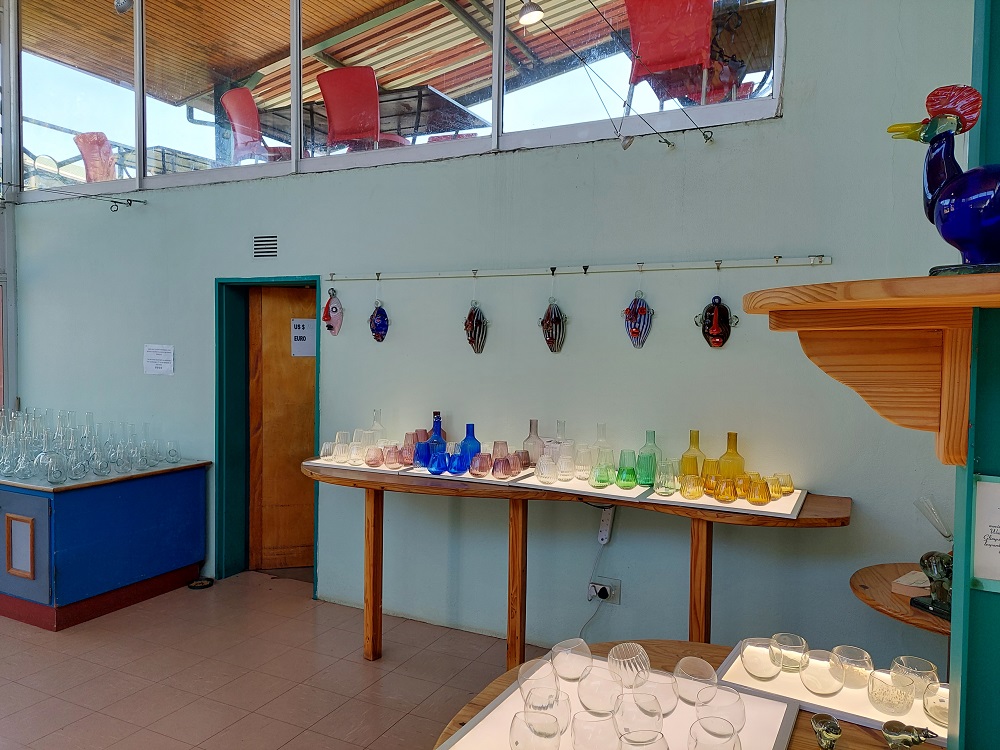

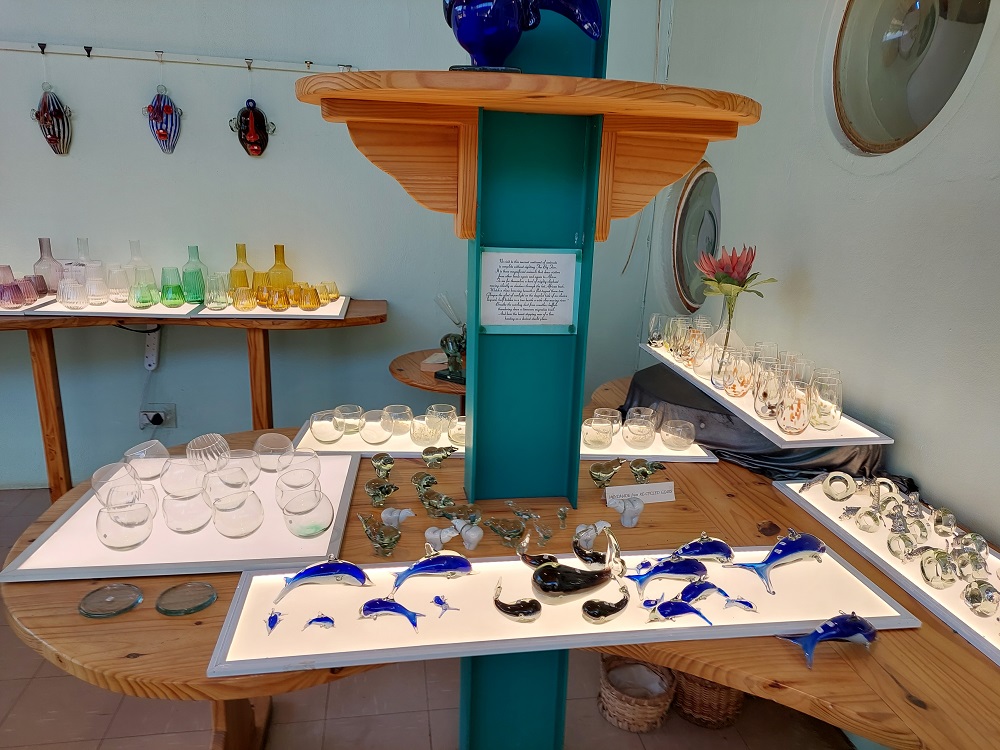
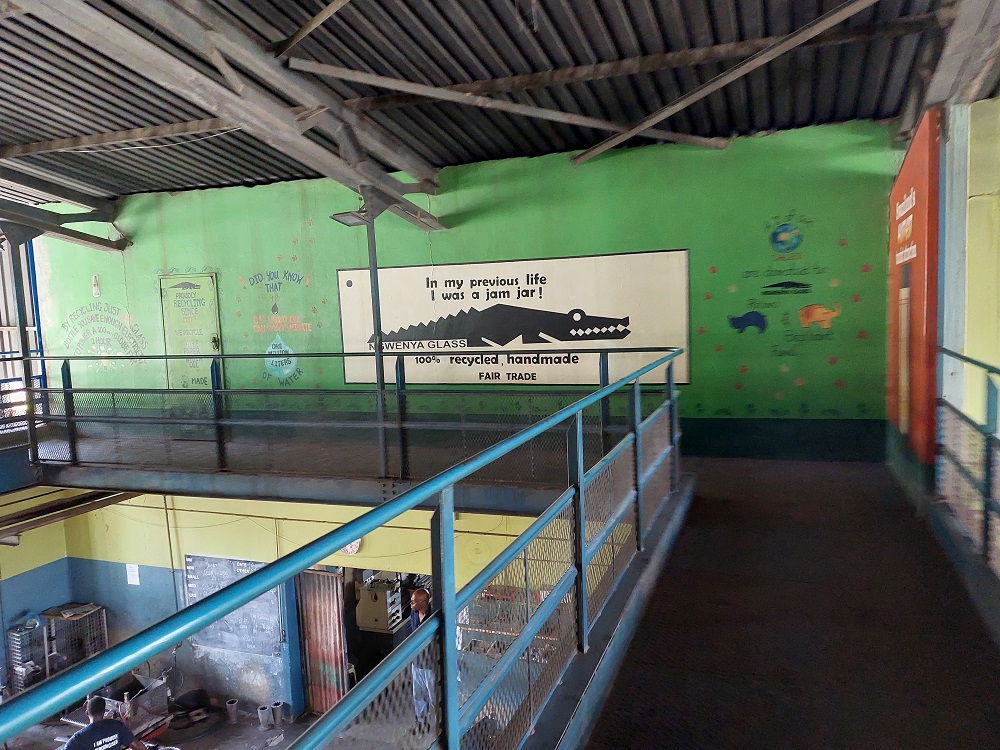
Standing inside the Ngwenya Glass Factory is a system shock. The air hums with the roar of furnaces burning at a staggering 1,100°C. But here is the “Anomalous Fact”: those fires aren’t fueled by coal or gas. They run on recycled cooking oil—mostly collected from local KFCs and fast-food outlets—and the glass being melted isn’t raw sand, but old beer and soda bottles gathered by children and communities across the kingdom.
I watched the “Gaffers” (master glassblowers) move with a rhythmic, dangerous grace. Sibusiso, one of the veterans, was trained in Sweden back in the 70s—a bizarre historical glitch resulting from a chance meeting between Eswatini and Swedish diplomats at the UN. Watching him blow molten, orange liquid into a delicate African elephant is a lesson in extreme labor. Every piece is a “breath of life” born from sweat and recycled waste.
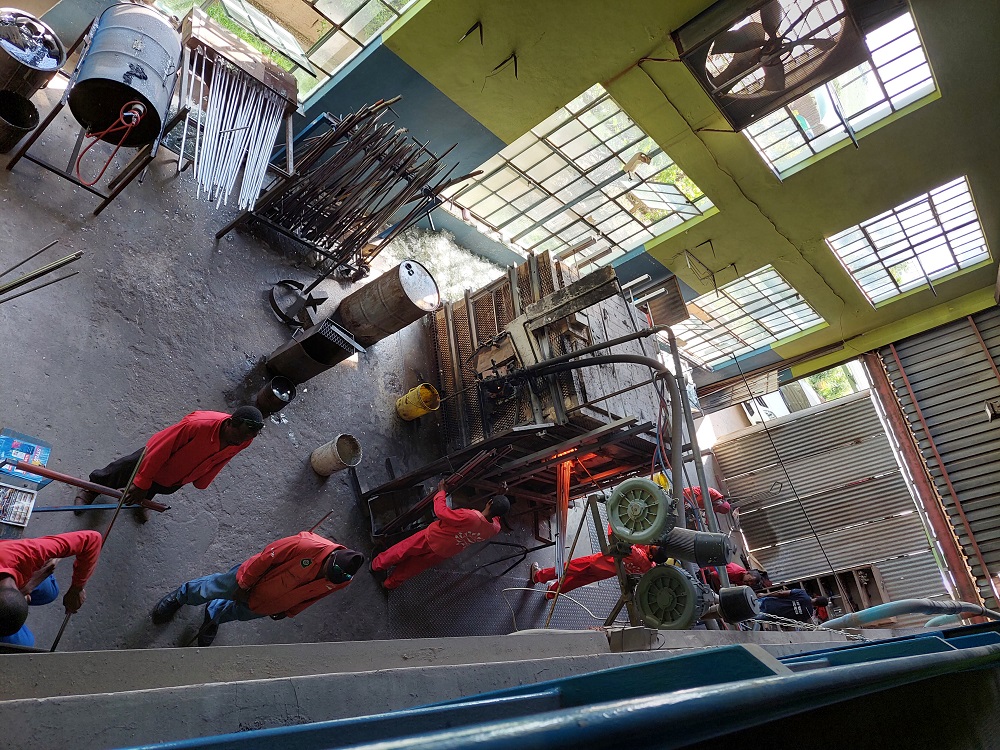
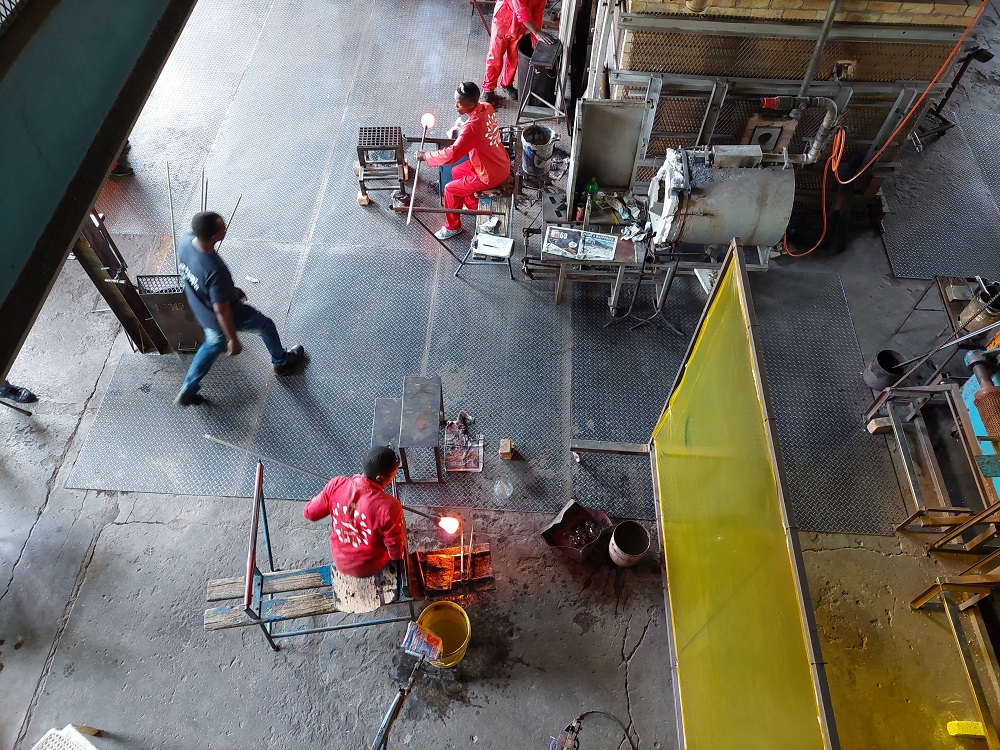
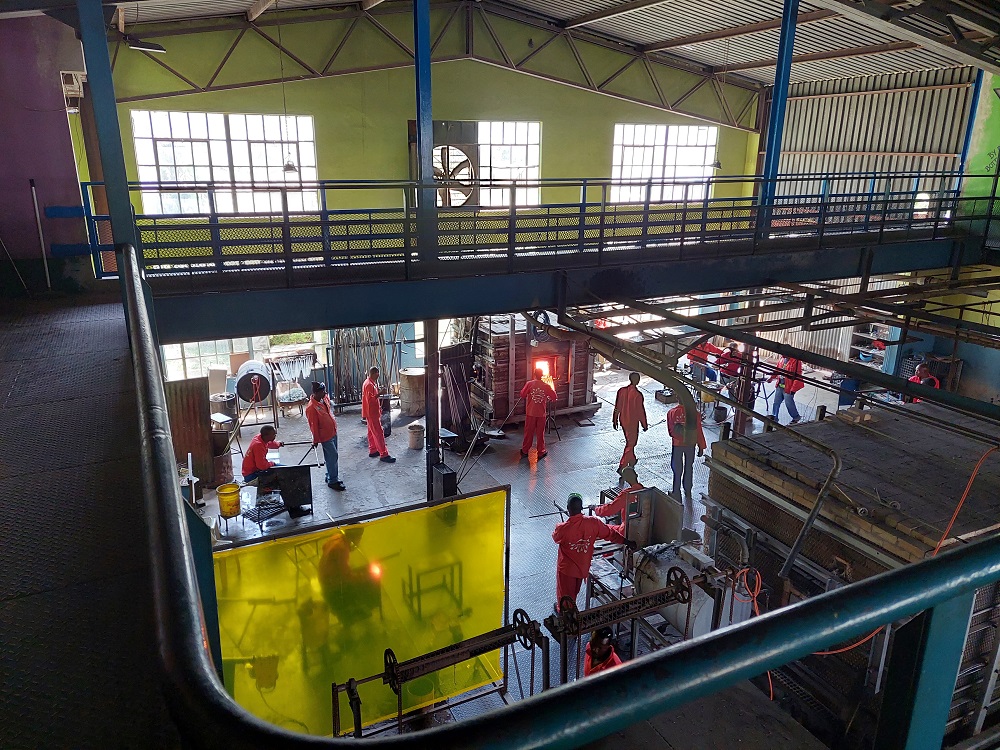

Walking from the factory floor into the Showroom is like crossing a border into another dimension. The noise and heat vanish. You are surrounded by thousands of translucent, shimmering works of art—vases, wine glasses with a slight green recycled tinge, and intricate wildlife sculptures.
It is a masterpiece of the Circular Economy. What was once a discarded bottle on the side of a road is now a high-end product sold on seven continents. My guide pointed to a glass rhino: “This is how we protect our borders,” he said, explaining that a percentage of every sale goes to the Ngwenya Rhino & Elephant Fund. Here, business isn’t just about profit; it’s about preserving the very landscape that inspires the art.
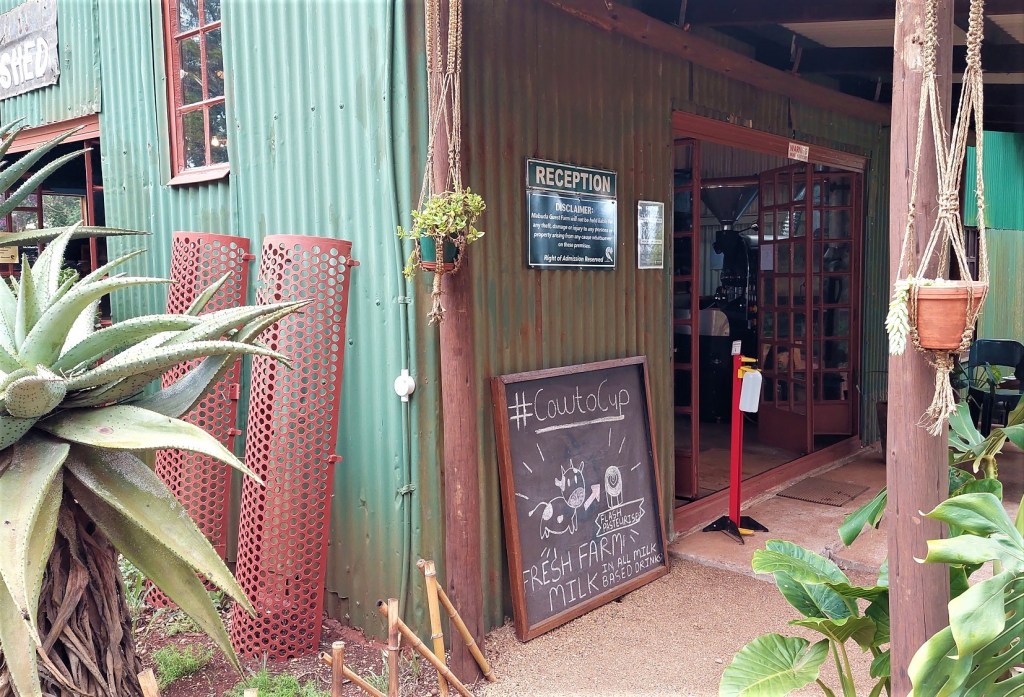
From the fire of the glassworks, we climbed into the cool heights of Siteki to visit Mabuda Farm (the “Place of Dreams”). This farm has been in the same family since the 1930s, but it’s currently the site of a quiet revolution.
My guide, an aspiring businessman who knows the “chemistry” of a good bean as well as the economics of the region, led me through the coffee nurseries.
- The Strange Fact: While most of the world associates coffee with Ethiopia or Brazil, the unique micro-climate of the Lubombo Mountains—with its volcanic soil and misty canopy—produces a bean with a profile you won’t find anywhere else.

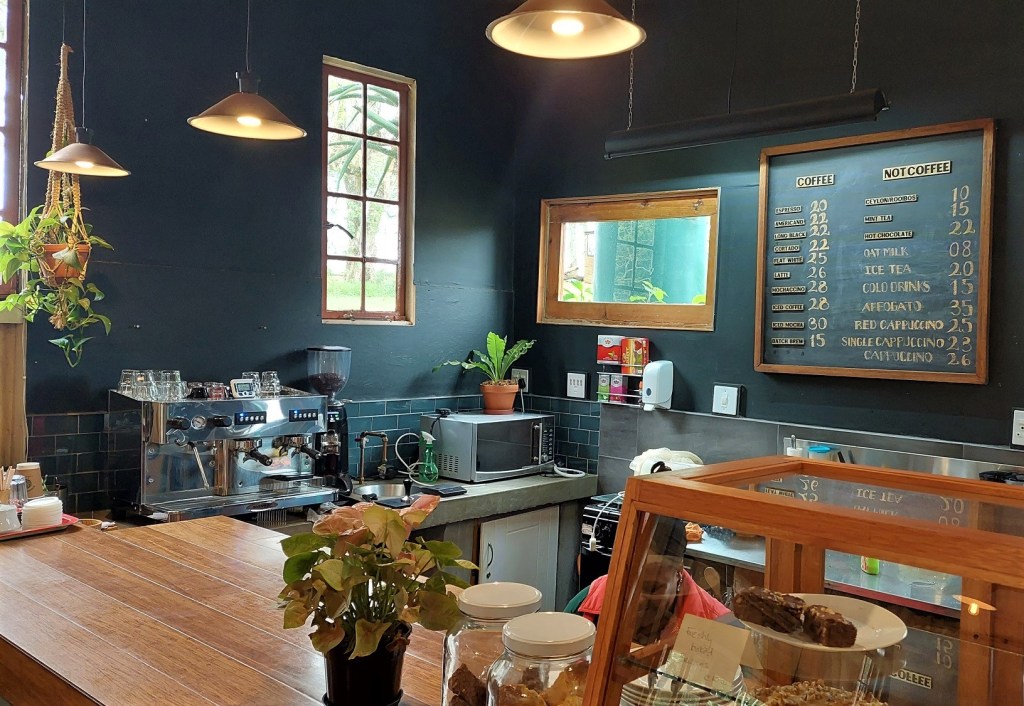
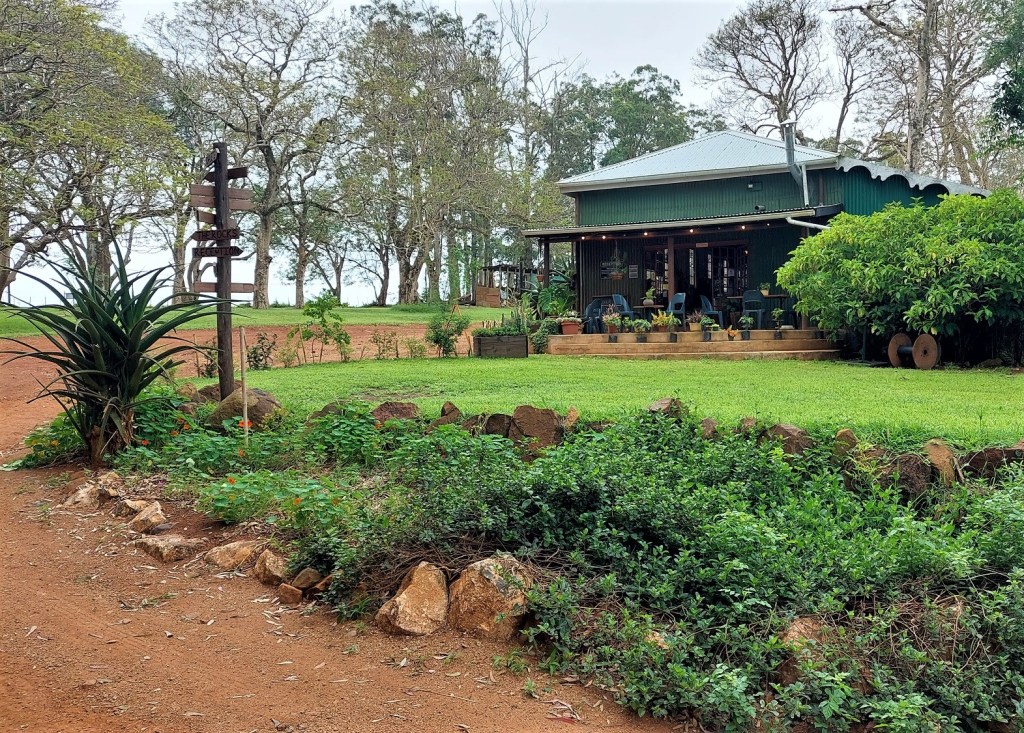
We ended the day at The Green Shed, the farm’s roastery and social hub. As we tasted a fresh brew, my guide didn’t talk about “charity” or “aid.” He talked about market penetration, barista training, and the 2026 coffee trends. He is part of a generation that sees Eswatini not as a landlocked “tiny” nation, but as a boutique powerhouse.
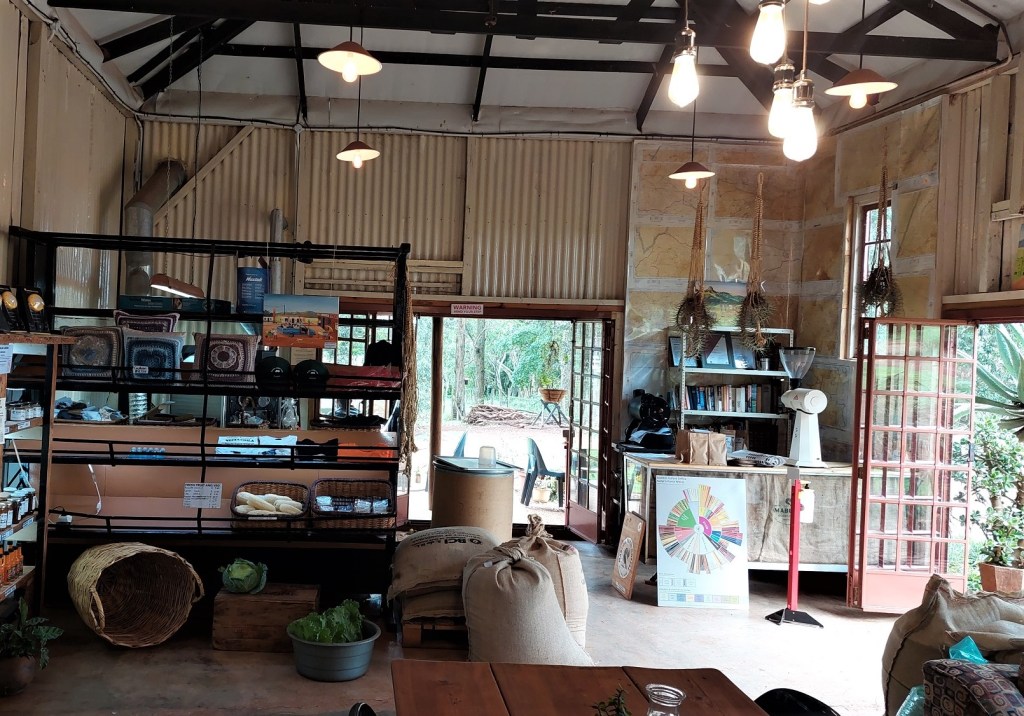
Walking into the farm shop after a day in the Eswatini sun feels like a cooling ritual. The building—a converted farm shed—retains its high timber rafters and corrugated iron soul, but inside, it has been transformed into a gallery of texture. The air is heavy with two distinct, intoxicating scents: freshly roasted Arabica beans and cured leather.
My local guide, always looking at the “business of art,” pointed out that nothing in this room is mass-produced. Every item on the shelves represents a “Mental Border” crossed—where traditional skills have been elevated into luxury goods.
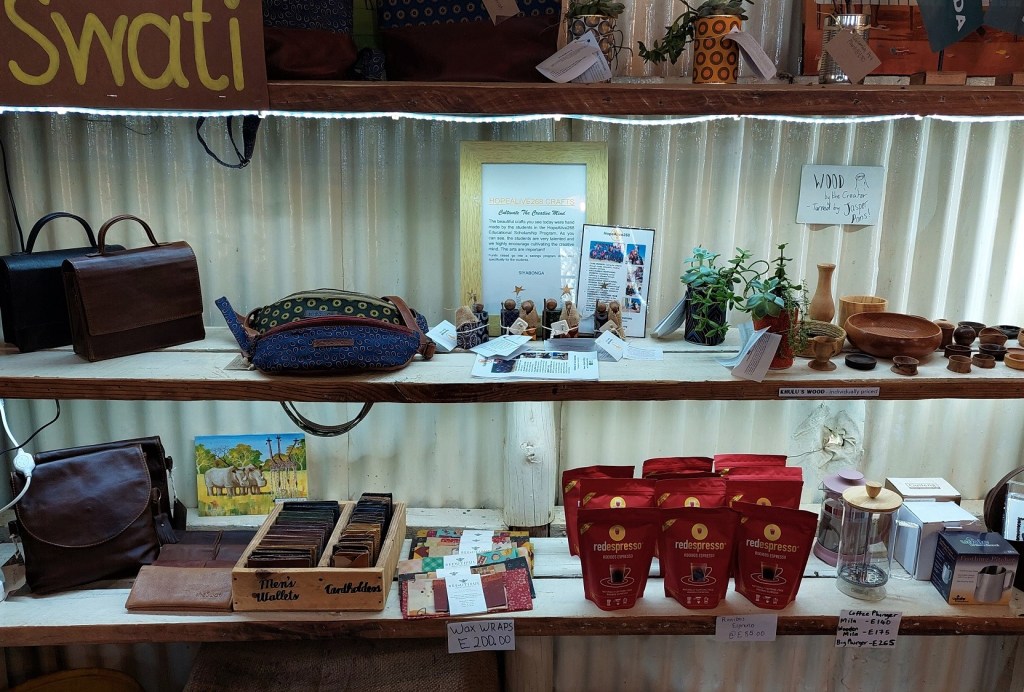
While the coffee is the heart, the “soul” of the shop is found in the local craft arts on display. These aren’t your typical roadside souvenirs; they are high-end artifacts:
- Gone Rural Weaving: I saw incredible floor mats and baskets woven from Lutindzi grass, harvested from the very mountains we had just climbed. The women who weave these use traditional Swazi techniques but apply modern, geometric patterns that would look at home in a London penthouse.
- Baobab Batik & Textiles: Hanging from the rafters were hand-dyed fabrics featuring the “Tree of Life.” The colors are extracted from local roots and barks, creating a palette of deep ochre and burnt sienna that matches the soil of the coffee farm.
- The Tintsaba Silver & Sisal: My guide showed me jewelry that combined fine silver with hand-woven sisal fibers. It’s a literal “Boundary” piece—half-industrial metal, half-organic plant. It represents the delicate strength of the Eswatini people.
- Quirky Upcycled Metal: Scattered among the elegant glass were small, “Anomalous” sculptures—animals made from spark plugs and scrap metal, a playful nod to the industrial grit of the glass factory we visited earlier.
We often travel looking for “tradition,” but the most exciting thing in Eswatini is the innovation.
Whether it’s turning old cooking oil into glass art or transforming a colonial-era farm into a specialty coffee empire, the boundaries here are being redrawn by people who work in the heat and plan in the mist. My guide isn’t just a local showing me the sights; he is a bridge to an Africa that the “indoctrinated” Western media rarely shows: an Africa that is sustainable, entrepreneurial, and incredibly hardworking.
At the back of the shop, the coffee farm’s business side takes center stage. You see the bags of Mabuda Gold beans, but next to them are the “tools of the trade”: hand-carved wooden coffee scoops and ceramic mugs fired in local kilns.
My guide explained the “So What?” of this space: “When a traveler buys a bag of coffee here, they aren’t just buying beans; they are buying the labor of the pickers, the skill of the weavers who made the basket it sits in, and the vision of the farmer.”
If you visit the Green Shed, don’t just look at the price tags. Look at the hands. The same calloused hands that pick the coffee cherries are often the same ones weaving the Lutindzi grass. In Eswatini, art and labor are the same language.
 Frog on the border