There’s something truly electric about standing on ground where the world changed forever. Looking back at the timeline of my own life, I realize I’ve been tracing the heartbeat of democracy in reverse. My journey began in the bustling, history-heavy streets of Philadelphia back in October 2003, and it led me, twenty-three years later, to the rain-swept, quiet meadows of Runnymede. It isn’t just dry history from a textbook; it’s a living, breathing saga that I’ve experienced firsthand, piecing together the origins of our liberty one historic site at a time.


The Experiment Catches Fire: Philadelphia (October 2003)
Flash back to October 2003: the air in Philadelphia was crisp, the energy was palpable, and I found myself standing in the absolute belly of the beast: Independence Hall. Stepping inside those hallowed halls, I was struck by how small the rooms actually felt, given the massive, world-altering weight of the decisions made within them.


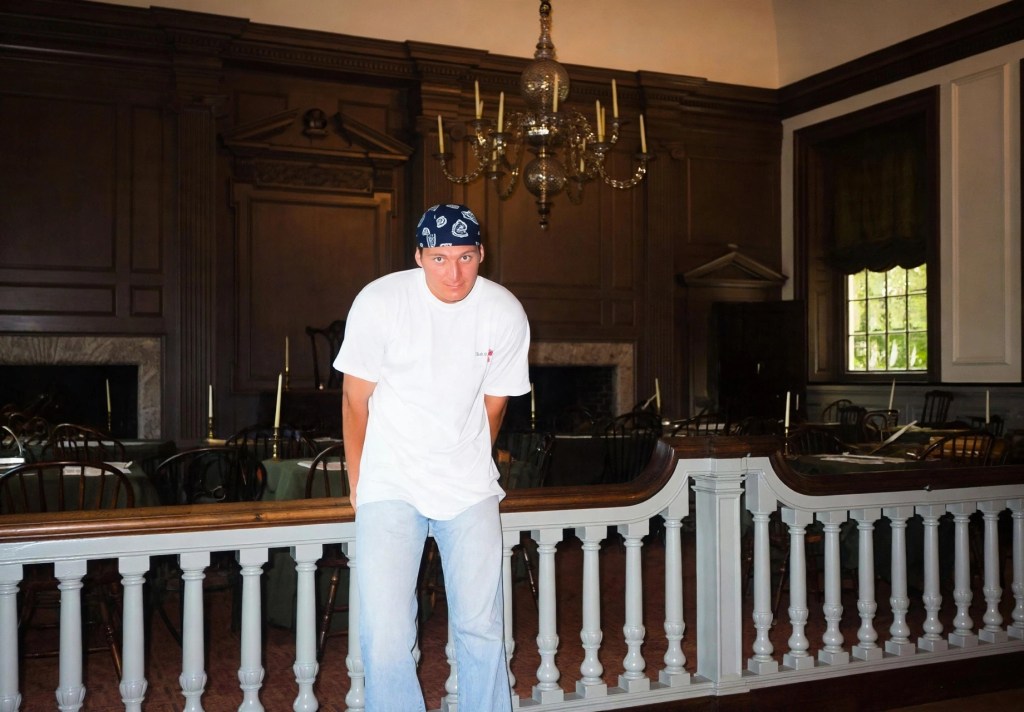
The atmosphere in that room was deeply reverent, defined by rich, dark wood paneling, elegant chandeliers, and sturdy furniture that seemed suspended in time. Leaning against the original railings, I could almost hear the echoes of 1776, where delegates of the Continental Congress engaged in the dangerous, world-altering debates that birthed the United States.

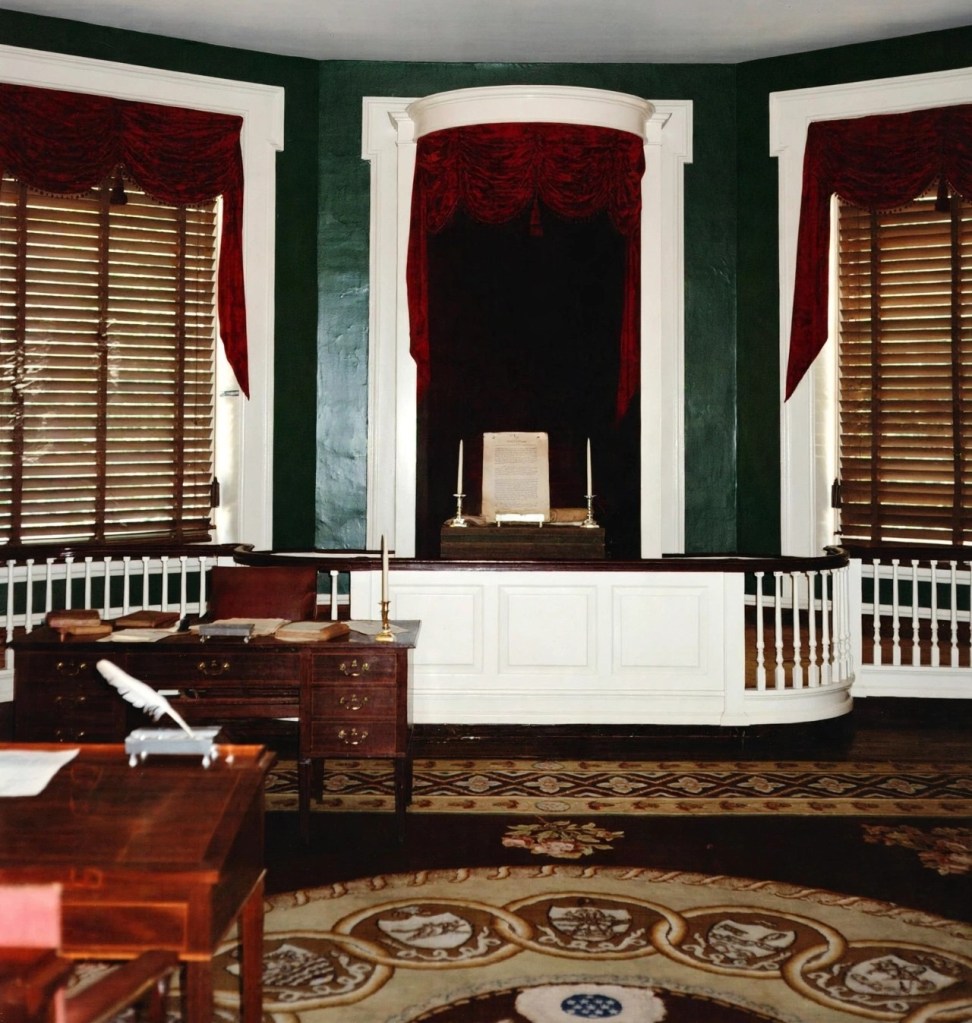
The room I also visited is arguably the most significant architectural space in the American narrative, serving as the setting where the very foundation of the United States was forged. It was here, within these walls, that the Continental Congress engaged in the high-stakes, dangerous debates of 1776 that ultimately led to the adoption of the Declaration of Independence. The atmosphere is thick with a sense of solemnity; the clean lines of the wooden dais, the symbolic eagle presiding over the assembly, and the carefully preserved period furnishings ground you in the gravity of the moment when the delegates chose to break from the British Crown.
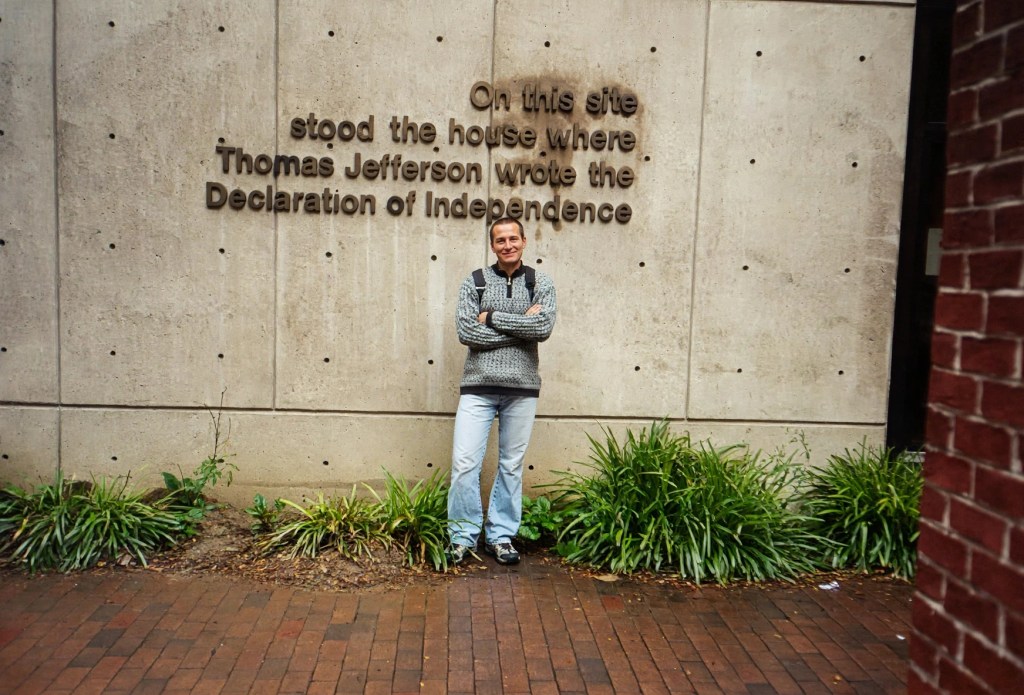
While I was there, I also made it a point to visit the rooms where Thomas Jefferson stayed while drafting the Declaration of Independence. Walking through those spaces—seeing the very rooms where he wrestled with the language that would define a nation—was incredibly grounding. It wasn’t just a clinical political act; it was a deeply personal, intellectual struggle. Jefferson was essentially drafting a “breakup letter” to the British Crown, and standing in those same quarters, you gain a sense of the sheer, terrifying boldness required to commit such an act.
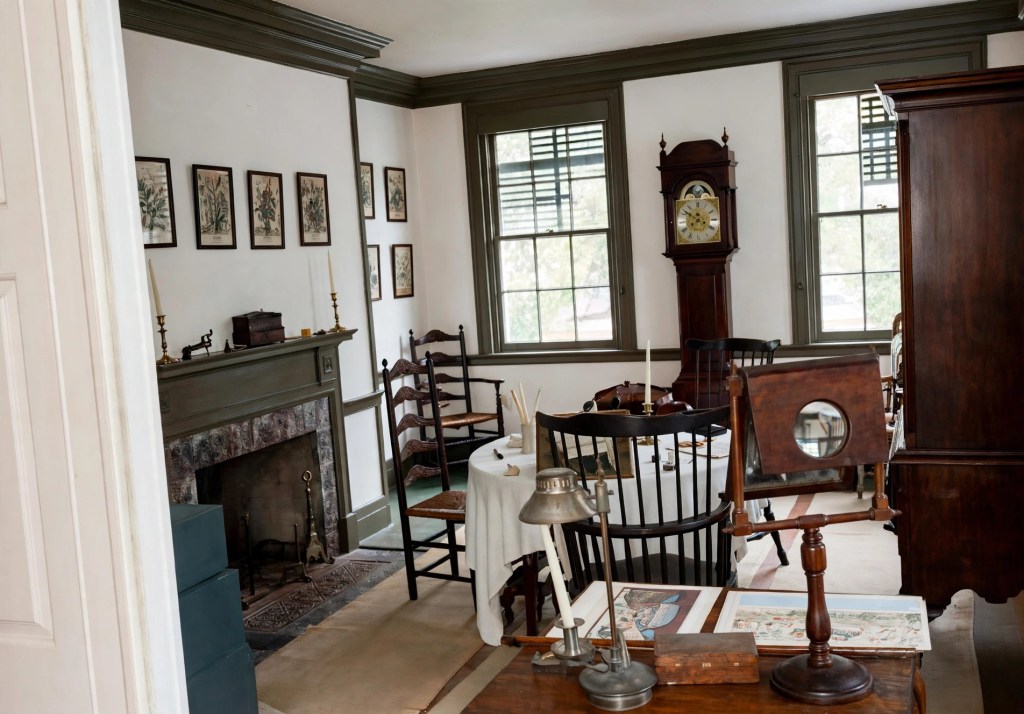
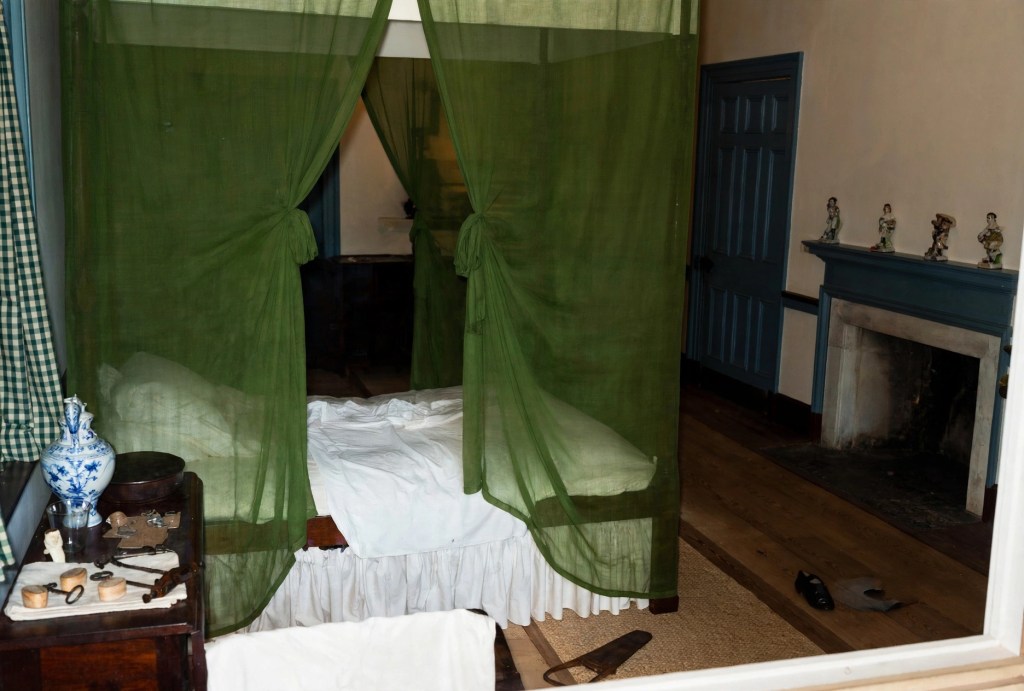
Seeing the rooms where Thomas Jefferson lived while drafting the Declaration of Independence offers a humbling look at the human reality behind the monumental history. Far from the grandiose halls of power, these living quarters—the parlor and bedroom—reflect the modest, functional, and intensely focused conditions of a man under immense pressure. The parlor, with its simple table, clock, and workspace, served as a quiet, concentrated hub for intellectual labor, while the bedroom, featuring a classic canopy bed and fireplace, reveals the intimate, everyday setting where he rested amidst the turmoil of a revolution in the making. These rooms feel remarkably grounded, showcasing the period’s spare elegance and utility, and they emphasize that the profound ideas of liberty were drafted in a space defined not by luxury, but by the thoughtful, demanding solitude of a man tasked with rewriting the future of a nation.
When he wrote, “all men are created equal,” he was channeling a centuries-old, often-ignored British promise of universal justice and finally giving it teeth. Philadelphia was the crucible where those seeds of liberty were harvested, creating a brand-new, republican experiment that completely changed how the world sees power.
The Ripple Starts in the Mud: Runnymede (July 2026)
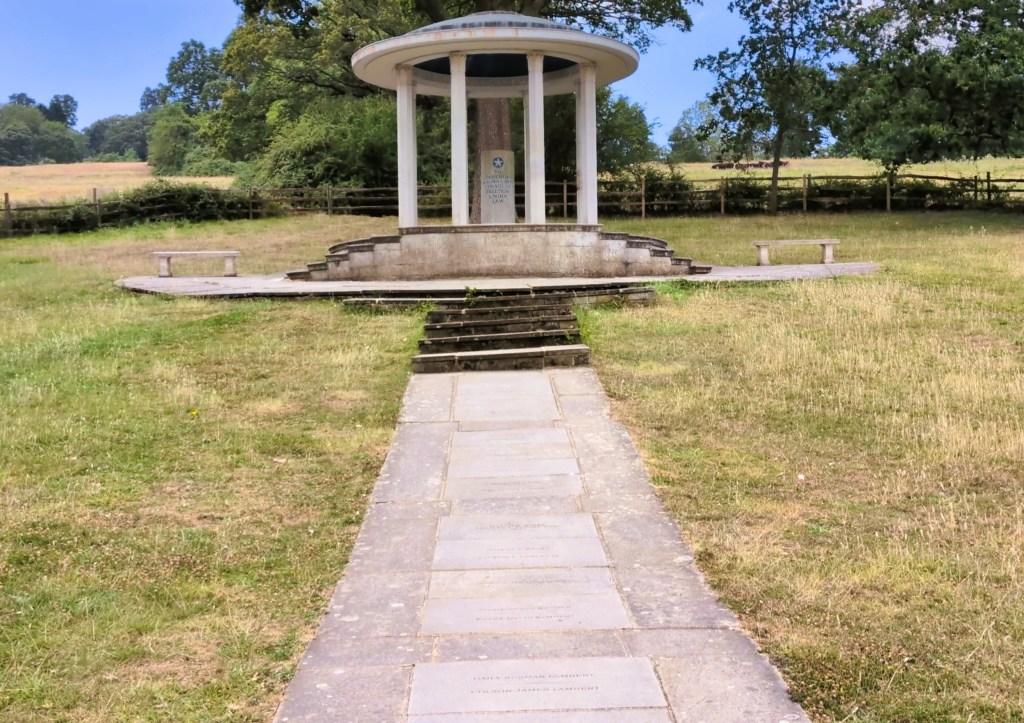
Then, just yesterday, July 15, 2026, I found myself walking the serene, verdant meadows of Runnymede—the place where it all began. It’s hard to fathom that in June 1215, this marshy, unassuming patch of land along the River Thames was the stage for a high-stakes standoff. King John, backed into a corner by rebellious barons, was forced to seal the Magna Carta—not because he believed in democracy, but because he was desperate to prevent a civil war.

The experience at the memorial was surprisingly intimate. As I sat on a bench overlooking the site, I noticed a plaque with a QR code. I pulled out my phone and scanned it, and suddenly, I was listening to an immersive audio tour. The narrator expertly reconstructed the scene, helping me visualize the tension, the mud, and the hushed, angry negotiations between a cornered King and his defiant barons. It felt as if the layers of time peeled back, letting me sit in on one of history’s most consequential arguments.


That “desperate peace treaty” created a ripple that turned into a tidal wave. Standing there, I thought about Clause 39: the revolutionary idea that the King was not above the law. It’s wild to think how a medieval concession, meant to settle a feudal fight, evolved over centuries into the universal symbol of the rule of law that we hold dear today.

Closing the Circle: A 23-Year Journey
Connecting my 2003 visit to Philadelphia with my trip to Runnymede yesterday, it hits me: the “arc of liberty” isn’t some abstract concept—it’s a long, messy, and incredibly resilient journey.
Comparing these two places, spanning over two decades of my own life, has been an incredible experience. Philadelphia feels like the dramatic, high-stakes opening chapter of our modern world, while Runnymede feels like the quiet, reflective prologue that made it all possible. It’s a powerful reminder that democracy isn’t a static gift; it’s an ongoing, human effort that started in the mud and continues today, fueled by the same radical, defiant spirit that I felt in both of those legendary locations.

