Ibirapuera Park is where São Paulo comes to breathe. On any given weekend, thousands of Paulistanos spill across its lawns. Runners trace the asphalt tracks, skaters carve along Oscar Niemeyer’s shaded concrete canopy, and families spread picnic blankets beside the green water of the lake. It’s even the backdrop for global cinema—if the scenery looks familiar to Hollywood fans, it’s because Pedro Pascal himself was famously captured running through these exact park grounds while filming scenes for Netflix’s Extraction 2 and major brand campaigns, introducing Ibirapuera’s modernist green layout to millions worldwide.
To a traveler arriving for the first time, Ibirapuera feels like an oasis of pure urban serenity. But if you slow down and look closely at the monuments guarding its gates and standing along its shores, you realize you aren’t just walking through a city park. You are walking through an active battlefield of memory—a place where Brazil’s official foundation myths sit directly across from the painful, sacred truths that built the nation.
1. The Granite Myth: Monument to the Bandeiras
Before you even cross into the park, you come face-to-face with a massive, carved wall of gray stone.
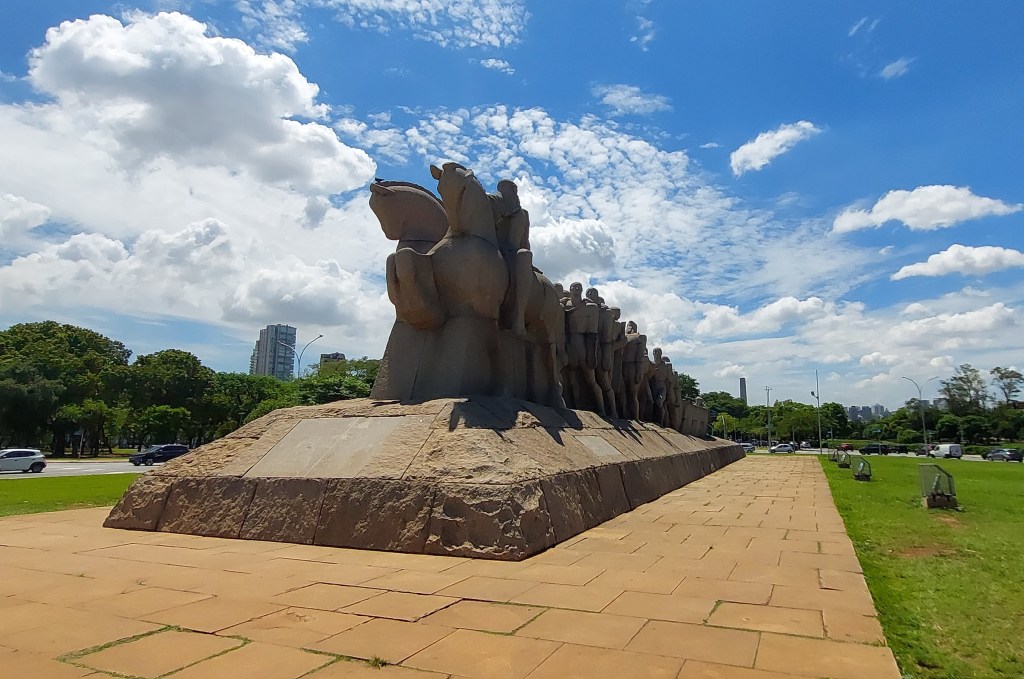
Sculpted out of 240 granite blocks by Victor Brecheret over nearly three decades, the Monumento às Bandeiras depicts a grueling 17th-century expedition surging forward into the unknown. At the front, two Portuguese commanders ride tall on horseback. Behind them, a line of Indigenous guides, mixed-race mamelucos, and enslaved Africans strain their bare muscles to drag a massive wooden canoe across dry land.
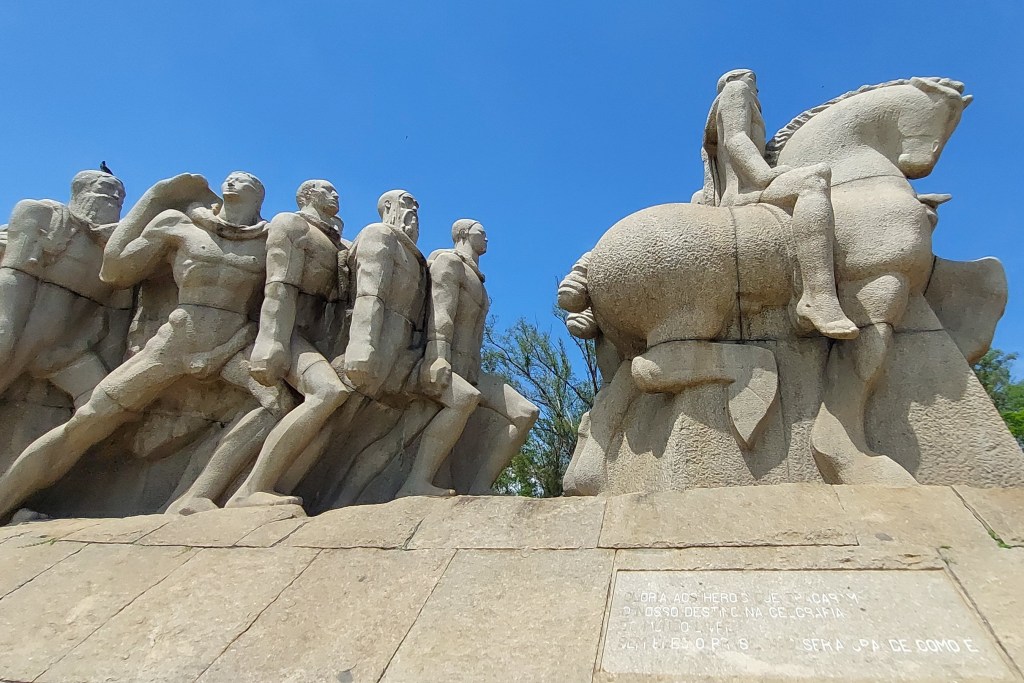
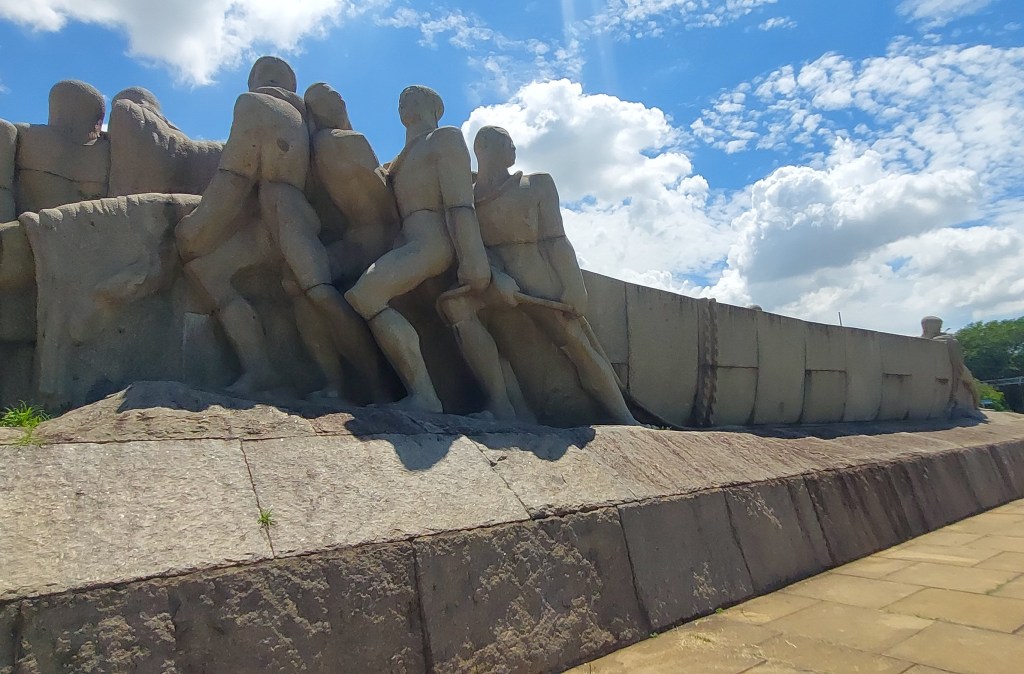
Standing beneath its shadow, you can read the words carved into the base:
“Glória aos heróis que traçaram o nosso destino na geografia da pátria…” (“Glory to the heroes who traced our destiny on the geography of the fatherland…”)
For generations, state history books glorified the Bandeirantes as brave pioneers who expanded Brazil’s borders. But look beneath the romanticized myth, and the historical reality of the Bandeirantes (Bandeiros) is far more complex and brutal:
- Mercenaries, Not Explorers: They didn’t venture into the interior out of curiosity; they led brutal feijoada-fueled expeditions (bandeiras) specifically to capture Indigenous people to sell into slavery when Portuguese trade routes failed.
- Destroyers of Quilombos: Bandeirantes were hired by royal authorities to destroy communities of escaped slaves, most notably leading the final assault that destroyed the legendary Quilombo dos Palmares and led to the death of Zumbi in 1695.
- The Irony of Language: Most Bandeirantes didn’t even speak Portuguese. They spoke Língua Geral—a Tupi-Guarani-based creole language—meaning the very men mythologized as the fathers of modern Portuguese Brazil lived and communicated as Indigenous-hybrid frontiersmen.
The monument demands that you admire the “heroes” on horseback, but your eyes remain fixed on the men pulling the boat.
2. The Imperial Frame: Cabral by the Water
Walk through the park gates toward the edge of the lake, and the story continues.
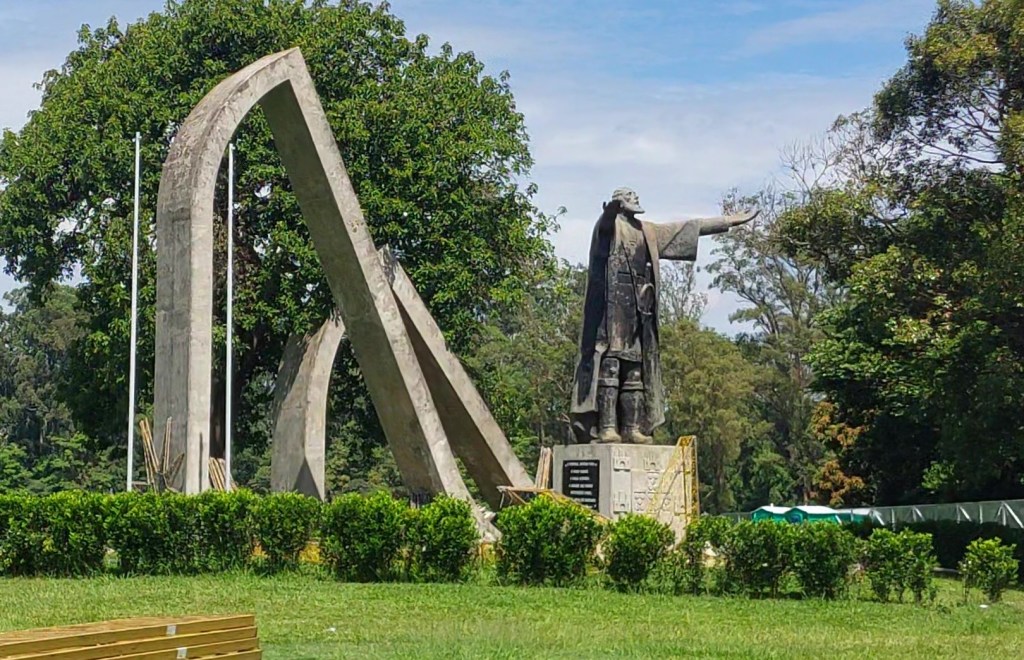
Framed by lush trees and calm water stands the bronze statue of Pedro Álvares Cabral. With arms outstretched toward the horizon, he represents the romanticized Eurocentric moment of “discovery” in 1500.
For centuries, this was the neat, sanitized narrative carved into public space: European ships arrived, brave frontiersmen pushed back the wilderness, and a modern nation was born. It is a story told from the perspective of the conquerors—clean, heroic, and immortalized in bronze.
3. The Reclaimed Soul: Museu Afro Brasil Emanuel Araujo
Then you cross an invisible border and enter the Museu Afro Brasil inside the Manoel da Nóbrega Pavilion.
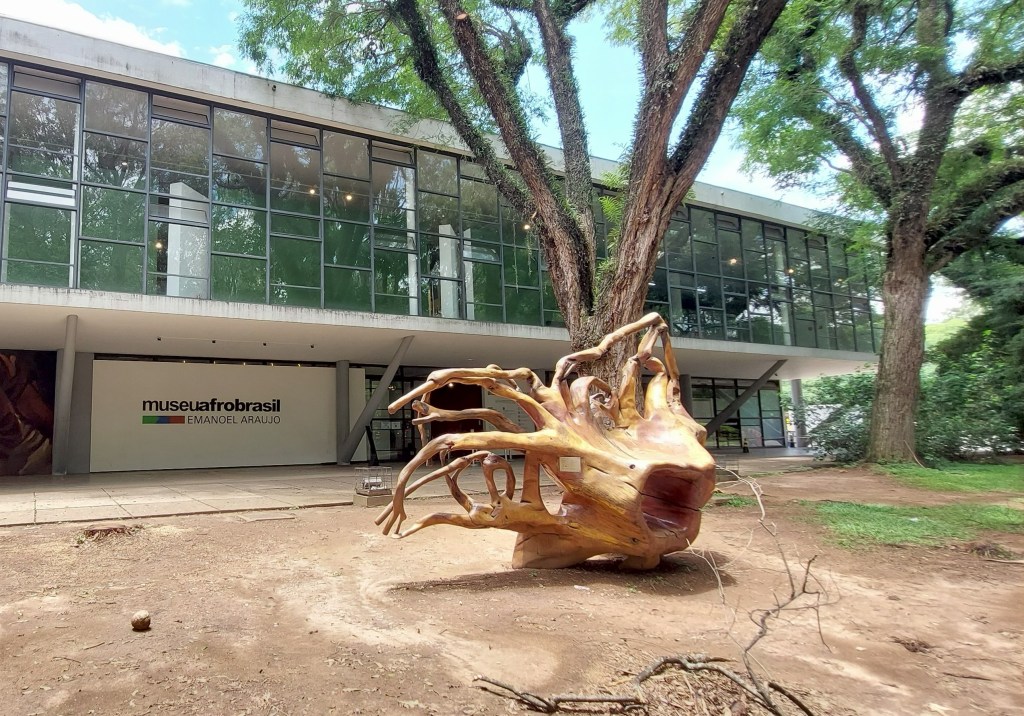
If the stone monuments outside are designed to silence history, this museum was built to make it scream. Founded by the late artist and visionary curator Emanuel Araujo, it is widely considered one of the most influential museums in the entire Southern Hemisphere.
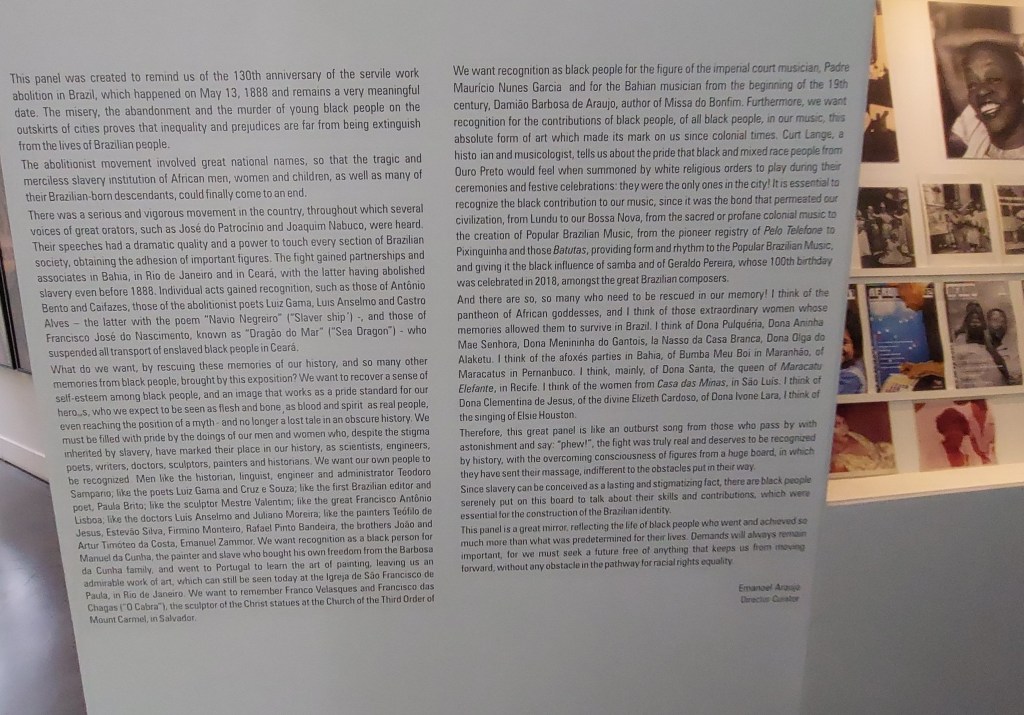
With over 6,000 works spanning centuries, the museum single-handedly transformed how South America understands the African diaspora. It didn’t just add a section for Black history—it forced the entire nation to acknowledge that without Afro-descendant labor, engineering, architecture, spiritual systems, and artistic genius, modern Brazil simply would not exist.
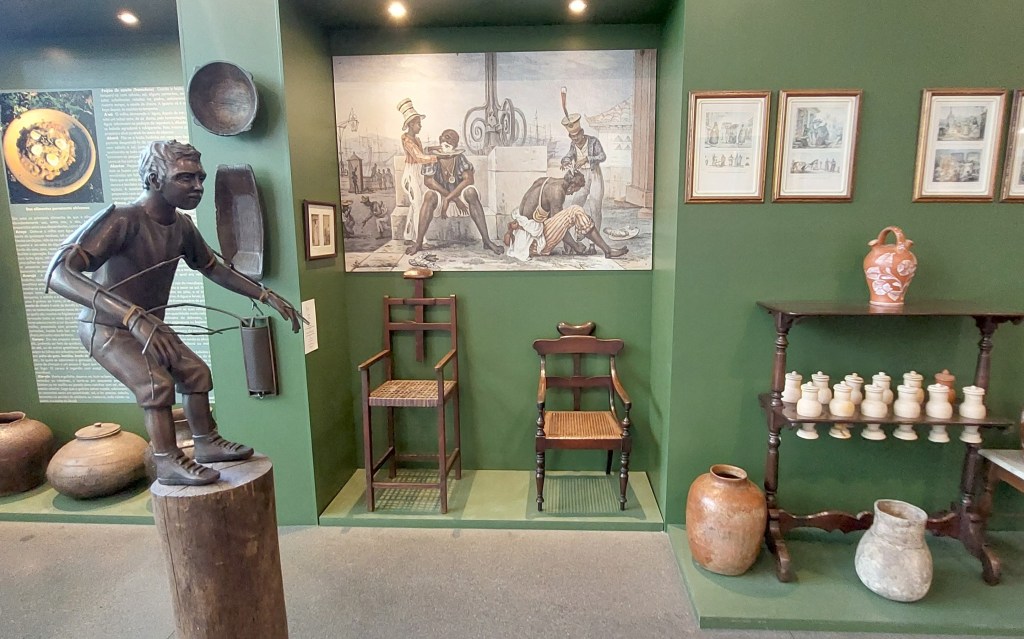
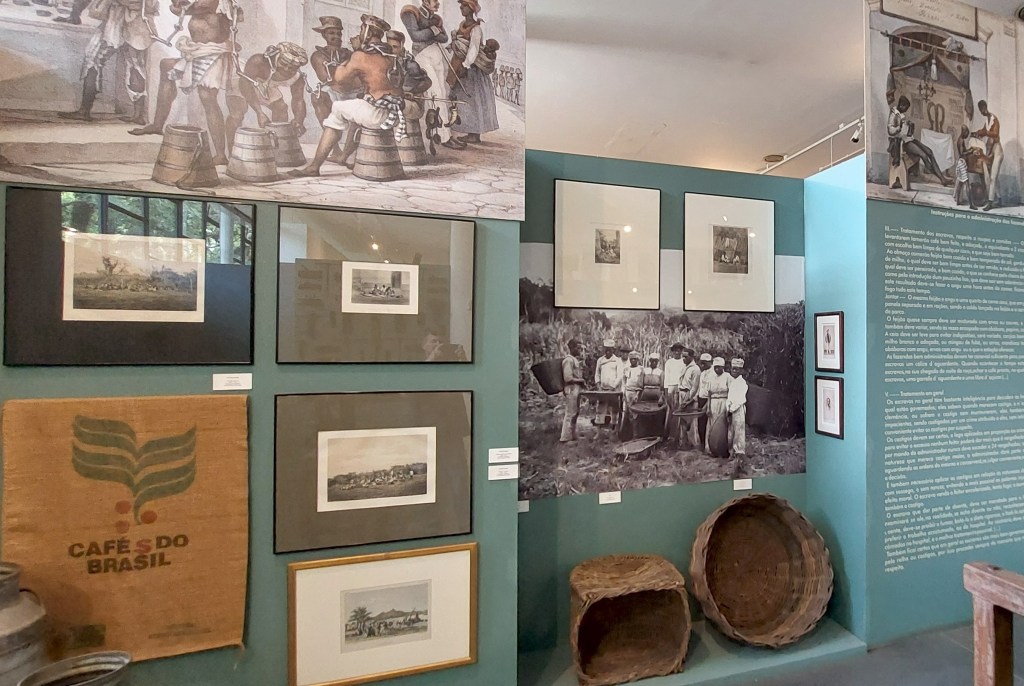
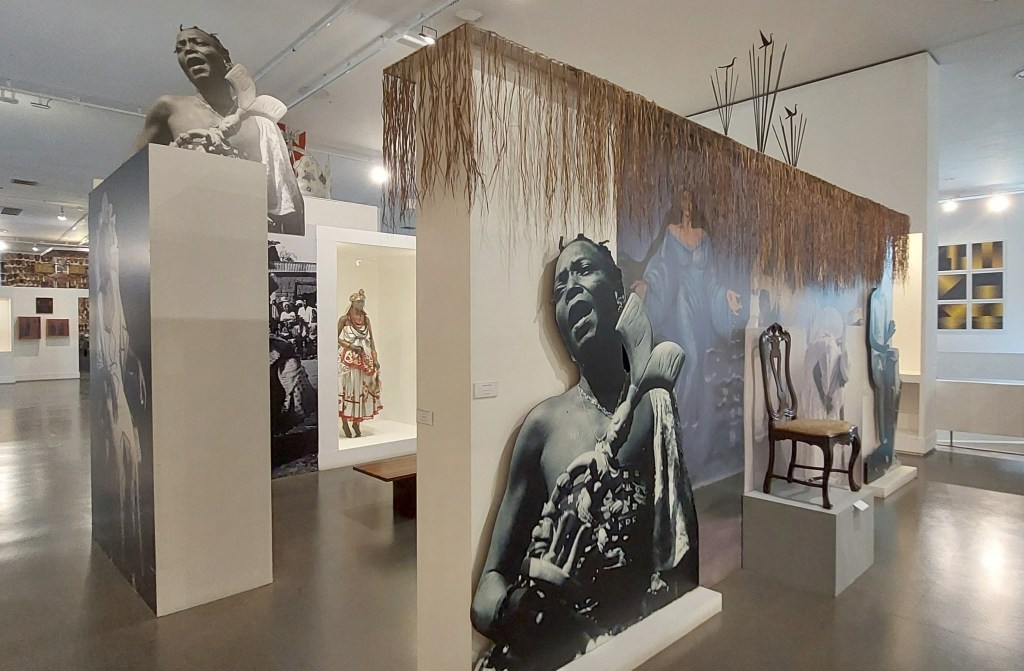
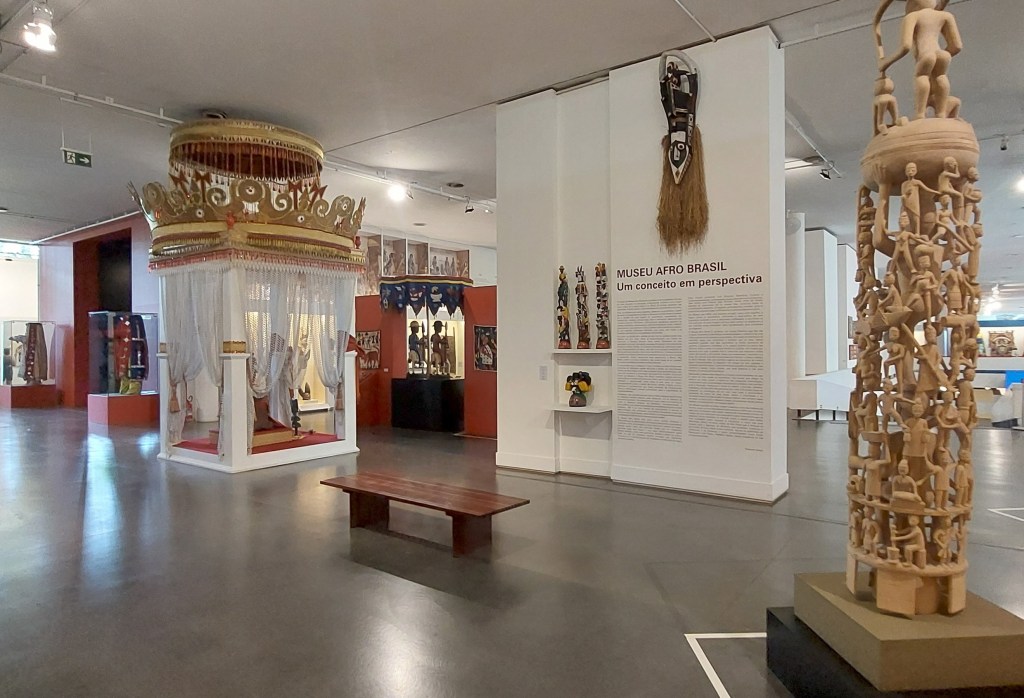
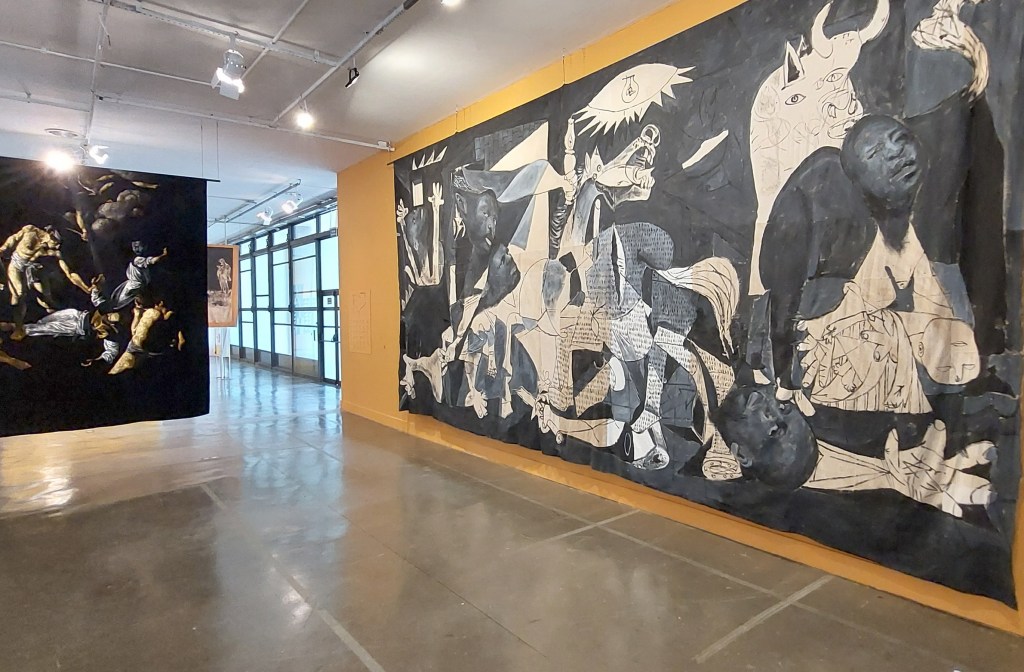
Inside the cavernous galleries, the traditional art canon crumbles. A massive, Afro-centric reinterpretation of Picasso’s Guernica captures centuries of resistance and dignity. Sacred Candomblé altars, carved wooden orixá figures, and ceremonial crowns rise toward the high ceiling, reclaiming the spiritual power that colonial authorities tried for centuries to extinguish.
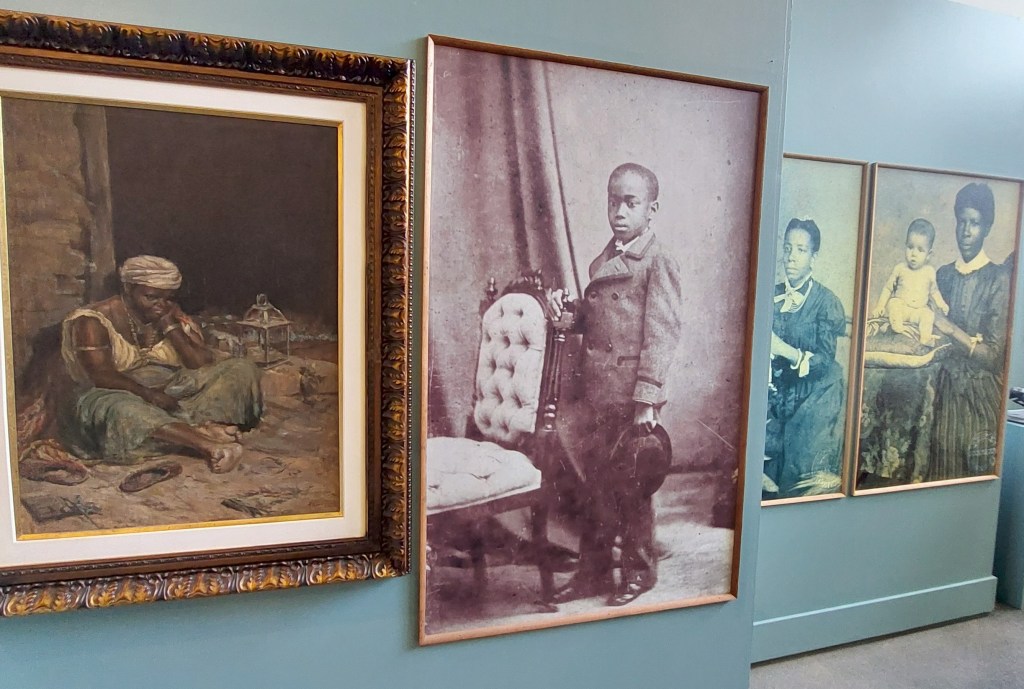
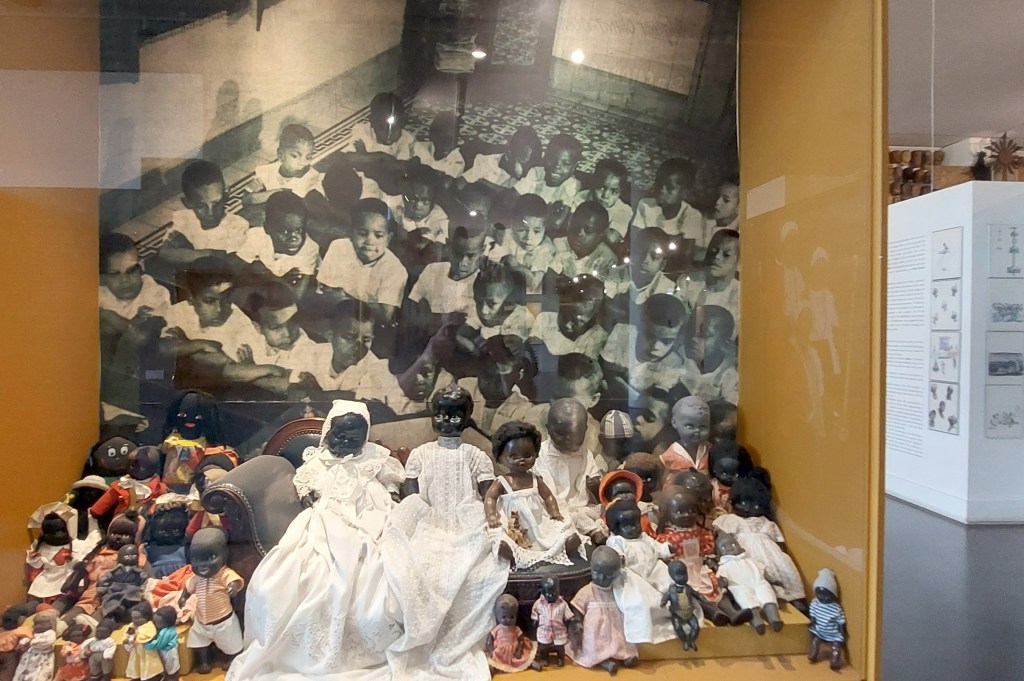
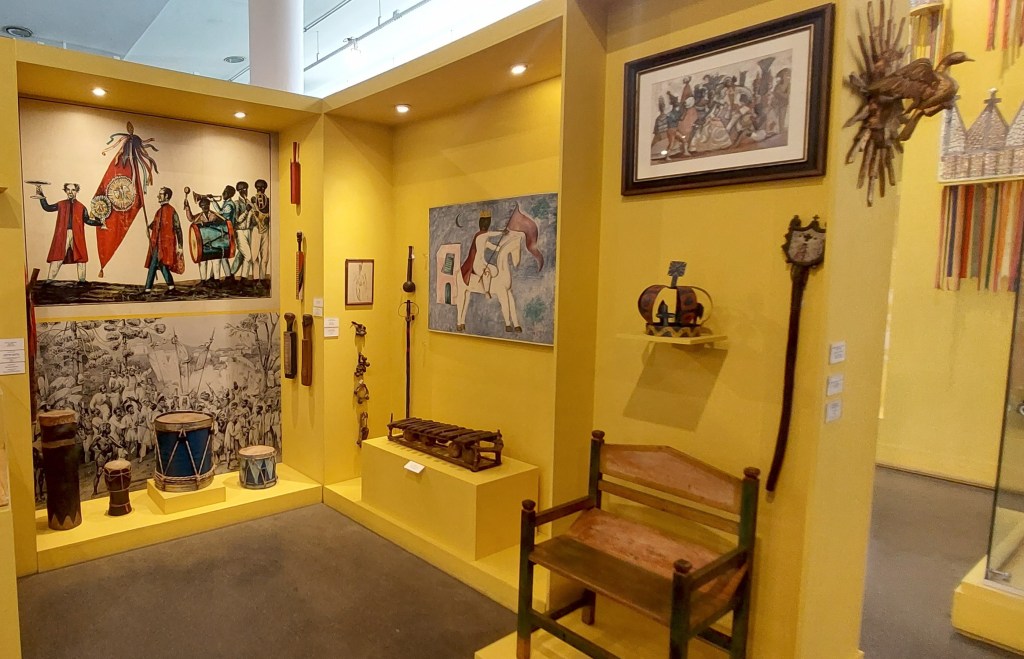
Every room forces a reckoning. You see the heavy iron molds and cachaça bottles that drove the sugar economy, alongside delicate handmade Black dolls, intimate 19th-century family portraits, and the vibrant, explosive colors of Maracatu and Congada festival costumes. You see how human joy, artistry, and identity survived through the cracks of systematic oppression.
Crossing the Border of Memory
When you step back out into the afternoon light of Ibirapuera, the park feels different.
You look across the green lawns back toward the giant stone canoe outside the gates. You realize that Ibirapuera Park holds the ultimate Brazilian duality. Outside stand the monuments of stone and bronze—rigid, silent, and celebrating the conquerors. Inside the shade of the pavilion, the living memory of Black Brazil speaks back, demanding to be heard.
Travel isn’t just about finding pretty green spaces. It’s about learning how to read the borders carved into the landscape—and deciding whose story you choose to honor.

